Can You Rent a Car With a State ID Instead of a Passport
Yes, you can rent a car with a state ID in most cases. A valid state identification card serves as an acceptable form of ID at many major rental companies. However, there are a few important requirements and restrictions you should know before booking your rental car.
Planning a road trip or just need wheels for a few days? You might be wondering whether you can rent a car with a state ID instead of a passport. The good news is that yes, in most situations, a state ID works perfectly fine. But there are a few catches you need to know about before you head to the rental counter.
Whether you are a domestic traveler, a non-driver, or someone who simply does not carry a passport, this guide covers everything you need to know about renting a car with a state ID. We will walk you through the requirements, the companies that accept state IDs, and the common mistakes that trip people up. Let us get into it.
Key Takeaways
- State IDs are widely accepted: Most rental car companies accept a valid state ID as a primary form of identification.
- A valid driver’s license is still required: You must have a driver’s license to rent and operate a vehicle, even if you use a state ID for verification.
- International renters may need extra documents: Foreign nationals might need an international driving permit alongside their state ID.
- Age and credit card rules apply: You must meet the minimum age requirement and present a valid credit card in your name.
- Policies vary by company: Each rental car company has its own ID and documentation requirements.
- Non-driver state IDs may not work: Some companies require a state ID that includes a photo and driving privileges.
📑 Table of Contents
- Can You Rent a Car With a State ID?
- Rental Car Requirements You Should Know
- Which Rental Companies Accept State IDs?
- State ID vs. Passport: What’s the Difference for Car Rentals?
- Tips for Renting a Car With a State ID
- Common Mistakes People Make When Renting a Car
- Can Non-Drivers Rent a Car With a State ID?
- International Renters: Can You Use a State ID?
- Expert Insights on Car Rental ID Requirements
- Final Thoughts on Renting a Car With a State ID
Can You Rent a Car With a State ID?
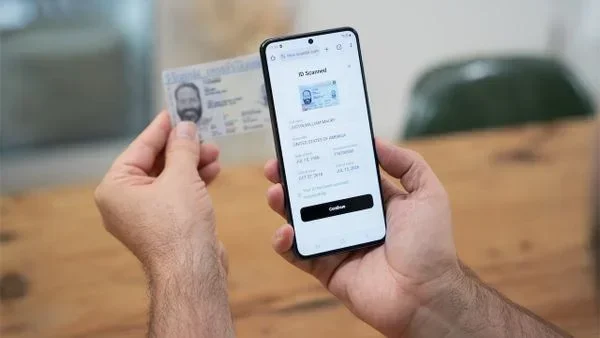
The short answer is yes. Most rental car companies accept a valid state identification card as a form of ID. A state ID is issued by your Department of Motor Vehicles and contains your photo, name, date of birth, and address. This is enough to verify your identity at the rental counter.
However, a state ID alone is not always enough. You also need a valid driver’s license if you plan to drive the vehicle. Some people confuse a state ID with a driver’s license. A state ID without driving privileges may not be sufficient for renting and operating a car.
If you are a U.S. citizen or permanent resident, using a state ID for a domestic car rental is straightforward. The process is simple and similar to using a driver’s license. Just be prepared to show additional documents depending on the company and your specific situation.
When a State ID Works Best
A state ID is most useful when you do not have a passport on hand. Maybe you lost it, or you simply do not travel internationally often. In these cases, a state ID saves the day. Here are a few scenarios where a state ID shines:
- Domestic road trips: You are traveling within the United States and need a rental car.
- Replacing a lost passport: Your passport is expired or missing, but you have a valid state ID.
- Non-driver identification: You hold a state ID card but not a driver’s license and need someone else to drive.
- Quick errands: You need a rental for a short local trip and do not want to carry your passport.
Keep in mind that every rental car company has its own car rental requirements. What works at one company may not work at another. Always check the specific policies before you arrive.
Rental Car Requirements You Should Know
Renting a vehicle involves more than just showing an ID. Rental companies have a set of standard requirements that every renter must meet. Understanding these ahead of time saves you from surprises at the counter.
Age Requirements
Most rental companies require renters to be at least 21 years old. Some companies allow renters as young as 18, but this varies. If you are under 25, expect to pay a young driver surcharge. This fee can add $20 to $50 per day to your rental cost.
Here is a quick breakdown of age policies at major companies:
- Hertz: Minimum age 20 in most states.
- Enterprise: Minimum age 21 nationwide.
- Avis: Minimum age 21, with surcharges for renters under 25.
- Budget: Minimum age 21, with young driver fees.
- Alamo: Minimum age 21 for most rentals.
Credit Card Requirements
Almost every rental company requires a credit card in the renter’s name. This card is used for the car rental deposit, which can range from $200 to $500 or more. Debit cards are sometimes accepted, but they often come with extra verification steps and holds.
Make sure the credit card is in your name. Prepaid cards and gift cards are generally not accepted for the deposit. If you are using a state ID, the name on the ID must match the name on the credit card.
Insurance and Coverage
Car rental insurance is another important requirement. Some personal auto insurance policies cover rental vehicles. Your credit card may also offer rental car coverage. If neither applies, you will need to purchase insurance through the rental company.
Car insurance rental options typically include collision damage waiver, liability coverage, and personal accident insurance. These add-ons can increase the daily rate significantly. It is worth checking your existing coverage before you agree to the rental company’s insurance package.
Valid Driver’s License
This cannot be stressed enough: you need a valid driver’s license to rent a car. A state ID is useful for identity verification, but the driver’s license is what proves you are legally allowed to operate a vehicle. If you do not have a driver’s license, you cannot rent a car to drive yourself.
Some rental companies may accept a state ID in combination with a learner’s permit or an international driving permit. But a standard state ID alone will not replace the need for a driver’s license.
Which Rental Companies Accept State IDs?
Not all rental car companies treat state IDs the same way. Some are very flexible, while others have stricter policies. Here is a closer look at how the major players handle state IDs.
Enterprise Rent-A-Car
Enterprise is one of the most flexible companies when it comes to ID requirements. They accept valid state IDs for identity verification. You still need a driver’s license to drive, but the state ID works as a secondary form of identification. Enterprise has locations in almost every city, making it a convenient choice.
Hertz
Hertz accepts state IDs as a valid form of identification. Their rental car policies are clear and straightforward. You will need a driver’s license and a credit card, but the state ID helps fill in the identity verification gap. Hertz also offers a wide range of vehicles, from economy cars to luxury SUVs.
Avis and Budget
Avis and Budget are sister companies under the same parent brand. Both accept state IDs for rental transactions. Their requirements are standard: valid driver’s license, state ID or passport, and a credit card. Budget is often the more budget-friendly option, while Avis leans toward comfort and service.
National Car Rental
National is known for its fast rental process and premium service. They accept state IDs, and their Emerald Club membership program makes repeat rentals even smoother. If you rent frequently, National is worth considering.
Alamo, Dollar, and Thrifty
These three brands are popular for affordable rentals. All three accept state IDs for domestic rentals. Their requirements are similar to the other major companies. The key difference is price, with these brands often offering lower daily rates.
State ID vs. Passport: What’s the Difference for Car Rentals?
You might be wondering how a state ID compares to a passport when it comes to renting a car. Both serve as valid forms of identification, but they have different strengths and limitations.
| Feature | State ID | Passport |
|---|---|---|
| Accepted at rental counters | Yes, at most companies | Yes, universally accepted |
| Proof of U.S. residency | Yes | No |
| Required for domestic rentals | No, but accepted | No, but accepted |
| Required for international rentals | No | Yes |
| Cost | Low or free | $130+ for new issuance |
| Availability | Easy to obtain | Requires application and processing time |
| Used with driver’s license | Common | Less common domestically |
For domestic car rentals, a state ID works just as well as a passport. The main advantage of a passport is its universal acceptance for international travel. If you are staying within the United States, a state ID is perfectly fine.
Some renters prefer to carry both. This gives you flexibility whether you are renting a car domestically or abroad. But if you only have a state ID, you should not worry. You can absolutely book and complete a rental with it.
Tips for Renting a Car With a State ID
Renting a car with a state ID is easy if you are prepared. Here are some practical tips to make the process smooth and stress-free.
Bring All Your Documents
Do not rely on a state ID alone. Bring your driver’s license, the state ID, and your credit card. Having all the necessary documents ready shows the rental agent that you are organized and serious. This also speeds up the check-in process.
Book in Advance
Booking your rental car ahead of time gives you more options and better rates. Use online booking platforms to compare prices across different rental companies. Some companies offer discounts for early bookings or loyalty program members.
Check the Rental Agreement Carefully
Before you sign anything, read the rental agreement thoroughly. Pay attention to the mileage limits, fuel policies, and insurance coverage. Ask the agent about any fees you do not understand. A rental agreement is a binding contract, so make sure you are comfortable with every term.
Inspect the Vehicle Before Driving Off
Take photos of the car before you drive away. Note any existing scratches, dents, or damage. This protects you from being charged for pre-existing damage when you return the vehicle. It is a simple step that can save you a lot of headaches.
Understand the Fuel Policy
Most rental companies require you to return the car with a full tank of gas. If you do not, they will charge you a premium rate for refueling, plus a service fee. Fill up the tank before you return the vehicle to avoid extra charges.
Consider Rental Car Insurance
Even if you have personal auto insurance, it is worth checking whether it covers rental vehicles. Your credit card company may also offer rental car coverage. If neither applies, purchasing the rental company’s insurance is a smart move. It gives you peace of mind on the road.
Common Mistakes People Make When Renting a Car
Renting a car seems simple, but small mistakes can lead to big problems. Here are the most common errors renters make and how to avoid them.
Assuming Any ID Will Work
Not every form of identification is accepted. Some rental companies do not accept student IDs, library cards, or expired documents. Always bring a valid, government-issued ID like a state ID or driver’s license.
Forgetting the Credit Card
Debit cards are not universally accepted for the rental deposit. If you only have a debit card, call the rental company ahead of time to confirm their policy. You may need to provide additional documentation or face a longer hold process.
Skipping the Insurance Question
Many renters skip the insurance discussion and find out later that they are not covered. Always ask about insurance options and check your existing coverage before you agree to the rental company’s package.
Not Reading the Fine Print
The rental agreement is full of important details. Mileage caps, drop-off fees, additional driver charges, and late return penalties are all hidden in the fine print. Reading the agreement carefully prevents unexpected charges.
Ignoring the Age Surcharge
If you are under 25, you will likely face a young driver surcharge. Some renters are caught off guard by this fee. Check the age policy and any associated fees before you book.
Can Non-Drivers Rent a Car With a State ID?
This is a common question, and the answer is nuanced. A non-driver state ID is a valid form of identification, but it does not grant you the ability to drive. If you want to rent a car, someone with a valid driver’s license must be the primary renter and driver.
That said, some rental companies allow non-drivers to book a car on behalf of a licensed driver. In this case, the non-driver’s state ID is used for identity verification. The licensed driver must be present at the rental counter with their own driver’s license and credit card.
If you are a non-driver who frequently needs a rental car, consider adding yourself as an additional driver on the rental agreement. This way, you can legally drive the vehicle. Just be aware that most companies charge an additional driver fee, typically $10 to $15 per day.
International Renters: Can You Use a State ID?
If you are visiting the United States from another country, a state ID alone may not be enough. Foreign nationals typically need a valid passport and, in some cases, an international driving permit. A state ID issued by a U.S. state is generally only available to residents.
However, if you are a permanent resident or have a valid U.S. visa, you may be able to obtain a state ID. Once you have one, you can use it for domestic car rentals. Always check with the rental company to confirm their requirements for international renters.
Expert Insights on Car Rental ID Requirements
Industry professionals agree that preparation is the key to a smooth rental experience. According to car rental experts, the most important step is to call ahead and confirm the rental company’s ID requirements. Policies can change, and what worked last year may not work today.
“The biggest mistake renters make is assuming all companies have the same policies,” says a senior industry analyst. “A quick phone call or check of the company’s website can save you from being turned away at the counter.”
Experts also recommend enrolling in loyalty programs. These programs often come with faster check-in, lower rates, and more flexible ID requirements. If you rent cars regularly, the benefits add up quickly.
Final Thoughts on Renting a Car With a State ID
Renting a car with a state ID is entirely possible and increasingly common. Whether you are planning a weekend getaway or a cross-country road trip, a valid state ID serves as an acceptable form of identification at most rental companies. Just remember to bring your driver’s license, credit card, and any other required documents.
The key is preparation. Know the rental company’s policies, understand the requirements, and read the rental agreement carefully. With the right approach, you can hit the road without any hassle.
So the next time someone asks you, “Can you rent a car with a state ID?” you can confidently say yes. Just make sure you have all the right documents and you are good to go. Happy travels!
Frequently Asked Questions
Can I rent a car with a non-driver state ID?
A non-driver state ID can be used for identity verification, but you still need a licensed driver to rent and operate the vehicle. The state ID confirms who you are, but the driver’s license is what allows you to drive.
Do rental companies accept expired state IDs?
No, rental companies require a valid, unexpired state ID. An expired ID is not considered a legitimate form of identification and will likely be rejected at the rental counter.
Can I use a state ID instead of a passport for an international car rental?
For international rentals, a passport is typically required. A state ID alone may not be accepted outside the United States. Always check the specific rental company’s policies for international bookings.
Is a state ID enough to book a rental car online?
Yes, most online booking systems allow you to use a state ID for identity verification during the booking process. However, you will still need a driver’s license and credit card at the time of pickup.
Do I need a credit card to rent a car with a state ID?
Yes, nearly all rental companies require a credit card in the renter’s name for the security deposit. Debit cards are sometimes accepted but may come with additional restrictions and verification requirements.
Can someone else drive the rental car if I am the renter?
Yes, most rental companies allow additional drivers, but there is usually an extra fee. The additional driver must present a valid driver’s license and may need to meet the same age and ID requirements as the primary renter.
=== CONCLUSION ===
Renting a car with a state ID is simple, convenient, and widely supported by major rental companies. A state ID serves as a reliable form of identification for domestic car rentals, and when paired with a valid driver’s license and credit card, you are all set. The key is to understand the requirements ahead of time, choose a reputable rental company, and read the rental agreement carefully. With the right preparation, you can rent a car confidently and hit the road without any stress. So go ahead, book your rental, and enjoy the drive.