Can I Put Too Much Weight in My Car Without Ruining It
Yes, you can absolutely put too much weight in your car, and it can cause serious damage to your vehicle and create safety hazards. Every vehicle has a weight limit called the Gross Vehicle Weight Rating, which includes the weight of passengers, cargo, and fuel. Exceeding this limit can harm your suspension, brakes, tires, and even your car’s frame. Understanding your car’s payload capacity is the first step to staying safe and avoiding expensive repairs.
Have you ever piled your trunk full of groceries, luggage, or moving boxes and wondered if you were pushing it too far? It is a question more drivers ask than you might think. Can I put too much weight in my car? The short answer is yes, and the consequences can be more serious than a stiff ride.
Your car is engineered to handle a specific amount of weight. When you go beyond that limit, every part of the vehicle feels the strain. From your tires to your brakes, overloading creates real risks. Let us break down exactly what happens when you put too much weight in your car and how to avoid it.
Overloading a vehicle is one of the most common yet overlooked safety issues on the road. Many drivers do not even realize they have exceeded their car’s limits until something goes wrong. This guide will help you understand your vehicle’s weight limits, recognize the warning signs of overloading, and make smarter decisions about what you haul.
Key Takeaways
- Every car has a weight limit: Exceeding it can cause serious mechanical and safety problems.
- GVWR and payload capacity are the key numbers you need to know before loading up your vehicle.
- Overloading damages your suspension, brakes, tires, and fuel economy, leading to costly repairs.
- Roof racks and cargo carriers can add significant weight and affect vehicle handling.
- Weight distribution matters just as much as total weight when it comes to safe driving.
- Check your owner’s manual or the driver’s side door jamb for your specific vehicle’s limits.
- Small overloaded changes add up over time and can lead to major problems down the road.
📑 Table of Contents
- What Is Your Car’s Weight Limit?
- What Happens When You Put Too Much Weight in My Car?
- How to Calculate Your Car’s Payload Capacity
- Common Mistakes People Make When Loading Their Car
- How Overloading Affects Vehicle Safety and Performance
- Signs You Are Overloading Your Vehicle
- How to Safely Transport Heavy Items
- Key Takeaways
- Conclusion
What Is Your Car’s Weight Limit?
Every vehicle comes with a manufacturer-rated weight limit. This number is not a suggestion. It is a hard limit based on the engineering of your car’s frame, suspension, brakes, and engine. Going beyond it can cause damage that is not always visible right away.
Gross Vehicle Weight Rating (GVWR)
The Gross Vehicle Weight Rating, or GVWR, is the maximum total weight your vehicle can safely carry. This includes the weight of the car itself, all passengers, cargo, and fuel. You can find this number on a sticker inside the driver’s door frame or in your owner’s manual.
Here is how GVWR works in simple terms:
- Curb weight is the weight of the empty car with a full tank of fuel.
- Payload capacity is the extra weight you can safely add.
- Payload = GVWR minus curb weight.
For example, if your car has a GVWR of 4,500 pounds and a curb weight of 3,200 pounds, your payload capacity is 1,300 pounds. That covers all passengers, luggage, and anything else you put inside the car.
Gross Axle Weight Rating (GAWR)
Another important number is the Gross Axle Weight Rating. This tells you how much weight each axle can handle. Your front and rear axles carry different amounts of load, and exceeding either one can cause handling and braking problems.
You will usually find GAWR listed on the same door jamb sticker as the GVWR. Paying attention to both numbers gives you a clearer picture of your vehicle’s true limits.
What Happens When You Put Too Much Weight in My Car?
Overloading your car does not just make the engine work harder. It affects multiple systems in ways that can be dangerous. Here is what can go wrong when you exceed your car’s weight limit.
Suspension and Handling Problems
Your car’s suspension system is designed to absorb road shocks and keep the vehicle stable. When you add too much weight, the suspension compresses beyond its normal range. This leads to a rougher ride, poor handling, and increased wear on suspension components.
You may notice your car sits lower to the ground. The steering may feel heavy or unresponsive. In extreme cases, overloaded suspension parts can fail completely, which is a serious safety risk on the highway.
Brake Performance Declines
Brakes need more distance to stop when a vehicle is heavier. This is basic physics. When you overload your car, the braking system works harder than it was designed to. Brake pads wear out faster, brake fluid heats up more quickly, and stopping distances increase.
In emergency situations, this extra stopping distance can be the difference between a safe stop and a collision. Overloaded vehicles are also more prone to brake fade, which happens when the brakes overheat and lose their gripping power.
Tire Damage and Blowouts
Tires are rated for specific weight loads, and exceeding those limits is dangerous. Overloaded tires overheat, wear out unevenly, and are far more likely to suffer a blowout. A tire blowout at highway speeds can cause a complete loss of vehicle control.
Check your tire sidewall for the maximum load rating. Make sure your tire pressure matches the recommended level for your vehicle’s loaded weight. Underinflated tires combined with heavy loads are a particularly dangerous combination.
Engine and Transmission Strain
Carrying too much weight forces your engine to work harder. This means more fuel consumption, increased engine wear, and extra stress on the transmission. Over time, this added strain can lead to premature engine failure or costly transmission repairs.
Fuel efficiency drops significantly when a vehicle is overloaded. You will notice you are filling up more often, and your engine may struggle on hills or inclines.
Frame and Body Damage
Your car’s frame is built to support a specific load. When you consistently exceed that load, the frame can begin to flex and deform. This is especially true for older vehicles or cars that were not designed for heavy hauling.
You might also notice doors sticking, gaps forming between panels, or the roof sagging if you load heavy items on top of the car. These are all signs that the body structure is under too much stress.
How to Calculate Your Car’s Payload Capacity
Knowing your payload capacity is essential for safe driving. Here is a simple step-by-step process to figure it out.
- Find your GVWR on the door jamb sticker or owner’s manual.
- Weigh your empty car at a truck scale or weigh station. This gives you the curb weight.
- Subtract curb weight from GVWR to get your payload capacity.
- Add up the weight of all passengers you plan to carry.
- Subtract passenger weight from payload capacity to find how much cargo you can safely load.
It sounds like extra effort, but it only takes a few minutes. And once you know your number, you can plan your trips much more safely.
Quick Tips for Weighing Your Load
- Use a bathroom scale for smaller items like bags and boxes.
- Estimate that an average adult weighs about 150 pounds.
- Remember that roof cargo adds weight high up, which affects stability.
- Distribute weight evenly across the vehicle to maintain balance.
- Place heavy items on the floor behind the front seats, not in the trunk.
Common Mistakes People Make When Loading Their Car
Even well-meaning drivers make mistakes when loading their vehicles. Here are the most common ones to avoid.
Ignoring the Owner’s Manual
Many drivers never read the section on vehicle capacity in their owner’s manual. This manual contains the exact weight limits for your specific model. Skipping this step means you are guessing, and guessing with weight limits is risky.
Focusing Only on Total Weight
Weight distribution matters just as much as total weight. Placing all the heavy items on one side of the car or loading everything in the trunk can throw off your vehicle’s balance. This affects steering, cornering, and braking.
Overloading the Roof Rack
Roof racks are convenient, but they add weight high above the vehicle’s center of gravity. This raises the risk of rollover, especially during sharp turns or sudden maneuvers. Many drivers do not realize that roof cargo also increases wind resistance and reduces fuel economy.
Forgetting About Towing Weight
If you tow a trailer, boat, or caravan, you need to factor in towing weight too. Your car’s towing capacity is separate from its payload capacity. Exceeding either one is dangerous and can void your insurance coverage in the event of an accident.
Assuming All Trunks Are the Same
Not all cars are built the same way. A compact sedan has a much lower payload capacity than a full-size SUV or pickup truck. Do not assume your friend’s car can carry what yours can. Always check your own vehicle’s specifications.
Overloading Gradually Over Time
One trip with a slightly overloaded car may not cause immediate damage. But repeated overloading wears out components faster. Suspension parts, tires, and brakes degrade more quickly when they are consistently pushed beyond their limits.
How Overloading Affects Vehicle Safety and Performance
The effects of overloading go beyond mechanical wear. They directly impact how safely your car handles on the road.
| Vehicle System | Effect of Overloading | Safety Risk Level |
|---|---|---|
| Brakes | Longer stopping distances, overheating | High |
| Tires | Uneven wear, blowout risk | High |
| Suspension | Premature wear, poor handling | Medium |
| Engine | Increased strain, reduced efficiency | Medium |
| Transmission | Extra stress, overheating | Medium |
| Frame | Flexing, deformation over time | Low to Medium |
| Fuel Economy | Significantly reduced | Low |
As you can see, the safety risks are concentrated in the systems that keep you alive on the road: brakes, tires, and handling. These are not areas where you want to cut corners.
Expert Insight: What Mechanics Say About Overloading
Experienced mechanics consistently warn about the dangers of overloading. According to most automotive professionals, suspension and brake repairs are the most common costs associated with overloaded vehicles. Many mechanics also note that overloaded cars are more likely to fail safety inspections.
“I see the effects of overloading every week,” says a longtime auto technician. “People load up their cars for road trips or moving days without checking the weight limit. By the time they come in with blown tires or worn-out brakes, the damage is already done.”
Signs You Are Overloading Your Vehicle
How do you know if you have put too much weight in your car? Watch for these warning signs.
- The car sits very low to the ground, especially in the rear.
- Brakes feel spongy or the car takes longer to stop.
- Tires look underinflated or wear out faster than usual.
- Steering feels heavy or the car pulls to one side.
- Suspension bottoms out over bumps or dips in the road.
- Fuel economy drops noticeably without any other explanation.
- Engine struggles on inclines or at higher speeds.
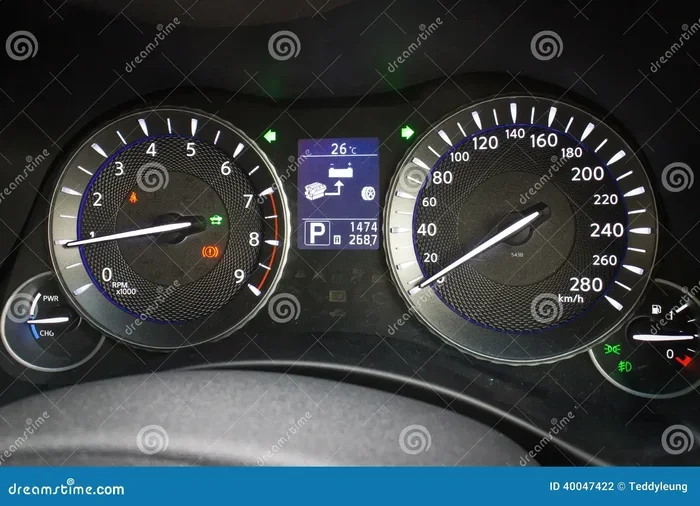
- Dashboard warning lights come on, especially for tire pressure or brakes.
If you notice any of these signs, stop and reevaluate your load. Removing excess weight can prevent further damage and keep you safe on the road.
How to Safely Transport Heavy Items
If you need to carry heavy items, there are smart ways to do it without exceeding your vehicle’s limits.
Use a Cargo Carrier or Trailer
For large or heavy items, consider renting a cargo trailer or using a rooftop cargo box. These distribute the weight more evenly and keep it off your car’s suspension and brakes. Just make sure your vehicle has the towing capacity to handle the extra load.
Make Multiple Trips
It might be less convenient, but making two trips instead of one overloaded trip is far safer and cheaper in the long run. Your vehicle will thank you for it.
Pack Smart
Place the heaviest items on the bottom and near the center of the car. This keeps the weight low and balanced. Avoid stacking heavy boxes on top of lighter items, as this raises the center of gravity and affects stability.
Check Tire Pressure Before Loading
Some vehicles recommend slightly higher tire pressure when fully loaded. Check your owner’s manual for the correct pressure. Properly inflated tires handle extra weight much better and are less likely to fail.
Consider Vehicle Upgrades
If you regularly need to carry heavy loads, it might be time to consider a vehicle with a higher payload capacity. Trucks, vans, and SUVs generally offer much more cargo space and weight capacity than compact cars.
Key Takeaways
- Every car has a weight limit: Exceeding it can cause serious mechanical and safety problems.
- GVWR and payload capacity are the key numbers you need to know before loading up your vehicle.
- Overloading damages your suspension, brakes, tires, and fuel economy, leading to costly repairs.
- Roof racks and cargo carriers can add significant weight and affect vehicle handling.
- Weight distribution matters just as much as total weight when it comes to safe driving.
- Check your owner’s manual or the driver’s side door jamb for your specific vehicle’s limits.
- Small overloaded changes add up over time and can lead to major problems down the road.
Conclusion
Can I put too much weight in my car? The answer is a clear and definitive yes. Overloading your vehicle is a serious issue that affects safety, performance, and your wallet. From blown tires to brake failure, the risks are real and the consequences can be severe.
The good news is that staying within your vehicle’s weight limits is entirely manageable. Take a few minutes to understand your car’s payload capacity, weigh your loads, and distribute them properly. These simple habits can prevent expensive repairs and keep you and your passengers safe.
Next time you load up your car, pause and think about what you are carrying. A little awareness goes a long way. Your car will last longer, perform better, and keep you safer on every trip. Stay smart about your load, and your vehicle will reward you with years of reliable service.
Can I put too much weight in my car and void my warranty?
Yes, overloading your vehicle can potentially void parts of your warranty. If a manufacturer determines that damage to components like the suspension, brakes, or transmission was caused by exceeding the GVWR, they may deny the claim. Always check your warranty terms and stay within the recommended weight limits.
How much weight can a typical sedan carry?
A typical sedan has a payload capacity of around 800 to 1,000 pounds, including passengers and cargo. However, this varies widely by model and manufacturer. Check your owner’s manual or the door jamb sticker for the exact number for your specific vehicle.
Does overloading affect car insurance coverage?
It can. If you are involved in an accident while your vehicle is overloaded, your insurance company may investigate whether the excess weight contributed to the incident. In some cases, this could lead to a denied claim or reduced payout. Always load your vehicle within its rated capacity.
What is the difference between payload and towing capacity?
Payload capacity refers to the weight of passengers and cargo inside the vehicle. Towing capacity refers to the weight of a trailer or caravan you can pull behind the vehicle. Both numbers are listed in your owner’s manual and on the door jamb sticker.
Can overloading damage my car’s alignment?
Yes, overloading can shift your wheels out of alignment. You may notice your car pulling to one side, uneven tire wear, or a crooked steering wheel when driving straight. If you frequently carry heavy loads, get your alignment checked more often.
How can I find the exact weight limit for my specific car?
The easiest way is to look at the sticker on the driver’s side door frame. It lists your GVWR, GAWR, and payload capacity. You can also check your owner’s manual or contact your dealership with your vehicle identification number for the exact specifications.
Frequently Asked Questions
What is Can I Put Too Much Weight in My Car?
Can I Put Too Much Weight in My Car is an important topic with many practical applications.