Why Minivan Sales Are Dropping and What Replaces Them
Minivan sales have fallen dramatically over the past decade, and the reasons go far beyond just style. Families are switching to SUVs, crossovers, and trucks that offer similar space without the “minivan” label. In this article, we explore the real reasons behind the decline and the vehicles that are replacing minivans in driveways across America.
Minivan sales are dropping at an alarming rate. Over the last fifteen years, the family hauler has gone from being one of the most popular vehicle types to a niche market. If you have been following automotive trends, you have probably noticed that fewer and fewer minivans are rolling off dealership lots.
The question is why? And what are families replacing them with? In this article, we break down the real reasons behind the minivan sales decline and explore the vehicles that are stepping in to take their place. Whether you are a current minivan owner or a family shopping for a new ride, this guide will help you understand what is happening in the automotive world.
The shift away from minivans is not just about one thing. It is a mix of changing tastes, better alternatives, and deep-rooted perceptions. Let us dive into the details.
Key Takeaways
- Minivan stigma is real: Many buyers associate minivans with stereotypes that push them toward other options.
- SUVs and crossovers are the top replacements: Three-row SUVs now offer comparable space and a more rugged image.
- Fuel economy has improved in SUVs: Modern SUVs close the gap with minivans, making the trade-off less painful.
- Minivans still excel in practicality: They remain the best value for large families who prioritize function over image.
- New minivan models are rare: Most automakers have stopped developing minivans, reducing consumer choice.
- Consumer preferences are shifting: Lifestyle branding and social perception play a huge role in vehicle buying decisions.
📑 Table of Contents
Why Minivan Sales Are Dropping
The Minivan Stigma Is Real
Let us start with the elephant in the room. For decades, minivans have carried a certain stigma. Many people see them as the vehicle of a “soccer mom” or a family that has given up on style. This perception has pushed buyers away from minivans for years.
Car companies have tried to rebrand minivans over the years. They added sleeker designs, better tech, and more powerful engines. But the stigma is stubborn. Many buyers still associate minivans with being boring or uncool. This perception plays a big role in the declining minivan market.
Even families who need the space often choose an SUV instead just to avoid the label. The emotional side of car buying matters more than most people realize.
SUVs and Crossovers Are Stealing the Spotlight
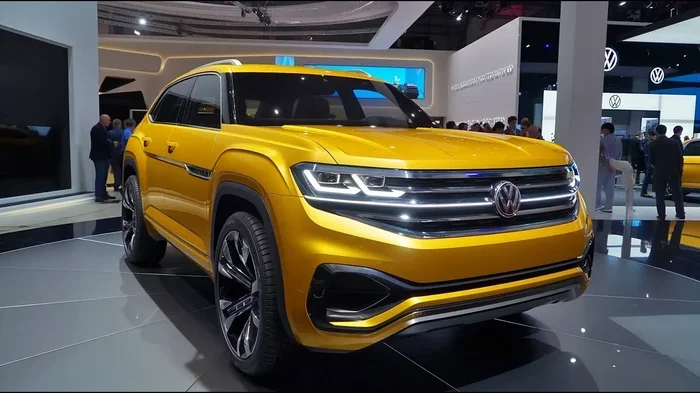
The rise of the SUV is the single biggest factor in the minivan sales drop. Over the past twenty years, SUVs have transformed from bulky, gas-guzzling beasts into sleek, efficient family machines. Today’s SUVs offer nearly everything a minivan does, but with a more attractive image.
Three-row SUVs now dominate the family vehicle segment. Models like the Toyota Highlander, Kia Telluride, and Ford Explorer give families plenty of seating and cargo room. They also look more rugged and adventurous on the road.
Here is why SUVs are winning:
- Better brand image: SUVs feel more modern and stylish.
- Higher driving position: Drivers feel more in control and safer.
- Off-road capability: Many SUVs can handle light trails and rough roads.
- Social status: Driving an SUV carries a different perception than a minivan.
Crossovers, which are car-based SUVs, have also exploded in popularity. They offer the best of both worlds: the space of an SUV with the handling of a car. This has made them a top choice for families who once would have bought a minivan.
Minivan Design Has Fallen Behind
While car companies were busy making SUVs look sporty and exciting, minivan designs barely changed. For years, minivans looked like oversized boxes on wheels. They were functional but lacked the visual appeal that modern buyers want.
Some newer minivans have improved in design. The Chrysler Pacifica, for example, has a sleeker look and modern interior. But the overall minivan lineup still lags behind SUVs in design innovation. Buyers notice this when they walk onto a lot.
Interior design also matters. Modern SUVs feature premium materials, large touchscreens, and advanced driver-assistance features. Minivans have added these too, but they often feel like afterthoughts rather than design priorities.
Consumer Preferences Are Shifting
What people want in a family vehicle has changed. Today’s buyers care about more than just seating capacity. They want a vehicle that fits their lifestyle and identity. This shift in consumer vehicle preferences has hurt minivan sales significantly.
Younger families, in particular, prefer SUVs and crossovers. They grew up watching SUV ads on TV and see them as the default family vehicle. Minivans do not have the same cool factor or cultural presence.
Also, many buyers now use their vehicles for more than just commuting. They want something that can handle road trips, outdoor adventures, and daily errands. SUVs and trucks fit this lifestyle better in the eyes of most shoppers.
What Replaces Minivans for Families
Three-Row SUVs: The Top Minivan Alternative
If you need seating for seven or eight people, a three-row SUV is the most popular replacement for a minivan. These vehicles offer spacious cabins, sliding rear doors on some models, and strong towing capability.
Here are some of the best three-row SUVs on the market right now:
- Toyota Highlander: Reliable, comfortable, and holds its value well.
- Kia Telluride: Award-winning design with lots of standard features.
- Chevrolet Traverse: One of the most spacious SUVs in its class.
- Ford Explorer: Strong performance and modern tech.
- Hyundai Palisade: Upscale feel with excellent safety ratings.
These SUVs do not quite match a minivan’s interior flexibility, but they come very close. For most families, the trade-off in image and driving feel is worth it.
Crossovers for Smaller Families
Families with five or fewer passengers often turn to mid-size crossovers instead of minivans. These vehicles are more affordable, easier to park, and still offer decent cargo space.
Popular crossover choices include the Honda CR-V, Toyota RAV4, and Mazda CX-50. They are practical, fuel-efficient, and available in both gas and hybrid versions. For many buyers, a crossover hits the sweet spot between size and convenience.
Large Pickup Trucks and Crew Cabs
You might be surprised to learn that some families are turning to full-size trucks instead of minivans. Crew cab trucks like the Ram 1500 and Ford F-150 offer massive interior space and towing power. They are not the most fuel-efficient choice, but they work well for families who need versatility.
Trucks also carry a strong cultural appeal. They signal capability and strength, which resonates with many buyers. This is another reason why minivan market share continues to shrink.
Minivans vs SUVs: A Side-by-Side Comparison
It helps to compare minivans and SUVs directly. Here is a quick look at how they stack up:
| Feature | Minivan | Three-Row SUV |
|---|---|---|
| Seating Capacity | 7-8 passengers | 7-8 passengers |
| Cargo Space | Excellent, flat floors | Good, but uneven floors |
| Fuel Economy | Better on average | Slightly lower |
| Driving Position | Lower, car-like | Higher, commanding view |
| Image and Style | Seen as practical but bland | Seen as modern and rugged |
| Pricing | Often more affordable | Slightly higher in some cases |
| Towing Capacity | Moderate | Strong |
As you can see, minivans still win in several key areas. But image and driving feel give SUVs the edge in the minds of most buyers. This gap in perception is a huge driver of the minivan sales decline.
Are Minivans Still Worth Buying?
Where Minivans Still Shine
Do not count minivans out just yet. They still offer some real advantages that SUVs cannot match. For large families who prioritize function over image, a minivan can still be the best choice.
Here is where minivans still excel:
- Interior space: Minivans have more flat, configurable floor space than any SUV.
- Sliding doors: Easy access in tight parking spots is a huge plus.
- Fuel economy: Minivans generally get better gas mileage than comparable SUVs.
- Ride comfort: Minivans ride smoother and feel more like a car than an SUV.
- Value: Minivans often cost less than similarly equipped SUVs.
The Chrysler Pacifica Hybrid, for example, offers outstanding fuel economy and a premium interior. It proves that minivans can still be exciting and modern. But it is an uphill battle when the entire market is moving toward SUVs.
The Minivan’s Niche Future
Minivans are likely to become a smaller and smaller part of the market. They will always have a loyal following among practical, no-nonsense buyers. But for the mainstream, the minivan era may be coming to a close.
Automakers are slowly shifting their focus. Fewer new minivan models are being developed. Instead, companies are investing heavily in SUVs and electric vehicles. This trend will only accelerate the decline in minivan popularity over the next decade.
Expert Insights on the Minivan Decline
Automotive analysts point to several factors driving the minivan sales drop. First, the SUV boom has reshaped the entire automotive landscape. When gas prices were low in the 2010s, buyers flocked to bigger vehicles. Minivans lost ground during this period and never fully recovered.
Second, car companies stopped investing in minivans. Fewer models mean less innovation, which means fewer reasons for buyers to choose a minivan. The family vehicle market has become an SUV-dominated space, and minivans are struggling to find their place.
Third, lifestyle branding plays a massive role. Car buyers today are not just buying transportation. They are buying an identity. SUVs and trucks fit a more adventurous, active lifestyle narrative. Minivans do not fit that story as well.
Quick Tips if You Are Still Considering a Minivan
If you are thinking about buying a minivan despite the trends, here are some quick tips to help you make the best choice:
- Test drive multiple models: The Chrysler Pacifica and Toyota Sienna are very different. Try them both.
- Consider a hybrid: Hybrid minivans offer excellent fuel economy for long family trips.
- Look at resale value: Minivans tend to hold value well if you keep them maintained.
- Focus on family needs: If you regularly carry six or more people, a minivan’s space is hard to beat.
- Compare total cost of ownership: Minivans are often cheaper to buy and maintain than large SUVs.
Common Mistakes Buyers Make When Replacing a Minivan
Families who are leaving the minivan world sometimes make mistakes. Here are a few to avoid:
- Choosing a vehicle based on looks alone: Style matters, but do not ignore practicality.
- Overlooking cargo needs: Make sure the replacement vehicle fits your gear and lifestyle.
- Ignoring fuel costs: Bigger vehicles cost more to fuel over time.
- Skipping the test drive: Always test drive before committing to a purchase.
- Assuming all three-row SUVs are the same: They vary widely in space, comfort, and features.
Conclusion
The minivan sales decline is one of the clearest trends in the automotive industry today. Buyers are choosing SUVs, crossovers, and trucks over minivans in record numbers. The reasons are a mix of image, design, and shifting consumer preferences.
That said, minivans are not dead. They still offer unmatched practicality for large families. But the market has spoken, and SUVs are now the dominant family vehicle. If you are in the market for a family hauler, it is worth considering both options carefully.
Ultimately, the best vehicle is the one that fits your family’s needs. Whether that is a minivan or an SUV, the choice is yours. Just make sure you understand the trade-offs before you sign on the dotted line.
Frequently Asked Questions
Why are minivan sales dropping so fast?
Minivan sales are dropping because buyers are shifting toward SUVs and crossovers that offer a similar family-hauling experience with a better image. The minivan stigma, combined with automakers investing less in minivan development, has accelerated the decline significantly.
What is the best SUV replacement for a minivan?
The Toyota Highlander, Kia Telluride, and Hyundai Palisade are among the best three-row SUVs that replace minivans. They offer seating for seven or eight, strong safety ratings, and modern features that rival what minivans provide.
Are minivans still practical compared to SUVs?
Yes, minivans are still more practical in terms of interior space, cargo flexibility, and fuel economy. They also offer sliding doors that make loading passengers easier. However, SUVs have closed the gap in many areas and offer a more appealing image.
Will minivans make a comeback in the future?
A full comeback is unlikely, but minivans will always have a niche following among practical, large families. Automakers may refresh existing models, but major investment in new minivans is rare in today’s SUV-dominated market.
How do minivans compare to three-row SUVs in fuel economy?
Minivans generally get better fuel economy than comparable three-row SUVs. Hybrid minivan models like the Chrysler Pacifica Hybrid and Toyota Sienna lead the way in efficiency, making them a smart choice for families who drive long distances.
Why do people feel embarrassed to drive a minivan?
The minivan has been culturally associated with being uncool or boring for decades. Car companies have struggled to shake this image, and many buyers choose SUVs instead to align with a more adventurous or stylish lifestyle identity.