Can a Head Gasket Cause a Car to Overheat Find Out
Can a head gasket cause a car to overheat? Absolutely yes. A damaged or blown head gasket allows coolant to leak and combustion gases to escape, which throws your engine temperature way out of balance. When the head gasket fails, your cooling system can’t do its job, and overheating follows fast. In this guide, you will learn exactly how a bad head gasket leads to overheating, what warning signs to watch for, and how to fix it before serious engine damage happens.
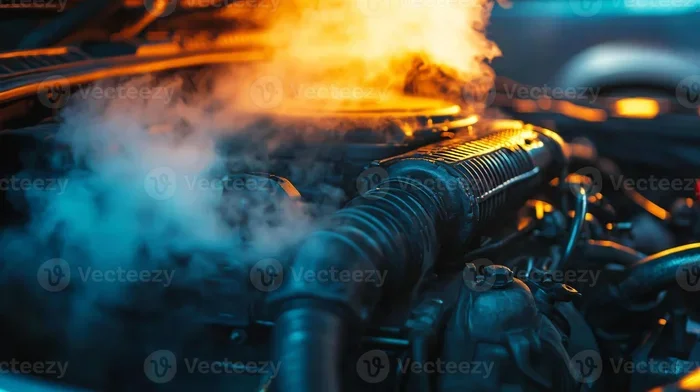
You are driving down the road, and suddenly the temperature gauge spikes. Steam rises from under the hood, and your heart drops. What went wrong? One of the most common culprits behind engine overheating is a blown head gasket. But can a head gasket cause a car to overheat in ways you might not expect? The answer is yes, and it goes deeper than most people realize.
Your head gasket is a small, unassuming part. It sits between the engine block and the cylinder head, doing a huge job. It seals the combustion chambers, keeps coolant flowing where it should, and prevents oil from mixing with other fluids. When this seal breaks, your entire engine suffers. Overheating is just the beginning of the problems.
In this article, we will walk through everything you need to know about head gasket failure and engine overheating. You will learn what the head gasket does, how it fails, what signs to look for, and how to fix it. Whether you are a DIY mechanic or just someone who wants to understand their car better, this guide has you covered.
Key Takeaways
- A blown head gasket is one of the most common reasons a car overheats. It breaks the seal between the engine block and cylinder head.
- Early warning signs include white smoke from the exhaust, coolant loss, and bubbles in the radiator. Catching these fast saves you money.
- Head gasket failure can be caused by overheating itself, engine wear, or poor maintenance. It often becomes a cycle of damage.
- Diagnosis involves simple tests like a compression test and a coolant pressure check. You can do some of these at home.
- Fixing a blown head gasket costs between $1,000 and $2,500 on average. But DIY repair is possible for skilled mechanics.
- Prevention is always better than repair. Regular coolant checks and engine maintenance keep your head gasket healthy.
📑 Table of Contents
- What Does a Head Gasket Actually Do?
- How a Faulty Head Gasket Leads to Engine Overheating
- Warning Signs Your Head Gasket Is Failing
- Common Causes of Head Gasket Failure
- How to Diagnose a Head Gasket Problem
- Fixing and Preventing Head Gasket Problems
- Can a Head Gasket Cause a Car to Overheat? The Bottom Line
What Does a Head Gasket Actually Do?
The head gasket might be small, but its role is enormous. Think of it as the gasket between the engine block and the cylinder head. It creates a tight seal that keeps three critical systems separate. These are the combustion chamber, the coolant passages, and the oil passages.
The Sealing Role of the Head Gasket
Inside your engine, combustion happens at extremely high temperatures and pressures. The head gasket keeps those explosive forces contained within the cylinders. Without a proper seal, combustion gases would escape, and your engine would lose power. The head gasket also ensures that coolant flows through the engine block and head without leaking into the cylinders or oil system.
On top of that, the head gasket prevents engine oil from mixing with coolant. Oil and coolant should never meet. When they do, it creates a sludgy mess that lubricates poorly and causes even more damage. A healthy head gasket keeps all of these fluids and gases exactly where they belong.
Why the Head Gasket Is Under So Much Stress
Your engine operates in extreme conditions. Temperatures inside the combustion chamber can reach over 2,000 degrees Fahrenheit. The head gasket endures constant heat cycling, high pressure, and the corrosive nature of coolant and oil. Over time, this stress takes a toll. The gasket material degrades, and eventually, it can fail.
This is why overheating and head gasket failure often go hand in hand. When an engine runs too hot, the head gasket weakens faster. And a weakened head gasket makes the engine more likely to overheat. It becomes a dangerous cycle that can destroy your engine if you do not address it quickly.
How a Faulty Head Gasket Leads to Engine Overheating
Now let us get to the core question. How exactly does a blown head gasket cause a car to overheat? There are several clear paths from gasket failure to overheating, and understanding them helps you spot the problem early.
Coolant Leaks Caused by Head Gasket Failure
The most direct way a bad head gasket causes overheating is through coolant loss. When the gasket fails, it can create a hole or gap in the coolant passage. Coolant leaks out, either internally or externally. As the coolant level drops, the engine has less fluid to absorb and carry away heat. The temperature rises fast.
You might notice coolant disappearing from the reservoir without any visible external leak. This is a classic sign of an internal head gasket leak. The coolant is escaping into the combustion chamber or mixing with the engine oil. Either way, your cooling system loses the fluid it needs to function.
Combustion Gases Entering the Cooling System
Another serious problem happens when combustion gases push through a failed head gasket into the cooling system. These hot gases raise the pressure inside the coolant passages. The cooling system is designed to handle a specific pressure range. When combustion gases enter, the pressure spikes, and the coolant boils at a lower temperature. This causes overheating even if the coolant level looks normal.
You might see bubbles rising in the radiator or coolant reservoir. This is a telltale sign that combustion gases are leaking into the cooling system. Do not ignore this symptom. It almost always points to a head gasket problem.
Loss of Compression and Excess Heat
A blown head gasket can also cause compression loss between cylinders. When the seal between cylinders breaks, hot combustion gases escape into adjacent cylinders or the cooling system. This uncontrolled heat release raises the overall engine temperature. The engine runs hotter than it was designed to, and overheating follows.
Some drivers also notice rough idling or misfires when the head gasket fails. These symptoms happen because the combustion process is disrupted. The engine struggles to burn fuel efficiently, and excess heat builds up as a result.
Warning Signs Your Head Gasket Is Failing
catching a failing head gasket early can save you from a full engine replacement. Here are the most common signs that your head gasket is going bad.
White Smoke From the Exhaust
One of the most recognizable signs of a blown head gasket is white smoke from the exhaust. This happens when coolant leaks into the combustion chamber and burns along with fuel. The smoke looks thick and sweet-smelling. It is different from normal exhaust vapor, which is thin and disappears quickly.
If you see white smoke coming from your tailpipe, especially on a cold morning that does not go away, get your head gasket checked. This is a strong indicator that coolant is entering the cylinders.
Coolant Loss Without Visible Leaks
Do you keep topping off your coolant, but you cannot find where it is going? This is a classic head gasket symptom. When the gasket fails internally, coolant escapes into the combustion chamber or mixes with oil. You lose coolant without any obvious puddle under your car.
Check your coolant reservoir regularly. If you find yourself refilling it more often than usual, this is a red flag. A coolant system pressure test can confirm whether the loss is internal or external.
Overheating That Comes and Goes
A failing head gasket can cause intermittent overheating. Your temperature gauge might spike on hot days or during heavy driving, then settle back down. This happens because the gasket failure worsens under heat and pressure. As conditions change, the leak size changes too.
Do not assume that intermittent overheating is normal. It is almost always a sign of an underlying problem. Address it before the head gasket fails completely.
Milky Oil or Coolant Residue
When coolant mixes with engine oil, the oil takes on a milky, frothy appearance. Check your dipstick or oil cap. If the oil looks like a chocolate milkshake, coolant has entered the oil system. This is a serious sign of head gasket failure.
Similarly, you might find a brown, oily residue floating on top of your coolant. This means oil is leaking into the cooling system. Both conditions require immediate attention. Running an engine with oil and coolant mixed causes rapid wear and can seize the engine.
Common Causes of Head Gasket Failure
Understanding why head gaskets fail helps you prevent it from happening. Several factors contribute to head gasket breakdown, and most are tied to how you maintain your engine.
Engine Overheating
The number one cause of head gasket failure is engine overheating. When your engine runs too hot for too long, the cylinder head and engine block expand unevenly. This warping puts immense stress on the head gasket. The gasket cannot maintain its seal, and it starts to leak.
Overheating can be caused by a faulty thermostat, a broken water pump, a clogged radiator, or low coolant. Any of these issues, left unchecked, will eventually lead to head gasket failure. This is why it is so important to address overheating the moment you notice it.
Age and Mileage Wear
Head gaskets do not last forever. Most head gaskets are designed to last around 100,000 miles or more, but age and mileage take their toll. The gasket material compresses over time and loses its ability to seal properly. Older vehicles with high mileage are more vulnerable to head gasket failure.
If you drive an older car, stay on top of your cooling system maintenance. Fresh coolant, a working thermostat, and regular radiator flushes help extend the life of your head gasket.
Improper Installation or Repair
Sometimes head gasket failure happens because of poor installation. If the cylinder head bolts are not torqued to the correct specification, the gasket seal is compromised. Uneven bolt tightening can warp the cylinder head, creating leaks even with a brand-new gasket.
This is why it matters to have head gasket work done by a qualified mechanic. Proper torque sequences and surface preparation are essential for a lasting seal.
Engine Hot Spots and Design Flaws
Some engines are simply more prone to head gasket problems than others. Certain engine designs create hot spots between cylinders, where temperatures are higher than the rest of the engine. These hot spots stress the head gasket more than other areas, leading to premature failure.
Automakers sometimes learn about these design flaws after the fact. If your vehicle model is known for head gasket issues, stay extra vigilant with cooling system maintenance and watch for early warning signs.
How to Diagnose a Head Gasket Problem
If you suspect your head gasket is failing, several tests can confirm the problem. Some you can do yourself, and others require a professional mechanic.
The Cooling System Pressure Test
A cooling system pressure test is one of the most reliable ways to check for head gasket leaks. A mechanic attaches a pressure tester to the radiator or coolant reservoir and pumps the system up to its normal operating pressure. If the pressure drops, there is a leak somewhere. A head gasket leak will show up as pressure loss without any visible external leak.
You can buy a basic cooling system pressure tester at most auto parts stores. If you are handy, you can do this test yourself. It takes about 15 minutes and can save you hundreds of dollars in diagnostic fees.
Combustion Leak Test (Block Test)
A combustion leak test, also called a block test, checks for exhaust gases in the coolant. The tester uses a special fluid that changes color when it comes into contact with combustion gases. You hold the tester over the radiator neck with the engine running. If the fluid turns yellow or green, exhaust gases are present in the coolant, which strongly indicates a head gasket breach.
This test is very accurate and inexpensive. Many auto parts stores will do it for free or for a small fee. It is one of the best first steps when diagnosing overheating issues.
Compression Test
A compression test measures the pressure inside each cylinder. If one or more cylinders show lower compression than the others, the head gasket may be failing between cylinders. A compression tester screws into the spark plug hole, and you crank the engine to get readings for each cylinder.
Uneven compression readings are a strong sign of head gasket failure. If two adjacent cylinders show low and similar compression, the gasket between them has likely blown.
Visual Inspection of Coolant and Oil
Sometimes the simplest checks tell the most. Look at your coolant. Does it have oil floating on top or a milky appearance? Check your oil dipstick. Does the oil look like chocolate milk? These visual cues point strongly to a head gasket leak.
Also inspect the outside of the engine for coolant residue or white, chalky deposits. These can indicate where coolant is seeping out from a failed gasket.
Fixing and Preventing Head Gasket Problems
Once you know your head gasket is failing, the next question is how to fix it and how to prevent it from happening again.
Head Gasket Replacement Cost and Process
Replacing a head gasket is a significant repair. The average cost ranges from $1,000 to $2,500, depending on the vehicle and labor rates. The gasket itself is relatively cheap, often under $100. The real cost comes from labor, because the mechanic must remove the cylinder head, clean the surfaces, and reassemble everything.
In some cases, the cylinder head may need to be resurfaced or even replaced if it has warped. This adds to the overall cost. If the engine has overheated severely, other components like the thermostat, water pump, or radiator may also need attention during the repair.
Can You Use a Head Gasket Sealant?
Some drivers turn to head gasket sealant products as a quick fix. These products are poured into the coolant system and claim to seal small leaks. They can work for minor head gasket issues, but they are not a permanent solution.
Think of sealant as a temporary band-aid. It might get you to a repair shop, but it will not fix a major head gasket failure. Overuse of sealant can also clog your cooling system and cause more problems down the road.
Prevention Tips to Protect Your Head Gasket
The best way to deal with a blown head gasket is to prevent it from happening in the first place. Here are some practical steps you can take.
- Check your coolant level regularly. Low coolant is one of the fastest paths to overheating and head gasket failure.
- Flush your cooling system on schedule. Old coolant becomes acidic and corrosive, which damages the head gasket over time.
- Watch your temperature gauge. If it starts climbing, pull over and let the engine cool. Continuing to drive while overheating is the fastest way to blow a head gasket.
- Replace your thermostat when needed. A stuck thermostat can cause overheating that leads to head gasket failure.
- Use the right coolant for your vehicle. Mixing coolant types or using the wrong one can cause chemical reactions that degrade the gasket.
- Address overheating immediately. Do not ignore the temperature warning light or steam from under the hood.
Can a Head Gasket Cause a Car to Overheat? The Bottom Line
The answer to “can a head gasket cause a car to overheat” is a definitive yes. A blown or failing head gasket disrupts your cooling system in multiple ways. It causes coolant leaks, allows combustion gases into the cooling passages, and leads to loss of compression. All of these problems push your engine temperature higher and higher.
The good news is that catching the problem early can save you from catastrophic engine damage. If you notice white smoke from the exhaust, unexplained coolant loss, or overheating that comes and goes, get your vehicle inspected right away. A simple block test or pressure test can confirm whether the head gasket is the culprit.
Regular maintenance is your best defense against head gasket failure. Keep your coolant fresh, your cooling system in good shape, and your engine temperature in the normal range. These simple habits go a long way toward keeping your head gasket healthy and your engine running cool for years to come.
Frequently Asked Questions
How long can you drive with a blown head gasket?
You should not drive at all with a blown head gasket. Continuing to drive causes the engine to overheat repeatedly, which leads to warped cylinder heads, cracked engine blocks, and even complete engine failure. Even a short drive can cause irreversible damage. Tow the vehicle to a repair shop instead.
Is it worth replacing a head gasket on an older car?
It depends on the overall condition of the vehicle. If the car is otherwise in good shape and has a solid body and transmission, a head gasket replacement is usually worth the cost. However, if the vehicle has high mileage and other major issues, the repair cost might not make financial sense. A mechanic can help you evaluate the overall value of the car.
Can low coolant cause a head gasket to blow?
Yes, low coolant is one of the leading causes of head gasket failure. When coolant levels drop too low, the engine cannot regulate its temperature properly. Overheating weakens the head gasket and eventually causes it to fail. Always keep your coolant at the proper level and address any coolant loss immediately.
Does a head gasket sealer really work?
Head gasket sealers can work for very minor leaks, but they are not a reliable long-term fix. They work by clogging the small leak paths with fibrous material. For small seepage, this might hold temporarily. For a major blowout, sealer will not solve the problem and can clog your cooling system, making things worse.
What happens if you ignore a blown head gasket?
Ignoring a blown head gasket leads to escalating engine damage. Coolant enters the cylinders and washes away the oil coating on cylinder walls, causing increased wear. Combustion gases enter the cooling system, which can cause the radiator cap to fail or the radiator to overflow. Eventually, the engine can seize or crack, requiring a full engine replacement.
Can a head gasket fail without the car overheating?
Yes, a head gasket can fail gradually without causing obvious overheating at first. Small leaks may only allow coolant to seep into the oil system or combustion chamber slowly. You might notice oil contamination or slight coolant loss before any temperature spike. This is why regular fluid checks are so important for catching head gasket problems early.
=== CONCLUSION ===
Can a head gasket cause a car to overheat? The answer is yes, and it is one of the most common reasons engines overheat. A failed head gasket breaks the seal that keeps your cooling system and combustion chambers working properly. Coolant leaks, combustion gas intrusion, and compression loss all contribute to rising engine temperatures. Catching the problem early with the right diagnostic tests can save you thousands of dollars in repair costs. Regular maintenance, coolant checks, and paying attention to warning signs like white exhaust smoke or unexplained coolant loss go a long way in preventing head gasket failure. Take care of your head gasket, and your engine will stay cool and reliable for the long haul.