What to Do When Your Car Overheats and Then Shuts Off
When your car overheats and then shuts off, it is a serious warning sign that should never be ignored. This usually happens because your engine’s cooling system has failed, causing the motor to seize or trigger a safety shutdown. Understanding the causes, knowing the right steps to take, and acting quickly can save you from costly repairs and keep you safe on the road.
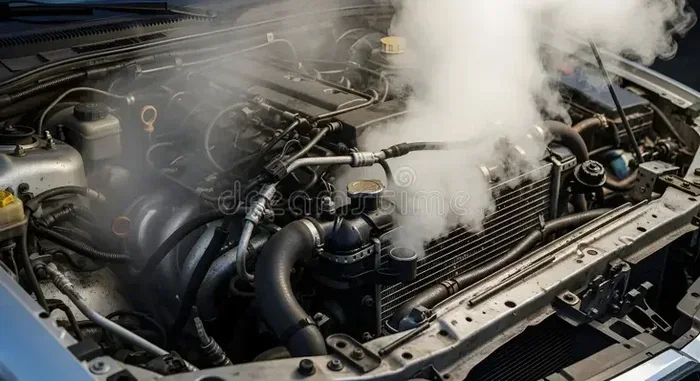
There is nothing more frightening than driving along and suddenly seeing steam billow from under your hood. Your car overheats, the engine dies, and you are left on the side of the road wondering what just happened. This is a scary moment for any driver, but knowing what to do can make all the difference.
When your car overheats and then shuts off, it is usually a sign that something in the cooling system has gone wrong. The engine has reached a dangerous temperature, and the vehicle shut itself down to prevent catastrophic damage. While this situation is stressful, the right response can protect both you and your car.
In this guide, we will walk you through exactly what to do step by step. We will also cover the most common reasons this happens and how to prevent it from occurring again. Whether you are dealing with this right now or just want to be prepared, this article has you covered.
Key Takeaways
- Turn off the engine immediately: Continuing to drive an overheating car can cause permanent engine damage.
- Check coolant levels and look for leaks: Low coolant is one of the most common reasons a car overheats and shuts off.
- Do not open the radiator cap right away: Pressurized hot coolant can cause serious burns.
- Call for roadside assistance if needed: Towing is safer than pushing a car that has overheated and shut down.
- Know the common causes: Thermostat failure, water pump issues, and radiator problems are top culprits.
- Prevent future overheating: Regular maintenance of your cooling system can save you from this stressful situation.
📑 Table of Contents
- Immediate Steps to Take When Your Car Overheats and Shuts Off
- Common Reasons a Car Overheats and Then Shuts Off
- What Happens When an Engine Overheats and Shuts Off
- How to Prevent Your Car From Overheating Again
- Overheating Car Repair: What to Expect Cost-Wise
- Quick Tips to Remember
- Common Mistakes People Make When Their Car Overheats
- Expert Insights: What Mechanics Wish You Knew
- When to Replace Your Car Instead of Repairing It
- Conclusion
Immediate Steps to Take When Your Car Overheats and Shuts Off
Your first reaction matters a lot when your engine overheats and dies. Panic can lead to bad decisions that make things worse. Follow these steps to stay safe and protect your vehicle.
Step 1: Pull Over Safely and Turn Off the Engine
As soon as you notice the temperature gauge climbing into the red zone, find a safe place to pull over. Turn on your hazard lights and coast to the side of the road or a parking lot. Once you are stopped, turn off the engine completely.
Do not try to keep driving. Even a few more seconds of driving with an overheating engine can cause the head gasket to fail or warp the engine block. The cost of these repairs can be thousands of dollars, and in some cases, the engine may need to be replaced entirely.
Step 2: Wait for the Engine to Cool Down
After shutting off the engine, give it at least 15 to 30 minutes to cool down. Do not attempt to open the hood immediately. The engine, radiator, and surrounding components will be extremely hot, and steam or hot coolant can cause severe burns.
Use this waiting time to assess your surroundings. Are you in a safe location? Do you need to call for help? If you are on a highway or in a dangerous spot, stay in your car with your seatbelt on until it is safe to exit.
Step 3: Check the Coolant Level
Once the engine has cooled, you can carefully open the hood. Look at the coolant reservoir, which is usually a translucent plastic tank near the radiator. If the coolant level is very low or empty, you have found a likely cause of the overheating.
However, do not open the radiator cap itself. The cooling system is pressurized, and opening it while hot can cause a burst of scalding coolant to spray out. Only check the overflow reservoir or the radiator cap after the engine has fully cooled.
Step 4: Look for Visible Leaks
While you have the hood open, take a good look under the car. Do you see any puddles or drips? Coolant leaks often appear as green, orange, or pinkish puddles on the ground. You might also notice a sweet smell coming from the engine area.
Common leak points include the radiator hoses, the water pump, the radiator itself, and the heater core. If you see a leak, your car needs professional attention before you drive it again.
Step 5: Call for Roadside Assistance
If you are not sure what caused the overheating or if you cannot fix the problem yourself, call for roadside assistance or a tow truck. Driving an overheating car that has already shut off can cause further damage to the engine.
Have your car towed to a trusted mechanic or auto repair shop. Explain what happened so they can diagnose the issue properly. This is always better than trying to limp the car to a nearby garage on your own.
Common Reasons a Car Overheats and Then Shuts Off
Understanding why your car overheated in the first place helps you avoid the same problem in the future. Here are the most common causes of engine overheating and shutdown.
Low Coolant Level
Coolant, also called antifreeze, is the fluid that absorbs heat from your engine and carries it away through the radiator. When the coolant level drops too low, the engine cannot regulate its temperature properly.
Low coolant usually happens because of a leak somewhere in the cooling system. Over time, hoses can crack, the radiator can develop pinhole leaks, or the water pump seal can wear out. Even a small leak can lead to a complete loss of coolant if it is not addressed quickly.
Thermostat Failure
The thermostat is a small valve that controls the flow of coolant through the engine. When the engine is cold, the thermostat stays closed to help it warm up faster. When the engine reaches operating temperature, the thermostat opens to allow coolant to circulate.
If the thermostat gets stuck in the closed position, coolant cannot flow through the radiator to cool down. This causes the engine temperature to rise rapidly, often leading to overheating and shutdown. Thermostat replacement is usually a simple and affordable repair.
Water Pump Breakdown
The water pump is the heart of your cooling system. It pushes coolant through the engine block, hoses, and radiator to keep temperatures in check. When the water pump fails, coolant stops moving, and the engine heats up very quickly.
Water pump failures can happen because of worn bearings, corroded impellers, or leaking seals. Some cars have water pumps driven by the serpentine belt, so a broken belt can also stop the pump from working. Signs of a failing water pump include coolant leaks near the front of the engine and whining noises.
Radiator Problems
The radiator is responsible for releasing heat from the coolant into the air. If the radiator becomes clogged, damaged, or clogged with debris, it cannot do its job effectively. This leads to a buildup of heat in the engine.
Radiator issues can range from a clogged internal passageway to a bent or damaged fin that reduces airflow. In older cars, radiator corrosion is a common problem that eventually leads to leaks and overheating.
Head Gasket Failure
A head gasket sits between the engine block and the cylinder head. It seals the combustion chambers and prevents coolant and oil from mixing. When a head gasket fails, hot combustion gases can enter the cooling system, causing the engine to overheat.
Head gasket failure is one of the more serious causes of overheating. It often happens when a car has been running hot for too long without intervention. Symptoms include white smoke from the exhaust, a milky appearance under the oil cap, and bubbles in the coolant reservoir.
Cooling Fan Malfunction
Your car’s cooling fan helps pull air through the radiator when you are driving slowly or idling. If the fan motor, fan relay, or fan fuse fails, the radiator cannot cool the coolant effectively, especially in stop-and-go traffic.
You might notice the fan not coming on when the engine gets hot, or you might hear a clicking sound from the fan area. A malfunctioning cooling fan is a common cause of overheating in city driving but less of an issue at highway speeds where natural airflow does the work.
What Happens When an Engine Overheats and Shuts Off
When your car overheats and shuts off, the engine has triggered a safety mechanism. Modern vehicles have sensors that monitor engine temperature. When the temperature exceeds safe limits, the engine control unit (ECU) will shut down the engine to prevent further damage.
But what kind of damage can already be done? Let us look at some of the potential consequences.
Warped Cylinder Head
Excessive heat causes metal to expand. The cylinder head, which sits on top of the engine block, can warp when exposed to extreme temperatures. A warped head gasket surface leads to poor compression, loss of power, and coolant leaks into the combustion chambers.
Cracked Engine Block
In severe cases, the engine block itself can crack from extreme overheating. A cracked block allows coolant to leak into the oil passages or combustion chambers. This type of damage often requires a full engine replacement or a very expensive block repair.
Damaged Piston Rings and Bearings
When an engine runs too hot, the metal parts expand beyond their normal tolerances. Piston rings can scuff, and bearings can fail due to the thinning of engine oil at high temperatures. This leads to increased friction, knocking sounds, and eventually engine seizure.
How to Prevent Your Car From Overheating Again
The good news is that most overheating problems can be prevented with regular maintenance and attention. Here are some practical steps you can take to keep your engine running at the right temperature.
Check Your Coolant Regularly
Make it a habit to check your coolant level once a month. The coolant reservoir has minimum and maximum markings that make it easy to see if the level is where it should be. If you need to top off the coolant, use the type recommended by your car manufacturer.
Never just add water as a permanent replacement for coolant. Water does not have the same heat-resistant properties and can lead to corrosion inside the cooling system over time. Use a proper coolant mixture for the best protection.
Inspect Hoses and Belts
Coolant hoses and serpentine belts are rubber components that wear out over time. Have your mechanic inspect them during every oil change or service visit. Look for cracks, swelling, or soft spots in the hoses, and listen for squealing sounds from the belts.
Replacing a worn hose or belt is much cheaper than dealing with the consequences of a sudden failure. A few dollars in preventive maintenance can save you hundreds in repair bills.
Keep the Radiator Clean
Your radiator can collect dirt, bugs, and debris on the front grille, which blocks airflow and reduces cooling efficiency. Rinse the radiator fins gently with a hose from the front of the car. Be careful not to bend the delicate fins, as this can restrict airflow even more.
Some car owners also benefit from a radiator flush every two to three years. This removes built-up sediment and rust that can clog the internal passages and reduce cooling performance.
Monitor Your Temperature Gauge
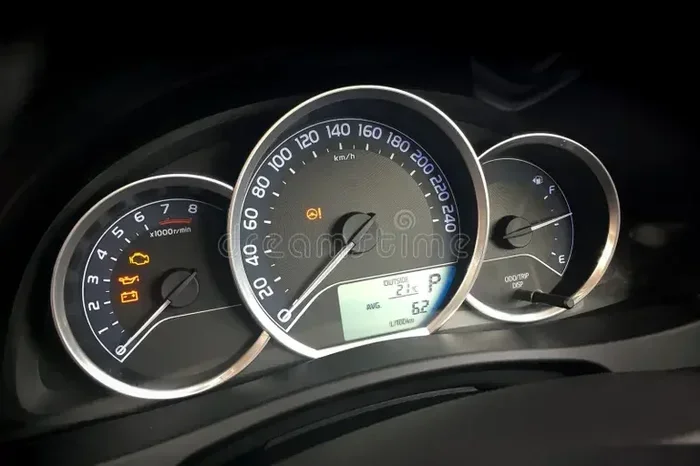
Keep an eye on your temperature gauge while driving. It should normally sit in the middle of the gauge. If you notice it creeping toward the hot zone, pull over and check for problems early before they escalate.
Many drivers ignore the temperature gauge until something obvious happens, like steam or a warning light. Staying proactive and watching the gauge can help you catch small issues before they turn into big, expensive problems.
Address Warning Signs Promptly
Your car often gives you warning signs before a full overheating event. These can include a slightly high temperature reading, a sweet smell inside the cabin, reduced heater performance, or a puddle of coolant under the car when parked.
Do not ignore these signs. Getting a quick inspection when you first notice something unusual can prevent a minor repair from turning into a major one. Early detection is the key to keeping your engine healthy and avoiding unexpected breakdowns.
Overheating Car Repair: What to Expect Cost-Wise
The cost of fixing an overheating car depends entirely on what caused the problem. Some repairs are affordable and straightforward, while others can be quite expensive. Here is a general overview of what you might expect.
Replacing a thermostat is one of the least expensive repairs, usually ranging from 150 to 300 dollars. A coolant flush and refill is similarly affordable. Water pump replacement can cost between 300 and 750 dollars depending on the vehicle.
More serious repairs like a radiator replacement can run from 300 to 900 dollars. A head gasket repair is one of the pricier fixes, often costing between 1,000 and 2,000 dollars because of the labor involved. And if the engine block is cracked or the engine has seized, a full engine replacement can cost anywhere from 3,000 to 7,000 dollars or more.
The takeaway here is clear: early action saves money. The sooner you address an overheating problem, the less it will cost to fix.
Quick Tips to Remember
- Keep a bottle of coolant in your trunk for emergencies.
- Never open the radiator cap when the engine is hot.
- Turn the heater to full blast if your car starts to overheat. This can help pull heat away from the engine temporarily.
- Carry a portable temperature gauge if you drive an older car without a working dashboard gauge.
- Know where your coolant reservoir is before you ever need it.
- Keep a trusted mechanic’s number saved in your phone for quick access during emergencies.
Common Mistakes People Make When Their Car Overheats
When panic sets in, drivers often make mistakes that make the situation worse. Here are some common errors to avoid.
Continuing to Drive
Some drivers try to push through the heat and keep going, thinking they can make it to the next exit. This is the worst thing you can do. Driving an overheating engine can turn a small repair into a complete engine replacement.
Adding Cold Water to a Hot Engine
Pouring cold water into a hot engine can cause the metal to contract suddenly, leading to cracks in the engine block or cylinder head. Always wait for the engine to cool down before adding any coolant or water.
Ignoring the Problem
Some people top off the coolant and drive away without ever figuring out what caused the overheat. This is a dangerous habit. The underlying issue will almost certainly cause the same problem again, often at the worst possible time.
Expert Insights: What Mechanics Wish You Knew
Experienced auto mechanics see overheating problems all the time, and they have some valuable advice for drivers.
“The number one thing I tell customers is this: do not ignore the temperature gauge,” says Mark Stevens, a certified master mechanic with over 20 years of experience. “Most people only look at the gauge when the light comes on, but by then, the damage may already be done. Check it regularly and pull over at the first sign of trouble.”
Another common piece of advice from professionals is to pay attention to your coolant’s condition. Coolant breaks down over time and loses its effectiveness. Fresh coolant not only cools better but also protects the internal components from corrosion and scale buildup.
Mechanics also recommend using a quality coolant that meets your vehicle’s specifications. Not all coolants are the same, and mixing incompatible types can cause chemical reactions that clog the cooling system and lead to overheating.
When to Replace Your Car Instead of Repairing It
In some cases, the cost of repairing an overheating engine may not make financial sense. If your car has high mileage and the engine has suffered severe heat damage, the repair costs might exceed the vehicle’s value.
Consider replacing the car if the engine needs to be replaced and the repair cost is close to or exceeds the car’s market value. It is also worth considering replacement if your vehicle has had repeated overheating issues that point to deeper, systemic problems.
Before making a decision, get a detailed estimate from a trusted mechanic. Compare the repair cost to the car’s value and your budget. Sometimes a well-maintained older car with a new engine is a better financial choice than buying a new vehicle.
Conclusion
Dealing with a car that overheats and then shuts off is a stressful experience, but you now have the knowledge to handle it calmly and effectively. Remember to pull over safely, let the engine cool, check for coolant issues, and call for help when needed.
Understanding the common causes of overheating, from low coolant to water pump failure, helps you take preventive action. Regular maintenance of your cooling system is the best way to avoid this situation altogether. Keep an eye on your temperature gauge, address warning signs early, and never ignore the signals your car gives you.
By following the steps in this guide, you can protect your engine, save money on repairs, and drive with confidence knowing you are prepared for whatever the road throws your way. Stay safe, stay proactive, and keep your car running cool.
Frequently Asked Questions
Can I drive my car after it overheats and shuts off?
No, you should not drive the car until a mechanic has inspected it. Driving an overheating vehicle can cause additional damage to the engine, including warped cylinder heads or a cracked engine block. Have the car towed to a repair shop instead.
How much does it cost to fix an overheating car?
The cost varies widely depending on the cause. Simple fixes like a thermostat replacement may cost 150 to 300 dollars, while more serious repairs like a head gasket or engine replacement can cost 1,000 to 7,000 dollars or more. Getting a proper diagnosis from a mechanic is the best way to know the exact cost.
What should I do if my car starts to overheat while driving?
Turn off the air conditioning and turn the heater to full blast to help draw heat away from the engine. Pull over safely as soon as possible, turn off the engine, and wait for it to cool down. Do not open the hood or radiator cap until the engine has completely cooled.
How long does it take for a car engine to cool down after overheating?
It typically takes 15 to 30 minutes for the engine to cool down enough to safely check the coolant or open the hood. The radiator and surrounding components retain heat for a while, so always exercise caution and wait a full half hour before touching hot parts.
Is it safe to add coolant to a hot engine?
No, it is not safe to add coolant to a hot engine. The cooling system is under pressure, and adding cold fluid to a hot engine can cause burns or even crack engine components. Always wait for the engine to cool completely before checking or adding coolant.
What are the early warning signs of a car overheating?
Early signs include a rising temperature gauge on the dashboard, a sweet smell coming from the engine area, reduced heater performance, and coolant puddles under the car. Some vehicles also display a check engine light or a specific overheating warning on the dashboard display.