Can I Change My Odometer Reading Without Getting Caught
Can I Change My Odometer Reading? The short answer is no — it is illegal in most countries and carries severe penalties. Odometer rollback, also known as mileage fraud, is a serious car fraud offense that can result in fines, jail time, and civil lawsuits. Whether you are a seller trying to boost car valuation or a buyer worried about mileage discrepancy, understanding the risks and detection methods is essential. This guide covers the legal reality, how to spot odometer tampering, and steps to protect yourself during used car buying.
Every day, thousands of people search the internet and ask, Can I Change My Odometer Reading? The curiosity is real. Maybe you are thinking about selling a high-mileage car and wondering if rolling back the numbers makes sense. Or perhaps you are a buyer who suspects the odometer tampering on a vehicle you are considering. Either way, this topic matters to a lot of people.
The truth is, Can I Change My Odometer Reading without breaking the law? The answer is a clear and firm no. Odometer rollback is illegal in the United States and most countries around the world. The Federal Odometer Act was created specifically to prevent mileage fraud and protect consumers. Violating this law can lead to massive fines, criminal charges, and even prison time.
But understanding the law is only part of the picture. You also need to know how odometer tampering works, how to detect it, and what to do if you become a victim. This article breaks down everything you need to know about odometer readings, the legal consequences, and how to stay protected during used car buying. Let us dive in.
Key Takeaways
- It is illegal: Changing your odometer reading is a federal crime under the Federal Odometer Act and carries heavy penalties.
- Detection is easy: Vehicle history reports, maintenance records, and physical inspections can reveal odometer rollback quickly.
- Severe consequences: Offenders face fines up to $10,000, imprisonment, and civil lawsuits from defrauded buyers.
- Digital odometers are not foolproof: Even modern cars with digital odometers can be tampered with using specialized tools.
- Buyer protection exists: Always get a VIN check, compare service history, and watch for red flags before purchasing.
- Mileage fraud is common: Thousands of vehicles with altered car mileage are sold every year, making vigilance essential.
- Document everything: Keep detailed car maintenance records and odometer disclosure statements to protect your ownership history.
📑 Table of Contents
- What Is Odometer Rollback and Why Does It Matter?
- Can I Change My Odometer Reading? The Legal Reality
- Why Do People Try to Change Odometer Readings?
- How to Spot Odometer Fraud Before It Is Too Late
- What Happens If You Get Caught Changing an Odometer?
- How to Protect Yourself When Buying a Used Car
- What to Do If You Discover Odometer Fraud
- Conclusion
What Is Odometer Rollback and Why Does It Matter?
Before we answer Can I Change My Odometer Reading, let us first understand what odometer rollback actually means. Odometer rollback is the process of turning back the mileage on a vehicle’s odometer to make it appear as though the car has been driven less than it actually has. The goal is simple: lower mileage means a higher car valuation and a more attractive listing for potential buyers.
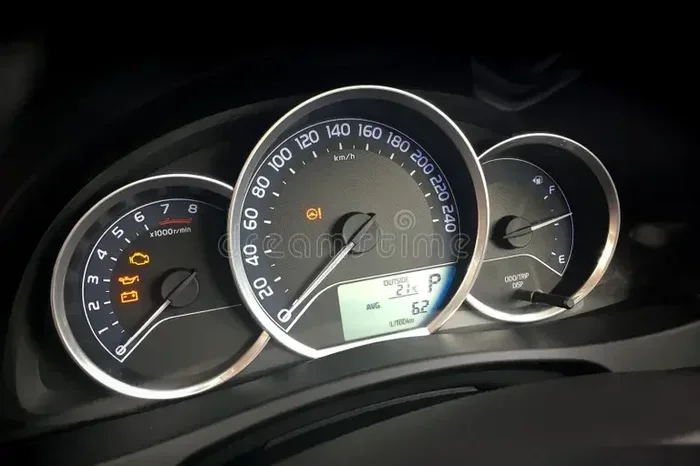
Can I Change My Odometer Reading on a mechanical odometer? Older vehicles use mechanical odometers with physical gears. In the past, some people would disconnect the odometer and manually roll it back. This was risky and left obvious signs of tampering. Today, most cars use digital odometers controlled by the vehicle’s computer system. This made odometer tampering harder but not impossible. Special diagnostic tools can now reprogram digital odometer readings, making fraud more subtle and harder to detect.
How Odometers Work
Understanding how car mileage is tracked helps you see why Can I Change My Odometer Reading is such a big deal. In older vehicles, a mechanical odometer uses a cable connected to the transmission. Each rotation of the wheel moves the gears, which advances the numbers on the display.
In modern vehicles, sensors count wheel rotations and send data to the car’s computer. The digital odometer then displays the car mileage on the dashboard. Both systems store mileage data in multiple places, including the vehicle history report and the car’s internal memory. This means that even if someone changes the display, other records may still show the true mileage.
The Rise of Digital Odometer Tampering
Many people assume that digital odometers make odometer tampering a thing of the past. Unfortunately, that is not true. While digital systems are harder to fool, skilled individuals can still use odometer rollback tools to alter the reading. These tools connect to the car’s onboard diagnostic port and rewrite the mileage data stored in the vehicle’s memory.
This is why the question Can I Change My Odometer Reading keeps coming up. The technology exists, but using it is illegal and carries serious risk. Modern vehicle inspection methods and VIN check services have also become smarter, making it increasingly difficult to get away with mileage fraud.
Can I Change My Odometer Reading? The Legal Reality
If you are still wondering Can I Change My Odometer Reading and get away with it, the legal answer should put that idea to rest. Can I Change My Odometer Reading legally? In almost every situation, the answer is no. The Federal Odometer Act, passed in 1972, makes it a federal crime to disconnect, reset, alter, or roll back an odometer reading with the intent to misrepresent the car mileage of a vehicle.
Can I Change My Odometer Reading if I own the vehicle? Even if you own the car outright, altering the odometer reading for any purpose is illegal. Some people mistakenly believe that changing the odometer on their own vehicle is fine. It is not. The law prohibits any odometer tampering regardless of ownership.
Federal Laws Against Odometer Tampering
The Federal Odometer Act applies to all vehicles under 10,000 pounds. It prohibits any person from:
- Disconnecting or resetting an odometer reading
- Altering the car mileage displayed on the dash
- Selling a vehicle with a known altered odometer
- Connecting to an odometer with the intent to change the reading
Can I Change My Odometer Reading for repair purposes? There is a narrow exception. If a mechanic repairs or replaces the odometer and the mileage cannot be accurately determined, they must disclose this on the odometer disclosure statement. The repaired odometer reading must also be documented and reported. Any other change to car mileage is considered odometer tampering.
State-Level Penalties
In addition to federal law, every state has its own penalties for odometer rollback. Some states impose even stricter fines and longer prison sentences than federal law. For example, states like California, Florida, and Texas treat mileage fraud as a serious criminal offense. If you are caught altering your odometer reading, you could face prosecution at both the state and federal level.
Why Do People Try to Change Odometer Readings?
Understanding why people attempt odometer rollback helps explain why the question Can I Change My Odometer Reading remains so popular. The primary motivation is almost always financial. A lower car mileage directly increases the car valuation of a vehicle. Even a few thousand miles can make a significant difference in the selling price.
The Financial Motive
Let us look at a real-world example. A car with 150,000 miles might be worth $8,000. The same car with 80,000 miles could be worth $15,000 or more. That is a difference of $7,000 or more. For some sellers, the temptation to try Can I Change My Odometer Reading and pocket the extra cash is overwhelming. But the risks far outweigh any potential gain.
Can I Change My Odometer Reading to make a car more marketable? Some sellers believe that lower mileage makes a vehicle more attractive to buyers. They think no one will question the mileage discrepancy. But modern vehicle history report services make this nearly impossible to pull off. Buyers today are savvy and check car maintenance records, VIN check results, and service history before making a purchase.
How Rollback Affects Car Value
The impact of odometer rollback on car valuation is significant. Here is a simple comparison of how mileage affects the value of a typical used sedan:
| Mileage | Estimated Value | Condition Category |
|---|---|---|
| 30,000 miles | $18,000 | Like New |
| 60,000 miles | $14,000 | Excellent |
| 100,000 miles | $10,000 | Good |
| 150,000 miles | $7,000 | Fair |
| 200,000 miles | $4,000 | Poor |
As you can see, the difference between a 30,000-mile car and a 150,000-mile car is more than $11,000. This is exactly why some people ask Can I Change My Odometer Reading and attempt to commit mileage fraud. But as we will see, the consequences of getting caught are devastating.
How to Spot Odometer Fraud Before It Is Too Late
Whether you are a buyer or a seller, knowing how to detect odometer tampering is essential. The question Can I Change My Odometer Reading often comes up because people want to know if the mileage discrepancy on a car they are looking at is real or fake. Here are the most reliable ways to spot odometer rollback.
Check the Vehicle History Report
The first and most important step is to run a VIN check. Services like Carfax and AutoCheck pull car mileage data from multiple sources, including dealerships, repair shops, and state registration records. If the odometer reading on the vehicle does not match the history report, that is a major red flag.
Can I Change My Odometer Reading without leaving a trace in the vehicle history report? It is very difficult. Every oil change, inspection, and registration creates a paper trail. A mileage discrepancy between the current reading and past records is one of the strongest indicators of odometer tampering.
Look for Physical Signs of Tampering
Physical inspection can also reveal odometer rollback. Here are some signs to watch for:
- Wear and tear mismatch: If the car mileage says 40,000 but the steering wheel, pedals, and seats show heavy wear, something is wrong.
- Loose or crooked odometer digits: On mechanical odometers, the numbers may appear misaligned or uneven.
- Smudged or scratched dash area: Recent scratches around the instrument cluster could indicate someone opened it to access the odometer.
- Missing screws or bolts: Check for screws on the dashboard that seem out of place or recently removed.
Compare Maintenance Records
Always ask for car maintenance records and service history. A legitimate seller should have records showing regular oil changes, inspections, and repairs. These records include the odometer reading at each service visit. If the records show 120,000 miles but the current odometer says 60,000, you have found odometer tampering.
Quick Tips to Detect Odometer Fraud
- Always request a vehicle history report before buying.
- Compare the odometer reading with the service history.
- Inspect the vehicle for wear that does not match the stated mileage.
- Ask the seller for the odometer disclosure statement on the title.
- Use a VIN check to verify the vehicle’s ownership and mileage history.
- Have a trusted mechanic perform a vehicle inspection before purchase.
What Happens If You Get Caught Changing an Odometer?
Some people still wonder Can I Change My Odometer Reading and avoid consequences. The reality is that law enforcement and the automotive industry have become very good at catching odometer tampering. The penalties are severe and long-lasting.
Criminal Penalties
Under the Federal Odometer Act, anyone found guilty of odometer rollback can face up to $10,000 in fines and up to three years in prison for a first offense. Repeat offenders face even harsher penalties. Some states impose additional criminal charges that can result in felony convictions.
Can I Change My Odometer Reading and avoid criminal charges? The short answer is no. Modern VIN check databases, vehicle history reports, and vehicle inspection procedures make it extremely difficult to hide odometer tampering. Law enforcement agencies actively investigate car fraud cases, and the penalties are designed to deter offenders.
Civil Lawsuits and Financial Losses
Beyond criminal charges, sellers caught committing mileage fraud can face civil lawsuits. Buyers who discover odometer rollback can sue for damages, including the difference in car valuation, repair costs, and legal fees. In some cases, the court may award punitive damages that far exceed the original sale price of the vehicle.
Imagine selling a car for $15,000 after rolling back the odometer reading. The buyer discovers the fraud and sues. You could end up paying $30,000 or more in damages, plus legal costs. The financial risk of asking Can I Change My Odometer Reading is simply not worth it.
How to Protect Yourself When Buying a Used Car
The best defense against odometer fraud is knowledge and preparation. Whether you are buying from a dealer or a private seller, taking the right steps can save you from becoming a victim of mileage fraud.
Steps Every Buyer Should Take
- Run a VIN check: Use a reputable service to pull the vehicle history report. Look for mileage discrepancy between the current reading and past records.
- Request maintenance records: Ask the seller for all available car maintenance records and service history. Verify the odometer readings listed in each record.
- Inspect the vehicle physically: Check for wear and tear that does not match the stated car mileage. Look at the pedals, steering wheel, seats, and dashboard.
- Review the title: Check the vehicle title for the odometer disclosure statement. Make sure the mileage on the title matches the current reading.
- Get a professional inspection: Have a trusted mechanic perform a thorough vehicle inspection before you commit to a purchase.
- Watch for red flags: Be suspicious of sellers who avoid questions about mileage, cannot provide records, or pressure you to buy quickly.
Red Flags to Watch For
- The seller refuses to provide a vehicle history report.
- The odometer reading seems unusually low for the car’s age.
- The service history has gaps or missing entries.
- The title shows a different mileage than the current odometer reading.
- The vehicle has a salvage title but the mileage seems suspiciously low.
- The seller is not the original owner and cannot explain the car mileage.
Common Mistakes Buyers Make
Many buyers make preventable mistakes when purchasing a used car. Skipping the VIN check is the most common error. Another mistake is trusting the seller’s word without verifying the odometer disclosure on the title. Some buyers skip the vehicle inspection because they want to close the deal quickly. These shortcuts can lead to buying a car with odometer tampering and hidden problems.
Expert Insight
Automotive experts consistently advise buyers to never skip the vehicle history report and professional inspection. According to the National Highway Traffic Safety Administration, odometer fraud affects approximately 450,000 vehicles every year in the United States alone. Taking a few extra minutes to verify the car mileage can save you thousands of dollars and a lot of headaches.
What to Do If You Discover Odometer Fraud
If you have already purchased a vehicle and suspect odometer tampering, you have options. First, gather all evidence, including the vehicle history report, service records, and any communication with the seller. Next, contact a consumer protection attorney who specializes in car fraud cases.
You may be entitled to rescind the sale, recover your money, or receive compensation for damages. The Federal Odometer Act gives consumers the right to sue sellers who commit mileage fraud. Do not hesitate to take action if you discover that Can I Change My Odometer Reading was something someone else did to deceive you.
Conclusion
The question Can I Change My Odometer Reading is asked by many people, but the answer should always be the same: do not do it. Odometer rollback is illegal, risky, and carries severe consequences. The Federal Odometer Act exists to protect consumers, and modern detection methods make it harder than ever to get away with odometer tampering.
Whether you are buying or selling a used car, the best approach is transparency and honesty. Always verify the car mileage through VIN checks, vehicle history reports, and professional inspections. Keep accurate car maintenance records and odometer disclosure statements. If you suspect mileage fraud, take action immediately.
Remember, the short-term gain from odometer rollback is never worth the long-term risk. Protect yourself, protect your wallet, and always do your due diligence. The used car market is built on trust, and maintaining that trust benefits everyone.
Frequently Asked Questions
Is it illegal to change your odometer reading?
Yes, it is illegal in the United States and most countries. The Federal Odometer Act prohibits any alteration, reset, or rollback of an odometer reading with the intent to misrepresent car mileage. Violators can face fines, imprisonment, and civil lawsuits.
How can I tell if an odometer has been rolled back?
Look for a mileage discrepancy between the current odometer reading and the service history. Check the vehicle history report for inconsistencies. Inspect the vehicle for wear and tear that does not match the stated car mileage. A professional vehicle inspection can also reveal signs of odometer tampering.
Can a digital odometer be changed?
Yes, digital odometers can be altered using specialized diagnostic tools that connect to the vehicle’s onboard computer. However, this is a federal crime and is considered odometer tampering. Modern VIN check services and vehicle history reports track mileage across multiple sources, making digital odometer rollback increasingly difficult to hide.
What are the penalties for odometer fraud?
Penalties include fines of up to $10,000, imprisonment of up to three years for a first offense, and civil lawsuits from defrauded buyers. Some states impose additional penalties. The exact consequences depend on the severity of the mileage fraud and whether it is a first-time or repeat offense.
Can I sell a car with an incorrect odometer reading?
No. Selling a vehicle with an altered or inaccurate odometer reading is illegal and constitutes car fraud. Sellers must provide an accurate odometer disclosure on the title and any related documentation. Falsifying this information can result in criminal charges and civil liability.
What should I do if I bought a car with rolled-back mileage?
Gather all evidence, including the vehicle history report and service records. Contact a consumer protection attorney who handles car fraud cases. You may be entitled to rescind the sale, recover your money, or receive compensation for damages under the Federal Odometer Act.
=== KEY TAKEAWAYS ===
Key Takeaways
- It is illegal: Changing your odometer reading is a federal crime under the Federal Odometer Act and carries heavy penalties.
- Detection is easy: Vehicle history reports, maintenance records, and physical inspections can reveal odometer rollback quickly.
- Severe consequences: Offenders face fines up to $10,000, imprisonment, and civil lawsuits from defrauded buyers.
- Digital odometers are not foolproof: Even modern cars with digital odometers can be tampered with using specialized tools.
- Buyer protection exists: Always get a VIN check, compare service history, and watch for red flags before purchasing.
- Mileage fraud is common: Thousands of vehicles with altered car mileage are sold every year, making vigilance essential.
- Document everything: Keep detailed car maintenance records and odometer disclosure statements to protect your ownership history.