The Importance of the Windshield and Why You Need One
The windshield is far more than just a piece of glass in your car. It provides critical structural support, protects occupants during collisions, and ensures clear driving visibility. Understanding the importance of the windshield helps you make smarter decisions about repair, replacement, and daily maintenance.
You might think your windshield is just there to keep the wind out of your face. But the truth is, it does so much more than that. The importance of the windshield goes far beyond simple comfort. It keeps you safe, supports your car’s structure, and helps your airbags work the right way. In this article, we will explore why your windshield matters more than you probably think. We will also cover repair tips, glass types, and simple maintenance habits that can extend its life. By the end, you will understand why taking care of your auto glass should be a top priority.
Every time you get behind the wheel, your windshield works hard for you. It blocks wind, rain, and road debris. It also gives your car rigidity and helps absorb impact during a crash. Despite all of this, many drivers ignore small chips and cracks until they become serious problems. That is a mistake. The importance of the windshield cannot be overstated, and understanding it can save you money, time, and even your life.
Key Takeaways
- Safety First: Your windshield is a vital part of your car’s crash protection system, supporting airbag deployment and preventing roof crush in rollovers.
- Structural Integrity: A damaged windshield weakens your vehicle’s frame and can compromise your safety in a serious accident.
- Repair vs Replacement: Small chips can often be repaired affordably, but large cracks require full replacement to maintain safety.
- Glass Matters: Laminated glass in your windshield and tempered glass in side windows are both designed with your protection in mind.
- Prevention Works: Simple habits like keeping a safe following distance and fixing small chips early can prevent costly damage.
- Maintenance Counts: Regular cleaning, timely wiper blade replacement, and proper installation keep your windshield performing at its best.
📑 Table of Contents
What Does a Windshield Actually Do?
Most people know the windshield keeps bugs and wind off your face. But the real job of this auto glass component is much more complex. Your windshield is an engineered part of your vehicle that serves several critical functions every single time you drive.
Structural Support and Vehicle Integrity
Your car is like a protective cage around you. The windshield plays a big role in keeping that cage strong. In a rollover accident, the windshield helps prevent the roof from collapsing. It provides up to 60 percent of the structural support needed to keep the roof intact. Without a strong windshield, your vehicle integrity drops significantly in a crash. This is why even a small crack can weaken the whole structure. A cracked windshield is not just an eyesore. It is a safety risk that can make your car less safe in a serious accident.
Visibility and Driving Safety
Clear driving visibility is one of the most important factors in staying safe on the road. Your windshield gives you a full view of the road ahead, the sides, and your mirrors. When it is damaged or dirty, your view gets blocked. Even a small chip can create glare or distort your vision in certain lighting. This is especially dangerous at night or in bad weather. Keeping your windshield clean and intact is one of the simplest ways to improve your driving safety. A quick wipe-down and a timely windshield repair can make a huge difference in how well you see the road.
Wind Noise Reduction and Aerodynamics
Have you ever driven with a window down for a long time and gotten tired? That is because wind noise and drag make driving more tiring. Your windshield is designed to reduce wind noise and improve the aerodynamics of your car. A properly sealed and intact windshield keeps the airflow smooth over the vehicle. This reduces noise inside the cabin and helps with fuel efficiency. When the windshield is cracked or poorly installed, it can create extra wind noise and even reduce your gas mileage. So the importance of the windshield extends to your comfort and your wallet too.
How Windshields Protect You in a Collision
When a crash happens, every part of your car has a job to do. The windshield is one of the hardest-working parts during an accident. It does not just sit there and break. Modern safety glass is designed to hold together and protect you in specific ways.
Airbag Deployment Support
Here is something many drivers do not know. Your passenger-side airbag often bounces off the inside of the windshield to reach you. The windshield has to be strong enough to handle that force without shattering. If your windshield is cracked or weakened, it may not hold up during airbag deployment. This can cause the airbag to deploy incorrectly or not at all. That is why a damaged windshield can put your entire airbag deployment system at risk. Keeping your glass intact ensures your safety systems work as designed.
Roof Crush Prevention
In a rollover crash, the roof of your car can fold inward. This is one of the most dangerous types of accidents. A strong windshield acts as a support beam that helps keep the roof from crushing into the passenger cabin. Studies show that cars with intact windshields have a much lower risk of fatal roof crush injuries. The importance of the windshield in rollover protection is one of the most overlooked safety facts. Even a small crack can reduce the glass’s ability to support the roof by a significant amount. This is why experts always recommend fixing damage right away.
Ejection Prevention
In a serious crash, passengers can be thrown from the vehicle. The windshield acts as a barrier that helps keep occupants inside the car. Being thrown from a vehicle is one of the leading causes of fatal injuries in accidents. A properly installed and intact windshield significantly reduces this risk. It is a simple fact: a strong windshield saves lives. This is one of the most powerful reasons to never ignore damage to your glass.
Windshield Repair vs Replacement
Not every chip or crack means you need a new windshield. Knowing when to repair and when to replace can save you a lot of money and hassle. Understanding the windshield replacement cost and the windshield repair options helps you make smart decisions.
When Repair Is Enough
Small chips and cracks can often be repaired instead of replaced. If the damage is smaller than a dollar bill and is not in the driver’s direct line of sight, a repair is usually possible. Windshield repair is quick, affordable, and can restore the strength of the glass. Most repairs take less than 30 minutes and cost a fraction of a full replacement. Here are some signs that repair may be enough:
- The chip is smaller than one inch across.
- The crack is shorter than three inches.
- The damage is not in the driver’s primary viewing area.
- There are no multiple cracks spreading from the same point.
- The glass has not shattered or shattered completely.
Getting a small repair done quickly also prevents the damage from spreading. Temperature changes and road vibrations can cause a tiny chip to turn into a long crack over time. So do not wait. The longer you delay, the more likely a repair will turn into a full replacement.
When You Need a Full Replacement
Sometimes, the damage is too severe for a simple repair. You will need a full replacement if the crack is large, spreads across the windshield, or blocks your view. Damage at the edges of the glass is especially serious because it weakens the bond between the glass and the frame. A compromised edge can cause the windshield to pop out during a collision. In these cases, the windshield replacement cost is worth the investment in your safety. Always choose a certified technician who uses quality materials and follows proper installation procedures. A bad installation can lead to leaks, wind noise, and even the glass coming loose in a crash.
Types of Windshield Glass
Not all car glass is the same. Understanding the different types of glass used in vehicles helps you make better choices when it is time for a repair or replacement. The two main types are laminated glass and tempered glass, and they serve different purposes.
Laminated Glass vs Tempered Glass
Your windshield is made of laminated glass. This means it has a layer of plastic sandwiched between two layers of glass. When the glass breaks, the plastic layer holds the pieces together. This prevents sharp shards from flying into the cabin. Laminated glass is what makes your windshield so effective at keeping you safe during a crash. It is also what makes windshield repair possible, since the plastic layer can hold the damage in place.
Your side and rear windows are made of tempered glass. This glass is heated and cooled rapidly to make it much stronger than regular glass. When tempered glass breaks, it shatters into small, dull pieces instead of sharp shards. This reduces the risk of serious cuts. Both types of safety glass are designed with your protection in mind. Knowing the difference helps you understand why your windshield is treated differently from your other windows.
OEM vs Aftermarket Windshields
When you need a new windshield, you will hear the terms OEM and aftermarket. OEM stands for Original Equipment Manufacturer. This means the glass is made by the same company that supplied the glass for your car when it was built. An OEM windshield matches the exact specifications of your vehicle. It fits perfectly and works with all of your car’s sensors and systems.
Aftermarket glass is made by a different manufacturer. It is usually less expensive, but the quality can vary. Some aftermarket glass is excellent, while other options may not fit as well or may interfere with advanced driver-assistance systems. If your car has a rain sensor, lane departure warning, or adaptive cruise control, you should strongly consider an OEM windshield. The importance of the windshield in supporting these modern safety features cannot be ignored.
Common Windshield Damage and How to Prevent It
Windshield damage happens to almost every driver at some point. Knowing what causes it and how to prevent it can save you time, money, and stress. Let us look at the most common types of damage and how to avoid them.
Chips and Cracks from Road Debris
The number one cause of windshield damage is road debris. Rocks, gravel, sand, and other objects kicked up by other vehicles can chip or crack your glass in an instant. This is especially common on highways and construction zones. While you cannot always avoid debris, you can reduce the risk. Keep a safe distance from trucks and construction vehicles. Drive at a moderate speed on gravel roads. And never tailgate, because it gives debris less time to slow down before hitting your windshield.
Weather and Environmental Damage
Extreme weather can also take a toll on your windshield. Rapid temperature changes cause the glass to expand and contract, which can turn a small chip into a large crack. Parking in direct sunlight on a hot day and then blasting the AC is a common culprit. Hail storms can cause multiple chips and dents at once. Strong winds can blow debris into your glass. To protect your windshield from weather damage, park in a garage or under a cover when possible. Avoid pouring hot water on a frozen windshield, as this can cause it to crack. And never slam your car doors too hard, because the vibration can worsen existing damage. Proper temperature regulation around your glass goes a long way toward preventing cracks.
Stress Cracks from Improper Installation
Sometimes, cracks appear even without any visible impact. These are called stress cracks, and they often happen because of improper installation. If a windshield is not fitted correctly, it can experience uneven pressure from driving, temperature changes, and road vibrations. Over time, this pressure creates cracks that spread across the glass. This is why it is so important to have your windshield installed by a qualified professional. A proper installation includes the right adhesive, correct pressure, and enough curing time before you drive away. Cutting corners on installation is a false way to save money and can lead to costly problems later.
Maintaining Your Windshield for Longevity
Your windshield works hard every day, and a little care goes a long way. Proper maintenance can extend the life of your glass and keep you safe on the road. Here are some simple habits that make a big difference.
Cleaning Tips for Auto Glass
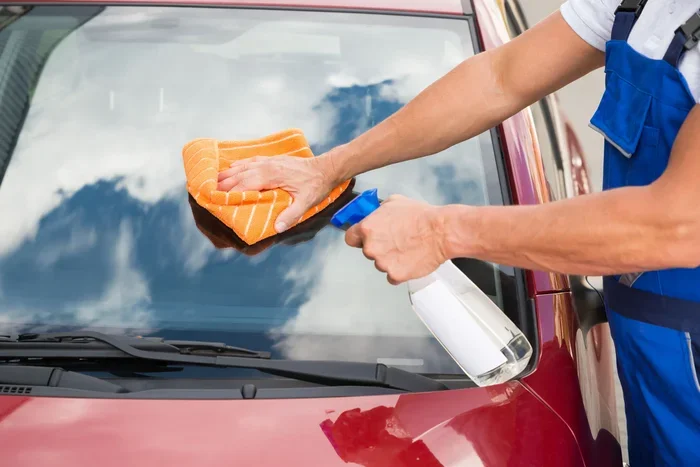
Clean glass is safer glass. Dirt, grime, and streaks can reduce your visibility and cause glare, especially at night. Use a high-quality glass cleaner and a microfiber cloth to avoid scratches. Clean both the inside and outside of the windshield, because grime on the inside can be just as bad as dirt on the outside. The inside of your windshield often gets coated with oils from your dashboard and air vents. Wiping it down regularly with a glass cleaner keeps your view clear and reduces glare. Avoid using harsh chemicals or abrasive materials, as these can damage the glass and any special coatings it has. Using the right cleaning products protects your auto glass and keeps it looking great.
Wiper Blade Care
Your wiper blades are the biggest enemy of your windshield when they are worn out. Old, cracked wipers can scratch the glass and leave streaks that block your view. Replace your wiper blades every six to twelve months, or sooner if you notice streaking or squeaking. Use windshield washer fluid instead of plain water, as it is designed to break up bugs, grime, and salt without leaving residue. In winter, never use your wipers to scrape ice off the glass. Use an ice scraper instead, because pulling hard on frozen wipers can tear them and damage the glass edge. Taking care of your wipers is an easy way to protect your windshield.
Quick Tips for Daily Windshield Care
Here are some easy habits you can build into your daily routine to protect your windshield:
- Park in a garage or shaded area when possible to avoid UV damage and temperature extremes.
- Keep a safe following distance to reduce the chance of rock chips.
- Fix small chips immediately before they spread into cracks.
- Avoid slamming your car doors, which sends vibrations through the glass.
- Inspect your windshield regularly for any new chips or cracks.
- Use a sunshade in hot weather to reduce thermal stress on the glass.
- Choose a reputable shop for any windshield repair or replacement work.
These small steps add up over time. They help you avoid costly replacements and keep your windshield in great shape for years. The importance of the windshield in your daily driving experience cannot be overstated, and treating it with care is one of the simplest things you can do as a car owner.
Conclusion
The importance of the windshield goes far beyond keeping the wind out of your face. It is a vital safety component that protects you in crashes, supports your airbags, prevents roof crush, and keeps you visible on the road. Taking care of your windshield through regular maintenance, timely repairs, and smart driving habits is one of the best investments you can make in your vehicle. Do not ignore small chips or cracks. They can quickly become serious safety hazards. Treat your windshield with the respect it deserves, and it will keep you safe for many miles to come. Your auto glass is not just a window. It is a lifeline.
Frequently Asked Questions
How much does a windshield replacement cost?
The windshield replacement cost varies depending on your vehicle, the type of glass used, and where you live. On average, most drivers pay between $200 and $400 for a standard replacement. OEM glass tends to cost more than aftermarket options, but it offers better fit and compatibility with advanced safety features. Always get quotes from reputable shops before committing.
Can a cracked windshield be repaired?
Yes, small chips and cracks are often repairable. If the damage is smaller than a dollar bill and not in your direct line of sight, a professional can usually fix it. Windshield repair is quick, affordable, and can restore much of the glass’s original strength. However, larger cracks or damage near the edges will likely require a full replacement.
How long does a windshield repair take?
Most windshield repair jobs take less than 30 minutes to complete. The process involves cleaning the damaged area, injecting a special resin, and curing it with UV light. You can usually drive your car right away after the repair. It is one of the fastest and easiest auto maintenance tasks you can do.
Is it safe to drive with a cracked windshield?
Driving with a cracked windshield is not recommended, especially if the crack is large or in your line of sight. A cracked windshield is weaker and more likely to shatter during a collision. It can also impair your visibility and put you at greater risk on the road. Have it inspected by a professional as soon as possible.
How often should wiper blades be replaced?
Most experts recommend replacing your wiper blades every six to twelve months. Signs that your wipers need replacing include streaking, squeaking, and visible wear on the rubber. Fresh wipers keep your windshield clean and clear, which is essential for safe driving. This simple maintenance step costs very little but makes a big difference.
What causes a windshield to crack without impact?
Cracks that appear without a visible impact are often called stress cracks. They can be caused by improper installation, extreme temperature changes, or pressure imbalances in the cabin. For example, pouring hot water on a frozen windshield or blasting the AC on a scorching hot day can create thermal stress. Even slamming your car doors too hard can send enough vibration to cause a crack in weakened glass.