What Happens If You Dont Change Your Oil Regularly
Skipping regular oil changes can destroy your engine, cause overheating, and lead to thousands of dollars in repairs. Fresh oil keeps your engine lubricated, cool, and clean. Without it, metal parts grind together, sludge builds up, and your car eventually breaks down.
Your engine oil is the lifeblood of your car. It keeps everything moving smoothly, reduces friction, and prevents overheating. But what happens if you don’t change your oil regularly? The short answer is bad news for your engine.
Many car owners put off oil changes. Life gets busy, and it’s easy to push that reminder aside. But skipping this simple maintenance task can lead to serious and expensive problems. In this guide, we’ll walk through exactly what goes wrong when you skip your oil change.
Whether you drive a Toyota, a Honda, or any other vehicle, the rules of engine oil maintenance apply to everyone. Let’s break down the risks, the warning signs, and how to keep your engine healthy for years to come.
Key Takeaways
- Engine Damage: Old oil loses its lubricating power, causing metal-on-metal contact that wears down critical engine parts.
- Overheating Risk: Dirty oil can’t regulate temperature properly, which may cause your engine to overheat.
- Sludge Buildup: Contaminated oil forms sludge that clogs passages and restricts oil flow to vital components.
- Costly Repairs: Neglecting oil changes can result in engine failure that costs far more than a simple oil change.
- Reduced Fuel Efficiency: Old, dirty oil makes your engine work harder, burning more fuel than necessary.
- Warranty Voiding: Skipping oil changes may void your vehicle’s warranty, leaving you responsible for all repair costs.
- Follow the Manual: Always follow your owner’s manual oil change interval or your car’s oil life indicator.
📑 Table of Contents
- What Does Engine Oil Actually Do?
- What Happens If You Don’t Change Your Oil Regularly?
- How Often Should You Change Your Oil?
- Warning Signs That Your Oil Needs Changing
- Can You Go Too Long Between Oil Changes?
- Does the Oil Filter Matter?
- Common Mistakes People Make With Oil Changes
- The Cost of Skipping Oil Changes vs. Preventive Maintenance
- How to Choose the Right Oil for Your Vehicle
- Final Thoughts
What Does Engine Oil Actually Do?
Before we talk about what goes wrong, let’s understand what engine oil does. It’s not just a fluid sitting in your engine. It performs several critical jobs every single time you drive.
Lubrication
Your engine has hundreds of moving parts. Metal rubs against metal at high speeds. Oil creates a thin film between these parts, reducing friction and preventing wear. Without proper lubrication, those parts grind against each other and break down fast.
Cooling
Engine oil also helps regulate temperature. While your coolant handles the big heat, oil catches the heat from areas the coolant can’t reach. Fresh oil does this job well. Old oil? Not so much.
Cleaning
As your engine runs, tiny particles of dirt, carbon, and combustion byproducts mix into the oil. Good oil carries these contaminants to the oil filter, where they get trapped. Over time, the filter gets full and the oil gets dirty. That’s why replacement matters.
Sealing
Oil also helps seal the gaps between piston rings and cylinder walls. This keeps combustion pressure where it belongs. Dirty oil loses its ability to seal properly, which reduces engine performance.
What Happens If You Don’t Change Your Oil Regularly?
Now let’s get into the real question. What actually happens inside your engine when you skip oil changes? The damage builds up gradually, but the results can be devastating.
Stage 1: Oil Degradation
Fresh oil starts to break down the moment it’s exposed to heat and combustion gases. Over time, its viscosity changes. It gets thinner or thicker, depending on the type of oil and how hot your engine runs. Once the oil loses its proper viscosity, it can’t lubricate effectively.
Most manufacturers recommend changing oil every 5,000 to 7,500 miles for conventional oil. Synthetic oil can go longer, sometimes up to 10,000 or 15,000 miles. But even synthetic oil degrades over time. Check your owner’s manual for the right oil change interval for your vehicle.
Stage 2: Increased Engine Wear
When oil breaks down, it stops protecting engine components. Metal-on-metal contact increases. Bearings, camshafts, and cylinder walls start to wear out faster than they should.
This kind of wear doesn’t happen overnight. It builds up silently. You might not notice any difference at first. But over thousands of miles, the damage adds up. Eventually, you may start hearing unusual noises or noticing a drop in engine performance.
Stage 3: Sludge Buildup
One of the most dangerous consequences of skipping oil changes is sludge buildup. As oil ages, it oxidizes and forms a thick, dark substance. This sludge clogs oil passages and prevents oil from reaching critical parts of the engine.
Sludge is especially harmful because it restricts flow even when you do eventually change the oil. The passages may already be partially blocked, meaning your engine still isn’t getting the lubrication it needs.
Stage 4: Engine Overheating
Dirty oil can’t absorb and transfer heat the way fresh oil does. As a result, your engine runs hotter than it should. Over time, this excess heat can warp engine components, blow head gaskets, or even crack the engine block.
If your temperature gauge starts climbing, don’t ignore it. Pull over safely and let the engine cool down. Continuing to drive an overheating engine can cause catastrophic damage.
Stage 5: Complete Engine Failure
The final stage of neglected oil changes is total engine failure. When all the lubrication is gone and sludge has clogged everything, the engine seizes. The pistons weld themselves to the cylinder walls. At this point, you’re looking at either a full engine replacement or buying a new vehicle.
Engine replacement can cost anywhere from $4,000 to $8,000 or more. Compare that to an oil change, which typically costs between $35 and $75. The math is clear.
How Often Should You Change Your Oil?
The right oil change frequency depends on several factors. Let’s look at what matters most.
Check Your Owner’s Manual
Your vehicle’s owner manual is the best place to start. It tells you the recommended oil type and change interval for your specific engine. Modern cars often have an oil life indicator that tracks driving conditions and tells you when it’s time for a change.
Consider Your Driving Conditions
Not all driving is equal. If you frequently drive in stop-and-go traffic, tow heavy loads, or drive in extreme heat or cold, your oil breaks down faster. This is called “severe driving” and it shortens the time between oil changes.
Here are some conditions that qualify as severe driving:
- Frequent short trips under 5 miles
- Driving in very hot or very cold climates
- Towing trailers or carrying heavy loads
- Driving on dusty or unpaved roads
- Excessive idling in traffic
Conventional vs. Synthetic Oil
The type of oil you use also affects how often you need to change it. Conventional oil generally needs replacement every 3,000 to 5,000 miles. Synthetic oil lasts longer and can go 7,500 to 15,000 miles between changes.
Some people wonder if they can mix oil brands. The short answer is yes, in an emergency. But it’s not ideal for regular use. Stick with one brand and type for best results.
| Oil Type | Typical Change Interval | Best For |
|---|---|---|
| Conventional | 3,000 – 5,000 miles | Older vehicles, budget-conscious drivers |
| Synthetic Blend | 5,000 – 7,500 miles | Moderate driving conditions |
| Full Synthetic | 7,500 – 15,000 miles | Modern engines, extreme conditions |
| High Mileage Synthetic | 5,000 – 7,500 miles | Vehicles with over 75,000 miles |
Warning Signs That Your Oil Needs Changing
You don’t always need to wait for the scheduled interval. Your car gives you warning signs. Watch for these clues that your oil is past its prime.
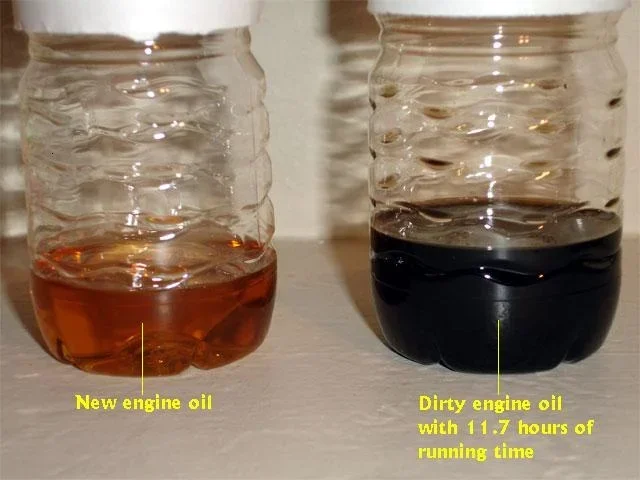
- Dark, Dirty Oil: Fresh oil is amber in color. As it gets old, it turns dark brown or black. Check your dipstick regularly. If the oil looks very dark and gritty, it’s time for a change.
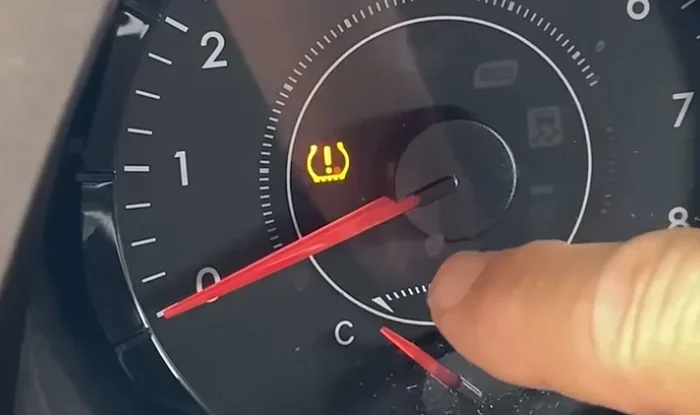
- Oil Change Light: Most modern vehicles have a dashboard warning light. Don’t ignore it. This light is based on your driving patterns and tells you when oil maintenance is overdue.
- Engine Noise: Clean oil keeps engine parts quiet. If you hear knocking or ticking sounds, your oil may not be lubricating properly anymore.
- Burning Smell: A smell of oil inside the cabin could mean an oil leak or old oil breaking down from excessive heat.
- Reduced Fuel Economy: When your engine isn’t properly lubricated, it works harder. You’ll notice more trips to the gas station.
Can You Go Too Long Between Oil Changes?
Some car owners wonder if they can stretch oil change intervals too far. The answer is yes, and it’s risky. Even if your car has an oil life monitoring system, it’s not foolproof.
Going two years without an oil change is generally too long for most vehicles. While some modern cars with synthetic oil can go extended intervals, you should never exceed what the manufacturer recommends. If you’re unsure, it’s always better to change your oil early rather than late.
If you’re considering going long periods without an oil change, you might want to check what happens if you go two years without one. The risks are significant and can void your warranty.
Does the Oil Filter Matter?
Many people focus on the oil but forget about the filter. The oil filter traps contaminants and keeps your oil clean. But filters have a limited capacity. Once the filter is full, it can no longer do its job effectively.
That’s why you should replace the oil filter every time you change the oil. Some people wonder if oil filters really last 10,000 miles or more. While some high-quality filters can handle extended intervals, changing the filter with every oil change is the safest approach.
Common Mistakes People Make With Oil Changes
Using the Wrong Oil Type
Not all oil is the same. Using the wrong viscosity or type of oil can cause poor lubrication and increased wear. Always check your owner’s manual for the recommended oil specification.
Skipping the Filter
As mentioned above, the oil filter is just as important as the oil itself. Skipping filter replacement means dirty oil recirculates through your engine.
Not Checking Oil Levels
Oil levels can drop between changes. Make it a habit to check your oil level at least once a month. If it’s low, top it off with the correct oil type. If you’re wondering about adding oil when levels are low, you can find guidance on adding oil to your car if it’s running low.
Ignoring Warning Signs
Your car tells you when something is wrong. Don’t ignore the oil change light, unusual noises, or dark oil. Addressing these signs early prevents bigger problems down the road.
The Cost of Skipping Oil Changes vs. Preventive Maintenance
Let’s put it in real numbers. A standard oil change costs between $35 and $75 at most shops. Synthetic oil changes run $65 to $125. That’s a small price to pay for protecting your engine.
Now compare that to the cost of engine damage from neglected oil. A seized engine can cost $4,000 to $8,000 to replace. Even partial damage from sludge or overheating can run into the thousands. Preventive maintenance saves you money in the long run.
If you’re wondering about oil change costs at dealerships, some Toyota dealerships offer free oil changes as part of maintenance packages. It’s worth checking what’s available for your vehicle.
How to Choose the Right Oil for Your Vehicle
Selecting the right oil doesn’t have to be confusing. Here are some quick tips to help you choose.
- Follow the Manual: Your owner’s manual specifies the exact oil weight and type your engine needs. Stick with that recommendation.
- Consider Synthetic: Synthetic oil offers better protection and lasts longer. It’s worth the extra cost for most modern vehicles.
- Check the API Rating: Look for the API donut symbol on the oil bottle. Make sure it meets or exceeds the rating in your manual.
- Don’t Mix Oil Types: While you can mix brands in an emergency, try to use the same type and brand consistently for best results.
Final Thoughts
Changing your oil regularly is one of the simplest and most important things you can do for your car. It takes less than an hour and costs a fraction of what an engine repair would. But the benefits are enormous.
Regular oil changes keep your engine running smoothly, prevent overheating, and extend the life of your vehicle. They also help maintain your warranty and improve fuel efficiency. There’s no reason to skip this essential preventive maintenance task.
Set a reminder on your phone. Keep track of your mileage. Find a trusted mechanic or learn to do it yourself. Whatever you do, don’t let your oil go too long without being changed. Your engine will thank you for it.
If you’re not sure about your vehicle’s specific oil change needs or want to know if you can negotiate the price of an oil change, check out our guide on negotiating oil change costs. Staying informed helps you take better care of your car and save money.
Remember, a little maintenance today saves you from a major headache tomorrow. Keep up with your oil changes and enjoy a healthier, longer-lasting engine.
Frequently Asked Questions
How long can you drive without changing your oil?
Most manufacturers recommend changing oil every 5,000 to 7,500 miles for conventional oil and every 7,500 to 15,000 miles for synthetic oil. Going beyond these intervals increases the risk of engine wear, sludge buildup, and overheating. Always check your owner’s manual for the exact recommendation for your vehicle.
What are the first signs of engine damage from old oil?
Early signs include dark, gritty oil on the dipstick, unusual engine noises like knocking or ticking, a lit oil change warning light, reduced fuel economy, and a burning smell inside the cabin. If you notice any of these, get your oil checked and changed as soon as possible.
Can old oil cause a car to overheat?
Yes, absolutely. Old oil loses its ability to absorb and transfer heat effectively. When oil breaks down, it becomes less viscous and can’t properly lubricate engine parts. This leads to increased friction, which generates excess heat and can cause your engine to overheat.
Is it okay to change oil but not the oil filter?
No, you should always replace the oil filter at the same time as the oil. The filter traps contaminants and debris. If you don’t replace it, the old filter becomes clogged and can’t do its job. Dirty oil then circulates through the engine, causing wear and potential damage.
Does synthetic oil last longer than conventional oil?
Yes, synthetic oil typically lasts longer than conventional oil. While conventional oil usually needs changing every 3,000 to 5,000 miles, full synthetic oil can go 7,500 to 15,000 miles between changes. Synthetic oil also provides better protection against heat and oxidation.
Will skipping oil changes void my car’s warranty?
Yes, skipping oil changes can void your warranty. Most manufacturers require proof of regular oil changes as part of the maintenance schedule. If you need to file a warranty claim for engine damage and you can’t show that you followed the recommended maintenance, the manufacturer may deny your claim.
=== CONCLUSION ===
Not changing your oil regularly is one of the cheapest ways to destroy your engine. The cost of a routine oil change is tiny compared to the cost of engine repairs or replacement. Your oil keeps your engine lubricated, cool, and clean. When you skip changes, all of those benefits disappear.
Follow the intervals in your owner’s manual, watch for warning signs, and never underestimate the power of simple maintenance. Your car will run better, last longer, and save you money in the long run. Take care of your oil, and it will take care of your engine.