Is It Illegal to Drain Coolant From Your Car Engine
Draining coolant from your car is not inherently illegal, but how you dispose of it absolutely matters. Improper coolant disposal can violate environmental laws at both the federal and state level. This guide covers the legal landscape, environmental risks, and safe steps to drain coolant the right way every time.
Every car owner eventually faces the question of what to do with old or contaminated coolant. Whether you are performing a routine coolant flush, fixing a leak, or simply wondering about the rules, the topic of draining coolant comes with a lot of confusion. Many drivers worry that removing coolant from their vehicle could get them in trouble with the law.
The truth is more nuanced than a simple yes or no. Draining coolant from your car is not illegal. What matters is what happens next. How you store it, transport it, and ultimately dispose of it determines whether you are following the law. This article breaks down everything you need to know about the legality, safety, and environmental impact of draining coolant from your vehicle.
We will walk you through federal and state regulations, explain why improper disposal is so dangerous, and give you a clear step-by-step guide for doing it the right way. By the end, you will feel confident handling your automotive fluids like a pro.
Key Takeaways
- Draining coolant itself is not illegal: Removing coolant from your vehicle for maintenance or repair is perfectly legal in all 50 states.
- Disposal is where the law kicks in: Pouring coolant down drains, onto the ground, or into storm sewers violates EPA regulations and local ordinances.
- Antifreeze is highly toxic: Even small amounts of used automotive fluids like coolant can contaminate water supplies and harm wildlife.
- Recycling is easy and free: Most auto parts stores, dealerships, and recycling centers accept used coolant at no cost.
- You can drain coolant safely at home: With the right tools and precautions, draining coolant safely is a straightforward DIY task.
- Regular coolant maintenance matters: Keeping your engine cooling system in good shape prevents overheating and costly repairs.
- Never ignore coolant leaks: If you notice low coolant levels, address the issue quickly to avoid engine damage.
📑 Table of Contents
- What Is Coolant and Why Does Your Car Need It?
- Is It Illegal to Drain Coolant From Your Car?
- Common Reasons People Drain Coolant
- The Environmental Impact of Improper Coolant Disposal
- How to Drain Coolant Safely and Legally
- What to Do With Used Coolant
- How Often Should You Change Your Coolant?
- Can You Still Drive With Low Coolant?
- Conclusion
What Is Coolant and Why Does Your Car Need It?
Before diving into the legal side, it helps to understand what coolant does and why your car relies on it. Coolant, also known as antifreeze, is a vital fluid in your engine cooling system. It circulates through the engine block and radiator to regulate temperature. Without it, your engine would overheat within minutes of driving.
Coolant is typically a mixture of ethylene glycol or propylene glycol mixed with water. This combination lowers the freezing point and raises the boiling point of the liquid. That means your engine stays protected whether you are driving in winter cold or summer heat.
How the Cooling System Works
Your car’s cooling system is a closed loop. The water pump pushes coolant through channels in the engine block. Heat transfers from the engine to the fluid. The hot coolant then flows to the radiator, where air passing through the fins cools it down. The cooled fluid cycles back into the engine to repeat the process.
A thermostat regulates the flow based on engine temperature. When the engine is cold, the thermostat stays closed and the coolant bypasses the radiator. Once the engine reaches its optimal temperature, the thermostat opens and allows the coolant to flow through the radiator. This entire process keeps your engine running smoothly and efficiently.
Signs Your Coolant Needs Attention
Knowing when your coolant needs attention can save you from expensive repairs. Watch for these common warning signs:
- Your temperature gauge reads higher than normal
- You see green, orange, or pink fluid pooling under your car
- Your coolant levels drop frequently
- You notice a sweet smell coming from the engine bay
- Steam or vapor rises from under the hood
- The check engine light or warning indicator illuminates
If you experience any of these symptoms, do not ignore them. Low coolant can lead to engine overheating, which may cause cracked heads, blown head gaskets, or even a seized engine. If you are dealing with low coolant levels, you may also notice your car shaking or running rough. Check out our guide on Can Low Coolant Cause A Car To Shake to learn more about this connection.
Is It Illegal to Drain Coolant From Your Car?
Here is the short answer: no, it is not illegal to drain coolant from your car. Removing the fluid for maintenance, repair, or replacement is a normal part of vehicle maintenance. Mechanics, DIY enthusiasts, and dealership service centers drain coolant every single day without any legal issues.
The legal concern arises not from the act of draining but from the act of disposing. This distinction is critical. You have every right to remove coolant from your vehicle. But you do not have the right to dump it in a storm drain, on the ground, or into a household sink.
Understanding the Legal Landscape
Coolant falls under the category of hazardous waste in most jurisdictions. The Environmental Protection Agency, or EPA, classifies ethylene glycol-based coolant as a toxic substance. This classification means that federal law regulates how it is handled, stored, and disposed of.
At the federal level, the Resource Conservation and Recovery Act, or RCRA, governs hazardous waste management. Under RCRA, it is illegal to dispose of coolant in a way that could contaminate soil or water. Violators can face significant fines. However, these laws target commercial disposal and large-scale dumping. Individual homeowners who dump a few gallons are rarely prosecuted. Still, the law applies to everyone.
State and Local Regulations
Beyond federal rules, individual states and municipalities have their own coolant regulations. Some states have very strict rules about automotive fluid disposal. For example, California, New York, and several other states have detailed guidelines for handling automotive fluids including coolant.
Many local wastewater treatment plants explicitly forbid pouring coolant into drains. Your city or county may also have designated collection days for hazardous household waste. These events are a great opportunity to dispose of used coolant safely. Always check your local regulations before disposing of any automotive fluid.
Common Reasons People Drain Coolant
There are many perfectly valid reasons to drain coolant from your vehicle. Understanding these reasons can help you see why this is such a common maintenance task.
Routine Maintenance and Coolant Flushes
Most vehicle manufacturers recommend a coolant flush every 30,000 to 50,000 miles or every two to five years. Over time, coolant breaks down and loses its effectiveness. Old coolant can become acidic, which leads to corrosion inside the engine cooling system. A regular flush removes the degraded fluid and replaces it with fresh coolant.
During a flush, the old fluid is drained, the system is rinsed with water or a cleaning solution, and fresh coolant is refilled. This process keeps your engine running at the right temperature and extends the life of your radiator and water pump.
Emergency Situations
Sometimes draining coolant is not a choice but a necessity. If your vehicle is overheating and you need to check for a blockage or a failed water pump, you must first drain the coolant. Similarly, if you are replacing a radiator, heater core, or water pump, you will need to remove the fluid to access these components.
In these situations, the key is to capture the old coolant properly. Never let it spill onto the ground. Keep a clean container ready before you start any work that involves draining automotive fluids.
Coolant Contamination
If your coolant becomes contaminated with oil, transmission fluid, or rust particles, it needs to be drained and replaced. Contaminated coolant loses its ability to transfer heat effectively. This can quickly lead to engine overheating and serious engine damage. If you are unsure whether your coolant is still good, it is worth checking our article on Can Old Coolant Cause Engine Overheating for more details.
The Environmental Impact of Improper Coolant Disposal
This is where the topic gets serious. Improper disposal of coolant is one of the most common forms of automotive pollution. Understanding the impact can motivate you to always dispose of coolant the right way.
Why Coolant Is Harmful to the Environment
Ethylene glycol, the primary ingredient in most traditional coolants, is highly toxic to animals and plants. It has a sweet taste that attracts pets, wildlife, and even children. A single gallon of discarded coolant can contaminate thousands of gallons of water. Even small spills can be devastating to local ecosystems.
When coolant enters the soil, it can seep into groundwater supplies. When it enters streams, rivers, or lakes, it depletes oxygen levels and harms aquatic life. Fish, amphibians, and insects are particularly vulnerable to ethylene glycol poisoning.
What Happens When Coolant Enters Waterways
Used coolant that reaches waterways causes a chain reaction of damage. First, the ethylene glycol consumes dissolved oxygen as it breaks down. Fish and other aquatic organisms need oxygen to survive. Low oxygen levels create dead zones where aquatic life cannot exist.
Second, the chemical byproducts of degraded coolant are also toxic. They can disrupt the reproductive cycles of fish and amphibians. Over time, this contamination accumulates and can affect entire watersheds. This is why EPA regulations are so strict about coolant disposal.
Propylene glycol is marketed as a less toxic alternative, and it is true that it is less harmful than ethylene glycol. However, it is still not safe to dump into the environment. Proper disposal is always the best choice regardless of the type of coolant you use.
How to Drain Coolant Safely and Legally
Now that you understand the legal and environmental aspects, let us walk through the process of draining coolant safely at home. With the right approach, this is a manageable DIY task that anyone can do.
Tools and Materials You Will Need
Before you start, gather these supplies:
- A drain pan or large container (at least 2 gallons)
- A socket wrench or pliers (for the drain plug)
- A funnel for refilling
- Fresh coolant mixed to the correct ratio
- Disposable gloves and safety glasses
- A tarp or drip tray to protect your driveway
- A sealed, labeled container for used coolant storage
Step-by-Step Guide to Draining Coolant
Step 1: Let the engine cool completely. Never attempt to drain coolant from a hot engine. The fluid is under pressure and can cause severe burns. Wait at least two hours after driving, or better yet, drain coolant first thing in the morning before you start the engine.
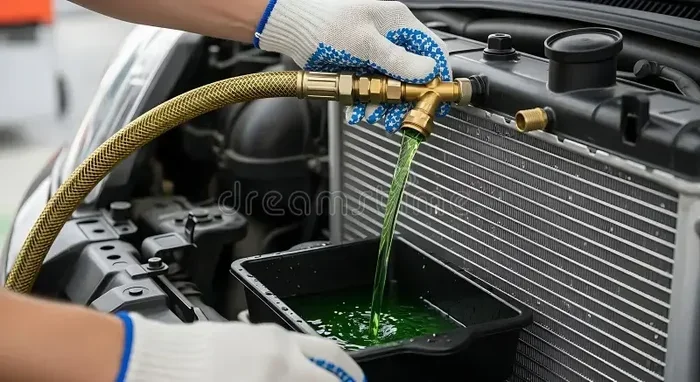
Step 2: Position the drain pan. Place your drain pan directly under the radiator drain plug or petcock. Some vehicles have a drain plug on the engine block as well. Check your owner’s manual to locate the correct drain point.
Step 3: Open the drain plug. Use your socket wrench or pliers to carefully loosen the drain plug. Allow the old coolant to flow out completely into the pan. This may take several minutes. Be patient and let it drain fully.
Step 4: Close the drain plug. Once the fluid has stopped flowing, tighten the drain plug back in place. Do not overtighten, as this can strip the threads or crack the radiator.
Step 5: Refill the system. Use a funnel to pour fresh coolant into the radiator. Fill to the appropriate level and then run the engine with the heater on full blast. This helps bleed air from the system. Check the coolant level again after the engine cools down and top off if needed.
Step 6: Store the used coolant properly. Transfer the old coolant from the drain pan into a sealed, labeled container. Keep it tightly closed and store it in a cool, dry place away from children and pets. Label it clearly as “Used Coolant — Do Not Pour Down Drain.”
Quick Tips for Safe Coolant Draining
- Always wear gloves and eye protection. Coolant is toxic and can irritate your skin and eyes.
- Never mix different types of coolant. Incompatible coolants can cause chemical reactions that damage your cooling system.
- Work on a level surface to ensure complete drainage.
- Keep pets and children away from the work area and any spilled fluid.
- If you are unsure about any step, consult a professional mechanic or visit your local dealership service center.
What to Do With Used Coolant
Once you have drained your old coolant, the next step is disposal. This is where many people make mistakes. Here are your best options for handling used coolant the right way.
Recycling Options
Recycling is the gold standard for used coolant disposal. Many communities have recycling centers that accept automotive fluids. These facilities process used coolant and reclaim the ethylene glycol for reuse. Recycling reduces the demand for new raw materials and keeps toxic fluids out of landfills.
Some auto parts stores like AutoZone, O’Reilly, and Advance Auto Parts also accept used coolant for recycling. Call ahead to confirm their policies. Most dealerships will also take used coolant off your hands, especially if you are bringing your vehicle in for service.
Taking It to a Professional
If you prefer not to handle disposal yourself, taking your used coolant to a professional is an excellent option. Many independent repair shops and dealership service centers will accept used coolant from customers at no charge. Some even offer free fluid recycling services.
This is also a good approach if you are having work done on your cooling system. Ask your mechanic to dispose of the old coolant properly. Most shops have established relationships with recycling facilities and handle fluid disposal as part of their standard operations.
What Never to Do
To be absolutely clear, here is what you should never do with used coolant:
- Never pour it down a household drain or toilet
- Never dump it on the ground or into a storm drain
- Never mix it with other automotive fluids like oil or transmission fluid
- Never leave it in an unlabeled container where children or animals could access it
- Never pour it into a trash bin in liquid form
Improper disposal of automotive fluids not only breaks the law but also puts your community’s water supply at risk. The small effort of proper disposal makes a big difference.
How Often Should You Change Your Coolant?
Staying on top of your coolant replacement schedule is one of the best things you can do for your vehicle. Fresh coolant keeps your engine cooling system working efficiently and prevents corrosion.
Most manufacturers recommend replacing coolant every 30,000 to 50,000 miles. However, this interval varies depending on the type of coolant you use. Traditional green coolant typically needs replacement every 24,000 to 36,000 miles. Extended-life coolants, which are often orange or purple, can last up to 100,000 miles or five years.
Check your owner’s manual for the specific recommendation for your vehicle. You can also have a mechanic test your coolant’s pH and freeze point to determine if it needs replacing. If your vehicle is due for a coolant flush, now is a great time to inspect your radiator maintenance needs as well.
If you are worried about driving your car while it needs service, check out our article on Can I Still Drive My Car If It Says Maintenance Required Soon for helpful guidance on what to do when your vehicle is showing warning signs.
Can You Still Drive With Low Coolant?
Driving with low coolant is risky and should be avoided whenever possible. Coolant is the fluid that keeps your engine from overheating. Without enough of it, your engine temperature can spike quickly, leading to warping, cracking, or total failure of engine components.
If you notice your coolant levels are low, top them off with the correct type of coolant as soon as possible. If you are low on coolant and need to drive a short distance to a service center, do so carefully. Watch your temperature gauge closely and pull over immediately if it starts climbing into the red zone.
For more information on what happens when your coolant gets too low, including whether it can cause your car to shake or vibrate, read our detailed article on Can Low Coolant Cause A Car To Shake. Understanding these symptoms early can help you avoid costly engine repairs.
Conclusion
Is it illegal to drain coolant from your car? The simple answer is no. Draining coolant for maintenance and repair is a normal, legal part of car care. The real issue lies in how you handle the old fluid afterward.
Improper disposal of coolant is illegal and harmful to the environment. Ethylene glycol is toxic to wildlife, contaminates water supplies, and can result in fines if you are caught dumping it. But the solution is simple: recycle your used coolant at a designated facility, auto parts store, or dealership service center.
By following the steps outlined in this guide, you can drain coolant safely, protect the environment, and keep your vehicle running smoothly. Take the time to do it right. Your engine and the planet will thank you.
Remember, regular coolant maintenance is one of the easiest ways to extend the life of your car. Stay on top of your coolant levels, follow the recommended replacement schedule, and always dispose of old fluid responsibly. These small habits add up to big benefits over the life of your vehicle.
Frequently Asked Questions
Can I Drain Coolant Myself at Home?
Yes, draining coolant at home is perfectly fine as long as you follow safety precautions and dispose of the old fluid properly. You will need a drain pan, basic tools, and a container for storing the used coolant. Always wear gloves and eye protection, and never pour old coolant down a drain or onto the ground.
What Happens If I Pour Coolant Down the Drain?
Pouring coolant down a drain is illegal in most areas and can result in fines. It also contaminates waterways and harms aquatic life. Wastewater treatment plants are not designed to remove ethylene glycol from water. Always take used coolant to a recycling center or auto parts store instead.
How Often Should I Drain and Replace My Coolant?
Most manufacturers recommend a coolant flush every 30,000 to 50,000 miles or every two to five years. Check your owner’s manual for the specific interval for your vehicle. If you notice any signs of contaminated coolant, such as a rust color or sludgy texture, it is time to drain and replace it regardless of the mileage.
Can I Reuse Old Coolant?
In most cases, used coolant should not be reused. Over time, coolant degrades and loses its protective properties. It can also become contaminated with rust, oil, or other debris. However, if the coolant is still clean and has not been contaminated, some recycling facilities can process it for reuse. Always have a professional test the coolant before considering reuse.
Is It Illegal to Dump Coolant on the Ground?
Yes, dumping coolant on the ground is illegal under both federal and state environmental laws. Ethylene glycol is classified as a hazardous substance, and releasing it into the environment can result in significant fines. Even small amounts can contaminate soil and groundwater, so always use proper disposal methods.
Do I Need to Flush the System When Draining Coolant?
A full flush is recommended when replacing coolant, especially if the old fluid is dirty or contaminated. A simple drain and refill without flushing may leave old fluid and debris in the system. A flush involves draining the old coolant, rinsing the system with water or a cleaning solution, and then refilling with fresh coolant. This ensures the entire engine cooling system is clean and filled with effective fluid.