
Can You Drive a Car If You Have Transmission Problems
Driving a car with transmission problems is risky and can lead to costly repairs or dangerous breakdowns. While you might be able to drive short distances in some cases, ignoring transmission warning signs almost always makes things worse. This guide covers the symptoms, risks, and safe steps to take when your transmission is acting up.
Key Takeaways
- Warning signs matter: Slipping gears, strange noises, and delayed engagement are clear signals that your transmission needs attention.
- Short drives may be okay: In certain situations, you can drive a short distance carefully, but it is not a long-term solution. Automatic and manual transmissions differ: Each type has unique failure modes and driving risks you should understand.
- Ignoring problems is expensive: Small transmission issues can snowball into full transmission failure if you keep driving.
- Fluid checks are essential: Low or dirty transmission fluid is one of the most common causes of drivetrain trouble.
- Know when to stop: Certain symptoms mean you should pull over immediately and call for a tow.
- Regular maintenance prevents problems: Routine transmission flush and fluid changes can save you from major repairs.
📑 Table of Contents
- Can You Drive a Car With Transmission Problems?
- Understanding Your Transmission and Why It Matters
- Warning Signs Your Transmission Is Failing
- Risks of Driving With Transmission Problems
- Can You Still Drive Short Distances?
- Automatic vs. Manual Transmission: Different Problems, Same Risks
- What to Do When You Notice Transmission Problems
- How to Prevent Transmission Problems in the Future
- When Transmission Problems Mean It Is Time for a New Car
- Conclusion
Can You Drive a Car With Transmission Problems?
You are on the road, and suddenly something feels off. Your car hesitates when you shift gears. You hear a weird grinding sound. Or the dashboard lights up with a warning you do not recognize. Your first thought might be, can you drive a car with transmission problems?
The short answer is: sometimes, but it is not a good idea. Transmission problems can range from minor fluid leaks to complete transmission failure. Driving with a damaged transmission puts you at risk on the road and can turn a small fix into a very expensive repair bill.
In this article, we will walk through everything you need to know. We will cover the warning signs, what happens when you keep driving, and how to stay safe. Whether you have an automatic transmission or a manual transmission, this guide has you covered.
Let us get into it. Your car is trying to tell you something, and it is important to listen.
Understanding Your Transmission and Why It Matters
Before we talk about driving with issues, let us quickly cover what your transmission does. The transmission is a key part of your vehicle’s drivetrain. It transfers power from the engine to the wheels and controls your gear shifting.
Without a working transmission, your car simply cannot move properly. Think of it like the chain on a bicycle. If the chain is broken or slipping, you are not going anywhere efficiently.
How the Transmission Works
In an automatic transmission, the system uses fluid pressure and a torque converter to shift gears on its own. You do not need to do anything. In a manual transmission, you use a clutch pedal and gear stick to change gears yourself.
Both types rely on clean transmission fluid to work smoothly. This fluid lubricates the internal parts, keeps things cool, and helps with gear engagement. When the fluid gets low or dirty, everything starts to go wrong.
Common Causes of Transmission Problems
Several things can cause transmission problems over time. Here are the most common ones:
- Low transmission fluid: This is the number one cause. Fluid leaks or missed maintenance can leave your system dry.
- Burnt or dirty fluid: Old fluid breaks down and loses its ability to lubricate properly.
- Worn clutch plates: Especially in manual cars, the clutch wears out over time.
- Faulty torque converter: This part is found in automatic transmissions and can fail unexpectedly.
- Solenoid issues: These control fluid flow and can get stuck or fail.
- Overheating: Driving in hot weather or towing heavy loads can stress the transmission.
- Software or sensor errors: Modern cars rely on computers, and a bad sensor can trigger transmission issues.
Warning Signs Your Transmission Is Failing
Your car gives you plenty of warning before a transmission completely fails. The trick is knowing what to look for. Catching these signs early can save you from a roadside breakdown and a huge transmission repair cost.
Slipping Gears
One of the most common transmission warning signs is gear slipping. This happens when your car unexpectedly shifts out of gear or slides between gears while driving. You might feel the engine revving higher without a corresponding increase in speed.
If your gears are slipping, stop driving immediately. This is a serious symptom that can lead to total transmission failure if you ignore it.
Delayed Gear Engagement
Do you notice a delay when you shift from park to drive? A pause of a second or two might seem minor, but it is often a sign of low fluid or internal wear. This is called delayed engagement, and it tends to get worse over time.
Some drivers ignore this because the car still moves. But every time you drive with delayed engagement, you are wearing down the internal components even more.
Strange Noises
Your transmission should operate quietly. If you hear grinding, whining, buzzing, or clunking sounds, something is wrong. These noises often get louder when you are in neutral or when you shift gears.
Gear grinding is especially common in manual cars with clutch problems. But even automatic vehicles can make alarming sounds when the transmission is failing.
Burning Smell
A burning smell coming from under your hood is never a good sign. This usually means your transmission fluid is overheating or has burnt. Burnt fluid loses its lubricating properties and can cause serious internal damage very quickly.
If you smell something burning while driving, pull over safely and turn off the engine. Do not try to keep driving.
Dashboard Warning Lights
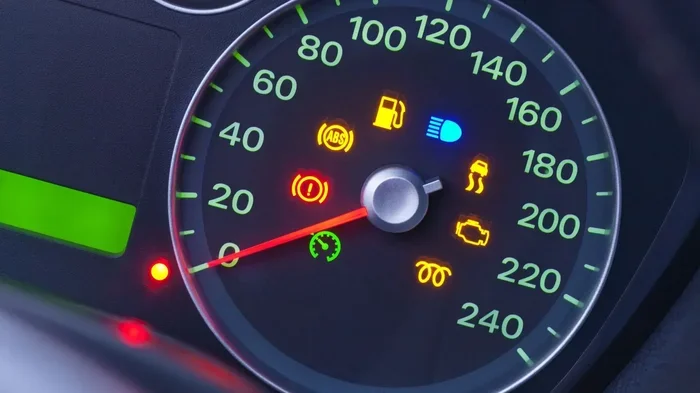
Your car’s check engine light or a dedicated transmission warning light can illuminate for many reasons. Sometimes it is a minor sensor issue. Other times, it signals a serious problem with the transmission or drivetrain.
Do not ignore these lights. Have a mechanic run a diagnostic scan to find out what is happening under the hood.
Leaking Fluid
Transmission fluid is usually red or pink and has a slightly sweet smell. If you see puddles under your car or notice the fluid level dropping, you likely have a transmission leak. Even a small leak can lead to big problems if you do not address it.
Check your fluid regularly. Most cars have a dipstick for the transmission reservoir. If the fluid looks dark or smells burnt, it is time for a transmission flush.
Risks of Driving With Transmission Problems
Now that we know the warning signs, let us talk about the real risks. Driving with transmission problems is not just bad for your car, it can be dangerous too.
Safety Risks on the Road
When your transmission fails while driving, you can lose power to the wheels. In an automatic car, the vehicle might suddenly jolt or refuse to move. In a manual car, the gears might grind or slip out entirely.
Imagine this happening on a highway. You are going 60 miles per hour, and suddenly your car loses the ability to shift gears. This is a frightening and potentially life-threatening situation.
Even if the failure happens at low speeds, you could lose control of the vehicle. This is why it is so important to address transmission problems before they become serious.
Financial Risks
A small transmission problem can become a very expensive one if you keep driving. Here is a rough idea of what can happen:
- Minor leak or low fluid: A fluid top-off or small repair might cost $100 to $300.
- Moderate damage from ignored symptoms: A transmission rebuild can cost $2,500 to $4,000.
- Complete transmission failure: A full transmission replacement can cost $4,000 to $8,000 or more.
As you can see, the cost goes up dramatically when you delay repairs. What starts as a simple transmission flush can turn into a major financial burden if you keep driving with problems.
Damage to Other Vehicle Components
Your transmission does not work alone. It is connected to the engine, drivetrain, and wheels. When the transmission starts to fail, it puts extra stress on all of these parts.
You might end up with clutch problems, engine overheating, or drivetrain damage on top of the original transmission issue. One problem becomes three or four problems, and the repair bill grows fast.
Can You Still Drive Short Distances?
Let us say you are in a tough spot. Your car starts showing signs of transmission problems, but you need to get to the nearest mechanic or home. Is that okay?
In some cases, yes. If the symptoms are mild, you can drive a short distance carefully. Here are some rules to follow:
- Keep the speed low. Stay under 40 miles per hour and avoid highways.
- Do not tow anything. Extra weight puts more stress on the transmission.
- Watch for worsening symptoms. If anything gets worse, pull over and call for a tow.
- Keep the engine running smoothly. If the car starts stalling or losing power, stop right away.
- Get it checked as soon as possible. Even a short drive with transmission problems can cause more damage.
The key word here is short. A few miles to get to a repair shop is very different from driving your normal commute every day. Do not make a habit of it.
When You Should NOT Drive at All
There are certain situations where you should not get behind the wheel at all. If you experience any of the following, call a tow truck:
- The car completely refuses to shift gears.
- You hear loud grinding or clunking noises while moving.
- The vehicle shakes or vibrates severely while driving.
- You smell burning fluid inside the cabin.
- The transmission warning light is flashing, not just on.
- You have completely lost power to the wheels.
In these cases, driving will almost certainly cause more damage. It is safer and often cheaper to pay for a tow than to risk a full transmission failure.
Automatic vs. Manual Transmission: Different Problems, Same Risks
Not all transmission problems are the same. The type of transmission you have plays a big role in what goes wrong and how it affects your driving.
Automatic Transmission Problems
Automatic cars are convenient, but they have their own set of issues. Common problems include:
- Torque converter failure: This can cause slipping, shuddering, or a complete loss of power.
- Shift solenoid problems: The car might shift too early, too late, or not at all.
- Valve body wear: This affects how smoothly the gears change.
- Fluid degradation: Automatic transmission fluid breaks down faster under heavy use.
Driving an automatic with these problems can feel like the car is fighting you. You might notice jerky movements, hesitation, or unexpected gear changes.
Manual Transmission Problems
Manual cars give you more control, but the clutch and gears take more wear and tear. Common issues include:
- Clutch slipping: The clutch does not fully engage, causing a loss of power.
- Difficulty shifting: Gears might grind or feel stiff when you try to change them.
- Clutch chatter: A vibrating feeling when you release the clutch pedal.
- Worn clutch disc: This is a common cause of clutch problems in older manual cars.
Manual transmission problems often feel different from automatic ones. You might hear the gears grinding or feel the clutch slipping under your foot. Either way, continuing to drive only makes things worse.
What to Do When You Notice Transmission Problems
So you have spotted the warning signs. What should you do next? Here is a step-by-step approach to handling transmission problems the right way.
Step 1: Pull Over Safely and Assess
If you notice sudden symptoms while driving, find a safe place to pull over. Turn on your hazard lights and check the situation. Look under the car for any fluid leaks. Check if the transmission fluid dipstick shows a low level.
Step 2: Check the Transmission Fluid
Pop the hood and locate the transmission dipstick. Pull it out, wipe it clean, reinsert it, and pull it out again. Check the fluid level and color.
Healthy transmission fluid is reddish and translucent. If it is dark brown or black, or if it smells burnt, your fluid needs to be changed. Low fluid means you likely have a leak that needs to be fixed.
Step 3: Avoid Aggressive Driving
If you must keep driving, be gentle with the pedals. Avoid sudden acceleration and hard braking. In a manual car, shift smoothly and do not ride the clutch.
Every bit of care you show helps reduce the stress on a struggling drivetrain.
Step 4: Get Professional Help
Even if the car seems to drive okay, schedule an appointment with a mechanic as soon as possible. A professional can run diagnostics, check the fluid condition, and identify the root cause of the transmission problems.
Many shops offer free or low-cost diagnostic checks. It is worth taking advantage of this before a small issue turns into a big one.
Step 5: Follow Through With Repairs
Do not put off recommended repairs. Whether it is a simple transmission flush or a more involved fix, getting it done quickly saves you money and keeps you safe on the road.
How to Prevent Transmission Problems in the Future
The best way to deal with transmission problems is to prevent them from happening in the first place. Regular vehicle maintenance goes a long way.
Stick to a Regular Maintenance Schedule
Follow your car manufacturer’s recommended maintenance schedule. This includes regular fluid changes, filter replacements, and inspections. Most experts suggest a transmission flush every 30,000 to 60,000 miles, but check your owner’s manual for the exact interval.
Watch for Early Warning Signs
Do not wait for obvious problems. If you notice slight hesitation during gear shifting or a faint burning smell, get it checked right away. Early detection is the key to avoiding expensive repairs.
Be Gentle With Your Car
Avoid sudden shifts from reverse to drive. Wait for the car to come to a complete stop before changing gears. In automatic cars, do not slam the accelerator from a standstill. These small habits reduce wear on the transmission over time.
Address Leaks Immediately
If you notice any fluid puddles under your car, do not ignore them. Even a small transmission leak can lead to low fluid levels, overheating, and internal damage. Have a mechanic inspect and seal the leak as soon as possible.
When Transmission Problems Mean It Is Time for a New Car
Sometimes the damage is just too extensive. If the transmission repair cost exceeds the value of your vehicle, it might be time to consider replacing the car.
Here are some signs that it is time to move on:
- The repair estimate is higher than the car’s market value.
- The car has high mileage and other major issues.
- You have already spent a lot on transmission repairs in the past.
- The vehicle fails safety inspections due to transmission problems.
This is a tough decision, but sometimes it is the smartest financial move. A new or used car with a healthy drivetrain will save you from constant headaches and unexpected breakdowns.
Conclusion
So, can you drive a car with transmission problems? The honest answer is: it depends, but you should not. While short, careful drives might be possible in some situations, ignoring transmission problems almost always leads to worse outcomes.
Your transmission is one of the most important parts of your car. It controls how your vehicle moves, shifts, and performs on the road. When it starts to fail, you owe it to yourself and your safety to take action quickly.
Listen to the warning signs. Check your fluid regularly. Get professional help when something feels off. And most importantly, do not push your luck. A little attention today can save you from a major breakdown tomorrow.
Take care of your transmission, and it will take care of you on every drive.
Frequently Asked Questions
What happens if you keep driving with transmission problems?
Continuing to drive with transmission problems causes more wear and tear on the internal components. Small issues like low fluid or minor slipping can quickly escalate into severe damage. Eventually, this can lead to complete transmission failure, which requires a very expensive repair or full replacement.
Is it safe to drive with a slipping transmission?
No, driving with a slipping transmission is not safe. Slipping gears can cause a sudden loss of power or unexpected shifts while driving. This is especially dangerous at higher speeds or in heavy traffic. Pull over safely and arrange for a tow if your transmission is slipping.
How much does it cost to fix transmission problems?
The transmission repair cost varies widely depending on the issue. A simple fluid change might cost $100 to $300. A transmission rebuild can range from $2,500 to $4,000, and a full replacement can exceed $5,000. Getting early diagnostics is the best way to keep costs down.
Can low transmission fluid cause shifting problems?
Yes, low transmission fluid is one of the most common causes of shifting problems. Without enough fluid, the transmission cannot build the proper pressure to engage gears smoothly. This can lead to delayed shifting, slipping gears, and eventually serious internal damage.
How do I know if my transmission fluid needs changing?
Check your fluid using the dipstick. Healthy fluid is reddish and translucent. If the fluid is dark brown or black, smells burnt, or has visible debris, it is time for a transmission flush. Most manufacturers recommend changing the fluid every 30,000 to 60,000 miles.
Can transmission problems cause the check engine light to come on?
Yes, transmission problems often trigger the check engine light. Modern vehicles use sensors to monitor transmission performance, and any irregularity can send a signal to the car’s computer. A diagnostic scan at a repair shop can tell you exactly what is causing the light to come on.



2 Comments