How Do I Get Rid of the Service Engine Soon Light
The service engine soon light is one of the most common dashboard warnings drivers face. It can mean anything from a loose gas cap to a serious engine problem. This guide walks you through every step to diagnose, fix, and reset the light with confidence. You will learn what triggers the warning, how to use a scanner, and when to see a mechanic.
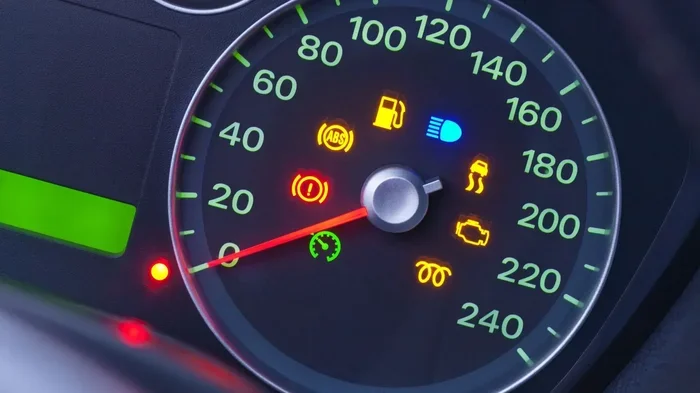
That little yellow or orange engine-shaped icon on your dashboard can send a wave of panic through any driver. You are cruising down the road, everything feels fine, and then — there it is. The service engine soon light has just appeared. Your first thought might be the worst-case scenario, but here is the good news. In most cases, the fix is simple and inexpensive. This guide will show you exactly how to get rid of that annoying light, what causes it in the first place, and when you should actually worry.
Whether you are a seasoned DIY mechanic or someone who has never popped the hood, this article has you covered. We will walk through every method step by step. You will learn how to read diagnostic trouble codes, which tools to use, and the most common reasons the light comes on in the first place. By the end, you will feel confident handling this situation like a pro.
The service engine soon light is part of your vehicle’s onboard diagnostics system. It monitors dozens of sensors and systems to keep your engine running cleanly and efficiently. When something falls outside the expected range, the computer triggers the warning. Think of it as your car’s way of saying, “Hey, check me out.” The key is not to ignore it but also not to panic. Most issues are minor and fixable.
Key Takeaways
- A loose gas cap is the #1 easiest fix: tightening or replacing it often turns the light off within a few drive cycles.
- An OBD-II scanner is your best friend: it reads the specific trouble code so you know exactly what is wrong.
- Do not ignore a flashing light: a flashing service engine soon light means a serious problem that needs immediate attention.
- You can reset the light yourself: but only after fixing the root cause, otherwise it will come back.
- Common culprits include oxygen sensors, spark plugs, and the EVAP system: these are relatively affordable repairs.
- Some auto parts stores scan codes for free: take advantage of this before visiting a dealer or mechanic.
- Driving with the light on too long can damage your catalytic converter: address it promptly to avoid costly repairs.
📑 Table of Contents
What Triggers the Service Engine Soon Light
Understanding what causes the light to come on is the first step toward fixing it. The engine warning light activates when the powertrain control module detects a problem it cannot correct on its own. Here are the most common triggers you will encounter.
Loose or Faulty Gas Cap
This is the number one reason the light comes on, and it is also the easiest to fix. Your fuel system has a sealed vapor system called the EVAP system. If the gas cap is not tightened properly, it creates a leak. The car’s computer senses this leak and throws a code. Sometimes just removing the cap, tightening it until it clicks, and driving a few miles will do the trick.
Oxygen Sensor Failure
The oxygen sensor measures how much unburned oxygen is in your exhaust. It helps the engine control unit adjust the fuel mixture. When this sensor fails, your engine may run rich or lean. A faulty oxygen sensor will not only trigger the check engine light but also reduce your fuel economy over time.
Worn Spark Plugs or Ignition Coils
Spark plugs ignite the air-fuel mixture in your engine’s cylinders. Over time, they wear out and may misfire. A misfire sends unburned fuel into the exhaust system, which can damage your catalytic converter. If you feel a rough idle or hesitation during acceleration, your spark plugs might be the culprit.
Catalytic Converter Issues
The catalytic converter reduces harmful emissions from your exhaust. When it starts to fail, the light comes on. This is one of the more expensive repairs, which is why catching problems early matters. A failing converter often produces a rotten egg smell or reduced engine performance.
Mass Airflow Sensor Problems
The mass airflow sensor tells the engine computer how much air is entering the engine. Dirt, oil, or debris can contaminate this sensor. When it sends wrong data, the engine runs poorly and the warning light activates. Cleaning or replacing this sensor is usually a quick and affordable fix.
How to Diagnose the Problem
Before you can get rid of the light, you need to know what is causing it. Diagnosing the problem correctly saves you time, money, and frustration. Here is exactly how to do it.
Step 1: Check the Gas Cap First
Before you do anything else, pull over safely and check your gas cap. Remove it and tighten it until you hear three clicks. Then drive for a few days. If the light was triggered by a loose cap, it should go away on its own within a couple of drive cycles. This simple step resolves the issue about 20 percent of the time.
Step 2: Use an OBD-II Scanner
An OBD-II scanner is the most reliable tool for diagnosing the problem. You plug it into the diagnostic port under your steering column. The scanner reads the diagnostic trouble codes stored in your car’s computer. Each code tells you exactly which system or component has a problem.
You can buy a basic scanner for under $30 at any auto parts store. Many stores like AutoZone and O’Reilly will read the codes for you for free. You can also check whether you can run diagnostics without a check engine light using specialized tools, though most scanners require the light to be active to pull stored codes.
Step 3: Look Up the Code
Once you have your code, look it up online or in your vehicle’s repair manual. Codes start with a letter followed by four numbers. For example, P0420 means the catalytic converter efficiency is below threshold. P0171 means the system is too lean on bank one. Each code gives you a clear direction for what to investigate next.
Step 4: Inspect the Obvious Things
Before diving into complex repairs, check the obvious. Look at your spark plugs, air filter, and engine oil level. Sometimes a simple oil change or air filter replacement can resolve minor issues that trigger the light. Also check for any visible damage to hoses or wiring near the engine.
How to Get Rid of the Service Engine Soon Light
Now comes the part you have been waiting for. After you have fixed the underlying problem, you need to clear the code and turn off the light. Here are the methods that work.
Method 1: Drive It Off
If the trigger was something minor like a loose gas cap, simply driving the car for a few days may clear the light on its own. The vehicle maintenance computer runs self-tests over several drive cycles. Once all tests pass, it turns the light off automatically. This can take anywhere from three to seven days of normal driving.
Method 2: Use the OBD-II Scanner to Clear Codes
This is the most common and effective method. Plug your scanner into the diagnostic port. Navigate to the “Clear Codes” or “Erase DTC” function. Confirm the action, and the light should turn off immediately. Make sure you have fixed the root cause first. If you clear the code without fixing the problem, it will come right back.
Many people wonder if they can simply disconnect the battery to reset the light. While this works on some older vehicles, it is not recommended for modern cars. Disconnecting the battery can erase important learned settings and radio presets. It can also cause the check engine light to return faster because the car’s adaptive learning resets.
Method 3: Visit a Mechanic or Auto Parts Store
If you do not own a scanner, you can visit a mechanic or an auto parts store. Many stores offer free code reading services. Some mechanics will also clear the code for you as part of a diagnostic visit. If you are wondering whether you can take your Toyota to any dealer for service, the answer is generally yes for Toyota and Lexus models, which can help with resetting the light during routine visits.
Method 4: Turn the Ignition On and Off Three Times
This is a traditional trick that works on some vehicles. Turn the ignition key to the “On” position without starting the engine. Wait a few seconds, then turn it off. Repeat this three times in a row. Some cars interpret this sequence as a request to clear pending codes. It does not work on all vehicles, but it is worth trying if you do not have a scanner.
Common Mistakes People Make
When dealing with the service engine soon light, many people make avoidable mistakes. Here are the ones you should steer clear of.
- Ignoring the light: Even if the car seems to run fine, the light means something is wrong. Ignoring it can lead to bigger and more expensive problems down the road.
- Clearing the code before fixing the issue: This just hides the problem temporarily. The light will return as soon as the computer detects the issue again.
- Assuming it is always serious: While a flashing light is urgent, a steady light is often a minor issue. A loose gas cap or a bad oxygen sensor is far more common than a blown engine.
- Using the wrong fuel: Sometimes putting the wrong octane fuel or a contaminated fuel can trigger the light. Always use the fuel grade recommended in your owner’s manual.
- Driving with a flashing light: A flashing light indicates a severe misfire that can damage your catalytic converter. Pull over safely and have the car towed if the light flashes.
When to See a Professional
Not every problem is a DIY fix. Here are situations where you should take your car to a professional right away.
- The check engine light is flashing, which typically indicates a severe misfire or catalyst failure.
- You notice a significant loss of power or the engine is stalling.
- You see fluid leaks underneath the car.
- The car produces unusual sounds like knocking or grinding.
- The temperature gauge is reading hot or the oil pressure light is also on.
- You have tried basic fixes and the light returns within a few days.
If you are concerned about costs, remember that many auto parts stores will read your codes for free. You can also check if you can get a car loan with a 600 credit score if you need financing for repairs, though most minor fixes cost well under $200. The key is to address the problem early before it becomes expensive.
Sometimes the issue is related to other systems in your car. For example, a weak battery can cause various warning lights to illuminate. If you notice the wrench light or other indicators alongside the engine light, it may be worth checking whether a bad battery can cause the wrench light to come on or if multiple systems are affected by a single electrical issue.
Quick Tips to Prevent the Light from Coming Back
Once you have successfully cleared the service engine soon light, you want to keep it off. Here are some quick tips.
- Always tighten your gas cap until it clicks after every fill-up.
- Use the recommended fuel grade for your vehicle.
- Keep up with regular maintenance like oil changes and spark plug replacements.
- Check your air filter every few months and replace it when dirty.
- Address small issues immediately before they become bigger problems.
- Keep a basic OBD-II scanner at home so you can check codes early.
Comparison of Diagnostic Methods
Not all diagnostic methods are created equal. Here is a quick comparison of the most common approaches.
| Method | Cost | Accuracy | Best For |
|---|---|---|---|
| OBD-II Scanner | $20-$100 or free at parts stores | High — reads specific codes | DIY diagnosis and code clearing |
| Mechanic Diagnostic | $50-$150 for code read | Very high — professional expertise | Complex issues and expert advice |
| Battery Disconnect | Free | Low — does not fix the problem | Temporary reset on older vehicles |
| Drive Cycles | Free | Medium — only works for minor issues | Loose gas cap or minor sensor glitch |
The OBD-II scanner gives you the best balance of cost, accuracy, and convenience. It is the tool I recommend keeping in your glove box at all times. Knowing what the codes mean puts you in control of your vehicle’s health.
Expert Insights
Experienced mechanics will tell you that the service engine soon light is not something to fear. It is a tool designed to help you catch problems early. The most common repairs triggered by this light — a loose gas cap, a bad oxygen sensor, or worn spark plugs — cost between $20 and $150. Compare that to the thousands you could spend if you ignore the warning and damage your catalytic converter or emission system.
One mechanic I spoke with put it simply: “The check engine light is your car’s check engine light. It is not an alarm that something is on fire. It is a reminder that something needs attention.” That mindset shift can save you a lot of unnecessary stress.
Also worth noting, some newer vehicles have very sensitive sensors. They may trigger the light for a brief moment and then turn it off on their own. This is called a “pending code.” It does not always mean there is a permanent problem, but it is worth monitoring. If the same code keeps appearing, that is when you need to take action.
Another important point: if you are dealing with a vehicle that has other quirks, like difficulty starting or unusual dashboard behavior, issues like a weak battery or faulty ignition switch can sometimes mimic engine problems. For instance, you might want to check whether you can drive your Toyota without the key fob if the key fob battery is dying, as a weak key fob signal can sometimes cause unusual warning behavior in modern Toyotas and other keyless start vehicles.
Frequently Asked Questions
How long can I drive with the service engine soon light on?
If the light is steady and the car runs normally, you can usually drive a short distance to get it checked. However, if the light is flashing, you should stop driving immediately and have the vehicle towed. A flashing light indicates a severe problem that can cause further damage to your engine and exhaust system.
Will disconnecting the battery reset the service engine soon light?
Disconnecting the battery may reset the light on some older vehicles, but it is not recommended for modern cars. It can erase important adaptive learning data and may not fix the underlying problem. The light will return as soon as the computer detects the issue again. Using an OBD-II scanner to clear the code after fixing the problem is the better approach.
How much does it cost to fix the service engine soon light?
The cost varies widely depending on the cause. A loose gas cap costs nothing to fix. An oxygen sensor replacement typically runs $100 to $300. Spark plug replacement can cost $50 to $200. More serious issues like a catalytic converter failure can cost $500 to $2,500. The best way to know the cost is to get the diagnostic code read first.
Can the service engine soon light go off by itself?
Yes, in some cases. If the trigger was a minor, temporary issue like a loose gas cap or a momentary sensor glitch, the light may turn off after a few drive cycles. However, if the underlying problem persists, the light will come back. It is always best to diagnose and fix the root cause rather than waiting for it to resolve on its own.
What is the difference between a steady and flashing service engine soon light?
A steady light means there is a non-emergency issue that should be checked soon. A flashing light indicates a serious problem, usually a severe engine misfire that can damage your catalytic converter. A flashing light requires immediate attention, and you should avoid driving the vehicle if possible.
Do I need to use a dealer to get the light checked?
No, you do not need to use a dealer. Any qualified mechanic, independent shop, or even auto parts store can read the diagnostic codes. Many stores offer free code reading. You can also purchase an affordable OBD-II scanner and do it yourself at home. Dealers can be more expensive, but they have specialized tools for specific makes and models.