How Do You Diagnose a Bad CVT Transmission Correctly
Diagnosing a bad CVT transmission starts with recognizing warning signs like slipping, delayed engagement, and unusual noises. You can perform simple checks at home, such as inspecting transmission fluid and watching for dashboard alerts. A professional mechanic can run deeper diagnostics using OBD-II scanners and road tests to pinpoint the exact issue.
Your car’s CVT transmission is one of the most important parts under the hood. When it starts failing, it doesn’t just affect performance. It can leave you stranded on the side of the road. But here’s the good news. You don’t need to be a mechanic to spot the early warning signs. With the right knowledge, you can catch problems before they turn into expensive repairs.
So, how do you diagnose a bad CVT transmission correctly? The answer involves a mix of observation, basic checks, and sometimes professional tools. In this guide, we’ll walk you through every step. You’ll learn what to listen for, what to look for, and when it’s time to call in the pros. Whether you drive a Nissan, Subaru, or another vehicle with a continuously variable transmission, this article has you covered.
Let’s dive in and make sure your transmission stays healthy for miles to come.
Key Takeaways
- Know the Signs: Slipping, shuddering, and delayed response are the top indicators of a failing CVT.
- Check Your Fluid: Dirty or low transmission fluid is a common culprit behind CVT problems.
- Use Diagnostic Tools: An OBD-II scanner can reveal hidden transmission error codes quickly.
- Don’t Ignore Warning Lights: The check engine light often points to transmission issues early on.
- Seek Professional Help: A trained mechanic can perform road tests and live data analysis for accurate diagnosis.
- Act Early: Catching CVT issues early can save you thousands in costly repairs or full replacement.
📑 Table of Contents
- What Is a CVT Transmission and Why Does It Fail?
- Top Warning Signs of a Bad CVT Transmission
- How to Diagnose a Bad CVT Transmission at Home
- Professional Diagnostic Tools and Methods
- Common Mistakes People Make When Diagnosing CVT Problems
- When to Seek Professional Help
- How to Prevent Future CVT Transmission Problems
- How Mechanics Check Transmission Fluid During an Oil Change
- Comparison: DIY Diagnosis vs. Professional Diagnosis
- Conclusion
What Is a CVT Transmission and Why Does It Fail?
A continuously variable transmission works differently from a traditional automatic. Instead of fixed gear ratios, it uses a pulley system to provide seamless acceleration. This design makes your car feel smooth and fuel-efficient. But it also means there are more moving parts that can wear out over time.
How a CVT Works in Simple Terms
Think of a CVT like a belt running between two pulleys. One pulley connects to the engine. The other connects to the wheels. As you accelerate, the pulleys change width. This adjusts the gear ratio without any noticeable shifts. It’s clever engineering. But all that moving metal and rubber wear down eventually.
Common Reasons CVTs Fail
Several factors contribute to CVT failure. Understanding them helps you prevent damage before it starts.
- Low Transmission Fluid: Insufficient fluid causes friction and overheating.
- Dirty Fluid: Old fluid loses its lubricating properties over time.
- Solenoid Malfunction: A bad transmission solenoid disrupts fluid pressure.
- Belt or Chain Wear: The internal belt or chain can stretch or snap.
- Overheating: Towing heavy loads or stop-and-go traffic strains the CVT.
- Manufacturing Defects: Some CVT models have known reliability issues from the factory.
Knowing these causes helps you understand what your mechanic is talking about when they diagnose the problem. It also gives you a better sense of whether the issue is something simple or something serious.
Top Warning Signs of a Bad CVT Transmission
Your car talks to you. You just need to know what it’s saying. Here are the most common transmission warning signs that point to a failing CVT.
Slipping Gears
Does your car feel like it’s losing power while accelerating? That’s transmission slipping, and it’s one of the most common CVT problems. You might notice the engine revs higher without a corresponding increase in speed. This happens when the internal belt or pulleys can’t maintain proper grip.
Delayed Engagement
When you shift from Park to Drive, do you wait a few seconds before the car moves? A slight delay is normal. But if you notice a long pause or a lurch forward, that’s a red flag. Delayed engagement often means the transmission fluid isn’t flowing properly.
Unusual Noises
A healthy CVT should be nearly silent. If you hear whining, grinding, or buzzing sounds, pay attention. These abnormal noises often indicate metal-on-metal contact inside the transmission. Don’t ignore them.
Vibration and Shuddering
Feeling a shudder or vibration through the car, especially at higher speeds? This is sometimes called a “CVT shudder.” It happens when the internal components aren’t working smoothly. Worn fluid or a failing pulley system can cause this issue.
Check Engine Light
The check engine light is your car’s way of waving a red flag. While it can signal many things, transmission problems are a common cause. If the light comes on alongside any of the symptoms above, get your transmission diagnosis done soon.
Fluid Leaks
Puddles under your car are never a good sign. CVT fluid is usually reddish or brownish. If you see leaks near the middle of your car, check the fluid level immediately. Low fluid leads to overheating and accelerated wear.
How to Diagnose a Bad CVT Transmission at Home
Before you visit a mechanic, there are several things you can check yourself. These simple steps can give you a good idea of what’s going on with your CVT maintenance situation.
Step 1: Check the Transmission Fluid
This is the single most important DIY check you can do. Here’s how:
- Park your car on a level surface and let the engine warm up.
- Locate the transmission dipstick (consult your owner’s manual if needed).
- Pull the dipstick, wipe it clean, reinsert it, then pull it out again.
- Check the fluid level against the “full” and “low” marks.
- Examine the fluid color. Healthy fluid is reddish and transparent.
Quick Tip: If the fluid smells burnt or looks dark brown, it’s time for a change. Dirty fluid is one of the leading causes of CVT problems.
Step 2: Look for Warning Lights on the Dashboard
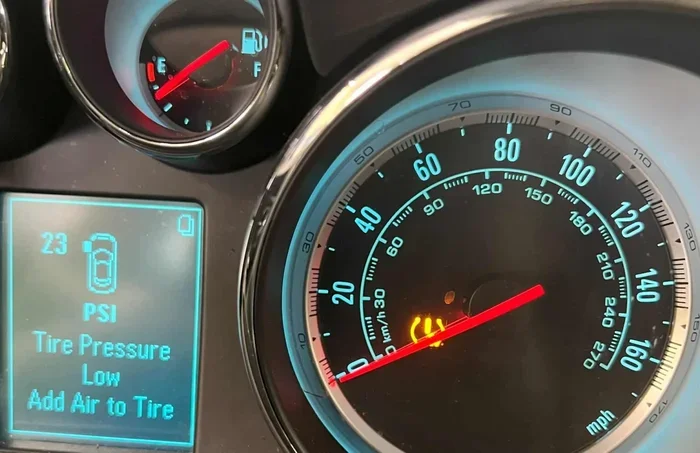
Take a moment to look at your dashboard. Are there any warning lights? The check engine light, transmission temperature light, or service light can all point to transmission issues. Don’t just reset the light and ignore it. Have someone read the codes with a scanner.
Step 3: Perform a Road Test
Take your car for a short drive and pay close attention to how it behaves. Listen for unusual sounds during acceleration and deceleration. Notice any slipping, shuddering, or hesitation. Write down your observations. This information is incredibly valuable when you visit a mechanic.
Step 4: Inspect for Physical Damage
Look under your car for any visible leaks, drips, or damage to the transmission housing. Also check the driveshaft and CV joints. Sometimes what feels like a transmission problem is actually a worn CV joint or axle shaft.
Professional Diagnostic Tools and Methods
While home checks are helpful, a professional mechanic has tools that go much deeper. Here’s what a proper transmission diagnosis typically involves.
OBD-II Scanner Diagnosis
Modern vehicles store error codes in their computer systems. A mechanic plugs an OBD-II scanner into the car’s diagnostic port. This tool reads the codes and tells the technician exactly what’s going wrong. For CVT issues, common codes include P0700 (transmission malfunction) and P0776 (pressure control solenoid).
Live Data Analysis
Beyond reading codes, a skilled technician can view live data from sensors in real time. They can monitor transmission fluid temperature, shift pressure, and pulley position. This helps them see exactly what the transmission is doing while you drive.
Road Test with Diagnostic Equipment
A professional road test involves driving the car while connected to diagnostic equipment. The technician watches the data as you accelerate, brake, and shift. This real-world test reveals problems that might not show up in a static inspection.
Physical Inspection and Fluid Analysis
A mechanic will also drain the transmission fluid and inspect it for metal particles. Tiny pieces of metal in the fluid mean internal components are wearing down. A fluid analysis lab can tell you exactly what’s happening inside the transmission without opening it up.
Common Mistakes People Make When Diagnosing CVT Problems
Avoiding mistakes saves you time, money, and frustration. Here are the most common errors people make when dealing with transmission issues.
- Ignoring Early Warning Signs: Small symptoms like slight slipping can become major failures fast. Don’t wait.
- Adding the Wrong Fluid: CVTs need specific fluid types. Using the wrong one can cause damage. Always check your owner’s manual.
- Assuming It’s Just the Fluid: Sometimes the problem is deeper than fluid. A mechanic needs to check solenoids, pulleys, and internal components.
- Delaying Repairs: The longer you wait, the worse the damage gets. What starts as a $500 repair can become a $3,000+ replacement.
- Skipping Regular Maintenance: Routine CVT maintenance like fluid changes goes a long way in preventing failures.
Expert Insight: Many people try to diagnose transmission problems using only internet forums and YouTube videos. While those resources can be helpful, they can’t replace a hands-on diagnostic. Always combine DIY checks with professional evaluation for the most accurate results.
When to Seek Professional Help
Not every transmission issue requires a trip to the mechanic. But some situations absolutely do. Here’s when you should stop DIY troubleshooting and call in the experts.
- The check engine light is flashing (not just steady).
- Your car won’t move at all in Drive or Reverse.
- You hear loud grinding or clunking noises.
- You notice significant fluid leaks under the car.
- Home checks show metal particles in the fluid.
- The transmission fluid smells strongly of burning.
If you’ve noticed any of these, it’s time to visit a qualified transmission specialist. They have the equipment and expertise to give you a definitive answer. And remember, if you’re wondering whether you can still drive safely, check out our guide on can you drive a car with transmission problems for important safety information.
How to Prevent Future CVT Transmission Problems
Prevention is always better than cure. Here’s how to keep your CVT healthy and avoid costly repairs down the road.
Follow the Manufacturer’s Maintenance Schedule
Every car comes with a recommended maintenance schedule. For CVTs, fluid changes are typically required every 30,000 to 60,000 miles. Stick to this schedule. It’s the single best thing you can do for your transmission’s longevity.
Use the Right Transmission Fluid
Not all fluids are created equal. CVTs require specific formulations designed for their pulley and belt systems. Using generic automatic transmission fluid can cause premature wear. Always check your owner’s manual for the correct specification.
Avoid Aggressive Driving
Hard launches, rapid acceleration, and towing beyond your vehicle’s capacity all strain the CVT. Smooth driving habits extend the life of your transmission significantly.
Monitor Fluid Levels Regularly
Make it a habit to check your transmission fluid at least once a month. Catching a slow leak early can prevent a catastrophic failure. This is a simple habit that pays off big time.
Address Small Issues Immediately
Don’t brush off small symptoms. A slight delay in engagement or a faint whine today can become a complete failure next month. Early intervention is always cheaper and easier.
For more information on transmission longevity, check out our article on at what mileage does a transmission go bad. Understanding when transmissions typically fail helps you plan ahead.
How Mechanics Check Transmission Fluid During an Oil Change
Many car owners wonder whether their mechanic actually checks the transmission fluid during a routine oil change. The answer is: it depends. Some shops include it as part of their standard inspection. Others only check it if you ask. During an oil change, a good mechanic will:
- Inspect the transmission fluid level and condition.
- Check for leaks around the transmission pan and seals.
- Look for discoloration or burnt smell in the fluid.
- Recommend a fluid change if the fluid is dirty or degraded.
If you want your transmission fluid checked during every oil change, just ask. It takes a few extra minutes and could save you from a major breakdown. To learn more about this process, read our detailed article on do mechanics check transmission fluid during an oil change.
Also, if you’re dealing with a Nissan vehicle specifically, CVT reliability is a common concern. Nissan CVTs have had their share of issues, and many owners wonder whether a rebuild is possible. You can find more on that topic in our article on can you rebuild a Nissan CVT transmission.
Comparison: DIY Diagnosis vs. Professional Diagnosis
Wondering whether you should diagnose CVT problems yourself or leave it to the pros? Here’s a quick comparison to help you decide.
| Factor | DIY Diagnosis | Professional Diagnosis |
|---|---|---|
| Cost | Free or minimal | $100-$300 for inspection |
| Accuracy | Limited to visible signs | High with proper tools |
| Tools Needed | Dipstick, basic tools | OBD-II scanner, live data software |
| Time Required | 30-60 minutes | 1-2 hours |
| Depth of Insight | Surface-level | Deep internal analysis |
| Best For | Early warning checks | Confirmed or complex issues |
The best approach combines both. Start with DIY checks at home. If you notice anything concerning, head to a professional for a thorough transmission diagnosis. This strategy catches problems early and keeps repair costs manageable.
Understanding your CVT transmission doesn’t have to be overwhelming. With the right information and a proactive mindset, you can keep your car running smoothly for years. Trust your instincts. If something feels off, get it checked. Your wallet will thank you later.
Conclusion
Diagnosing a bad CVT transmission doesn’t have to be scary. By knowing the warning signs, performing basic checks, and understanding when to seek professional help, you take control of your car’s health. Transmission diagnosis is all about paying attention and acting quickly. Whether you catch a fluid leak early or notice a subtle shudder, every observation matters.
Remember, your CVT is a complex but reliable system when properly maintained. Regular fluid changes, smooth driving habits, and prompt attention to warning signs go a long way. And when in doubt, don’t hesitate to consult a professional. A few dollars spent on diagnosis today can save you thousands tomorrow.
Stay proactive. Stay informed. And keep your CVT transmission running strong for many miles ahead.
Frequently Asked Questions
What are the first signs that my CVT transmission is going bad?
The earliest signs include slipping during acceleration, delayed engagement when shifting from Park to Drive, and unusual whining or grinding noises. You might also notice vibrations or shuddering at higher speeds. If you experience any of these symptoms, it’s important to check your transmission fluid and get a professional diagnosis soon.
Can I still drive my car if the CVT transmission is failing?
It’s not recommended. Driving on a failing CVT can cause further internal damage and lead to much more expensive repairs. In some cases, the transmission may completely fail while you’re driving, which can be dangerous. If you notice transmission warning signs, have your car inspected as soon as possible.
How much does it cost to diagnose a CVT transmission problem?
A basic diagnostic inspection typically costs between $100 and $300, depending on your location and the shop. This includes reading error codes with an OBD-II scanner, checking fluid condition, and performing a road test. More in-depth diagnostics with live data analysis may cost a bit more, but they provide a more accurate picture of the problem.
Is CVT transmission fluid change really necessary?
Yes, absolutely. CVT fluid lubricates the pulleys, belt, and internal components. Over time, the fluid breaks down and loses its effectiveness. Dirty fluid causes increased friction, overheating, and accelerated wear. Most manufacturers recommend changing CVT fluid every 30,000 to 60,000 miles to keep the transmission running smoothly.
Can low transmission fluid cause a CVT to slip?
Yes, low fluid is one of the most common causes of CVT slipping. Without enough fluid, the pulleys can’t maintain proper pressure, and the belt loses grip. This results in the engine revving higher without a corresponding increase in speed. If you suspect low fluid, check the level immediately and top it off with the correct CVT fluid type.
How long does a CVT transmission last before it needs major repair?
With proper maintenance, a CVT transmission can last between 100,000 and 150,000 miles. However, some models experience issues earlier, especially if the fluid isn’t changed regularly or if the car is driven in harsh conditions. Following the manufacturer’s maintenance schedule and addressing small problems early are the best ways to extend your CVT’s lifespan.