After Windshield Replacement Care Tips You Need to Know
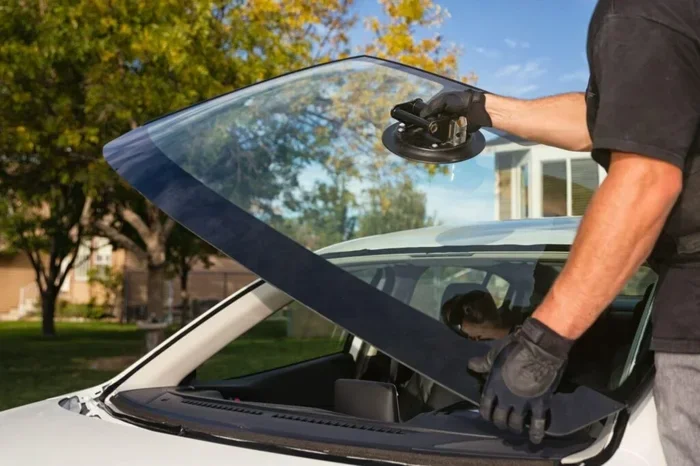
After windshield replacement care tips are essential for keeping your new glass safe, sealed, and long-lasting. Proper care during the first 24 hours prevents leaks, cracks, and adhesive failure. You will learn the critical do’s and don’ts, driving restrictions, and long-term maintenance steps. Following these simple guidelines protects your investment and keeps you safe on the road. Let us walk you through everything you need to know.
Getting a new windshield is a big deal for your car. It is not just about replacing a cracked or damaged piece of glass. It is about keeping your vehicle safe, structurally sound, and road-ready. But here is the thing many people miss. The job does not end when you drive away from the shop. What you do after the replacement matters just as much as the installation itself. That is exactly why we put together these after windshield replacement care tips. Whether you just got a new windshield or are planning for one soon, this guide will walk you through everything you need to know. We will cover the critical first hours, daily do’s and don’ts, long-term maintenance, and common mistakes to avoid. By the end, you will feel confident caring for your new windshield the right way.
Let us be honest. Most of us do not think about windshield care until something goes wrong. A small crack turns into a full break. A loose seal leads to water leaks inside the car. These problems are frustrating and often expensive to fix. The good news is that proper aftercare makes all the difference. A few simple habits in the days and weeks following your replacement can extend the life of your windshield by years. So let us dive in and make sure you are doing everything right.
Key Takeaways
- Wait at least 1 to 2 hours before driving after a windshield replacement to let the adhesive set properly.
- Keep your car dry for 24 to 48 hours to allow the urethane adhesive to fully cure and create a strong seal.
- Avoid high-pressure car washes, heavy loads, and rough roads during the first few days to protect the new windshield and seal.
- Check your windshield seal regularly for signs of leaks, gaps, or damage to catch problems early.
- Get ADAS recalibration if your vehicle has advanced driver assistance systems after a windshield replacement.
- Use a windshield protector or cover during extreme weather to prevent stress on the new glass and adhesive.
- Avoid slamming doors or placing heavy items on the dashboard, as extra pressure can weaken the windshield seal.
📑 Table of Contents
- Why Proper Care After Windshield Replacement Matters
- The First 24 Hours: Critical Do’s and Don’ts
- How Long to Wait Before Driving After Windshield Replacement
- Maintaining Your Windshield Seal and Adhesive
- Common Mistakes to Avoid After Windshield Replacement
- Long-Term Windshield Maintenance for Lasting Protection
- Expert Insights on Windshield Aftercare
- Key Takeaways
- Conclusion
Why Proper Care After Windshield Replacement Matters
Your windshield does more than just keep bugs and wind out of your face. It is a key structural part of your car. In a rollover accident, the windshield helps support the roof. It also plays a big role in airbag deployment. When the windshield is new, the adhesive that holds it in place needs time to reach full strength. Rushing the process or ignoring aftercare can weaken that bond. This can lead to leaks, vibrations, or even a windshield popping out in a crash. That is why following proper after windshield replacement care tips is so important. It protects your safety and your wallet.
Think of the adhesive like a glue that needs time to bond. If you treat the windshield roughly during those early hours and days, you risk disrupting the curing process. The good thing is that the steps are simple. Most of them just require a little patience. Let us break down exactly what to do and what to avoid.
The Role of Urethane Adhesive
Modern windshields are held in place by a special urethane adhesive. This glue creates a strong bond between the glass and the car frame. It also provides a watertight seal. During the first day, this adhesive goes through a curing process. Curing means the glue hardens and reaches its full strength. Most urethane adhesives need at least 24 hours to cure properly. Some advanced adhesives may need longer. This is why your installer probably told you to wait before driving. The curing time depends on factors like temperature, humidity, and the type of adhesive used. Understanding this process helps you see why those first hours are so important.
How Temperature Affects Adhesive Curing
Temperature plays a huge role in how well your adhesive cures. In warm weather, the adhesive sets faster. In cold weather, it takes longer. Ideally, the temperature should be at least 50°F for the adhesive to cure properly. If it is too cold, the curing process slows down significantly. Some shops use heated garages or curing blankets to speed things up. If you get your windshield replaced on a cold day, be extra careful. Give yourself extra time before driving or exposing the car to water. This is one of the most overlooked after windshield replacement care tips, but it makes a real difference.
The First 24 Hours: Critical Do’s and Don’ts
The first day after a windshield replacement is the most important. During this time, the adhesive is setting and the seal is forming. Taking the right steps ensures a strong bond. Skipping these steps can lead to problems down the road. Here is what you need to know.
Do’s During the First 24 Hours
- Keep the car stationary. Park your car in a safe spot and leave it there. Avoid moving it unless absolutely necessary.
- Keep the windows closed. Opening and closing windows puts pressure on the new seal. Keep them shut for at least 24 hours.
- Run the air conditioning on recirculate. If you need to cool down the car, use recirculate mode. Avoid using the defrost setting, as it pushes air directly onto the windshield.
- Check for leaks gently. After 24 hours, look for any signs of water seepage around the edges. A small drip is normal at first, but persistent leaking needs attention.
- Keep the car clean and dry. Avoid getting water near the windshield edges. No washing the car yet.
Don’ts During the First 24 Hours
- Do not drive the car for at least 1 to 2 hours. This gives the adhesive time to start bonding. Your installer may give you a specific time. Follow their advice.
- Do not place heavy items on the dashboard. Heavy objects put downward pressure on the windshield. This can disrupt the curing adhesive.
- Do not slam the doors. Slamming doors creates vibrations that can weaken the seal. Close doors gently and slowly.
- Do not use the car wash. High-pressure water and chemicals can damage the curing adhesive and compromise the seal.
- Do not remove any retention tape or stickers. Your installer may place tape around the edges to hold the windshield in place. Leave it on until they tell you to remove it.
A Quick Comparison: First 24 Hours Do’s vs. Don’ts
| Do’s | Don’ts |
|---|---|
| Keep the car parked and still | Do not drive for at least 1 to 2 hours |
| Keep windows closed | Do not open or close windows |
| Use AC on recirculate only | Do not use the defrost setting |
| Check for leaks gently after 24 hours | Do not use a car wash or high-pressure water |
| Keep the car dry around the edges | Do not place heavy items on the dashboard |
These simple rules make a big impact. Sticking to them during the first 24 hours sets the foundation for a strong, lasting windshield seal. Many people skip these steps and end up with leaks or a loose windshield. Do not let that be you.
How Long to Wait Before Driving After Windshield Replacement
One of the most common questions people ask is, “When can I drive my car?” The answer depends on a few factors. Most installers recommend waiting at least 1 to 2 hours before driving. This gives the adhesive enough time to start bonding to the frame. However, some advanced adhesives may require a longer wait. Always follow the specific advice from your installer. They know the product they used and the conditions during installation.
Driving too soon can put stress on the curing adhesive. The vibration from the road, the movement of the car, and even turning the steering wheel can affect the bond. If you drive too early, you risk the windshield shifting or the seal not forming properly. This can lead to leaks, wind noise, or even a dangerous situation on the road.
Factors That Affect Driving Wait Time
Several things influence how long you should wait before driving. Let us look at the key factors.
- Type of adhesive used: Standard adhesives may need 1 to 2 hours. High-strength or fast-cure adhesives may allow earlier driving.
- Temperature and weather: Cold or humid conditions slow down curing. In these cases, wait longer before driving.
- Vehicle type: Larger vehicles like trucks and SUVs may require longer wait times due to the size of the windshield.
- Installation quality: A proper installation with the right amount of adhesive sets faster and stronger.
- Windshield features: If your windshield has rain sensors, heating elements, or ADAS cameras, extra care may be needed.
When in doubt, wait a little longer. It is better to be safe than sorry. These after windshield replacement care tips are simple, but they protect you and your investment.
Maintaining Your Windshield Seal and Adhesive
Once the first 24 hours are over, you can start using your car more normally. But the care does not stop there. Maintaining the seal and adhesive over time is essential for long-lasting performance. A good seal keeps water out, reduces wind noise, and maintains the structural integrity of your car.
Checking the Seal Regularly
Make it a habit to inspect your windshield seal every few weeks. Look for any gaps, cracks, or discoloration around the edges. A healthy seal should be smooth and uniform. If you notice any gaps or the seal looks cracked, contact a professional right away. Small seal problems can turn into big water leaks if left unchecked.
Pay special attention after extreme weather events. Heavy rain, snow, or temperature swings can put stress on the seal. A quick inspection after a storm can catch issues early. This is one of the easiest after windshield replacement care tips to follow, and it pays off in the long run.
Cleaning Your Windshield the Right Way
Cleaning your windshield might seem simple, but the wrong method can cause damage. Use a soft microfiber cloth and a gentle glass cleaner. Avoid harsh chemicals or abrasive cleaners. These can degrade the adhesive and damage the edges of the windshield.
Also, be gentle when cleaning around the edges. The seal is most vulnerable near the perimeter of the glass. Never use a pressure washer directly on the windshield edges. The high pressure can push water under the seal and weaken the adhesive bond. Stick to a gentle hand wash or a soft sponge with warm water.
Dealing with Windshield Chips and Cracks
Even with a new windshield, chips and cracks can happen. A small rock chip can turn into a large crack if left untreated. If you notice any damage, get it repaired as soon as possible. Small chips are easy and cheap to fix. Large cracks may require a full replacement again.
Keep a windshield repair kit in your car for emergencies. These kits can temporarily seal small chips and prevent them from spreading. However, they are not a permanent fix. Visit a professional for a proper repair or replacement when needed. Quick action saves money and keeps your windshield strong.
Common Mistakes to Avoid After Windshield Replacement
Mistakes happen, and that is okay. But some common errors after a windshield replacement can cause serious problems. Knowing what to avoid saves you time, money, and stress. Here are the top mistakes people make and how to prevent them.
Mistake 1: Driving Too Soon
This is the number one mistake. The adhesive needs time to cure, and driving too soon can compromise the bond. Always wait at least 1 to 2 hours, or longer if recommended by your installer. If the weather is cold or humid, give yourself even more time.
Mistake 2: Ignoring ADAS Recalibration
Many modern vehicles come equipped with advanced driver assistance systems, or ADAS. These systems include features like lane departure warning, automatic emergency braking, and adaptive cruise control. The cameras and sensors for these systems are often mounted near or on the windshield. When you replace a windshield, these sensors may need recalibration. Skipping this step can cause the ADAS features to malfunction. Always ask your installer about ADAS recalibration as part of your after windshield replacement care tips.
Mistake 3: Using the Car Wash Too Soon
It is tempting to drive through the automatic car wash after getting a new windshield. Resist that urge. High-pressure water can damage the curing adhesive and push water under the seal. Wait at least 48 to 72 hours before taking your car through any wash. Even then, avoid high-pressure settings near the windshield edges.
Mistake 4: Forgetting About Temperature Extremes
Extreme heat and cold put stress on your windshield and the adhesive. In summer, the glass expands. In winter, it contracts. These changes can weaken the seal over time. Use a windshield sunshade in hot weather. In cold weather, let your car warm up gradually instead of blasting the defrost right away. These small habits protect your windshield from thermal stress.
Mistake 5: Not Following Up with Your Installer
Many people forget to check back with their installer after the replacement. Your installer can provide specific guidance based on the adhesive and windshield used. They can also schedule a follow-up inspection to make sure everything is holding up. Do not skip this step. It is one of the most valuable after windshield replacement care tips you can follow.
Long-Term Windshield Maintenance for Lasting Protection
Once the first few days are over, you can settle back into your normal routine. But a little ongoing care goes a long way. Long-term maintenance keeps your windshield clear, strong, and leak-free for years to come. Here are some habits to build into your regular car care routine.
Protect Your Windshield from Damage
Windshield damage often comes from small, everyday events. Rocks kicked up by other cars, temperature changes, and even parking under trees can cause chips and cracks. Here are some simple ways to protect your windshield.
- Keep a safe distance from trucks and construction vehicles. These vehicles often kick up rocks and debris that can chip your windshield.
- Park in shaded areas or use a sunshade. UV rays and extreme heat weaken the adhesive and can cause the windshield to expand and contract.
- Avoid parking under trees. Falling branches, sap, and bird droppings can damage the glass and the seal over time.
- Fix small chips immediately. A small chip can spread into a large crack with just one more impact or temperature change.
Maintain Your Windshield Wipers
Worn-out wipers can scratch your windshield and reduce visibility. Replace your wipers every 6 to 12 months. Use a quality windshield washer fluid that is designed for auto glass. Avoid using water alone, as it does not clean as effectively and can leave streaks. Clean your wipers regularly with a damp cloth to remove dirt and debris that can scratch the glass.
Watch for Signs of Seal Failure
Over time, the seal around your windshield can wear down. Watch for these warning signs. Water leaks inside the car, especially near the dashboard. Wind noise coming from around the edges of the windshield. Visible gaps or cracks in the seal. If you notice any of these, get your windshield inspected right away. Catching seal problems early prevents water damage to your car’s interior and keeps the windshield secure.
When to Consider a Second Replacement
Even with the best care, windshields do not last forever. Most windshields last 10 to 15 years with proper maintenance. However, if you notice recurring leaks, large cracks, or significant damage, it may be time for another replacement. Do not wait too long. A damaged windshield compromises your safety and the structural integrity of your vehicle. Keep these after windshield replacement care tips in mind, and your new windshield will serve you well for years.
Expert Insights on Windshield Aftercare
We spoke with several auto glass professionals to get their top tips for windshield aftercare. Here is what they had to say.
“The first 24 hours are everything,” says Jake Morrison, a certified auto glass installer with over 15 years of experience. “If the customer follows the do’s and don’ts, the windshield will hold up for years. If they rush the process, we see problems within weeks.”
Another expert, Maria Chen, a windshield repair specialist, emphasizes ADAS recalibration. “With modern vehicles, replacing a windshield is not just about the glass anymore. The sensors and cameras need to be calibrated correctly. Skipping this step can affect safety features that are designed to save lives.”
These expert insights reinforce the importance of proper aftercare. The steps may seem simple, but they make a real difference in the performance and longevity of your new windshield.
Key Takeaways
- Wait at least 1 to 2 hours before driving after a windshield replacement to let the adhesive start bonding.
- Keep your car dry and still for the first 24 hours to allow the urethane adhesive to cure properly.
- Avoid car washes, heavy loads, and rough roads during the first few days to protect the new seal.
- Get ADAS recalibration if your vehicle has advanced driver assistance systems mounted near the windshield.
- Inspect the windshield seal regularly for gaps, cracks, or signs of water leakage.
- Protect your windshield from extreme temperatures using sunshades and gradual warming in cold weather.
- Fix small chips immediately to prevent them from spreading into larger cracks that require full replacement.
Conclusion
Taking care of your new windshield does not have to be complicated. The after windshield replacement care tips we covered are simple, practical, and easy to follow. From the first 24 hours to long-term maintenance, each step plays a role in keeping your windshield strong, sealed, and safe. You now know how long to wait before driving, what to avoid, and how to maintain the seal over time. You also understand the importance of ADAS recalibration and the role of temperature in adhesive curing.
The most important takeaway is this. Patience and consistency are your best tools after a windshield replacement. A little extra care in the early days saves you from costly repairs and safety risks down the road. Your windshield is one of the most important safety features in your vehicle. Treat it with the care it deserves, and it will keep you protected for years to come. Start following these after windshield replacement care tips today, and enjoy a safer, clearer ride every time you hit the road.
Frequently Asked Questions
Can I wash my car after windshield replacement?
You should wait at least 48 to 72 hours before washing your car. High-pressure water and chemicals can damage the curing adhesive and compromise the seal around your new windshield. Stick to a gentle hand wash once the waiting period is over, and avoid spraying water directly at the windshield edges.
How long does windshield adhesive take to fully cure?
Most urethane adhesives take 24 to 48 hours to fully cure under normal conditions. Cold or humid weather can extend the curing time. Your installer can give you a specific timeline based on the adhesive product they used and the weather conditions during installation.
Should I get ADAS recalibration after windshield replacement?
Yes, if your vehicle has advanced driver assistance systems like lane departure warning or automatic emergency braking. These systems often rely on cameras mounted near or on the windshield. Replacing the windshield can affect their calibration. Always ask your installer about ADAS recalibration to keep these safety features working properly.
Can I drive my car immediately after windshield replacement?
No, you should wait at least 1 to 2 hours before driving. The adhesive needs time to start bonding to the car frame. Driving too soon can put stress on the curing adhesive and weaken the seal. Always follow the specific wait time recommended by your installer.
How do I know if my windshield seal is failing?
Look for signs like water leaks inside the car near the dashboard, wind noise around the edges of the windshield, or visible gaps in the seal. If you notice any of these symptoms, have your windshield inspected by a professional as soon as possible. Catching seal problems early prevents further damage.
What temperature conditions are safe for windshield replacement?
The ideal temperature for windshield replacement is at least 50°F. In cold weather, the adhesive cures more slowly and may not bond properly. If you get your windshield replaced in cold conditions, give yourself extra time before driving and avoid exposing the car to water for at least 48 hours.