Does AWD Need Service Everything You Must Know Today
Yes, AWD systems absolutely need regular service to perform at their best. Your all-wheel drive setup relies on multiple components that wear down over time, and skipping maintenance can lead to costly repairs. This guide covers everything you need to know about AWD maintenance, from service intervals to warning signs and costs.
You love your all-wheel drive vehicle. It handles rain like a dream. It grips the road when other cars spin out. But here is the question many drivers overlook. Does AWD need service? The short answer is yes. AWD systems are more complex than front-wheel or rear-wheel drive setups. They have more moving parts. More parts mean more things that can wear down. And when they do, the repair bills can be steep.
Many car owners assume AWD is maintenance-free. It is not. The AWD system depends on specialized fluids, filters, and mechanical components. All of these need regular attention. Skipping AWD maintenance might not cause problems right away. But over time, small neglect adds up. Eventually, it can lead to a breakdown on a rainy highway or a repair that costs thousands. This guide breaks down everything you need to know about all-wheel drive service. You will learn what needs to be done, how often, and what it costs.
Key Takeaways
- AWD systems do require regular service: Neglecting maintenance leads to premature wear and expensive fixes.
- Service intervals vary by vehicle: Most manufacturers recommend AWD fluid changes every 30,000 to 60,000 miles.
- Key components need attention: The transfer case, front differential, and rear differential all require periodic care.
- Watch for warning signs: Unusual noises, vibrations, and dashboard lights signal potential AWD problems.
- Cost varies widely: Basic AWD service runs $150 to $400, while major repairs can exceed $1,000.
- Tire rotation matters for AWD: Uneven tire wear stresses the drivetrain and reduces performance.
- Preventive care saves money: Staying on top of AWD upkeep avoids breakdowns and extends system life.
📑 Table of Contents
- What Is AWD and Why Does It Need Service?
- How Often Does AWD Need Service?
- Key AWD Components That Require Maintenance
- Signs Your AWD System Needs Attention
- AWD Service Cost: What to Expect
- Tips for Keeping Your AWD System in Top Shape
- Common Mistakes People Make with AWD Maintenance
- Expert Insights on AWD Service
- Key Takeaways
- Conclusion
What Is AWD and Why Does It Need Service?
All-wheel drive sends power to all four wheels at the same time. This gives you better traction and stability. Unlike FWD or RWD vehicles, AWD systems have extra components. There is a transfer case. There are front and rear differentials. Each one contains gears, bearings, and seals. These parts generate heat and friction during daily driving. Over time, the AWD fluid breaks down. Seals dry out. Bearings wear thin. Without proper care, these issues snowball into bigger problems.
Think of your AWD system like an engine. You would never skip oil changes forever. The same logic applies here. Drivetrain maintenance keeps everything running smoothly. It also extends the life of your vehicle. Regular service catches small issues before they become big ones. A simple fluid change today can prevent a transfer case replacement next year.
The Role of Each AWD Component
Understanding what your AWD system does helps you see why service matters. Here are the main parts that need attention:
- Transfer case: This unit splits power between the front and rear axles. It sits underneath the vehicle and holds fluid that degrades over time.
- Front differential: This allows the front wheels to spin at different speeds during turns. It relies on its own lubricant to function properly.
- Rear differential: Similar to the front, this handles the rear wheels. It also needs periodic fluid changes and inspections.
- Viscous coupling or clutch packs: Some AWD systems use these to distribute torque. They wear out faster without proper fluid maintenance.
Each of these components contributes to your vehicle’s performance. When one fails, it affects the whole system. That is why AWD upkeep is so important.
How Often Does AWD Need Service?
The answer depends on your vehicle and driving habits. Most manufacturers provide a recommended service interval in the owner’s manual. But general guidelines can help you stay on track. Most AWD vehicles need professional service every 30,000 to 60,000 miles. Some newer models extend this to 60,000 or even 80,000 miles. Always check your manual first.
Your driving conditions matter too. If you frequently drive in harsh conditions, you should service the system more often. What counts as harsh driving? Here are some examples:
- Driving in snow, mud, or off-road terrain regularly
- Towing trailers or carrying heavy loads
- Stop-and-go city driving in hot weather
- Short trips where the engine and drivetrain never fully warm up
- Driving on dusty or gravel roads frequently
These conditions cause the AWD fluid to break down faster. They also put extra stress on the differentials and transfer case. If you fall into any of these categories, consider shortening your service interval by 5,000 to 10,000 miles.
AWD Fluid Change Schedule
The AWD fluid change is the most common service task. This fluid lubricates the gears inside the transfer case and differentials. Over time, it becomes contaminated with metal particles and moisture. Old fluid loses its ability to reduce friction. This accelerates wear on internal components.
Here is a typical schedule for AWD fluid replacement:
- Normal driving conditions: Every 60,000 miles
- Severe driving conditions: Every 30,000 miles
- First fluid change (break-in service): Around 20,000 to 30,000 miles for many vehicles
Some vehicles use the same fluid for the engine, transmission, and AWD system. Others require separate fluids. Always use the manufacturer-recommended fluid type. Using the wrong fluid can damage seals and internal parts.
Key AWD Components That Require Maintenance
Your AWD system is made up of several parts that each need their own care routine. Let us break them down so you know exactly what to watch for.
Transfer Case Service
The transfer case is the heart of your AWD system. It takes power from the transmission and sends it to both the front and rear axles. Inside, it has gears and bearings that spin constantly. These need clean fluid to operate without excess wear.
During a transfer case service, a technician will:
- Drain the old fluid completely
- Inspect the unit for leaks or damage
- Replace the fluid with fresh manufacturer-approved lubricant
- Check the shift mechanism for smooth operation
Many drivers forget about the transfer case entirely. They change engine oil religiously but ignore this component. Big mistake. A neglected transfer case can seize up, leaving you stranded. Transfer case maintenance is one of the most overlooked yet critical parts of AWD system care.
Differential Service
Your vehicle has at least two differentials. Some AWD setups have three. The front differential handles the front axle, the rear handles the back, and some systems have a center differential too. Each one needs its own fluid change at recommended intervals.
Differential fluid breaks down due to heat and pressure. Metal shavings from gear wear mix into the fluid. Without regular changes, these particles grind against surfaces. This causes premature gear wear. In worst cases, it leads to complete differential failure. Differential service is one of the most important aspects of all-wheel drive service.
Filter and Seal Inspection
Some AWD systems have filters that catch debris before it enters the drivetrain. These filters clog over time. When they do, fluid flow decreases. This means less lubrication and more wear. During a service visit, ask your technician to inspect or replace the filter if applicable.
Seals around the differentials and transfer case also need checking. These rubber seals dry out and crack with age. When they fail, fluid leaks out. Low fluid levels lead to metal-on-metal contact. This causes expensive damage quickly. A simple seal inspection during every service visit can save you from major headaches.
Signs Your AWD System Needs Attention
Your vehicle will tell you when something is wrong. You just need to know the signs. Catching problems early saves money and keeps you safe on the road.
Unusual Noises
Grinding, whining, or clicking sounds coming from underneath the vehicle are red flags. These noises often indicate worn bearings or low fluid levels. A whining noise that gets louder during turns usually points to a differential issue. Do not ignore these sounds. Schedule an all-wheel drive inspection right away.
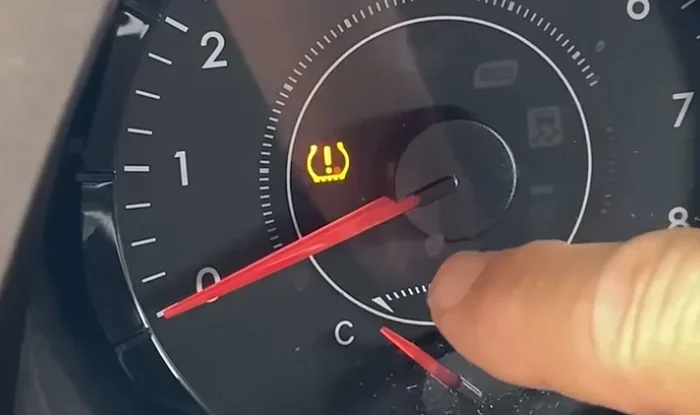
Dashboard Warning Lights
Modern vehicles have sensors that monitor the AWD system constantly. If something goes wrong, a warning light appears on your dashboard. The most common one looks like a car with squiggly lines underneath. If you see this light, do not keep driving as normal. Pull over safely and get the vehicle checked. The AWD warning light can indicate anything from low fluid to a failing sensor.
Vibrations or Shuddering
Do you feel a vibration through the steering wheel or the floor at highway speeds? This could be a sign of worn U-joints, damaged driveshafts, or contaminated AWD fluid. Vibrations often get worse over time. They also put additional stress on other drivetrain components. Address the issue promptly.
Poor Handling or Loss of Traction
If your AWD vehicle starts feeling sluggish in corners or loses traction on wet roads, the system may not be distributing power properly. This could result from a failed center differential, low fluid, or worn clutch packs. Drivetrain wear often shows up first as a noticeable drop in handling performance.
Fluid Leaks Under the Vehicle
Puddles of reddish or brownish fluid underneath your parked car are a cause for concern. AWD fluid looks similar to transmission fluid. If you notice a leak, check the fluid level and top it off if needed. Then visit a mechanic to find the source. Driving with low AWD fluid can cause catastrophic damage.
AWD Service Cost: What to Expect
Cost is always a factor when it comes to vehicle maintenance. Understanding what to expect helps you budget and avoid surprises.
Typical AWD Service Costs
Here is a breakdown of common AWD repair cost and service expenses:
- AWD fluid change: $150 to $400 depending on the vehicle and fluid type
- Differential fluid change: $100 to $250 per differential
- Transfer case service: $150 to $350
- Filter replacement: $50 to $150
- Seal replacement: $200 to $600 per seal
- Major AWD repair (transfer case or differential): $1,000 to $3,500+
As you can see, preventive service is far cheaper than major repairs. A $300 fluid change today can prevent a $2,500 transfer case replacement tomorrow.
Factors That Affect AWD Service Cost
Several things influence how much you will pay for AWD maintenance:
- Vehicle make and model: Luxury and performance AWD vehicles often require specialty fluids and parts
- Service location: Dealerships typically charge more than independent shops
- Labor rates: Rates vary significantly by region
- Severity of the issue: A simple fluid change costs much less than a full component replacement
- Warranty coverage: Some newer vehicles may still be under warranty for drivetrain components
Always ask for a detailed estimate before authorizing any work. A reputable shop will explain each item clearly. Do not hesitate to ask questions. Understanding the work being done builds trust and ensures you are not paying for unnecessary services.
Tips for Keeping Your AWD System in Top Shape
Taking care of your AWD system does not have to be complicated. A few simple habits can make a huge difference in performance and longevity.
Stay on Top of Tire Maintenance
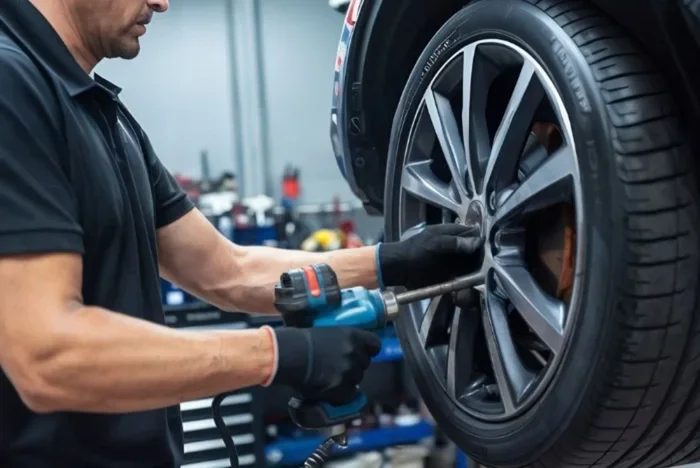
Did you know that tire rotation AWD is especially important? AWD systems are sensitive to tire size differences. If your tires wear unevenly, the system works harder to compensate. This puts extra strain on the transfer case and differentials. Rotate your tires every 5,000 to 7,500 miles. Keep all four tires at the same tread depth. This simple habit extends the life of your entire drivetrain.
Check Fluid Levels Regularly
Make it a habit to check your AWD fluid level during routine oil changes. Low fluid means a leak or excessive consumption. Catching a leak early can save you from expensive repairs. Ask your mechanic to inspect the undercarriage for any signs of drips or stains.
Drive Gently When the System Is Cold
In cold weather, AWD fluid is thicker and does not flow as easily. Give your vehicle a few minutes to warm up before driving aggressively. Harsh acceleration and hard cornering when the fluid is cold puts extra stress on the components. Let the system ease into operation.
Address Issues Immediately
If you notice any warning signs, do not wait. Strange noises, vibrations, or warning lights are your vehicle asking for help. Delaying AWD service only makes problems worse. A small issue today becomes a major repair next month. Prompt attention keeps your all-wheel drive system healthy and reliable.
Choose a Qualified Mechanic
Not every shop has experience with AWD systems. Look for a mechanic who specializes in drivetrain work. Ask about their experience with your specific vehicle model. A knowledgeable technician will know the right fluids, torque specs, and service procedures. This expertise makes a real difference in the quality of work you receive.
Keep Service Records
Maintain a log of every AWD service you perform. Record the date, mileage, and work done. This helps you track service intervals and proves maintenance history if you ever sell the vehicle. It also makes it easier for future mechanics to diagnose issues quickly.
Common Mistakes People Make with AWD Maintenance
Avoiding these common errors will protect your AWD system and your wallet.
- Assuming AWD is maintenance-free: This is the biggest mistake. AWD systems need regular attention just like any other drivetrain.
- Using the wrong fluid: Not all AWD fluids are the same. Using the wrong type can damage seals and internal components.
- Ignoring warning lights: Those dashboard indicators exist for a reason. Ignoring them leads to worse problems down the road.
- Mixing old and new fluid: Always fully drain the old fluid before adding new fluid. Partial changes leave contaminants behind.
- Skipping tire rotations: Uneven tire wear creates drivetrain stress that no amount of fluid changes can fix.
- Postponing service due to cost: The cost of preventive maintenance is always less than the cost of major repairs.
These mistakes are easy to avoid with a little awareness. Stay proactive and your AWD system will reward you with years of reliable performance.
Expert Insights on AWD Service
We spoke with several certified automotive technicians who specialize in AWD systems. Their advice reinforces what this guide covers. Regular service is the single best thing you can do for your all-wheel drive vehicle. One technician put it simply. He said, “Most AWD failures we see are the result of neglected maintenance. Fluid changes take 30 minutes and cost a fraction of what a repair does.”
Another expert emphasized the importance of using OEM or manufacturer-approved fluids and parts. Aftermarket components can sometimes cause compatibility issues. While they may cost less upfront, they can lead to problems that cost much more in the long run. Always check with your vehicle manufacturer if you are unsure about which parts or fluids to use.
The consensus among professionals is clear. AWD maintenance is not optional. It is essential. Treating your all-wheel drive system with the same care you give your engine will keep your vehicle performing at its best for years to come.
Key Takeaways
- AWD systems absolutely need regular service: They have more components than FWD or RWD setups, and each one requires attention.
- Service intervals typically fall between 30,000 and 60,000 miles: Check your owner’s manual for the exact recommendation for your vehicle.
- The transfer case, front differential, and rear differential all need fluid changes: These are the core components of any AWD system.
- Watch for warning signs like noises, vibrations, and dashboard lights: Early detection prevents expensive repairs.
- AWD service costs range from $150 to $400 for basic maintenance: Major repairs can cost thousands, making preventive care a smart investment.
- Tire rotation and proper fluid selection are critical: These two factors directly impact drivetrain health and longevity.
- Staying consistent with service builds long-term reliability: A well-maintained AWD system delivers better performance, safety, and resale value.
Conclusion
So, does AWD need service? The answer is a clear and definitive yes. Your all-wheel drive system works hard every time you drive. It handles extra stress that simpler drivetrains do not face. Without regular care, the components wear out faster. Fluid breaks down. Seals crack. Bearings wear. None of this happens overnight, but it adds up quickly when maintenance is skipped.
The good news is that AWD maintenance does not have to be complicated or expensive. A fluid change, a filter inspection, and a routine check-up go a long way. These simple tasks keep your AWD system running smoothly and reliably. They also save you from the stress and expense of unexpected breakdowns.
Make does AWD need service a priority on your vehicle maintenance checklist. Stay on top of service intervals. Watch for warning signs. Use the right fluids and parts. Your AWD vehicle will reward you with better handling, improved safety, and a longer lifespan. Take care of it now, and it will take care of you on every road ahead.
Frequently Asked Questions
What happens if I never service my AWD system?
Without regular service, AWD fluid breaks down and loses its lubricating properties. This causes increased friction, heat, and wear on internal components like gears and bearings. Eventually, the transfer case or differentials can fail, leading to expensive repairs or complete drivetrain breakdown.
Can I change AWD fluid myself at home?
It is possible if you have the right tools and knowledge. However, AWD systems are sensitive to air pockets and contamination. A professional technician has the equipment to fully drain, flush, and refill the system correctly. For most drivers, a shop visit is the safer and more reliable option.
How do I know which AWD fluid my vehicle needs?
Check your owner’s manual for the manufacturer-recommended fluid type. Some vehicles require specific formulations that are different from standard gear oil. Using the wrong fluid can void your warranty and damage internal components. When in doubt, ask your dealer or a qualified mechanic.
Is AWD service the same as transmission service?
No, they are different services. AWD service focuses on the transfer case and differentials. Transmission service addresses the transmission itself. Some vehicles share fluid between these systems, but the components and procedures are distinct. Both need regular attention for optimal performance.
Does driving in snow mean I need AWD service more often?
Yes, severe driving conditions like snow, mud, and off-road use put extra stress on the AWD system. The fluid breaks down faster under these conditions. If you regularly drive in harsh environments, consider shortening your service interval by 5,000 to 10,000 miles to protect your drivetrain.
How long does a full AWD service take?
A basic AWD fluid change and inspection typically takes one to two hours. More extensive services that include filter replacement, seal inspection, and component checks may take three to four hours. The exact time depends on your vehicle model and the scope of work being performed.