How to Hard Reset a Vehicle And Solve Your Problem
Hard resetting a vehicle is a simple yet powerful fix for many common car problems. This guide walks you through the exact steps to perform a hard reset a vehicle safely, whether you are dealing with a stubborn warning light, a frozen system, or an unexplained error code. You will learn when a reset works, when it does not, and how to avoid costly mistakes.
Every car owner has been there. You are driving along, and suddenly a warning light pops up on your dashboard. Or maybe your radio resets, your power windows act strange, and the whole system seems confused. It is frustrating. The good news is that a hard reset a vehicle approach can solve many of these problems without a trip to the shop.
A hard reset is not magic. It is a simple process that clears temporary errors, refreshes your car’s computer systems, and gets things running smoothly again. Whether you drive a Toyota, a Honda, or any other brand, the basic principles stay the same. In this guide, we will walk you through everything you need to know about hard resetting your vehicle the right way.
We will cover what a hard reset actually does, when it helps, and when it does not. You will get a clear step-by-step process, common mistakes to avoid, and practical tips that save you time and money. Let us dive in.
Key Takeaways
- Quick Fix: A hard reset a vehicle can clear minor glitches, reset warning lights, and restore default settings in minutes.
- No Tools Needed: You only need your key and a few minutes of time to complete the process at home.
- Know When to Stop: Some problems like deep electrical faults or hardware failures need a professional mechanic, not a reset.
- Safety First: Always follow the correct shutdown sequence to avoid damaging your car’s computer systems.
- Prevention Matters: Regular maintenance and timely battery replacement help prevent the issues that lead to a hard reset a vehicle in the first place.
📑 Table of Contents
- What Is a Hard Reset on a Vehicle?
- When Should You Hard Reset Your Vehicle?
- How to Hard Reset a Vehicle: Step-by-Step Guide
- Common Mistakes People Make When Hard Resetting
- Can a Hard Reset Fix Warning Lights?
- When to See a Professional Instead
- Tips to Keep Your Vehicle Running Smoothly After a Reset
- Final Thoughts
What Is a Hard Reset on a Vehicle?
A hard reset a vehicle means cutting power to your car’s main computer systems and restarting them from scratch. Think of it like restarting your phone when it freezes. The difference is that a car has more complex systems, so you need to follow the right steps.
Your vehicle has an Engine Control Unit (ECU), a Body Control Module (BCM), and several other computers. These systems manage everything from fuel injection to power windows. Sometimes they collect temporary errors that do not go away on their own. A hard reset clears these errors and forces the systems to recalibrate.
How Does a Vehicle Reset Work?
When you disconnect the battery or cycle the ignition, you cut power to these computers. When power returns, they boot up fresh. All stored temporary error codes get cleared. The systems relearn your driving patterns and reset to factory defaults.
This is different from a soft reset. A soft reset might clear a single error code. A hard reset clears everything and forces a full system restart. That is why it works for stubborn problems that a simple code clear does not fix.
What a Hard Reset Can Fix
- Stubborn dashboard warning lights that keep coming back after clearing
- Frozen infotainment screens that do not respond to touch
- Unexplained error codes that appear and disappear randomly
- Power window or door lock glitches that do not respond to commands
- Idle speed problems after a battery replacement
- Transmission shift softness or hesitation after a software update
What a Hard Reset Cannot Fix
It is important to understand the limits. A hard reset a vehicle cannot fix broken hardware. If your alternator is failing, a reset will not repair it. If you have a physical sensor that is damaged, the reset will only hide the problem temporarily. Here are things a reset cannot solve:
- Worn-out brake pads or other mechanical parts
- Broken wiring or corroded connectors
- Failed catalytic converter or other hardware failures
- Low fluid levels that need topping off
- Engine or transmission damage from wear or accidents
When Should You Hard Reset Your Vehicle?
Timing matters. A hard reset is not something you should do every week. It is a tool for specific situations. Knowing when to use it saves you time and prevents unnecessary resets that do nothing.
After a Battery Replacement
One of the most common times to perform a hard reset a vehicle is after replacing your battery. When you disconnect the old battery, the car loses its learned settings. The ECU needs to relearn your driving habits, idle patterns, and fuel trim values. A proper reset helps this process go smoothly.
If you notice your car idling rough or your check engine light stays on after a new battery, a reset can help. Just make sure you follow any post-battery replacement steps for your specific vehicle.
When Warning Lights Keep Returning
Have you ever cleared a warning light, only to have it come back the next day? This happens when the underlying issue is intermittent or when the car’s computer stores a history code. A hard reset clears both current and history codes. If the light does not return after the reset, the problem was likely temporary.
However, if the light comes back within a few drives, you have a real issue that needs attention. Do not keep resetting and ignoring it. That is how small problems become big repairs.
After Software Updates or Flash Programming
Some vehicles receive software updates at the dealership. After these updates, the systems may need a full reset to apply changes properly. A hard reset a vehicle process ensures all modules communicate correctly with the new software version.
When Electrical Systems Act Strangely
If your dashboard lights flicker, your gauges behave erratically, or your power accessories work inconsistently, a reset can often fix the issue. Electrical gremlins are frustrating, and a full system reboot is one of the first troubleshooting steps you should try.
How to Hard Reset a Vehicle: Step-by-Step Guide
Now let us get into the process. This guide covers the most common method: the battery disconnect reset. It works for most vehicles and requires no special tools.
Step 1: Park Safely and Turn Off the Engine
Find a flat, safe surface. Park the car, engage the parking brake, and turn the ignition off. Remove the key from the ignition. Make sure all accessories are off, including the radio, lights, and air conditioning.
This step is simple but important. Working on a running vehicle with accessories on can cause electrical spikes when you reconnect the battery.
Step 2: Locate the Battery
Open the hood and find the battery. Most vehicles have the battery in the engine bay, but some models place it in the trunk or under a rear seat. Check your owner’s manual if you are not sure.
Identify the negative terminal (marked with a minus sign or black cable) and the positive terminal (marked with a plus sign or red cable). Always disconnect the negative terminal first.
Step 3: Disconnect the Negative Terminal First
Use a wrench to loosen the nut on the negative terminal clamp. Once loose, carefully remove the cable and tuck it away from the battery post. Make sure it cannot accidentally touch the terminal again.
Disconnecting the negative terminal first prevents short circuits. If you disconnect the positive terminal first, you risk creating a spark near the battery, which can be dangerous.
Step 4: Disconnect the Positive Terminal
Now loosen and remove the positive terminal cable. Again, tuck it safely away from the battery. At this point, your vehicle should be completely disconnected from power.
Wait at least 15 to 30 minutes. This allows the capacitors in your car’s computer systems to fully discharge. It also gives the ECU enough time to clear all stored data and reset to factory defaults.
Step 5: Reconnect the Positive Terminal First
After waiting, reconnect the positive terminal first. Tighten the clamp securely but do not overtighten. A snug connection is all you need.
Then reconnect the negative terminal. Tighten the nut firmly. Double-check both connections are secure before moving on.
Step 6: Turn the Ignition On Without Starting
Turn the key to the “On” position without starting the engine. Wait about 30 seconds. You will hear the car’s systems initializing. The dashboard lights will come on and then some may turn off as the systems check themselves.
This step is important because it allows the ECU to begin its self-test process. Skipping it can sometimes cause the reset to be incomplete.
Step 7: Start the Engine and Let It Idle
Start the engine and let it idle for at least 5 to 10 minutes. Do not drive off immediately. The ECU needs time to relearn idle speed, fuel trim, and other parameters.
You may notice the idle is slightly rough at first. This is normal. After a few minutes, the engine should settle into a smooth idle. If it does not, there may be a deeper issue that a reset cannot fix.
Step 8: Test Drive and Monitor Systems
Take a short test drive. Pay attention to the dashboard. Check if any warning lights have returned. Test your power windows, radio, and other accessories to make sure everything works properly.
If everything looks good, your hard reset a vehicle process was successful. If warning lights return quickly or you notice new problems, it is time to investigate further or see a mechanic.
Common Mistakes People Make When Hard Resetting
Even a simple process like a vehicle reset has pitfalls. Avoiding these common mistakes saves you time, money, and potential damage.
Forgetting to Save Radio Presets and Settings
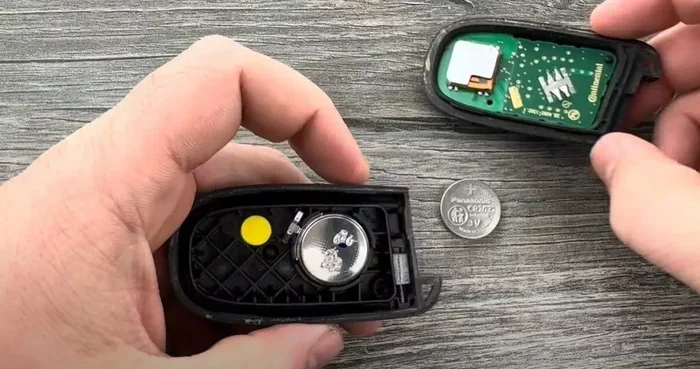
A hard reset will erase your radio presets, Bluetooth pairings, and sometimes even your clock settings. Before you disconnect the battery, write down your favorite stations or take a photo of your infotainment screen. Some vehicles also require a security code after a battery disconnect. Check your owner’s manual for this information ahead of time.
Disconnecting the Battery for Too Short a Time
Fifteen minutes is the minimum. Some people disconnect the battery for only two or three minutes and expect a full reset. That is not enough time for the capacitors to discharge and the ECU to fully reset. Wait at least 15 minutes, and 30 minutes is even better for a complete reset.
Reconnecting Terminals in the Wrong Order
Always reconnect the positive terminal first, then the negative. Reversing this order can cause electrical issues. Remember: disconnect negative first, connect positive first.
Ignoring Underlying Problems
This is the biggest mistake of all. A reset clears the symptoms but does not fix the cause. If your check engine light keeps coming back after a reset, you have a real problem that needs diagnosis. Ignoring it can lead to worse damage and higher repair costs.
Resetting While the Engine Is Running
Never disconnect battery terminals while the engine is running. This can cause voltage spikes that damage sensitive electronics. Always turn the engine off completely before starting the reset process.
Not Checking for Software Updates After a Reset
If your vehicle recently received a software update, a hard reset may be part of the process. But it is also worth checking if there are newer updates available. Sometimes a reset followed by an update solves problems that a reset alone cannot.
Can a Hard Reset Fix Warning Lights?
This is one of the most common questions car owners ask. The answer is: it depends on the light.
Lights That Often Respond to a Reset
- Check Engine Light (when caused by a temporary sensor glitch)
- Battery Warning Light (after a battery replacement)
- ABS Light (when caused by a temporary sensor error)
- Traction Control Light (after a system glitch)
- Power Steering Warning Light (intermittent electrical issues)
For example, if you notice your wrench light coming on due to a battery issue, a hard reset can sometimes clear it after the battery problem is resolved. Similarly, automatic high beam issues that seem like software glitches may respond well to a full system reset.
Lights That Will NOT Go Away with a Reset
- Oil Pressure Warning Light (indicates actual low oil pressure)
- Brake Warning Light (indicates low brake fluid or brake wear)
- Airbag Warning Light (indicates a real airbag system fault)
- Temperature Warning Light (indicates actual overheating)
If any of these lights are on, do not rely on a reset to fix them. These warnings indicate serious safety issues that require immediate attention. Driving with these lights on can be dangerous.
When to See a Professional Instead
A hard reset is a great first step. But there are times when it is not enough, and you need a professional mechanic. Here are the signs that your problem needs expert attention.
Warning Lights Return Immediately After a Reset
If a warning light comes back within one or two drives, the problem is real and ongoing. A professional mechanic can run a full diagnostic scan to identify the root cause. Trying to keep resetting the same light is a waste of time and could mask a growing problem.
Multiple Systems Are Malfunctioning
When several systems fail at once, it usually points to a deeper electrical issue. This could be a failing alternator, a bad ground wire, or a corroded battery terminal. These problems need proper diagnosis, not just a reset.
Your Vehicle Will Not Start After a Reset
If your car refuses to start after a hard reset, something went wrong during the process. It could be a loose connection, a drained battery, or a security system that needs reactivation. A mechanic can help you get back on the road safely.
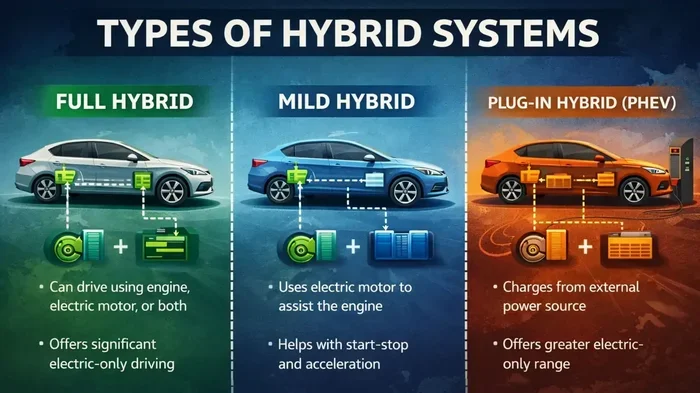
You Have a Hybrid or Electric Vehicle
Hybrid and electric vehicles have high-voltage systems that require special handling. A standard battery disconnect reset may not be appropriate or safe for these vehicles. Always consult your owner’s manual or a certified technician for hybrid and electric models.
Tips to Keep Your Vehicle Running Smoothly After a Reset
Once you have successfully completed a hard reset a vehicle process, a few simple habits can keep your car healthy and prevent future issues.
- Drive gently for the first 20 to 30 miles after a reset. Let the ECU relearn your driving patterns.
- Check your battery terminals regularly for corrosion. Clean them with a baking soda and water solution if needed.
- Keep up with scheduled maintenance. Regular oil changes, fluid checks, and inspections prevent many problems that lead to error codes.
- Address warning lights promptly. Do not ignore them hoping they will go away. Early diagnosis saves money.
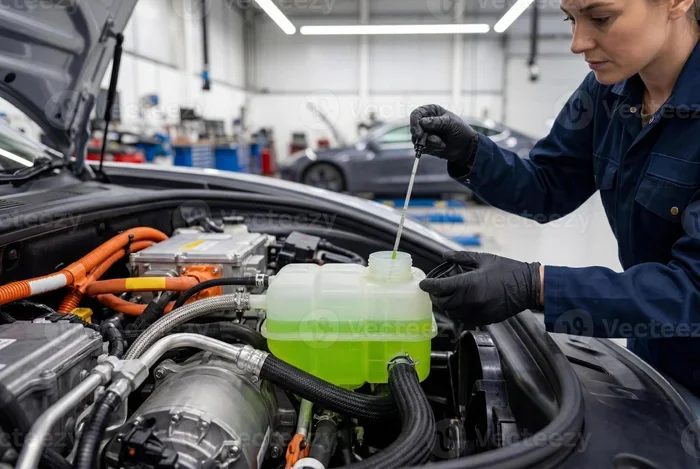
- Use the right fluids and parts. Using incorrect oil, coolant, or brake fluid can trigger warning lights and system errors.
- Update your vehicle software when recalls or updates are available. These often fix known issues that cause unnecessary resets.
Taking care of your vehicle after a reset is just as important as the reset itself. A fresh start gives you a clean slate, but consistent maintenance keeps your car running its best.
Final Thoughts
A hard reset a vehicle is one of the simplest and most effective troubleshooting tools available to car owners. It costs nothing, takes about 30 minutes, and solves a surprising number of common problems. From stubborn warning lights to glitchy electrical systems, a reset often brings your car back to life.
But remember, a reset is a tool, not a cure-all. It works best when you understand what it can and cannot do. Use it for temporary glitches, post-battery refreshes, and system freezes. When problems persist, trust a professional mechanic to diagnose the real issue.
Keep this guide handy. The next time your car acts up, you will know exactly what to do. And that confidence makes you a better, more informed car owner.
Frequently Asked Questions
How long should I wait before reconnecting the battery after a hard reset?
Wait at least 15 to 30 minutes after disconnecting both terminals. This gives the capacitors in your car’s computer systems enough time to fully discharge and the ECU to clear all stored data. Waiting longer will not hurt and can result in a more complete reset.
Will a hard reset erase my saved settings like radio stations and Bluetooth pairings?
Yes, a hard reset typically erases radio presets, Bluetooth pairings, and sometimes clock settings. Before disconnecting the battery, write down your important settings or take a photo of your infotainment screen. Some vehicles also require a security code after a battery disconnect.
Can I hard reset my vehicle if the check engine light is on?
Yes, you can perform a hard reset with the check engine light on. However, if the light returns after driving for a few days, you have a real problem that needs professional diagnosis. A reset only clears the code temporarily; it does not fix the underlying issue.
Is it safe to hard reset a modern vehicle with advanced computer systems?
For most modern vehicles, a battery disconnect reset is safe and well-documented. However, some luxury and hybrid vehicles have additional security protocols or power-down procedures. Always check your owner’s manual before performing a hard reset on a newer or high-tech vehicle.
How often should I hard reset my vehicle?
You should not need to hard reset your vehicle regularly. A reset is best reserved for specific situations like after a battery replacement, when warning lights keep returning, or when electrical systems behave strangely. Frequent resets can actually cause more problems than they solve.
What is the difference between a hard reset and a soft reset on a vehicle?
A soft reset clears a single error code or refreshes one system. A hard reset cuts power to all vehicle computers and forces a full system restart. A hard reset clears all stored codes, resets learned values, and restores factory defaults across every module. It is a more comprehensive process that addresses deeper system issues.
=== CONCLUSION ===
A hard reset a vehicle is a simple, effective, and free way to troubleshoot many common car problems. Whether you are dealing with a stubborn warning light, a frozen screen, or erratic electrical behavior, the steps in this guide give you everything you need to try before visiting a mechanic.
Remember to follow each step carefully, avoid the common mistakes we covered, and know when to seek professional help. A reset gives your car a fresh start, but regular maintenance keeps it healthy for the long haul. Keep this guide saved for the next time your vehicle needs a reset, and you will be prepared to handle it with confidence.