How Long Can a 2021 Toyota Corolla Go Without an Oil Change
The 2021 Toyota Corolla can typically go between 10,000 and 15,000 miles without an oil change when using synthetic oil and following the factory-recommended maintenance schedule. However, driving conditions, oil type, and individual driving habits can shorten or extend this interval significantly. Understanding your Corolla’s oil change system helps you avoid costly engine repairs and keeps your car running smoothly for years.
Let us talk about something every Toyota Corolla owner needs to know. How long can a 2021 Toyota Corolla go without an oil change? This question comes up a lot, and for good reason. Skipping or delaying an oil change can cause serious engine problems over time. On the other hand, changing your oil too often wastes money and resources.
The good news is that the 2021 Toyota Corolla is a modern, well-engineered vehicle. It does not need the old-school 3,000-mile oil change that many people still believe in. Toyota designed this car with a smart maintenance system that takes the guesswork out of oil change frequency. But there is more to it than just reading a dashboard light.
In this guide, we will walk you through everything you need to know. We will cover the recommended oil change interval, the signs that tell you it is time, what type of oil works best, and what happens if you push it too far. Whether you are a new Corolla owner or have been driving one for years, this article has practical advice you can use right away.
Key Takeaways
- Oil Change Interval: Most 2021 Toyota Corollas can go 10,000 to 15,000 miles between oil changes with synthetic oil.
- Oil Life Monitor: Your Corolla has a smart system that tracks driving habits and tells you when it is time for an oil change.
- Driving Conditions Matter: Severe driving like short trips, extreme heat, or heavy towing can cut your interval in half.
- Oil Type Is Key: Full synthetic oil lasts longer than conventional oil and offers better engine protection for your Corolla.
- Warning Signs Exist: Dark oil, engine noise, and the maintenance light are clear signals that your Corolla needs attention.
- Regular Checks Help: Checking your oil level monthly can catch problems early and prevent engine damage.
- Professional vs. DIY: You can change your Corolla’s oil yourself or visit a service center, depending on your comfort level.
📑 Table of Contents
- Understanding the 2021 Toyota Corolla Oil Change Interval
- Signs Your 2021 Corolla Needs an Oil Change
- What Happens If You Skip or Delay an Oil Change
- Choosing the Right Oil for Your 2021 Toyota Corolla
- Tips to Extend the Time Between Oil Changes
- Common Mistakes to Avoid
- How Far Can a Well-Maintained Toyota Corolla Last?
Understanding the 2021 Toyota Corolla Oil Change Interval
What the Manufacturer Recommends
Toyota states that the 2021 Corolla can go up to 10,000 miles or 12 months between oil changes when using synthetic oil. Some driving conditions may require more frequent service. The factory Toyota maintenance schedule is your best starting point for keeping your engine in top shape.
Here is a simple breakdown of the recommended intervals:
- Synthetic Oil: Every 10,000 miles or 12 months
- Conventional Oil: Every 5,000 to 7,500 miles or 6 months
- Severe Driving Conditions: Every 5,000 miles or 6 months
Notice that the interval depends heavily on the type of oil you use. Synthetic oil lasts longer because it is engineered to resist heat breakdown and oxidation better than conventional options. If you want to maximize the time between changes, full synthetic is the way to go for your Corolla engine.
How the Oil Life Monitor Works
Your 2021 Corolla comes equipped with an oil life monitor. This system does not just count miles. It tracks your driving patterns and adjusts the reminder accordingly. Factors like engine temperature, idle time, and driving speed all play a role in when the system triggers a maintenance alert.
The monitor uses algorithms to assess the quality of your oil based on real-world use. When the oil starts to degrade, the system drops the percentage and eventually displays a message telling you to service the vehicle. This is a much smarter approach than fixed mileage intervals because it accounts for how you actually drive.
If you are unsure about what the monitor is telling you, you can always refer to the owner’s manual. And if the light comes on but you are not ready for service, make sure you do not ignore it for too long. You can also learn more about how your car signals maintenance needs by checking does your car say when you need an oil change.
Signs Your 2021 Corolla Needs an Oil Change
Dashboard Warning Lights
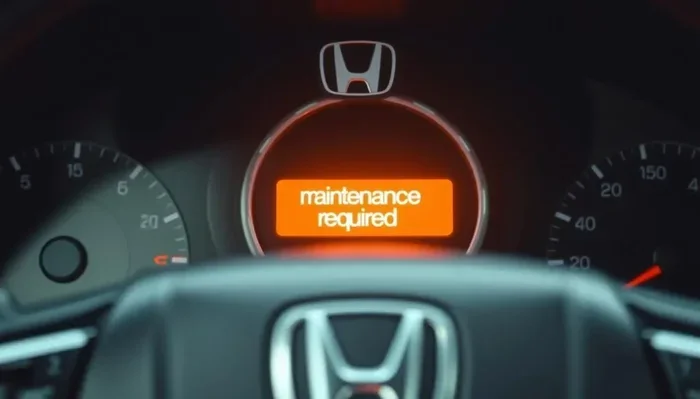
The most obvious sign is the maintenance required light on your dashboard. This light activates when the oil life monitor reaches zero. It does not necessarily mean your oil is completely bad, but it is a clear reminder that service is due soon.
If you have reset the light before and it keeps coming back, that is a sign you need to address the underlying issue. You can learn how to properly handle this by reading our guide on how to reset my maintenance required light.
Changes in Oil Color and Texture
Fresh oil is amber and translucent. As it ages, it darkens and becomes gritty. You can check your oil level and condition by pulling the dipstick once a month. If the oil on the dipstick looks very dark brown or black, it is likely time for a change.
Here are some visual cues to watch for:
- Dark brown or black color: Indicates oil breakdown and contamination
- Gritty texture: Means dirt and metal particles have built up
- Thin or watery consistency: Could signal coolant mixing with oil, which is serious
- Burning smell: Suggests the oil is overheating or decomposing
Unusual Engine Sounds
One of the easiest ways to tell something is off is by listening to your engine. Clean oil lubricates moving parts smoothly. Old oil loses its viscosity and fails to protect metal surfaces. This can lead to knocking, ticking, or rattling sounds from the engine bay.
If you hear new or strange noises after driving, do not wait to check your oil. Early intervention can prevent expensive repairs. A well-maintained Corolla engine should run quietly and smoothly at all times.
Decreased Fuel Efficiency
Old or degraded oil creates more friction inside the engine. This means your engine has to work harder to maintain the same performance. The result is often a noticeable drop in miles per gallon. If you fill up more frequently than usual, your oil might be the culprit.
Tracking your fuel economy is a simple way to monitor your car’s overall health. A sudden change in efficiency is worth investigating right away.
What Happens If You Skip or Delay an Oil Change
Short-Term Effects
Going a few hundred miles past your due date probably will not destroy your engine. But the oil is already starting to break down at that point. It loses its ability to clean, cool, and lubricate effectively. Sludge begins to form, and harmful particles circulate through the engine.
In the short term, you might notice slightly rougher idling or reduced responsiveness. These are early warning signs that should not be ignored.
Long-Term Damage Risks
When oil changes are consistently skipped, the consequences add up fast. Here is what can happen over time:
- Engine overheating: Old oil cannot dissipate heat properly, which can lead to overheating. Learn more about how long a car can overheat before damage occurs by visiting how long can a car overheat before damage occurs.
- Increased wear and tear: Metal-on-metal contact accelerates component wear
- Sludge buildup: Contaminated oil forms sludge that clogs oil passages
- Engine seizure: In extreme cases, a seized engine requires a full replacement
- Reduced engine lifespan: A neglected engine may not reach the potential mileage of a well-maintained one
The truth is that a 2021 Toyota Corolla can last well over 200,000 miles with proper care. Skipping oil changes is one of the fastest ways to shorten that lifespan significantly. Regular maintenance is the single most important thing you can do to ensure your car goes the distance.
Choosing the Right Oil for Your 2021 Toyota Corolla
Synthetic vs. Conventional Oil
The type of oil you choose directly impacts how long you can go between changes. Here is a quick comparison:
| Feature | Synthetic Oil | Conventional Oil |
|---|---|---|
| Change Interval | 10,000 to 15,000 miles | 5,000 to 7,500 miles |
| Heat Resistance | Excellent | Moderate |
| Cost Per Change | Higher | Lower |
| Engine Protection | Superior | Adequate |
| Best For | Long intervals and extreme conditions | Budget-conscious owners |
For the 2021 Corolla, Toyota recommends 0W-20 full synthetic oil. This viscosity grade provides excellent cold-start protection and fuel efficiency. Using the wrong viscosity grade can affect engine performance and void your warranty in some cases.
Understanding Viscosity Grades
Viscosity refers to how thick or thin your oil is at different temperatures. The 0W-20 grade means the oil flows easily at low temperatures (the 0W part) and maintains protection at high operating temperatures (the 20 part). This balance is critical for modern engines like the one in your Corolla.
Never mix different viscosity grades unless absolutely necessary. Stick with what Toyota recommends for the best engine protection and performance.
Oil Filter Considerations
Your oil filter catches contaminants and keeps your oil clean. A clogged or low-quality filter reduces the effectiveness of even the best oil. Always use a high-quality OEM or equivalent filter when changing your oil. Replacing the filter at every oil change is standard practice and should never be skipped.
Tips to Extend the Time Between Oil Changes
Drive Under Ideal Conditions When Possible
Your driving habits have a direct impact on oil life. Highway driving at steady speeds is much easier on oil than stop-and-go city driving. If you can, try to include some longer highway trips in your routine to help the oil maintain its quality longer.
Short trips under five miles are especially hard on oil because the engine never reaches full operating temperature. Moisture and fuel can contaminate the oil during these short runs. If most of your driving is short trips, consider shortening your oil change interval to 5,000 miles.
Keep Up With Regular Maintenance
Oil changes do not happen in isolation. Other maintenance tasks support engine health and oil longevity. Regularly checking your oil level, replacing the air filter, and keeping up with coolant flushes all contribute to a healthier engine.
A well-maintained car simply runs better and lasts longer. Owners who follow the recommended service schedule consistently see fewer problems and higher resale values.
Monitor Your Driving Environment
Extreme temperatures, dusty roads, and heavy towing all classify as severe driving conditions. If you frequently drive in these environments, your oil degrades faster. Toyota defines severe conditions as:
- Frequent short trips under five miles
- Driving in extreme heat or cold
- Towing heavy loads or trailers
- Driving on dusty or gravel roads
- Frequent idling in traffic
If any of these apply to your daily routine, stick closer to the 5,000-mile mark for peace of mind. Your engine will thank you for the extra care.
Keep Records of Your Oil Changes
Tracking your oil changes helps you stay on top of your maintenance schedule. Use a simple notebook, a phone app, or even a spreadsheet. Record the date, mileage, oil type, and oil filter used. This information is invaluable when troubleshooting engine issues or when selling your car.
Good records also help you identify patterns. If you notice you need oil changes more frequently than average, it could point to an underlying issue worth investigating.
Common Mistakes to Avoid
Relying Solely on the Oil Life Monitor
The oil life monitor is a helpful tool, but it is not infallible. It estimates oil life based on algorithms and driving patterns, not actual oil condition. In some cases, the system may not accurately reflect the true state of your oil. Physical oil checks remain essential.
Using the Wrong Oil
Not all oils are created equal. Using conventional oil when synthetic is recommended, or choosing the wrong viscosity grade, can reduce engine protection. Always check your owner’s manual before purchasing oil. Using the wrong product could also affect your warranty coverage.
Ignoring the Oil Level Between Changes
Oil levels can drop between changes due to normal consumption and minor leaks. Checking your oil monthly takes only a few minutes and can catch problems early. Low oil levels cause increased friction and heat, which accelerates wear.
Waiting for Warning Signs Instead of Following the Schedule
By the time you notice symptoms like engine noise or dark oil, damage may already be occurring. Preventive maintenance is always cheaper and more effective than reactive repairs. Stick to the recommended oil change frequency and do not wait for problems to appear.
How Far Can a Well-Maintained Toyota Corolla Last?
With regular oil changes and proper maintenance, a 2021 Toyota Corolla can easily surpass 200,000 miles. The Corolla has a long reputation for reliability and durability. Many owners report crossing the 300,000-mile mark with consistent care.
Oil changes are the foundation of that longevity. Think of it this way: fresh oil is like a healthy bloodstream for your engine. It carries nutrients, removes waste, and keeps everything running smoothly. Neglect that bloodstream, and the whole system suffers.
If you are curious about how many miles a car can last with proper maintenance, check out our article on how many miles can a car last for more insights.
The 2021 Toyota Corolla is a smart, efficient, and reliable vehicle. But even the best car needs basic care to perform at its best. Understanding your oil change interval, paying attention to warning signs, and using the right products are simple steps that pay off big time. Your Corolla deserves that care, and your wallet will thank you too.
Stay proactive about maintenance. Check your oil regularly, follow the factory schedule, and do not ignore the warning lights. A few minutes of attention today can save you thousands of dollars in repairs tomorrow. Keep your 2021 Toyota Corolla running strong for many miles to come.
Frequently Asked Questions
Can I go 15,000 miles without an oil change in my 2021 Toyota Corolla?
Yes, if you use full synthetic 0W-20 oil and drive under normal conditions, the 2021 Corolla can go up to 15,000 miles. However, severe driving conditions like short trips, extreme heat, or dusty roads may require more frequent changes. Always check your oil condition and level before extending the interval.
What happens if I wait too long for an oil change in my Corolla?
Waiting too long allows the oil to break down and lose its lubricating properties. This leads to increased friction, engine heat, and sludge buildup. Over time, it can cause serious engine damage that may require costly repairs or even a full engine replacement.
Does the 2021 Toyota Corolla need synthetic oil?
Toyota recommends 0W-20 full synthetic oil for the 2021 Corolla. While conventional oil can be used, synthetic oil provides superior protection, better fuel efficiency, and allows for longer change intervals. It is the best choice for most Corolla owners.
How do I know if my Corolla’s oil life monitor is accurate?
The oil life monitor uses driving data to estimate oil condition, but it is not a direct measurement. It can sometimes be overly generous or conservative. The best approach is to combine the monitor with regular physical oil checks using the dipstick to ensure your oil is in good condition.
Can I change the oil in my 2021 Toyota Corolla myself?
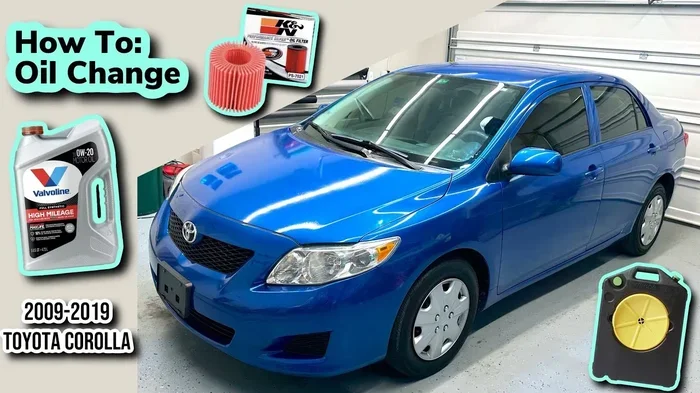
Yes, changing the oil in a 2021 Corolla is a manageable DIY project if you have basic tools and some mechanical knowledge. You will need the correct oil, a new oil filter, a drain pan, and a jack or ramps. Always dispose of used oil properly at a recycling center.
How much does an oil change cost for a 2021 Toyota Corolla?
The cost varies depending on the service center and oil type. On average, a synthetic oil change for a 2021 Corolla ranges from $50 to $80 at a dealership. Independent shops may offer lower prices. Doing it yourself is the most cost-effective option, typically costing $30 to $50 in materials.