How Does a Hydrogen Cell Engine Work Explained Simply
A hydrogen cell engine uses hydrogen gas and oxygen to create electricity, which powers an electric motor. The only emission is water vapor, making it a clean alternative to gasoline. Understanding how this technology works helps car owners appreciate the future of zero-emission driving.
Have you ever wondered what powers a car that emits nothing but water? The answer lies in hydrogen cell engine technology. How Does a Hydrogen Cell Engine Work? It is simpler than you might think. This technology uses hydrogen gas and oxygen from the air to create electricity. That electricity then runs an electric motor. The whole process is clean, quiet, and surprisingly efficient.
Many people hear the term fuel cell and think it is too complex to understand. But the basic idea is easy to grasp. A hydrogen cell engine works like a battery that never runs out, as long as you keep supplying it with hydrogen. Instead of burning fuel like a traditional engine, it creates energy through a chemical reaction. This makes it one of the most exciting developments in modern transportation.
In this article, we will break down everything you need to know. We will look at the core parts of a hydrogen fuel cell. We will compare it to a regular gasoline engine. And we will explore the benefits and challenges of this technology. By the end, you will have a clear picture of why hydrogen power matters for the future of driving.
Key Takeaways
- Hydrogen fuel cells combine hydrogen and oxygen to produce electricity: No combustion, no harmful emissions, just water vapor.
- The main components include the membrane, catalyst, and electrodes: Each part plays a specific role in generating power.
- Hydrogen engines differ from gasoline engines: They are quieter, more efficient, and produce zero tailpipe pollutants.
- Refueling a hydrogen car is fast: It takes about the same time as filling up a gas tank.
- Challenges remain: Infrastructure, cost, and hydrogen production methods still need improvement.
- The future looks promising: Automakers are investing heavily in hydrogen fuel cell technology.
📑 Table of Contents
What Is a Hydrogen Cell Engine?
A hydrogen cell engine is a device that turns hydrogen gas into electricity. It does this through a process called electrochemical conversion. There is no burning involved. No flames. No explosions. Just a quiet chemical reaction that produces power and water.
People often confuse a hydrogen fuel cell engine with a hydrogen combustion engine. The two are very different. A combustion engine burns hydrogen, much like a gasoline engine burns fuel. A fuel cell engine, on the other hand, uses a chemical reaction to generate electricity. This makes the fuel cell version much cleaner and more efficient.
The most common type of hydrogen fuel cell used in vehicles is called a proton exchange membrane fuel cell, or PEMFC for short. This type works at relatively low temperatures and can start up quickly. That is why most car makers choose it for their vehicles.
How Fuel Cells Differ from Batteries
You might be thinking, “Is a fuel cell just a big battery?” Not exactly. A battery stores energy. A fuel cell creates energy on the spot. As long as you feed it hydrogen, it keeps producing electricity. You do not need to plug it in to recharge. You simply refill the hydrogen tank, much like you would fill a gas tank.
This is a huge advantage for drivers who want the convenience of a traditional car but with zero emissions. It also means longer driving ranges. Many hydrogen vehicles can travel over 300 miles on a single tank. That is comparable to most gasoline cars.
How Does a Hydrogen Cell Engine Work?
Now let us get into the heart of the matter. Understanding the hydrogen cell engine process step by step makes it easy to see why this technology is so impressive.
The process starts when hydrogen gas enters the fuel cell. On the other side, oxygen from the air enters through a different port. These two gases never mix directly. Instead, they are separated by a special membrane. This membrane is the key to the whole operation.
The Electrochemical Reaction
Here is what happens inside the fuel cell in simple terms:
- Hydrogen molecules arrive at the anode. The anode is the negative electrode. A catalyst, usually made of platinum, splits the hydrogen molecules into protons and electrons.
- Protons pass through the membrane. The membrane only allows positively charged protons to pass through to the other side, called the cathode.
- Electrons take a different path. Because electrons cannot pass through the membrane, they are forced to travel through an external circuit. This flow of electrons creates electricity.
- Oxygen meets the protons and electrons at the cathode. They combine to form water. This is the only byproduct.
That electricity then flows to an electric motor. The motor turns the wheels. The only thing coming out of the tailpipe is pure water vapor. No carbon dioxide. No nitrogen oxides. No harmful pollutants at all.
How Does a Hydrogen Cell Engine Work in practice? The process is continuous. As long as hydrogen flows in, electricity flows out. There is no need to stop, recharge, or wait. The car keeps moving as long as there is fuel in the tank.
Why Platinum Matters
The catalyst inside the fuel cell is usually platinum. Platinum is excellent at splitting hydrogen molecules. However, it is also expensive. This is one reason why hydrogen cars can cost more than gasoline vehicles. Researchers are working on finding cheaper alternatives to platinum. Some are exploring materials like nickel or iron as potential substitutes.
The Key Components of a Hydrogen Fuel Cell
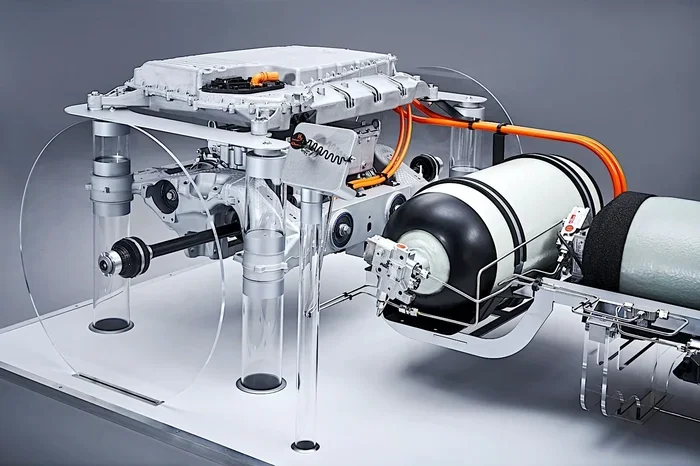
To really understand how a hydrogen cell engine works, you need to know its main parts. Each component has a specific job. Together, they make the magic happen.
1. The Membrane Electrode Assembly
At the center of every fuel cell is the membrane electrode assembly, or MEA. This is a thin sandwich-like structure. It has two electrodes with a proton exchange membrane in between. The MEA is where the actual chemical reaction takes place. Without it, there is no electricity.
2. The Catalyst Layers
On each side of the membrane sits a catalyst layer. These thin coatings help speed up the chemical reactions. The catalyst on the anode side splits hydrogen into protons and electrons. The catalyst on the cathode side helps oxygen, protons, and electrons combine into water.
3. Gas Diffusion Layers
These layers sit on top of the catalyst layers. They help distribute hydrogen and oxygen evenly across the surface. They also help remove the water that is produced during the reaction. Good water management is important. Too much water can flood the cell. Too little can dry it out.
4. End Plates and Bipolar Plates
Individual fuel cells are stacked together to increase power output. Each cell in the stack is separated by bipolar plates. These plates also serve as conduits for the gases and the electrical current. End plates hold the entire stack together and apply pressure to keep everything sealed.
Hydrogen Cell Engine vs Traditional Gasoline Engine
How does a hydrogen cell engine stack up against a regular gasoline engine? Let us compare them side by side.
| Feature | Hydrogen Fuel Cell | Gasoline Engine |
|---|---|---|
| Emissions | Water vapor only | Carbon dioxide, NOx, particulates |
| Efficiency | 40-60% | 20-30% |
| Refueling Time | 3-5 minutes | 3-5 minutes |
| Noise Level | Very quiet | Moderate to loud |
| Fuel Source | Hydrogen gas | Gasoline (petroleum) |
| Infrastructure | Limited | Widespread |
| Maintenance | Low (fewer moving parts) | Moderate (many moving parts) |
One of the biggest advantages of a hydrogen engine is efficiency. A gasoline engine wastes a lot of energy as heat. A fuel cell converts a much higher percentage of its fuel into usable electricity. This means better fuel economy and less waste.
Maintenance is another area where hydrogen engines shine. They have far fewer moving parts than a gasoline engine. There is no need for oil changes, spark plugs, or transmission fluid. This makes upkeep simpler and less frequent. However, if you are wondering whether alternative fuel vehicles are difficult to work on, the answer is that they generally require specialized training and tools.
Also, unlike traditional engines that can trigger warning lights for various reasons, hydrogen fuel cell systems are designed to be very reliable. But if a warning light does come on, you might want to look into whether a check engine light can go off by itself to understand what might be happening with your vehicle.
Driving Experience
Driving a hydrogen fuel cell vehicle feels a lot like driving an electric car. It is smooth, quiet, and very responsive. There is no engine rumble. No gear shifts. Just instant torque from the electric motor. Many drivers say the experience is refined and modern.
Benefits of Hydrogen Cell Engines
Hydrogen fuel cell technology offers several compelling benefits. Here are the main reasons why automakers and governments are investing in it.
Zero Emissions at the Tailpipe
The most important benefit is zero harmful emissions. A hydrogen cell engine only produces water vapor. This makes it a true zero-emission vehicle. In cities struggling with air pollution, this is a game changer.
Fast Refueling
Unlike battery electric vehicles that can take hours to charge, hydrogen cars refuel in about 3 to 5 minutes. This is similar to filling up a gas tank. For drivers who travel long distances, this convenience is a major advantage.
Long Driving Range
Hydrogen vehicles typically offer a driving range of 300 to 400 miles per tank. This is comparable to or better than most gasoline cars. It eliminates range anxiety, which is a common concern for electric vehicle owners.
Quiet Operation
Fuel cell engines are nearly silent. This reduces noise pollution in cities and makes for a more pleasant driving experience. It also contributes to better passenger comfort.
Energy Independence
Hydrogen can be produced from various sources, including water, natural gas, and even renewable energy. This diversity reduces dependence on imported oil and supports energy security.
Challenges Facing Hydrogen Cell Engines
Despite the benefits, hydrogen cell engines face several challenges. Understanding these helps set realistic expectations for the technology.
Limited Refueling Infrastructure
There are far fewer hydrogen refueling stations than gas stations or electric charging points. This limits where you can drive a hydrogen car. Most hydrogen vehicles are currently concentrated in regions with good infrastructure, like California or parts of Europe.
High Cost
Hydrogen fuel cells are expensive to manufacture. The platinum catalyst alone adds significant cost. The vehicles themselves are pricier than comparable gasoline or battery electric models. However, costs are coming down as technology improves and production scales up.
Hydrogen Production
Most hydrogen today is produced from natural gas through a process called steam methane reforming. This method produces carbon dioxide. The cleanest way to produce hydrogen is through electrolysis, which splits water using renewable electricity. But electrolysis is currently more expensive and less common.
Storage and Transportation
Hydrogen is a highly flammable gas. It must be stored under high pressure in special tanks. Transporting and storing hydrogen safely requires specialized equipment and facilities. This adds to the overall cost and complexity.
When it comes to diagnosing issues with fuel cell systems, the process is different from traditional engines. If you are curious about how modern diagnostics work across different vehicle types, you can learn more about running diagnostics without a check engine light to understand the broader picture of vehicle health monitoring.
The Future of Hydrogen Fuel Cell Technology
The future of hydrogen cell engines looks bright. Automakers around the world are investing billions of dollars in fuel cell research. Several new hydrogen vehicles are expected to hit the market in the coming years.
Governments are also playing a big role. Many countries have set targets for hydrogen adoption. They are offering incentives for building refueling stations and producing clean hydrogen. These policies are helping to accelerate the growth of the hydrogen economy.
One exciting development is green hydrogen. This is hydrogen produced using renewable energy sources like wind and solar power. Green hydrogen has virtually no carbon footprint. As renewable energy becomes cheaper, green hydrogen production will also become more affordable.
Another area of progress is reducing the amount of platinum needed in fuel cells. Researchers are developing catalysts that use less platinum or none at all. This could significantly lower the cost of hydrogen vehicles in the future.
Hydrogen technology is also expanding beyond passenger cars. Buses, trucks, and even trains are being powered by hydrogen fuel cells. Heavy-duty vehicles benefit especially from hydrogen because they can refuel quickly and carry heavy loads without the weight of large batteries.
So, how does a hydrogen cell engine work in the bigger picture? It represents a shift toward cleaner, more efficient transportation. While it may not replace gasoline engines overnight, it is a key piece of the puzzle in the transition to a sustainable energy future.
As infrastructure improves and costs come down, more drivers will have the chance to experience the benefits of hydrogen power. The technology is ready. The demand is growing. The only question is how fast the world will adopt it.
Conclusion
A hydrogen cell engine is a remarkable piece of technology. It takes a simple gas, hydrogen, and turns it into clean electricity. The only byproduct is water. No pollution. No noise. No compromise on performance or convenience.
Understanding how does a hydrogen cell engine work helps us appreciate the innovation behind fuel cell vehicles. From the electrochemical reaction inside the membrane to the electric motor on the wheels, every part works together to create a driving experience that is clean, efficient, and enjoyable.
Challenges remain, especially around infrastructure and cost. But the progress so far is impressive. Automakers, governments, and researchers are all working to make hydrogen power more accessible. If you are considering a hydrogen vehicle or simply want to stay informed about the future of driving, fuel cell technology is definitely worth watching.
The road ahead is clean. And it runs on hydrogen.
Frequently Asked Questions
What is the main difference between a hydrogen fuel cell engine and a gasoline engine?
A gasoline engine burns fuel to create energy, producing harmful emissions like carbon dioxide. A hydrogen fuel cell engine uses a chemical reaction between hydrogen and oxygen to create electricity. The only byproduct is water vapor, making it a zero-emission technology.
How long does it take to refuel a hydrogen car?
Refueling a hydrogen vehicle takes about 3 to 5 minutes. This is similar to filling up a traditional gas tank. It is much faster than charging a battery electric vehicle, which can take 30 minutes to several hours depending on the charger.
Are hydrogen fuel cell vehicles safe?
Yes, hydrogen cars are designed with multiple safety features. The hydrogen tanks are heavily reinforced and equipped with leak detection systems. Hydrogen is lighter than air, so it disperses quickly in the event of a leak. Automakers have rigorously tested these vehicles for safety.
Can a hydrogen fuel cell engine freeze in cold weather?
Hydrogen fuel cells can operate in cold weather, but they may need extra energy to keep the system warm. Some vehicles have built-in heating systems to manage this. Cold weather can slightly reduce efficiency, but it does not prevent the engine from working.
Where is hydrogen fuel produced?
Hydrogen can be produced from many sources. The most common method today is steam methane reforming of natural gas. Cleaner methods include electrolysis, which splits water into hydrogen and oxygen using electricity. When renewable energy powers electrolysis, the result is green hydrogen with no carbon emissions.
Will hydrogen cars replace electric vehicles?
Hydrogen cars and electric vehicles serve different needs. Battery electric vehicles are better for daily commuting with home charging. Hydrogen vehicles excel in long-distance travel and heavy-duty applications where fast refueling is critical. Both technologies will likely coexist in the future transportation landscape.