Does the Check Engine Light Come On for Toyota Oil Change
The check engine light on a Toyota does not typically come on just for a routine oil change. However, a loose gas cap, faulty oil sensor, or skipped maintenance can trigger it. Understanding the difference between the check engine light and the maintenance required light is key to staying calm and taking the right action. This guide walks you through everything you need to know about Toyota check engine light oil change issues.
This is a comprehensive guide about Does the Check Engine Light Come On for an Oil Change on a Toyota.
Key Takeaways
- The check engine light and maintenance light are different: The maintenance light reminds you of service, while the check engine light signals an actual problem.
- A routine oil change should not trigger the check engine light: If it does, something else is likely going on.
- A loose gas cap is the most common cause: It’s an easy fix that many people overlook.
- Faulty oil pressure sensors can cause false warnings: These sensors wear out over time and need replacement.
- You can often reset the maintenance light yourself: Simple steps exist that don’t require a mechanic.
- Ignoring the check engine light can lead to bigger problems: Address it promptly to avoid costly repairs.
- Autozone can help read the codes for free: Visit your local store to get a diagnostic scan.
[FEATURED_IMAGE_PLACEHOLDER]
Does the Check Engine Light Come On for an Oil Change on a Toyota?
If you own a Toyota, you have probably glanced at your dashboard and seen a light pop up right after an oil change. It can be scary. Your first thought might be, “Did something go wrong?” The good news is that a routine oil change should not cause the check engine light to come on. But there are situations where it might, and knowing the difference can save you a lot of stress and money.
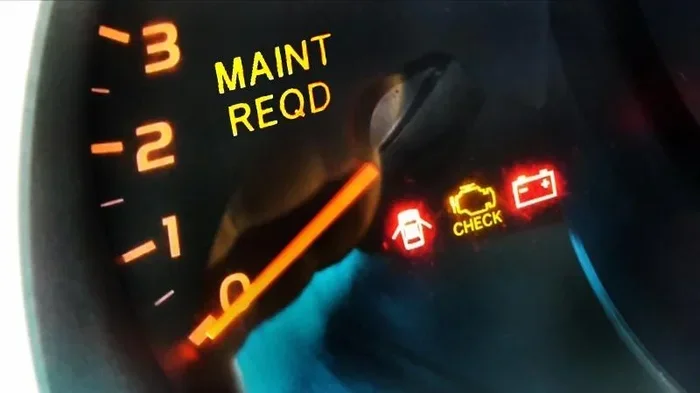
Many Toyota drivers confuse the maintenance required light with the check engine light. They look similar but mean very different things. The maintenance light simply reminds you that it is time for scheduled service. The check engine light points to an actual issue in the engine or emissions system. Understanding this distinction is the first step toward handling the situation correctly.
In this article, we will break down everything you need to know. We will cover why the light might come on after an oil change, what the different lights mean, common causes, and what steps you should take. By the end, you will feel confident about what to do when that little yellow engine icon shows up on your dash.
Understanding Toyota Dashboard Warning Lights
Toyota dashboards have several warning lights. Each one serves a specific purpose. Knowing which light is which helps you respond appropriately. Let us look at the most common ones related to oil changes and engine health.
The Check Engine Light
The check engine light looks like an engine block. It is usually yellow or orange. This light activates when the Toyota onboard diagnostic system (OBD-II) detects a problem. The issue could be anything from a loose gas cap to a failing catalytic converter. When this light comes on, the system stores a diagnostic trouble code (DTC). A mechanic or scanner can read this code to pinpoint the problem.
Here are some common reasons the check engine light might activate:
- Loose or faulty gas cap — This is the number one most common cause.
- Oxygen sensor failure — Affects fuel efficiency and emissions.
- Catalytic converter issues — A serious problem that needs immediate attention.
- Spark plug or ignition coil problems — Can cause misfires and rough running.
- Mass airflow sensor failure — Disrupts the air-fuel mixture.
The Maintenance Required Light
The maintenance required light is different. It usually looks like a wrench or a service icon. This light comes on based on mileage intervals. Toyota sets it to remind you when it is time for an oil change or other scheduled maintenance. It does not indicate a mechanical problem. After you get your oil changed, a technician can reset this light. You can also reset it yourself in most Toyota models.
Some drivers wonder, does your car say when you need an oil change through the maintenance light? Yes, it does. The maintenance light is your car’s way of telling you that service is due. It is a helpful reminder, not a cause for alarm.
The Oil Pressure Warning Light
The oil pressure light looks like an oil can with a drip. If this light comes on, it means oil pressure is low. This is different from the check engine light. Low oil pressure can be dangerous and should be addressed immediately. Always check your oil level if this light appears.
Does the Check Engine Light Come on After an Oil Change?
In most cases, the answer is no. A standard oil change should not trigger the check engine light. However, there are exceptions. Let us explore the situations where this light might appear after an oil change.
Why It Might Come On After Service
Sometimes, things happen during an oil change that cause the check engine light to activate. Here are the most common scenarios:
- Loose gas cap: When the technician lifts the hood or you fuel up before the service, the gas cap might not seal properly. This triggers an evaporative emissions leak code.
- Oil cap not tightened: If the oil fill cap is loose after the oil change, it can cause pressure issues and set a code.
- Oil sensor disturbance: During the oil change, the oil pressure sensor might get bumped or disturbed, causing a temporary warning.
- Old oil and filter not fully drained: Residual oil or debris can sometimes affect sensors temporarily.
Most of the time, these issues resolve on their own after a few drive cycles. But if the light stays on, you should investigate further.
When It Signals a Real Problem
Sometimes the check engine light coming on after an oil change points to a real issue that was not related to the service itself. For example, you might have had a failing sensor before the oil change, and the light just happened to come on around the same time. This coincidence can make it seem like the oil change caused the problem.
If the light flashes instead of staying steady, this is more urgent. A flashing check engine light usually indicates a severe misfire or catalytic converter issue. Pull over safely and get your vehicle inspected right away.
How the Maintenance Required Light Works on Toyota
The maintenance required light is a mileage-based reminder. Toyota programs it to come on every 5,000 miles or based on the maintenance interval set for your specific model. This light is not connected to any diagnostic system. It simply counts miles and reminds you that an oil change is due.
Here is how the system works:
- The light comes on when you reach the service interval.
- You get your oil changed at a Toyota dealer or independent shop.
- The technician resets the light using a diagnostic tool or a simple button sequence.
- The light stays off until the next service interval.
If you want to reset it yourself, the process is usually straightforward. For most Toyota models, you can hold down the odometer reset button while turning the ignition key. The exact steps vary by model and year, so check your owner’s manual. You can also find the specific steps by searching for how to get the maint reqd light off for your particular Toyota model.
It is important to note that the maintenance light does not replace the check engine light. They serve entirely different purposes. One is a friendly reminder, and the other is a warning. Understanding this difference helps you avoid unnecessary trips to the mechanic.
Common Causes of Check Engine Light After an Oil Change
If your check engine light does come on after an oil change, several things could be responsible. Let us look at the most common culprits.
Loose Gas Cap
This is the single most common reason for a check engine light after any service, including an oil change. When you remove the gas cap to fill up before or after your appointment, it might not click fully into place. The evaporative emissions system then detects a leak, and the light comes on.
Quick tip: After fueling up or getting service, make sure you hear three clicks when you tighten the gas cap. If the light comes on, try tightening the cap and driving for a day or two. In many cases, the light will turn off on its own.
Oil Cap Left Off or Loose
During an oil change, the technician removes the oil fill cap to pour in new oil. If this cap is not tightened properly, it can cause issues. The engine might not maintain proper crankcase pressure, which can affect the positive crankcase ventilation (PCV) system. This system is monitored by the OBD-II system, and a problem here can set a code.
Oil Pressure Sensor Issues
Toyota vehicles have oil pressure sensors that monitor oil levels and pressure. During an oil change, these sensors can get disturbed or might already be failing. A faulty sensor can send incorrect readings to the engine control unit, triggering the check engine light.
If you recently had an oil change and the light came on, it is worth checking the oil level with the dipstick. If the oil level is correct and the light persists, the sensor might need replacement.
Wrong Oil Type or Filter
Using the wrong grade of oil or an incorrect oil filter can sometimes cause issues. Toyota recommends specific oil weights for each model, such as 0W-20 or 5W-30. Using a different weight might not cause the check engine light directly, but it can affect engine performance over time. Always verify that the correct oil and filter were used during your service.
What to Do When the Check Engine Light Comes On After an Oil Change
Seeing the check engine light after an oil change can be unsettling. Here is a step-by-step approach to handle the situation calmly and effectively.
Step 1: Check the Gas Cap
Start with the simplest fix. Pull over safely and check that your gas cap is tight. If it is loose, tighten it and continue driving. The light should turn off within a few days or after a few drive cycles.
Step 2: Check the Oil Level
Pop the hood and check your oil level with the dipstick. If the oil is low, top it off. Low oil can cause pressure issues that trigger the check engine light. If you recently had an oil change and the level is low, return to the service center and ask them to check their work.
Step 3: Look for Other Warning Lights
Check your dashboard for any other warning lights. If you see the oil pressure light, temperature light, or any other alerts, pay close attention. These could indicate a more serious issue that needs immediate care.
Step 4: Get the Codes Read
You can visit Autozone to get your check engine codes read for free. Their staff will hook up a scanner and tell you what codes are stored. This gives you a clear idea of what the problem is. You can also purchase a basic OBD-II scanner for home use. These tools are affordable and very helpful for DIY diagnostics.
If the codes point to a loose gas cap or a sensor issue, you might be able to fix it yourself. For more serious codes, schedule a visit with a qualified mechanic.
Step 5: Do Not Ignore the Light
Even if your car seems to be running fine, do not ignore the check engine light. Some issues might not affect drivability immediately but can cause damage over time. Addressing problems early saves money and prevents bigger headaches down the road.
Preventing Check Engine Light Issues After Oil Changes
Prevention is always better than cure. Here are some tips to help you avoid check engine light issues after your next oil change.
- Double-check the gas cap: Make sure it is tight before leaving the service center.
- Verify the oil type: Confirm that the correct oil weight and filter were used.
- Request a post-service inspection: Ask the technician to check all caps and connections before you drive away.
- Keep your maintenance records: Document every oil change with the date, mileage, and oil type used.
- Follow the Toyota maintenance schedule: Stick to the recommended oil change intervals in your owner’s manual.
- Monitor your dashboard regularly: Make it a habit to glance at your lights when you start the car.
Regular maintenance keeps your Toyota running smoothly. It also reduces the chances of unexpected warning lights. If you are wondering whether car insurance covers a blown engine, the answer depends on your policy. Most standard policies do not cover mechanical failures unless you have specific coverage. Check your policy details to understand what is included.
When to See a Mechanic
Not every check engine light requires a trip to the shop. But there are situations where professional help is essential.
You should see a mechanic if the check engine light flashes, if it stays on for more than a few days after tightening the gas cap, or if you notice other symptoms like rough idling, reduced power, or strange noises. These signs suggest a real problem that needs professional diagnosis.
Also, if you recently had an oil change and the light came on right away, it is worth returning to the service provider. They might have left something loose or used the wrong parts. Most reputable shops will check this at no extra cost.
For Toyota owners who want peace of mind, visiting a Toyota dealer is a great option. They have factory-trained technicians and access to Toyota-specific diagnostic tools. They can quickly identify whether the issue is related to the oil change or something else entirely.
Remember, if you are ever unsure about a warning light, it is better to be safe than sorry. A quick inspection can save you from a much bigger repair bill later.
Conclusion
The check engine light on a Toyota should not come on for a routine oil change. If it does, it is usually caused by something simple like a loose gas cap or oil cap. Understanding the difference between the check engine light and the maintenance required light is the key to staying calm and taking the right action.
Always check the simple things first — the gas cap, the oil level, and other dashboard warnings. If the light persists, get the codes read at Autozone or a trusted mechanic. Addressing the issue promptly keeps your Toyota running well and prevents small problems from becoming big ones.
Regular oil changes are one of the best things you can do for your vehicle. They keep the engine lubricated, reduce wear, and extend the life of your car. Stay on top of your maintenance schedule, and your Toyota will reward you with years of reliable service.
Frequently Asked Questions
Can an oil change itself cause the check engine light to come on?
Not directly. A routine oil change should not trigger the check engine light. However, if something was disturbed during the service, such as the gas cap or oil fill cap, it can cause the light to activate. In most cases, these issues resolve quickly on their own.
How do I know if it is the check engine light or the maintenance light?
The check engine light looks like an engine block and is usually yellow or orange. The maintenance light looks like a wrench or service icon. The maintenance light is a mileage-based reminder, while the check engine light signals an actual problem detected by the diagnostic system.
Should I be worried if the check engine light comes on after an oil change?
Not necessarily. Start by checking the gas cap and oil level. If both are secure, drive for a day or two and see if the light turns off. If it stays on or flashes, get the codes read to identify the cause.
Can I drive with the check engine light on after an oil change?
In most cases, yes, if the light is steady and the car is running normally. However, if the light flashes or you notice other symptoms like rough running or power loss, stop driving and get the vehicle inspected immediately.
How do I reset the maintenance required light on my Toyota?
The process varies by model but usually involves holding the odometer reset button while turning the ignition. You can also visit a Toyota dealer or any auto shop, and they will reset it for you. Check your owner’s manual for the exact steps for your specific model.
What is the most common reason the check engine light comes on after service?
A loose gas cap is by far the most common cause. It creates an evaporative emissions leak that the system detects. Simply tightening the cap often resolves the issue within a few days of driving.