Does Toyota Have a Low Oil Light Here Is What To Know
Yes, Toyota vehicles have a low oil pressure warning light that alerts drivers when oil levels drop dangerously low. Understanding this indicator helps you prevent engine damage and keep your Toyota running smoothly. This guide covers what the light looks like, why it activates, and how to respond quickly and safely.
Does Toyota Have a Low Oil Light Here Is What To Know
Every Toyota driver has seen a warning light pop up on the dashboard at some point. Some lights are harmless. Others demand immediate attention. One of the most important lights to understand is the Toyota low oil light. It tells you your engine oil pressure or level has dropped to a concerning level. Ignoring it can lead to serious and expensive engine damage. In this guide, we will walk you through everything you need to know about this warning. We will cover what the light looks like, why it comes on, what you should do, and how to prevent it from happening again.
If you have ever wondered, “does Toyota have a low oil light,” the answer is a clear yes. Toyota builds a dedicated warning system into nearly every model. Whether you drive a Camry, Corolla, RAV4, or Highlander, your dashboard has the tools to alert you about oil problems. The system works alongside your oil change indicator to keep your engine protected. Let us break down exactly how this works and what it means for you as a Toyota owner.
Key Takeaways
- Toyota does have a low oil pressure warning light: It appears on the dashboard and signals dangerously low oil levels.
- The light looks different from other warnings: It typically shows a red oil can symbol or an engine icon with drops.
- Ignoring it can cause serious engine damage: Low oil leads to increased friction, overheating, and costly repairs.
- You can reset the maintenance light yourself: Simple steps work for most Toyota models.
- Regular oil changes prevent the warning: Staying on top of your Toyota maintenance schedule keeps the light off.
- Oil type matters: Using the right viscosity oil helps your engine perform at its best.
- When in doubt, see a mechanic: A professional can diagnose deeper issues beyond just low oil.
📑 Table of Contents
- What the Toyota Low Oil Light Looks Like
- Why the Low Oil Light Comes On
- What You Should Do When the Light Comes On
- How to Reset the Toyota Low Oil and Maintenance Lights
- Preventing the Low Oil Light From Coming On
- Common Mistakes Toyota Owners Make With Oil Warnings
- Expert Insights on Toyota Oil Systems
- How Often Should You Change Your Toyota Oil
- Final Thoughts
What the Toyota Low Oil Light Looks Like
The Toyota oil warning symbol is hard to miss once you know what to look for. It usually appears as a red or amber icon shaped like an oil can. Some newer Toyota models display a more detailed graphic showing oil drops falling from a container. The color of the light matters a lot. A red light means stop safely and check your oil immediately. An amber or yellow light suggests you should address the issue soon but it is not an emergency.
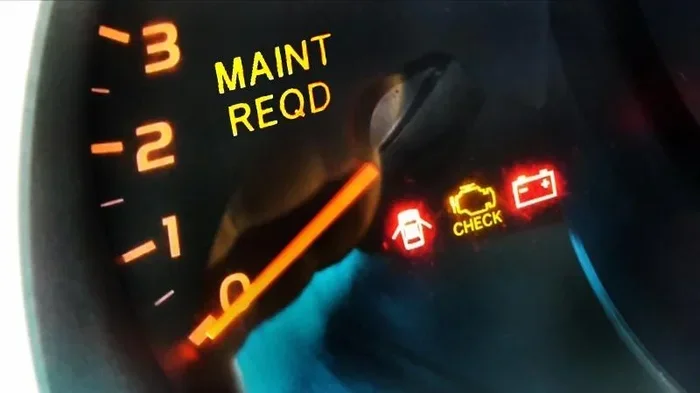
Do not confuse the low oil light with the maintenance required light. The maintenance light is usually yellow and shaped like a wrench or a service symbol. It reminds you that it is time for routine maintenance. The low oil pressure light is more urgent. It specifically warns you about oil levels or pressure that could harm your engine right now. Your car may also have an oil change indicator that reminds you when service is due. These are different systems with different purposes.
Where to Find the Warning on Your Dashboard
Toyota places the low oil warning in the instrument cluster behind your steering wheel. On most models, it sits among other warning lights like the check engine light, battery light, and temperature gauge. When you start your car, all warning lights briefly illuminate as part of a bulb check. The low oil light should turn off within a few seconds. If it stays on, your vehicle is telling you something needs attention.
The exact shape and color can vary slightly depending on your Toyota model year. Older Toyotas might show a simpler oil can design. Newer models from 2015 onward often feature a more modern graphic. Check your owner manual for the specific symbol used in your vehicle. The manual will also explain what each dashboard light means, which is a great habit to build.
Why the Low Oil Light Comes On
Several things can trigger the Toyota low oil pressure warning. Understanding the cause helps you respond correctly. Here are the most common reasons this light activates.
- Low oil level: The most frequent cause. Oil naturally burns off over time and can leak from gaskets or seals. When the level drops below the minimum mark on the dipstick, the sensor triggers the warning.
- Oil pressure drop: Even if the oil level is fine, a failing oil pump or clogged oil passage can reduce pressure. This causes the sensor to activate.
- Dirty or degraded oil: Old oil loses its viscosity and lubricating properties. Sludge buildup can block passages and trigger the sensor.
- Faulty oil pressure sensor: Sometimes the sensor itself malfunctions and sends a false warning. This is less common but does happen.
- Engine wear: In higher-mileage vehicles, worn engine bearings can reduce oil pressure enough to trigger the light.
If you notice the light comes on while driving, pull over safely and turn off the engine. Running an engine with low oil pressure for even a few minutes can cause permanent damage. Toyota oil capacity varies by model and engine size, so check your manual for the exact amount your vehicle needs.
What You Should Do When the Light Comes On
Seeing the red oil warning light can be stressful. Stay calm and follow these steps to protect your engine.
- Pull over safely: Find a flat, safe spot to stop. Turn off the engine immediately.
- Check the oil level: Wait a few minutes for the oil to settle, then pull the dipstick. Wipe it clean, reinsert it, and check the level again.
- Add oil if needed: If the level is low, add the correct type of oil for your Toyota. Most Toyotas use 0W-20 or 5W-30, but always check your owner manual. You can also check whether 5W-20 is a safe substitute for 5W-30 in your Toyota if that is what you have on hand.
- Look for leaks: Check under the car for any fresh oil spots. A puddle underneath could indicate a leak that needs professional attention.
- Restart the engine: After adding oil, start the engine and watch the warning light. If it goes off, you likely just needed a top-up. If it stays on, seek professional help right away.
Never ignore the light, even if it goes off after adding oil. The light coming back on could signal a deeper problem like a leak or a failing oil pump. If your maintenance required light stays on after service, there are simple reset procedures you can try. However, the low oil light is different and should never be ignored.
Quick Tips for Handling the Low Oil Light
- Keep a quart of the correct oil in your trunk, especially on long trips.
- Check your oil level at least once a month.
- Do not wait for the light to come on to check your oil.
- Replace your Toyota oil filter with every oil change to keep the system clean.
- If you are unsure about the cause, tow your vehicle to a mechanic rather than driving it.
How to Reset the Toyota Low Oil and Maintenance Lights
Once you have addressed the oil issue, you will want to reset the warning light. Resetting the maintenance required light is a straightforward process on most Toyota models. Keep in mind that resetting the low oil pressure light is only appropriate after you have confirmed the oil level is correct and the engine is healthy.
Reset Steps for Most Toyota Models
Follow these general steps to reset your maintenance light. The process is similar across most Toyota sedans and SUVs.
- Turn the ignition to the “ON” position without starting the engine.
- Press the trip meter reset button located on the instrument cluster.
- Hold the button for about 10 seconds until the maintenance light begins to flash.
- Release the button, then press and hold it again for another 5 seconds.
- Turn the ignition off and then back on to confirm the light has reset.
If these steps do not work for your specific model, consult your owner manual or search for your model year online. Some newer Toyotas require a diagnostic tool or a trip to the dealer to reset certain warnings. You can also find detailed reset instructions for the maintenance required light if the above steps do not match your vehicle.
When the Light Won’t Go Away
Sometimes the warning light stays on even after you have added oil and reset the system. This can happen for several reasons. A persistent light may indicate a faulty sensor, an oil leak, or an internal engine problem. In these cases, it is best to visit a trusted mechanic or your local Toyota dealer. They can run a diagnostic scan and pinpoint the exact cause. Ignoring a persistent warning light, even if the car seems fine, is never a good idea.
Preventing the Low Oil Light From Coming On
The best way to deal with the Toyota low oil warning is to prevent it from happening in the first place. Regular maintenance and good driving habits go a long way toward keeping your engine healthy.
Follow Your Toyota Maintenance Schedule
Toyota recommends specific oil change intervals based on your model and driving conditions. Most newer Toyotas need an oil change every 10,000 miles or once a year, whichever comes first. However, if you drive in severe conditions like extreme heat, stop-and-go traffic, or dusty roads, you should change your oil more frequently. Toyota service interval recommendations in your owner manual are your best guide.
Use the Right Oil for Your Engine
Not all engine oils are the same. Toyota engineers design their engines to work best with specific oil viscosities. Using the wrong oil can lead to poor lubrication, increased wear, and even trigger the low oil light. Always verify the correct oil type before switching brands or viscosities. Using quality oil and a good Toyota oil filter during every change keeps your engine protected.
Monitor Your Oil Level Between Changes
Do not rely solely on the dashboard warning. Make it a habit to check your oil level with the dipstick every few weeks. This simple habit catches small leaks early before they become big problems. A few minutes of checking can save you thousands of dollars in engine repairs.
Watch for Warning Signs Beyond the Light
Your car often gives you clues before the low oil light even comes on. Listen for unusual engine noises like knocking or ticking. Pay attention to any changes in engine performance. If your Toyota seems less responsive or makes unfamiliar sounds, check the oil level right away. Catching problems early is always easier and cheaper than fixing them late.
| Warning Sign | Possible Cause | Action Needed |
|---|---|---|
| Red oil light stays on | Very low oil level or pressure | Stop engine immediately and check oil |
| Amber oil light flickers | Borderline low oil or sensor issue | Check oil level within 24 hours |
| Oil light comes on at idle | Low oil pressure at low RPM | Add oil or visit a mechanic |
| Oil light after oil change | Sensor not reset or overfill | Reset system or check oil level |
| Oil light with engine knocking | Severe low oil or engine wear | Tow to mechanic immediately |
Common Mistakes Toyota Owners Make With Oil Warnings
Even experienced car owners make mistakes when it comes to oil warnings. Here are some common errors to avoid.
- Ignoring the light and driving anyway: This is the most dangerous mistake. Even a short drive with low oil can cause engine damage.
- Adding the wrong oil type: Mixing oil viscosities or using non-recommended grades can cause poor engine performance.
- Only checking oil when the light comes on: Reactive maintenance is far more expensive than proactive checks.
- Resetting the light without fixing the problem: Clearing the warning without addressing the root cause just hides the problem.
- Skipping oil filter changes: A clogged filter restricts oil flow and can trigger the warning light even when oil levels are fine.
- Assuming the dealer will catch everything: Stay involved in your Toyota’s maintenance. Ask questions and understand what each service includes.
Many Toyota owners also wonder whether their car insurance cover a blown engine caused by low oil. Most standard policies do not cover engine damage from neglect. Regular oil maintenance is your best protection both for the engine and for your wallet.
Expert Insights on Toyota Oil Systems
Toyota engineers designed their oil monitoring systems to be reliable and responsive. The oil pressure sensor in modern Toyotas is highly accurate and triggers well before oil levels reach a critical point. This gives drivers a generous window to address the issue before any damage occurs.
According to Toyota service experts, the most common reason the low oil light comes on is simply forgetting to check the oil level regularly. Modern Toyotas are efficient and burn very little oil between changes, but they still need periodic checks. A good rule of thumb is to check your oil every time you fill up the gas tank. This takes less than a minute and builds a habit that protects your engine for years.
Another expert tip is to pay attention to your Toyota maintenance schedule. If you keep up with regular oil changes, the low oil light should rarely ever come on. Toyota oil filters are designed to work with genuine Toyota oil to maximize engine life and performance. Using genuine parts gives you peace of mind that your engine is getting the best protection possible.
How Often Should You Change Your Toyota Oil
The frequency of oil changes depends on several factors. Your driving habits, the type of oil you use, and your specific Toyota model all play a role. Here is a general guide to help you stay on track.
- Synthetic oil (recommended for most new Toyotas): Change every 10,000 miles or 12 months.
- Conventional oil (older models): Change every 5,000 to 7,500 miles or 6 months.
- Severe driving conditions: Short trips, extreme temperatures, towing, or dusty roads mean more frequent changes every 5,000 miles.
- High-mileage vehicles (over 100,000 miles): Consider changing oil every 3,000 to 5,000 miles to compensate for increased engine wear.
Sticking to a consistent oil change routine is the single best thing you can do to prevent the low oil light from activating. It also extends the life of your engine and keeps your Toyota running smoothly for hundreds of thousands of miles.
Final Thoughts
So, does Toyota have a low oil light? Absolutely. The Toyota low oil warning system is a vital safety feature designed to protect your engine from costly damage. Understanding what the light means, how to respond, and how to prevent it from coming on empowers you as a Toyota owner. Keep your oil levels checked, follow the maintenance schedule, use the right oil and filters, and never ignore a warning light.
Your Toyota is a significant investment. Taking a few minutes each month to check your oil and understand your dashboard warnings pays off in the long run. A well-maintained Toyota can last for hundreds of thousands of miles with proper care. The low oil light is your first line of defense. Treat it with the respect it deserves, and your engine will thank you for years to come.
Remember that oil changes at Toyota dealerships are sometimes included in your maintenance plan. Take advantage of these services to keep your vehicle in top shape. And if you ever feel unsure about a warning light, do not hesitate to consult a professional. It is always better to be safe than sorry when it comes to your engine.
Frequently Asked Questions
What does the Toyota low oil light look like?
The Toyota low oil warning light typically appears as a red or amber oil can symbol with drops of oil. It is located in the instrument cluster behind the steering wheel. If the light stays on after startup, it means your oil level or pressure needs attention.
Can I keep driving if the low oil light comes on?
No, you should pull over safely and turn off the engine immediately. Driving with low oil can cause severe engine damage within minutes. Check your oil level and add oil if needed before restarting.
How do I reset the Toyota maintenance required light?
Turn the ignition to ON, press and hold the trip reset button for about 10 seconds until the light flashes, then release and hold it again for 5 seconds. Turn the ignition off and back on to confirm the reset. Refer to your owner manual for model-specific instructions.
Why does my Toyota low oil light keep coming back?
A recurring low oil light usually indicates an oil leak, a faulty oil pressure sensor, or excessive oil consumption. Have a mechanic inspect your vehicle to identify and fix the underlying cause.
What type of oil does my Toyota need?
Most modern Toyotas require 0W-20 synthetic oil, though some models use 5W-30. Always check your owner manual or consult a Toyota dealer to confirm the correct oil type for your specific model and engine.
Are oil changes free at Toyota dealerships?
Some Toyota dealerships include oil changes in their maintenance plans or promotional offers. Check with your local dealer to see if your purchase or warranty includes complimentary oil changes.