Car Front Glass Everything You Need to Know About Repair
Car front glass is more than just a window — it is a critical safety component that protects you on every drive. This guide covers everything you need to know about car front glass repair, including costs, processes, and prevention tips. Whether you have a small chip or a full crack, you will find practical advice to keep your windshield in top shape.
Your car front glass does a lot more than just let you see the road. It plays a vital role in your vehicle’s structural integrity, supports the roof during a rollover, and helps airbags deploy correctly. Yet, most drivers only think about their front windshield when something goes wrong. A tiny rock chip turns into a long crack overnight, or a stray pebble from a truck leaves an ugly mark right in your line of sight. This guide walks you through everything you need to know about car front glass repair and replacement. We will cover the causes of damage, the repair process, costs, prevention tips, and how to choose the right glass for your vehicle. By the end, you will feel confident making the best decision for your safety and your wallet.
Understanding your car front glass starts with knowing what it is made of and why it matters. Modern vehicles use laminated safety glass for the front windshield. This means two layers of glass are bonded together with a plastic interlayer. If the glass breaks, the shards stay stuck to the plastic instead of flying everywhere. This design saves lives every single day. However, even with this advanced construction, damage happens. Road debris, temperature swings, and simple wear and tear can all compromise your front windshield over time. The good news is that most damage does not mean you need a full replacement right away. Many chips and cracks can be repaired quickly and affordably if you act fast.
Key Takeaways
- Safety First: Your car front glass provides structural support and protects you during collisions, making timely repair essential.
- Know When to Repair vs. Replace: Small chips and cracks under a certain size can often be repaired, while larger damage requires full replacement.
- Cost Varies Widely: Car front glass repair costs depend on damage size, glass type, and your vehicle model, typically ranging from $50 to $350.
- Choose Quality Glass: Always opt for OEM or high-quality aftermarket auto glass to ensure safety standards and proper fit.
- Prevention Works: Simple habits like maintaining distance from other vehicles and avoiding sudden temperature changes can significantly extend your front windshield life.
- Insurance May Cover It: Many comprehensive auto insurance policies cover windshield repair or replacement with little to no deductible.
- Professional Installation Matters: Improper installation can lead to leaks, wind noise, and compromised safety, so always trust certified technicians.
📑 Table of Contents
- What Is Car Front Glass and Why It Matters
- Common Causes of Front Glass Damage
- Car Front Glass Repair vs Replacement
- How to Choose the Right Glass for Your Vehicle
- The Car Front Glass Repair Process Step by Step
- Tips to Extend the Life of Your Front Glass
- Common Mistakes to Avoid with Car Front Glass Repair
- Expert Insights on Car Front Glass Care
- Conclusion
What Is Car Front Glass and Why It Matters
The car front glass, commonly called the windshield, is the large pane of glass at the front of your vehicle. It is not just any piece of glass. It is engineered to specific safety standards and plays a key role in crash protection. Let us break down what makes it so important.
The Role of Your Front Windshield in Vehicle Safety
Your front windshield does much more than keep wind and bugs out of your face. In a collision, it helps absorb impact and supports the roof structure. During a rollover accident, the windshield helps prevent the roof from crushing into the cabin. It also provides a proper surface for airbag deployment. When the airbag bounces off the windshield, it redirects toward the driver and passengers with the right force and angle. A damaged windshield can compromise all of these safety functions. This is why addressing even small chips and cracks matters so much.
Types of Glass Used in Car Front Windows
Not all car glass is the same. Your front windshield uses laminated safety glass, which we mentioned above. The side and rear windows typically use tempered glass. Tempered glass is heated and then cooled rapidly to make it stronger. When it does break, it shatters into small, blunt pieces rather than sharp shards. Understanding this difference helps you know what to expect during repair or replacement. Auto glass manufacturers follow strict standards set by organizations like the American National Standards Institute (ANSI) and the Federal Motor Vehicle Safety Standards (FMVSS). These standards ensure every piece of glass you buy meets safety requirements.
How Car Front Glass Protects Against UV and Noise
Another job your front windshield handles is blocking harmful ultraviolet rays. Most windshines come with a UV-blocking layer built into the lamination. This protects your skin and helps prevent your dashboard and interior from fading. The glass also reduces wind noise at highway speeds, making your ride quieter and more comfortable. A damaged or poorly installed windshield can reduce both UV protection and noise reduction. This is one more reason to address damage promptly and choose quality glass during replacement.
Common Causes of Front Glass Damage
Knowing what causes damage to your car front glass helps you avoid it. Some causes are completely unavoidable, but many can be prevented with simple habits. Let us look at the most common culprits.
Road Debris and Flying Rocks
This is the number one cause of front windshield damage. Gravel trucks, construction vehicles, and even other cars on the highway kick up small rocks and debris. These projectiles hit your windshield at high speed and can chip or crack the glass instantly. The damage often happens without warning. You might be driving along peacefully and then hear a sudden pop. Following too closely behind trucks is a major risk factor. Keeping a safe following distance gives you more reaction time and reduces the chance of debris hitting your glass.
Temperature Changes and Thermal Stress
Rapid temperature changes put stress on your car front glass. For example, pouring boiling hot water on an icy windshield in winter can cause it to crack. Similarly, blasting your car’s heater on maximum right after a freezing drive can create stress fractures. The glass expands when hot and contracts when cold. Uneven heating or cooling across the surface leads to thermal stress cracks. These cracks often start small but spread quickly if not addressed. To avoid this, warm up your car gradually and never use boiling water to defrost your windshield.
Accidents, Vandalism, and Wear Over Time
Car accidents of any kind can damage the front windshield. Even a minor fender bender can create stress cracks that appear days later. Vandalism is another cause, though less common. Rocks thrown at parked cars, broken bottles, and even deliberate smashing can all damage your front window. Over time, normal wear and tear also weakens the glass. Sun exposure degrades the plastic interlayer. Tiny imperfections grow into visible cracks. Old windshield seals lose their integrity and allow moisture to seep in. All of these factors contribute to the gradual deterioration of your car front glass.
Car Front Glass Repair vs Replacement
One of the most important decisions you will face is whether to repair or replace your damaged front windshield. The answer depends on several factors, including the size, location, and depth of the damage. Let us walk through when each option makes sense.
When Windshield Repair Is Enough
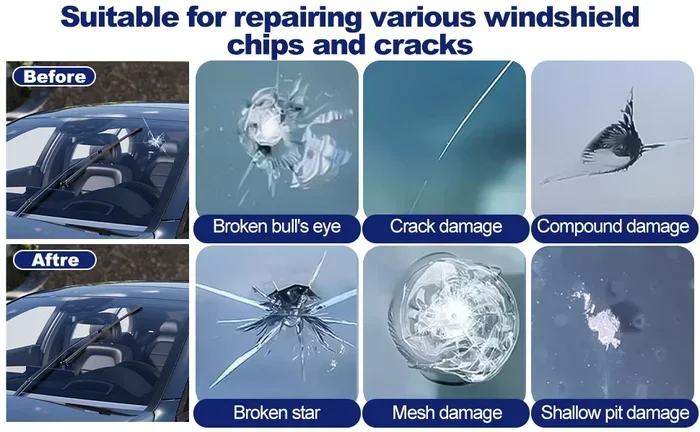
Small chips and cracks can often be repaired instead of replaced. A repair is faster, cheaper, and keeps your original factory-installed glass. Most repair shops can fix a rock chip smaller than a quarter or a crack shorter than three inches. The process involves cleaning the damaged area and injecting a clear resin that fills the crack and hardens it. The resin restores structural integrity and improves the appearance of the damage. It is not a perfect fix — you may still see a slight scar — but it stops the damage from spreading. Repair works best when the damage is in your direct line of sight and is not near the edge of the glass.
When Full Windshield Replacement Becomes Necessary
Replacement is necessary when the damage is too large or too severe to repair safely. Cracks longer than three inches, chips larger than a quarter, or damage that extends to the edge of the glass usually require a full replacement. Damage in the driver’s direct line of sight that cannot be fully repaired should also be replaced for clear visibility. If the windshield has multiple cracks or a combination of chips and cracks, replacement is the safer option. A compromised front windshield will not perform as it should in a collision, putting you and your passengers at risk.
Cost Comparison: Repair Versus Replacement
Cost is a big factor in this decision. A typical car front glass repair costs between $50 and $150. The price depends on the size and type of damage, your location, and the shop you choose. Windshield replacement costs significantly more, usually between $200 and $350 for most standard vehicles. Premium or luxury vehicles can cost $500 or more for a new windshield. Insurance often covers both repair and replacement, especially if you have comprehensive coverage. Many shops offer free repair for chips covered by insurance, so it is always worth checking before you pay out of pocket.
| Factor | Repair | Replacement |
|---|---|---|
| Average Cost | $50 – $150 | $200 – $350+ |
| Time Required | 30 minutes | 1 – 2 hours |
| Original Glass Preserved | Yes | No |
| Best For | Small chips, short cracks | Large cracks, edge damage, multiple cracks |
| Insurance Coverage | Usually covered | Usually covered (comprehensive) |
| Safety After Service | Restored for small damage | Full structural integrity restored |
How to Choose the Right Glass for Your Vehicle
When replacement is necessary, choosing the right glass matters more than most people realize. Not all auto glass is created equal, and the wrong choice can affect safety, fit, and even your insurance claim. Here is what you need to know.
OEM Glass vs Aftermarket Glass
OEM stands for Original Equipment Manufacturer. OEM glass is made by the same company that supplied the glass for your car when it was built. It matches the exact specifications of your original windshield, including thickness, curvature, and tint strip. Aftermarket glass is made by a different manufacturer and is designed to fit your vehicle. It is usually less expensive but may vary slightly in quality, fit, or optical clarity. For the best safety and performance, OEM glass is the preferred choice. However, high-quality aftermarket glass from reputable brands can be a good budget-friendly alternative.
Understanding Glass Certifications and Standards
Look for glass that meets FMVSS 205 and ANSI Z26 standards. These certifications confirm that the glass has passed safety tests for impact resistance, optical clarity, and durability. Some glass also carries the DOT (Department of Transportation) label, which means it meets federal motor vehicle safety standards. When shopping for replacement glass, ask the supplier or technician about certifications. A reputable shop will always use certified glass and can provide documentation if you ask.
Features to Look for in Replacement Car Front Glass
Modern windshields come with several built-in features that you should not overlook. Many have a UV-blocking interlayer that protects your skin and interior. Some include a rain-sensing zone for automatic wipers or a camera-ready area for driver assistance systems like lane departure warning and automatic emergency braking. If your vehicle has these advanced driver assistance systems (ADAS), the windshield must be replaced with a glass that matches the sensor calibration requirements. Always tell your installer about any ADAS features on your vehicle so they can ensure proper calibration after installation.
The Car Front Glass Repair Process Step by Step
Whether you are getting a repair or a full replacement, knowing what to expect helps reduce stress and ensures a smooth experience. Here is a detailed look at both processes.
What Happens During a Windshield Repair
The repair process is quick and straightforward. First, the technician cleans the damaged area thoroughly to remove any dirt, moisture, or loose glass particles. They then place a small suction device over the chip or crack to create a vacuum. This vacuum draws out air from inside the damage and allows the repair resin to penetrate deeply into the crack. The resin is injected into the damaged area in several stages. Once filled, the technician cures the resin using a UV light. Finally, they clean the surface and polish it to restore clarity. The entire process takes about 30 minutes, and you can drive your car immediately afterward.
What Happens During a Windshield Replacement
Replacement takes longer and requires more precision. The technician removes the old windshield carefully to avoid damaging the surrounding trim or frame. They clean the frame and apply a new urethane adhesive primer. The new windshield is placed into the frame and pressed firmly into position. The urethane adhesive bonds the glass to the car frame and creates a weather-tight seal. After installation, the adhesive needs time to cure. Most shops recommend waiting at least one hour before driving and 24 hours before washing your car or closing the windows tightly. Proper curing ensures the strongest bond and the safest result.
How Long Does the Process Take
A windshield repair typically takes 30 minutes or less. You can often walk into a shop and walk out with a repaired windshield the same day. A full replacement usually takes one to two hours. Some mobile repair services come to your home or office, which adds convenience but may take slightly longer depending on the setup. Either way, both processes are relatively quick compared to other auto repairs. The key is to not delay the service. The longer you wait with a damaged windshield, the more the damage spreads and the more likely you will need a costly replacement instead of a simple repair.
Tips to Extend the Life of Your Front Glass
Prevention is always better than repair. While you cannot prevent every rock chip or accident, there are several practical steps you can take to protect your car front glass and make it last longer.
Maintain Safe Following Distance
Keeping a safe distance from the vehicle in front of you, especially trucks and construction vehicles, dramatically reduces your risk of rock chips. On the highway, aim for at least a four-second following distance. This gives you more time to react and gives debris more time to fall away from your path. It is one of the simplest and most effective habits for protecting your front windshield.
Avoid Extreme Temperature Swings
We touched on this earlier, but it bears repeating. Never pour hot water on a frozen windshield. Do not blast your defroster on maximum heat immediately after a cold drive. Instead, start your car and let the temperature rise gradually. In summer, try to park in the shade when possible. Reducing the thermal stress on your glass helps prevent cracks from forming or spreading.
Fix Small Chips Immediately
This is the single most important tip in this entire guide. A small chip that costs $50 to repair today can turn into a long crack that requires a $300 replacement tomorrow. Dirt, moisture, and vibration all cause chips to spread over time. The longer you wait, the worse it gets. As soon as you notice a chip or small crack, schedule a repair. It is fast, affordable, and keeps your front windshield in excellent condition for years to come.
Use Quality Wiper Blades and Gentle Cleaning
Worn wiper blades scratch your windshield every time you use them. Replace your wiper blades every six to twelve months, or sooner if you notice streaking. When cleaning your windshield, use a glass-safe cleaner and a soft microfiber cloth. Avoid harsh chemicals or abrasive scrubbers that can damage the glass surface or the UV-blocking layer. A clean windshield also improves visibility and reduces eye strain during long drives.
Common Mistakes to Avoid with Car Front Glass Repair
Even well-meaning car owners make mistakes when dealing with windshield damage. Avoiding these common errors can save you time, money, and headaches.
Mistake 1: Ignoring small chips. As we just discussed, small damage spreads fast. Ignoring it almost always leads to a more expensive replacement later.
Mistake 2: Choosing the cheapest option without checking quality. The lowest price is not always the best deal. Cheap glass may not meet safety standards, and poor installation can lead to leaks, wind noise, and even the windshield popping out in a crash.
Mistake 3: Driving immediately after replacement. The adhesive needs curing time. Driving too soon or closing the windows tightly can compromise the bond and the seal. Always follow your technician’s aftercare instructions.
Mistake 4: Using DIY repair kits for serious damage. DIY kits work for very minor chips, but they are not a substitute for professional repair. A poorly done DIY repair can trap moisture, distort your view, and make the damage worse. Leave serious damage to the professionals.
Mistake 5: Forgetting to check insurance coverage. Many people pay out of pocket for windshield repair when their insurance covers it completely. Before you pay anything, call your insurance provider and ask about your glass coverage. Most comprehensive policies include windshield repair and replacement with no deductible or a very low one.
Expert Insights on Car Front Glass Care
We spoke with several certified auto glass technicians to get their top tips for maintaining a healthy front windshield. Here is what the experts had to say.
First, they all emphasized the importance of addressing damage quickly. “A chip that is six months old is almost always unrepairable because dirt and moisture have worked their way into the crack,” says one veteran technician with over 15 years of experience. Second, they recommend choosing a shop that uses OEM-certified glass and offers a lifetime warranty on their work. Third, they stress the importance of proper ADAS calibration after any windshield replacement. “If your car has a camera or sensor mounted behind the windshield, a miscalibrated system after replacement can be a serious safety issue,” the experts warn.
Finally, the technicians recommend keeping a small emergency kit in your car. Include a microfiber cloth, a bottle of glass cleaner, and the contact information for a trusted local auto glass shop. When damage happens, you want to act fast, and having a plan in place makes all the difference.
Conclusion
Your car front glass is a critical safety feature that deserves your attention and care. From understanding the different types of glass and the causes of damage, to knowing when to repair versus replace, this guide has covered the essentials. Remember to act quickly on any chips or cracks, choose quality glass and professional installation, and take simple preventive steps to protect your windshield. Whether you have a small rock chip or need a full replacement, the right approach keeps you safe and saves you money in the long run. Take care of your car front glass, and it will take care of you on every journey ahead.
Frequently Asked Questions
How much does it cost to repair a car front glass chip?
Most car front glass chip repairs cost between $50 and $150. The exact price depends on the size and location of the chip, your vehicle type, and where you live. Many insurance plans cover the full cost of repair, so check with your provider before paying out of pocket.
Can a cracked windshield be repaired or does it always need replacement?
Small cracks under three inches long can often be repaired. Cracks longer than three inches, cracks near the edge of the glass, or cracks that spread across the windshield usually require full replacement. A professional technician can assess the damage and recommend the best option for your situation.
How long does a car front glass repair take?
A windshield repair typically takes about 30 minutes. You can drive your vehicle immediately after the repair is complete. A full windshield replacement takes one to two hours, and most shops recommend waiting at least one hour before driving and 24 hours before washing your car.
Does insurance cover car front glass repair or replacement?
Most comprehensive auto insurance policies cover windshield repair and replacement. Many policies cover the full cost with no deductible. Contact your insurance provider to confirm your coverage and find an approved repair shop near you.
How long does a car front glass replacement last?
A professionally installed car front glass replacement can last the lifetime of your vehicle. The key factor is proper installation using quality adhesive and certified glass. A well-installed windshield should never leak, rattle, or come loose under normal driving conditions.
What should I do immediately after a rock hits my windshield?
First, pull over safely and inspect the damage. If it is a small chip, cover it with clear tape to prevent dirt from entering. Avoid washing your car or exposing the damaged area to water. Contact a professional auto glass repair shop as soon as possible. Quick action often means the difference between a simple repair and an expensive replacement.