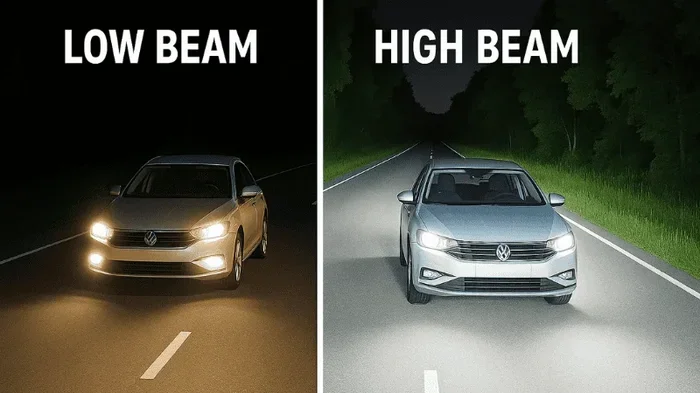
Are High Beams and Brights the Same Thing Headlights
High beams and brights are often used interchangeably, but they are essentially the same thing — both refer to the strongest setting on your vehicle’s headlights. Understanding the difference between low beams and high beam headlights is crucial for safe night driving. This guide breaks down everything you need to know about headlight beams, beam patterns, and proper usage.
Have you ever been driving down a dark road and wondered whether your high beams and brights are actually the same thing? It is a question many drivers ask, especially when they are trying to stay safe on the road at night. The short answer is yes — high beams and brights refer to the same headlight setting. But there is a lot more to understand about how your vehicle’s lighting system works and when to use each setting.
Your car’s headlight system is one of the most important safety features you have. It helps you see the road ahead, and it lets other drivers see you. But not all headlight settings are created equal. Knowing the difference between low beams, high beam headlights, and other lighting options can make a huge difference in your safety. In this article, we will break it all down in simple, easy-to-understand terms.
Whether you drive a new car with automatic headlights or an older vehicle with a manual dashboard light switch, this guide will help you get the most out of your vehicle lighting system. Let us dive in and clear up any confusion about headlight beams once and for all.
Key Takeaways
- High beams and brights mean the same thing: they are the maximum-light setting on your vehicle’s headlight system.
- Low beams and high beams serve different purposes: low beams light the road ahead without blinding other drivers, while high beams provide extended visibility.
- Using high beams incorrectly can be dangerous: they can blind oncoming traffic and drivers in front of you.
- Modern vehicles offer adaptive headlights: these systems automatically switch between beam settings based on driving conditions.
- Headlight bulb type matters: LED, halogen, and HID bulbs all produce different light outputs for your beam settings.
- Proper headlight alignment is essential: misaligned headlights reduce visibility and can dazzle other drivers.
- Know when to switch: use low beams in populated areas and high beams on dark, open roads.
📑 Table of Contents
- What Are High Beams and Brights?
- High Beams vs Low Beams: What Is the Difference?
- Types of Headlight Bulbs and Their Brightness
- How to Switch Between High Beams and Low Beams
- Common Mistakes Drivers Make with Headlight Settings
- Adaptive and Modern Headlight Technology
- Why Proper Headlight Use Matters for Safety
- Frequently Asked Questions
What Are High Beams and Brights?
When people say “brights,” they are almost always talking about high beams. These two terms are used interchangeably in everyday conversation. Both refer to the strongest light output your headlights can produce. When you switch to this setting, your headlights shine brighter and further down the road.
The high beam headlights setting gives you a much wider and longer view of the road ahead. This is especially helpful when you are driving on dark highways or rural roads with no streetlights. The light output from high beams is significantly stronger than what you get from low beams.
However, it is important to understand that high beams are not always the right choice. They are designed for specific driving conditions. Using them at the wrong time can create dangerous situations for you and other drivers on the road.
How Do High Beams Work?
Your headlight bulbs produce light that is shaped by the headlamp housing. The shape of the housing and the reflector inside determine the beam pattern. For high beams, the light shoots straight ahead with less restriction. This means the light travels further and covers more distance.
Most vehicles use the same bulbs for both low and high beams. But some cars have separate bulbs for each setting. In vehicles with LED headlights or high intensity discharge systems, the technology works a bit differently. Still, the basic idea is the same — high beams give you maximum light output.
High Beams vs Low Beams: What Is the Difference?
The main difference between high beams and low beams comes down to road visibility and how the light affects other drivers. Low beams, sometimes called dipped headlights, point downward toward the road. This design prevents the light from hitting the eyes of drivers coming toward you or ahead of you.
High beams, on the other hand, shine more straight ahead. They give you a much longer range of visibility. But they also have a higher chance of blinding other drivers.
When to Use Low Beams
You should use low beams in most everyday driving situations. Here are the key times to stick with low beams:
- In cities and towns: Streetlights and other ambient light make high beams unnecessary.
- When following another vehicle: High beams can reflect off the rearview mirror of the car ahead and blind the driver in front of you.
- In fog or heavy rain: Bright lights bounce off moisture and create a glare that actually reduces your visibility.
- On well-lit roads: If the road has good lighting, high beams do not add much value.
- When there is oncoming traffic: You must switch to low beams to avoid blinding other drivers.
When to Use High Beams
High beams shine when you need the most light possible. Here are the best situations to use them:
- On dark, open roads: Rural highways and unlit roads benefit greatly from high beam settings.
- When there is no oncoming traffic: Make sure no cars are coming toward you before switching to high beams.
- In areas with poor lighting: Construction zones, parking lots, and rural intersections often lack adequate street lighting.
- When you need extra reaction time: High beams let you see farther ahead, giving you more time to react to obstacles.
Types of Headlight Bulbs and Their Brightness
Not all headlight bulbs are the same. The type of bulb your car uses affects how bright your high beams and low beams appear. Let us look at the most common types.
Halogen Headlights
Halogen bulbs are the most traditional type of headlight bulb. They produce a warm, yellowish light. These bulbs are affordable and easy to replace. However, they do not produce the same light output as newer technologies. Halogen headlights work well for both low and high beam settings but are not the brightest option available.
LED Headlights
LED headlights have become very popular in recent years. They use less energy and last longer than halogen bulbs. LED technology produces a bright, white light that closely resembles daylight. This makes high beam headlights with LEDs especially effective for night driving. Many modern vehicles come standard with LED lighting.
High Intensity Discharge (HID) Headlights
HID bulbs, also known as xenon lights, produce a very bright, blue-white light. They were once a premium feature but are now common in many vehicles. HID headlights offer excellent light output for both beam settings. However, they take a few seconds to reach full brightness when switched on.
Laser Headlights
Laser headlights are the newest technology available. They are found mainly in luxury and high-end vehicles. These lights are incredibly bright and energy-efficient. They provide excellent beam pattern control and superior road visibility.
How to Switch Between High Beams and Low Beams
Switching between your headlight settings is usually simple. Most vehicles use a lever on the left side of the steering column. You push or pull the lever to toggle between low and high beams. A blue indicator light on your dashboard light switch tells you when your high beams are active.
Some modern vehicles come with automatic headlights that adjust the beam setting on their own. These systems use sensors to detect ambient light and the presence of other vehicles. They switch between low and high beams automatically, taking the guesswork out of night driving.
Quick Tips for Switching Beams
- Flash your high beams briefly to alert a driver ahead of you or an oncoming vehicle.
- Do not leave high beams on when other vehicles are nearby.
- Check your indicator light on the dashboard to confirm which beam setting is active.
- Use the flash-to-pass feature by quickly pulling and releasing the lever to signal with your high beams.
Common Mistakes Drivers Make with Headlight Settings
Even experienced drivers sometimes make mistakes with their headlight settings. These errors can reduce visibility or create dangerous situations on the road.
Leaving High Beams On in Traffic
This is one of the most common and frustrating mistakes. Driving with high beams on in traffic blinds the drivers around you. It makes it harder for everyone to see. Always switch to low beams when you are near other vehicles.
Ignoring Headlight Alignment
Over time, your headlight alignment can shift. This happens from normal wear and tear, bumps in the road, or replacing bulbs incorrectly. Misaligned headlights can shine too high and blind other drivers, even on low beam settings. Have your headlight alignment checked regularly.
Using High Beams in Fog
This seems counterintuitive, but many drivers switch to high beams in fog hoping to see better. The truth is that high beams reflect off the fog and create a wall of glare. This actually makes your road visibility worse. Always use low beams in fog, rain, or snow.
Neglecting Bulb Maintenance
Dim headlights are a safety hazard. If your headlight bulbs are dim or one is burned out, your light output drops significantly. Replace bulbs in pairs to maintain even lighting. Clean your headlight lenses regularly, as dirt and oxidation can reduce brightness.
Adaptive and Modern Headlight Technology
Car manufacturers are constantly improving headlight technology. New systems make night driving safer and more convenient for everyone on the road.
Adaptive High Beams
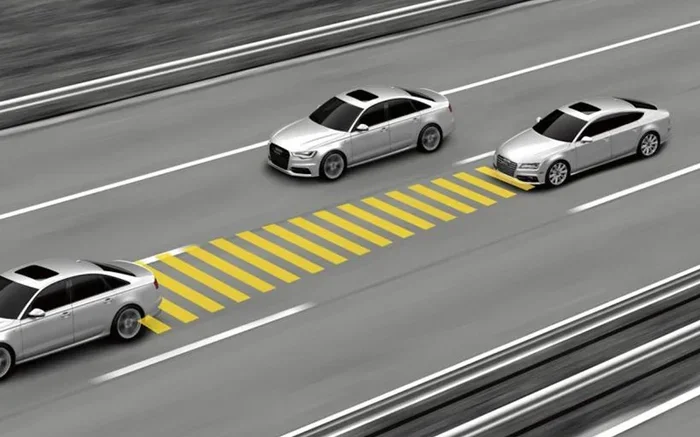
Adaptive headlights are a game-changer in vehicle lighting. These systems automatically adjust your beam settings based on surrounding traffic. They dim automatically when they detect oncoming vehicles or cars ahead of you. This means you can keep your high beams on more often without blinding anyone.
Matrix LED and Pixel Lighting
Some vehicles now feature matrix LED systems. These use multiple small LED elements that can be individually controlled. The system can darken specific sections of the beam to avoid shining light directly at other drivers. This technology provides excellent road visibility without affecting other people on the road.
Automatic High Beam Assist
Automatic high beam assist uses a camera or sensor to monitor the road ahead. When no other vehicles are detected, the system switches to high beams automatically. When it detects traffic, it switches back to low beams. This feature removes the need for manual switching and helps you stay focused on driving.
Why Proper Headlight Use Matters for Safety
Using your headlights correctly is about more than just seeing the road. It is about keeping everyone safe. Proper use of your headlight beams reduces the risk of accidents and keeps the driving experience smooth for everyone.
Studies show that proper headlight use significantly reduces night-time accidents. Drivers who use the correct beam settings for each situation have better road visibility and more time to react to hazards. Whether you are on a dark highway or a well-lit city street, your headlight settings play a vital role in your safety.
Take a moment to familiarize yourself with your vehicle’s headlight settings. Know where the switch is. Understand what each indicator light on your dashboard means. This small effort can make a big difference every time you drive at night.
Frequently Asked Questions
Are high beams and brights exactly the same thing?
Yes, high beams and brights are the same thing. Both terms refer to the maximum light output setting on your vehicle’s headlights. When you turn on your brights, you are activating your high beams. The two terms are used interchangeably by drivers and in automotive discussions.
Can I use high beams in all driving conditions?
No, you should not use high beams in all conditions. High beams are best for dark, open roads with no other traffic around. You must switch to low beams when there is oncoming traffic, when you are following another vehicle, or when driving in fog, rain, or snow. Using high beams inappropriately can blind other drivers and create dangerous situations.
How do I know if my high beams are on?
Most vehicles have a blue indicator light on the dashboard that illuminates when your high beams are active. Check your vehicle’s owner manual to locate the specific indicator for your model. If you do not see the blue light, your high beams are likely off.
Do LED headlights make high beams brighter?
Yes, LED headlights generally produce a brighter and more focused light than traditional halogen bulbs. This means your high beams with LED technology provide better road visibility and a longer range of illumination. LED headlights also respond faster and use less energy than older bulb types.
What should I do if another driver has their high beams on?
If another driver has their high beams on and is blinding you, look toward the right side of the road and use the white edge line as a guide. Do not look directly at the other vehicle’s headlights. Slow down if needed and wait until the vehicle passes. If the driver is following you, adjust your rearview mirror to reduce the glare.
How often should I check my headlight alignment?
You should have your headlight alignment checked at least once a year or whenever you notice your lights seem misaligned. Signs of poor alignment include lights shining too high, uneven light patterns, or dimming on one side. Many auto parts stores and repair shops offer free headlight alignment checks.