What Does Engine Coolant Over Temperature Mean for Your Car
Engine coolant over temperature means your car’s cooling system can’t keep the engine within a safe heat range. This warning signals potential damage if ignored, from warped engine parts to a blown head gasket. Understanding this alert helps you act fast and avoid costly repairs.
Key Takeaways
- Engine Coolant Over Temperature Defined: It means the engine is running hotter than the safe operating range, usually above 220°F.
- Common Causes Include Low Coolant, Faulty Thermostats, and Broken Water Pumps: Each of these parts plays a key role in heat regulation.
- Ignoring This Warning Can Lead to Serious Engine Damage: Cracked heads, blown gaskets, and warped parts are real risks.
- Regular Maintenance Prevents Overheating: Flushing old coolant and checking hoses keeps the system working well.
- Quick Action Saves Money: Pulling over and checking basics can prevent a tow truck and a huge repair bill.
- Old Coolant Loses Its Effectiveness: Coolant breaks down over time, which can trigger temperature warnings.
- Low Coolant Can Cause Shaking and Other Symptoms: These signs often appear before the warning light shows up.
📑 Table of Contents
- What Does Engine Coolant Over Temperature Mean for Your Car?
- Understanding Your Car’s Cooling System
- What Does the Warning Light Actually Mean?
- Common Causes of Engine Coolant Over Temperature
- Symptoms You’ll Notice Before the Warning Light
- What to Do When the Warning Appears
- How to Prevent Engine Overheating
- Can Low Oil Cause Overheating Too?
- How AWD and Drivetrain Maintenance Tie Into Overheating
- When to See a Mechanic
- Key Takeaways
What Does Engine Coolant Over Temperature Mean for Your Car?
You’re driving along, and suddenly your dashboard flashes a red warning. The message reads engine coolant over temperature. Your heart drops a little. What does it actually mean? Is your car about to break down? The short answer is yes — if you ignore it. But the good news is that understanding this warning can save you a lot of money and stress.
When your car says the engine coolant over temperature, it means the engine is running hotter than it should. Normal operating temperature for most cars sits between 195°F and 220°F. Once you cross that line, things start to go wrong fast. The cooling system is designed to pull heat away from the engine. When it fails, the engine overheats. This is not a warning you should take lightly.
In this article, we’ll break down exactly what this message means, why it happens, and what you should do right now. We’ll also cover prevention tips so you don’t face this problem again. Whether you’re a new driver or a seasoned car owner, this guide will help you stay safe on the road.
Understanding Your Car’s Cooling System
Before we dive into the causes, let’s talk about how your cooling system works. It’s actually a clever setup. The system uses a liquid called coolant (also called antifreeze) to absorb heat from the engine. That heated coolant then flows through the radiator, where air cools it down. The cooled coolant cycles back through the engine. It’s a continuous loop.
Key Parts of the Cooling System
Several components work together to keep your engine at the right temperature:
- Radiator: This is the big metal part at the front of your car. It releases heat from the coolant into the air.
- Water Pump: This pump pushes coolant through the engine block and hoses. Without it, the coolant sits still and heat builds up.
- Thermostat: This valve opens and closes to regulate coolant flow. It opens when the engine gets too hot.
- Cooling Fan: This fan kicks on when the car is slow or idling. It pushes air through the radiator when you’re not moving fast enough for natural airflow.
- Hoses and Clamps: These carry coolant between the engine and radiator. They can crack, leak, or pop off over time.
- Coolant Reservoir: This tank holds extra coolant and lets you check the level easily.
When any one of these parts fails, the whole system suffers. Heat builds up fast. That’s when you see the engine coolant over temperature warning on your dash.
What Does the Warning Light Actually Mean?
The warning light or message is your car’s way of telling you something is wrong. It’s not just a suggestion to pull over. It’s an urgent signal. Most cars use a red thermometer icon or a text message on digital dashboards. Either way, the meaning is the same — your engine is too hot.
Normal vs. Over Temperature Range
Most engines run best between 195°F and 220°F. Here’s a quick breakdown:
- Below 190°F: The engine is cold. It hasn’t reached optimal operating temp yet. This is fine during warm-up.
- 195°F to 220°F: This is the sweet spot. The engine is running efficiently.
- 220°F to 230°F: You’re entering the danger zone. The thermostat may be struggling. Coolant might be boiling.
- Above 230°F: This is serious. The engine coolant over temperature warning will likely appear. Damage can start within minutes.
- Above 250°F: Critical. Stop driving immediately. You risk catastrophic engine failure.
The gauge on your dashboard gives you a real-time look at where your engine sits. Get in the habit of glancing at it during your drive. It only takes a second and can save you from a major breakdown.
Common Causes of Engine Coolant Over Temperature
Now let’s get to the heart of the matter. Why does your engine overheat in the first place? There are several reasons, and some are more common than others. Let’s walk through them one by one.
Low Coolant Level
This is the number one cause. If your coolant level drops too low, there isn’t enough liquid to absorb and carry away heat. Coolant can leak from hoses, the radiator, the water pump, or even the engine block itself. A small leak today can become a big problem tomorrow.
One thing to watch for: low coolant can cause a car to shake along with overheating. If you notice both symptoms at the same time, check your coolant level right away. Also, old coolant loses its ability to regulate heat, so even if the level looks fine, degraded coolant won’t work properly.
Faulty Thermostat
The thermostat is a small but mighty part. It opens to let coolant flow through the radiator when the engine gets hot. When it fails, it can get stuck in the closed position. That means no coolant flows, and heat builds up fast. Thermostat failure is common in older vehicles and can happen without warning.
Broken Water Pump
The water pump does exactly what its name suggests — it pumps coolant through the system. If the impeller inside wears out or the pump seal leaks, coolant stops moving. The engine heats up quickly. Water pumps usually last a long time, but they do fail. When they do, it’s almost always at the worst possible moment.
Radiator Problems
A clogged or damaged radiator can’t release heat properly. Debris, rust, and old coolant can block the tiny passages inside the radiator. Even a bent fin from a road impact can reduce airflow and cooling efficiency. If your radiator is old, it might be time for a replacement.
Cooling Fan Failure
Your cooling fan kicks in when you’re driving slowly or sitting in traffic. If the fan motor, relay, or fuse goes bad, the radiator can’t cool the coolant without airflow. This is why many people notice overheating in stop-and-go traffic but not on the highway.
Head Gasket Failure
A blown head gasket is one of the most expensive engine repairs. It happens when the seal between the engine block and cylinder head breaks down. Hot combustion gases can leak into the cooling system, creating pressure and pushing coolant out. This causes overheating and can lead to serious internal damage.
Coolant Mixture Issues
Coolant works best when mixed with water in the right ratio. Most manufacturers recommend a 50/50 mix. Too much water and the coolant boils at a lower temperature. Too much coolant and it doesn’t flow properly. If someone topped off your coolant with just water, that could cause overheating issues over time.
Symptoms You’ll Notice Before the Warning Light
Your car usually gives you clues before the dashboard light comes on. Pay attention to these signs:
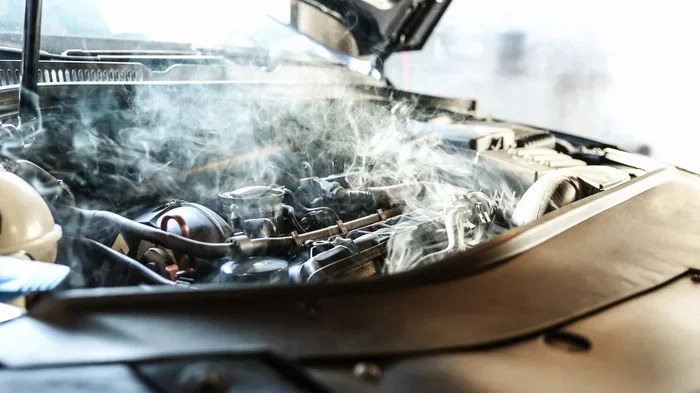
- Steam or vapor coming from under the hood: This is the most obvious sign. Coolant is boiling and leaking onto hot engine parts.
- A sweet smell from the engine area: Coolant has a sweet, syrupy smell. If you notice it, check for leaks.
- Temperature gauge climbing into the red zone: Don’t ignore a slowly rising gauge. It means something is wrong even before the warning light appears.
- Heater blowing cold air: If your heater suddenly goes cold, the coolant isn’t flowing properly through the heater core.
- Coolant puddles under your car: Green, orange, or pink fluid on your driveway is a clear sign of a leak.
- Engine running rough or misfiring: Overheating can affect combustion and cause uneven engine performance.
Many people also wonder about other warning lights. For instance, a check engine light can go off by itself, but a temperature warning is different. It usually means an immediate problem that needs your attention right now.
What to Do When the Warning Appears
Seeing the engine coolant over temperature message while driving can be scary. Here’s exactly what you should do, step by step.
Step 1: Pull Over Safely
Don’t keep driving. Find a safe spot to pull over and turn off the engine. Continuing to drive with an overheating engine can cause the head gasket to blow, the engine block to crack, or pistons to seize. These repairs can cost thousands of dollars.
Step 2: Let the Engine Cool
Wait at least 15 to 20 minutes before you open the hood. The coolant inside is extremely hot and pressurized. Opening the radiator cap too soon can cause a burn from spraying hot liquid. Keep your hands away from the engine bay until everything cools down.
Step 3: Check the Coolant Level
Once the engine is cool, open the hood and look at the coolant reservoir. Is the level low? If you have a bottle of coolant or water in your trunk, you can add a small amount. But don’t open the radiator cap itself. Just use the reservoir tank.
Step 4: Call for Help if Needed
If the coolant level is fine or adding coolant doesn’t help, call a tow truck. Driving a severely overheating engine even a short distance can cause irreversible damage. It’s always better to be safe than sorry.
Quick Tips for the Roadside
- Keep a bottle of coolant or distilled water in your trunk, especially during summer months.
- Carry a basic emergency kit with a flashlight and gloves.
- If you see steam, don’t pop the hood all the way. Just crack it to let heat escape.
- Never pour cold water directly onto a hot engine block. The sudden temperature change can crack the engine.
How to Prevent Engine Overheating
Prevention is always better than repair. Here’s how you can keep your cooling system in great shape and avoid the engine coolant over temperature warning altogether.
Regular Coolant Flushes
Over time, coolant breaks down and loses its effectiveness. Old coolant can become acidic and start eating away at metal parts inside the cooling system. Most manufacturers recommend a coolant flush every 30,000 to 50,000 miles. Check your owner’s manual for the exact interval. If you’re unsure whether your current coolant is still good, consider that coolant can last up to 10 years in some cases, but it depends on the type and condition.
Check Coolant Levels Monthly
Get in the habit of checking your coolant reservoir once a month. It only takes a minute. If you notice the level dropping frequently, you likely have a leak somewhere. Catching a small leak early can save you from a much bigger repair later.
Inspect Hoses and Belts
Look under your hood and check the rubber hoses that carry coolant. Feel for any soft spots, cracks, or bulges. Squeeze the hoses gently — they should feel firm but flexible. If they feel hard or brittle, it’s time to replace them. Also check the serpentine belt that drives the water pump. A loose or worn belt can cause the pump to fail.
Keep the Radiator Clean
Your radiator sits at the front of the car, where it picks up bugs, dirt, and debris. Hose it down gently from time to time to keep airflow unobstructed. During fall and spring, leaves can pile up in front of the radiator and block airflow too.
Don’t Ignore Small Problems
If your temperature gauge creeps up once or twice, don’t just reset the warning and forget about it. That small spike might be a sign of a developing problem. Address it early. A quick visit to a mechanic can catch issues before they turn into expensive repairs.
Use the Right Coolant
Not all coolants are the same. There are different types — IAT, OAT, and HOAT — and your car needs the right one. Mixing incompatible coolants can create a gel-like substance that clogs the system. Check your owner’s manual or ask your mechanic which type your car uses.
Can Low Oil Cause Overheating Too?
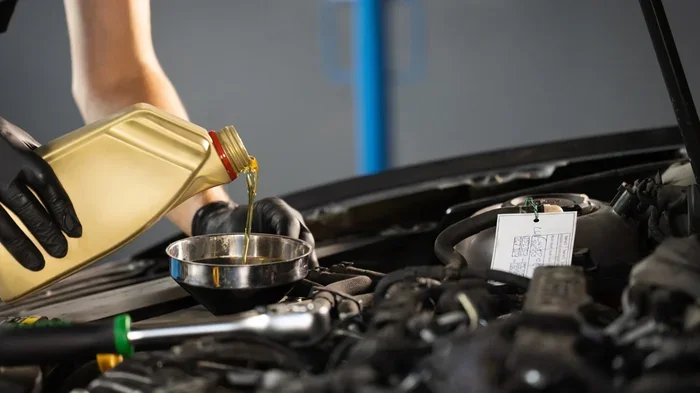
Yes, it can. While coolant handles the primary job of heat removal, oil also plays a role in cooling. Engine oil reduces friction between moving parts, and less friction means less heat. When your oil level is low, those parts rub together more and generate extra heat. Low oil can absolutely cause engine overheating, especially if the oil hasn’t been changed in a while. Always keep up with your oil changes to help your engine run cool and smooth.
How AWD and Drivetrain Maintenance Tie Into Overheating
Some drivers wonder if their drivetrain affects engine temperature. While the drivetrain doesn’t directly cause overheating, a failing AWD system that needs service can put extra load on the engine. When all-wheel-drive components aren’t properly maintained, the engine works harder, which generates more heat. Keeping your entire vehicle well-maintained — including the drivetrain — supports overall engine health and helps prevent temperature issues.
When to See a Mechanic
Sometimes a quick top-off of coolant fixes the problem. Other times, the issue runs deeper. Here are signs that you need professional help:
- The warning light keeps coming back even after you add coolant.
- You see steam or fluid leaking under the car.
- The engine temperature gauge fluctuates erratically.
- You hear knocking or pinging sounds from the engine.
- The check engine light comes on along with the temperature warning.
- Your heater doesn’t work properly even when the engine is cool.
Don’t try to fix complex cooling system problems on your own unless you have experience. The cooling system is pressurized, and working on it incorrectly can cause injury or further damage to the engine.
Key Takeaways
The engine coolant over temperature warning is your car’s most urgent way of telling you something is wrong with the cooling system. It means the engine is running too hot and could suffer serious damage if you keep driving. Common causes include low coolant, a broken thermostat, a failing water pump, or radiator problems. Acting quickly and knowing what to do can save you from expensive repairs and keep you safe on the road. Regular maintenance like coolant flushes, hose inspections, and checking fluid levels goes a long way in preventing this issue from ever happening.
Stay proactive about your car’s health. Check your fluids, listen to your car, and don’t ignore warning signs. A few minutes of attention today can save you hours of downtime and hundreds — or even thousands — of dollars in repairs tomorrow.
Frequently Asked Questions
Can old coolant cause my engine to overheat?
Yes, absolutely. Old coolant loses its chemical properties over time and becomes less effective at absorbing and transferring heat. Degraded coolant can also become acidic, which damages cooling system components from the inside out. Regular coolant flushes help prevent this issue.
How long can you drive with the engine coolant over temperature warning?
You should not drive at all once this warning appears. Even a few minutes of driving at over-temperature levels can cause permanent engine damage, including a cracked head gasket or warped cylinder head. Pull over safely and turn off the engine immediately.
Is it safe to add water instead of coolant in an emergency?
In an emergency, adding plain water is better than letting the engine overheat. However, water doesn’t protect against freezing or boiling as well as coolant does. Once you’ve resolved the issue, flush the water out and refill with the proper coolant mixture. Also, low coolant can cause shaking, so topping off quickly helps restore normal operation.
Does car insurance cover overheating-related breakdowns?
Standard car insurance typically does not cover mechanical breakdowns like overheating. However, if overheating leads to an accident, certain coverages may apply. For example, hit-and-run accident coverage or other collision protections might come into play depending on the situation. Mechanical breakdown insurance or an extended warranty can help with overheating repairs.
What temperature is too hot for a car engine?
Most engines operate safely between 195°F and 220°F. Once the temperature exceeds 230°F, you’re in the danger zone. Above 250°F, serious damage can occur within minutes. If your gauge reads consistently above 220°F, have your cooling system inspected right away.
Can a faulty thermostat cause the coolant over temperature warning?
Yes, a stuck thermostat is one of the most common causes. If the thermostat gets stuck in the closed position, coolant cannot flow to the radiator to release heat. This causes the engine to heat up rapidly. Replacing a thermostat is a relatively inexpensive repair compared to the damage a stuck thermostat can cause if left unchecked.
=== CONCLUSION ===
The engine coolant over temperature warning is not something to take lightly. It means your engine is running too hot, and continuing to drive can cause serious and expensive damage. Now that you understand what this warning means, what causes it, and what to do about it, you’re in a much better position to handle the situation calmly and effectively.
Stay on top of your car’s maintenance. Check your coolant levels regularly, watch for warning signs, and don’t ignore the temperature gauge. A little attention goes a long way toward keeping your engine healthy and your wallet happy. Drive safe, stay cool, and keep your car running strong for miles to come.