Car Cabin LED Lights Guide for a Better Driving Experience
Car cabin LED lights transform your vehicle’s interior with vibrant, energy-efficient glow. This guide covers everything from types and benefits to installation tips and common mistakes. You will learn how to pick the perfect setup for a safer, more stylish ride.
Driving at night feels completely different when your car interior glows just right. Car cabin LED lights do more than look pretty. They improve visibility, add personality, and make every trip feel more comfortable.
If you have been thinking about upgrading your vehicle’s interior lighting, you are in the right place. This guide walks you through everything you need to know. From choosing the right type to installing them yourself, we cover it all. Let us dive in.
Key Takeaways
- Car cabin LED lights boost both style and safety inside your vehicle with bright, efficient illumination.
- Multiple types exist, including strips, bulbs, and bars, each fitting different needs and budgets.
- Easy DIY installation is possible for most setups with basic tools and a little patience.
- Color temperature and brightness matter more than most buyers realize when choosing LED lights.
- Avoid common mistakes like ignoring wiring and overloading circuits to keep your setup safe.
- Regular maintenance extends the lifespan of your car cabin LED lights significantly.
📑 Table of Contents
- What Are Car Cabin LED Lights?
- Benefits of Upgrading to Car Cabin LED Lights
- Types of Car Cabin LED Lights Available
- How to Choose the Right Car Cabin LED Lights
- Step-by-Step Installation Guide for Car Cabin LED Lights
- Common Mistakes to Avoid When Installing Car Cabin LED Lights
- Maintenance Tips for Long-Lasting Car Cabin LED Lights
- Expert Insights on Car Cabin LED Lighting
- Comparing Popular Car Cabin LED Light Options
- Conclusion
What Are Car Cabin LED Lights?
Car cabin LED lights are light-emitting diode fixtures designed specifically for vehicle interiors. Unlike traditional incandescent bulbs, LEDs use semiconductors to produce light. This makes them far more efficient and longer lasting.
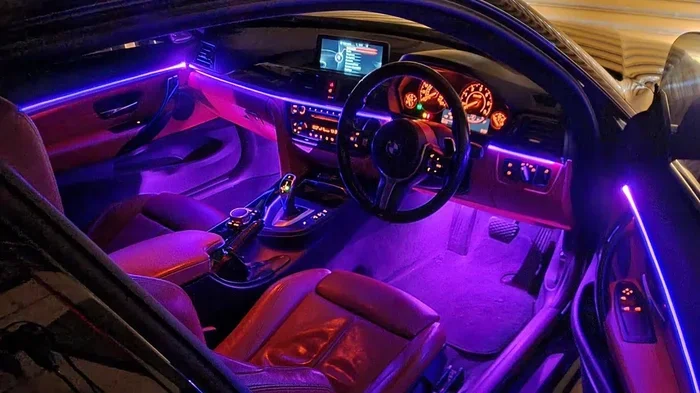
You will find these lights in many forms. Strip lights run along dashboards and door panels. Single bulbs replace old factory fixtures. Light bars illuminate larger areas under the console or seats. Each type serves a different purpose, and the best choice depends on your goals.
The automotive LED lighting market has grown massively in recent years. Drivers now expect more than just a dull dome light. They want ambient car lighting that matches their mood and style. LEDs make that possible without breaking the bank.
How Do LEDs Work in a Car?
LEDs produce light through a process called electroluminescence. When electricity passes through a semiconductor material, it emits photons. These photons create the visible light you see inside your car.
Because there is no filament to burn out, LEDs last much longer than standard bulbs. A typical LED interior light can run for 30,000 to 50,000 hours. That is years of daily driving without a single replacement.
Benefits of Upgrading to Car Cabin LED Lights
Switching to car cabin LED lights brings real advantages. Let us look at the most important ones so you understand why so many drivers are making the switch.
Energy Efficiency
LEDs use a fraction of the power that traditional bulbs consume. A standard incandescent bulb draws about 2 to 5 watts. An equivalent LED draws only 0.5 to 1 watt. Over time, this adds up to meaningful fuel savings.
Your car battery also benefits. Since LEDs pull less current, they put less strain on the electrical system. This matters especially in older vehicles with weaker alternators.
Longevity and Durability
One of the biggest selling points of LED light strips for cars is their lifespan. You will not need to replace them often. Most quality LEDs last well over a decade of normal use.
LEDs also handle vibration much better than filament bulbs. Driving on rough roads or off-road terrain? Your lights will keep working without flickering or burning out.
Brightness and Visibility
Modern automotive LED lights are incredibly bright. They light up your cabin evenly and reduce eye strain during night drives. Better visibility means safer driving, especially when checking maps or adjusting controls.
Many LED kits now come with dimming options. You can adjust the brightness to match the time of day or your personal preference.
Style and Customization
Let us be honest. One of the main reasons people buy car mood lighting is the look. LEDs come in a rainbow of colors. You can choose cool white for a clean, modern feel or warm amber for a cozy cabin atmosphere.
RGB LED systems let you change colors on the fly. Some even sync with your music. The customization options are nearly endless, and the results can truly make your car stand out.
Heat Reduction
Traditional bulbs waste a lot of energy as heat. LEDs run much cooler. This reduces the risk of melting plastic trim or damaging sensitive components nearby. It also keeps your cabin more comfortable during hot summer drives.
Types of Car Cabin LED Lights Available
The market offers many options for car interior lighting upgrades. Understanding each type helps you make a smarter purchase decision. Here are the most popular choices.
LED Strip Lights
LED strip lights for car are the most popular option. These flexible strips contain multiple tiny LEDs on a thin circuit board. You can stick them under the dashboard, along door panels, or behind the console.
Most strips come with adhesive backing for easy installation. You can cut them to size at designated points. This flexibility makes them perfect for custom setups in any vehicle.
Individual LED Bulbs
If you want a simple swap, LED bulb replacement is the way to go. These bulbs fit directly into your existing fixtures. They replace dome lights, map lights, and footwell lights with minimal effort.
Bulb-style LEDs are great for beginners. No wiring skills are needed in most cases. Just pull out the old bulb and push in the new one.
LED Light Bars
Light bars provide focused illumination for larger areas. They work well under the center console, behind the dashboard, or along the roofline. Many drivers use them to create a dramatic underglow effect.
These bars often come with their own controller. You can adjust brightness and color without touching your head unit.
Smart LED Systems
The newest trend in vehicle LED upgrade technology is smart connectivity. These systems connect to your phone via Bluetooth or Wi-Fi. You control colors, patterns, and brightness through an app.
Some smart systems even respond to voice commands. They integrate with Apple CarPlay or Android Auto for a truly seamless experience. If you love tech, this is the way to go.
How to Choose the Right Car Cabin LED Lights
Not all LED kits are created equal. Choosing the right one depends on several factors. Here is what you should consider before buying.
Color Temperature
Color temperature affects how your cabin looks and feels. It is measured in Kelvin (K). Lower numbers produce warm light. Higher numbers produce cool, blue-toned light.
For a relaxing drive, choose warm white LED lights around 3000K to 4000K. For a modern, sporty look, go with 6000K to 6500K cool white. Avoid extremely blue or purple lights. They can strain your eyes and reduce visibility.
Brightness Level
Brightness is measured in lumens. More lumens means brighter light. But brighter is not always better. You need enough light to see comfortably without blinding yourself or your passengers.
For most cabin applications, 200 to 500 lumens per light is ideal. For under-dash or footwell lighting, you can go lower. For main area lighting, aim higher.
Voltage and Compatibility
Most car cabin LED lights run on 12V DC, which matches standard vehicle electrical systems. However, some trucks and SUVs use 24V systems. Always check your vehicle specifications before purchasing.
Also verify that the LED kit fits your specific make and model. Universal kits work in most cars, but model-specific kits offer a cleaner, more integrated look.
Build Quality and IP Rating
Look for LEDs with a solid build quality. The housing should be made of aluminum or durable plastic. Cheap materials can warp or melt over time.
An IP rating tells you how resistant the light is to water and dust. For interior use, IP40 or IP54 is usually sufficient. If you plan to install lights near door sills or footwells, a higher rating offers better protection.
Budget Considerations
Car cabin LED lights range from very affordable to premium-priced. Basic LED bulb replacements start around $10 to $20 per bulb. Full strip light kits with controllers run between $30 and $100.
Smart LED systems cost more, often $100 to $300 for a complete setup. Set a budget before shopping. Then prioritize quality over price. Cheap LEDs may fail quickly and even damage your electrical system.
Step-by-Step Installation Guide for Car Cabin LED Lights
Installing car cabin LED lights is easier than most people think. You do not need to be a mechanic. With the right tools and a little patience, you can do it yourself in under an hour.
What You Will Need
Before you start, gather these items:
- LED light kit of your chosen type (strips, bulbs, or bars)
- Wire stripper and cutter
- Electrical tape or heat shrink tubing
- 12V inline fuse
- Wire connectors or soldering iron
- Dashboard removal tools (if needed)
- Clean cloth and rubbing alcohol
Step 1: Plan Your Layout
Start by deciding where each light will go. Common spots include under the dashboard, along door panels, behind the center console, and inside the footwells. Use painter’s tape to map out the positions before committing.
Keep lights away from moving parts like steering columns and pedals. Also avoid placing them where they will shine directly into your eyes while driving.
Step 2: Prepare the Wiring
Most LED kits come with a power wire and a ground wire. You need to connect these to a 12V power source. The cigarette lighter socket or fuse box works well for this purpose.
Always install an inline fuse on the positive wire. This protects your vehicle’s electrical system from overload. A 3-amp fuse is standard for most LED setups.
Step 3: Mount the Lights
Clean the surface where you will mount the lights. Use rubbing alcohol to remove any grease or dust. This ensures the adhesive sticks properly.
For strip lights, press them firmly into place and hold for 30 seconds. For bulbs, simply push them into the socket until they click. For light bars, use the included screws or mounting brackets.
Step 4: Connect the Controller
If your kit includes a remote or app controller, connect it now. Follow the manufacturer’s wiring diagram carefully. Most controllers have clearly labeled positive and negative terminals.
Test the lights before finalizing the installation. Make sure all colors work and the dimming function operates smoothly.
Step 5: Hide and Secure the Wires
Tuck all wires behind trim panels and along existing wire harnesses. Use zip ties to secure them in place. Visible wires look messy and can rattle while driving.
Double-check that no wires are pinched or near hot surfaces. A little extra care here prevents problems down the road.
Quick Tips for a Clean Installation
- Always disconnect the car battery before working on electrical connections.
- Take photos during disassembly so you remember where everything goes.
- Use a multimeter to verify polarity before connecting any wires.
- Do not overload a single circuit with too many lights.
- Label your wires if you are running multiple circuits.
Common Mistakes to Avoid When Installing Car Cabin LED Lights
Even simple installations can go wrong if you are not careful. Here are the most common mistakes drivers make with car cabin LED lights and how to avoid them.
Ignoring Polarity
LEDs are polarity-sensitive. Connecting positive to negative and vice versa means the light will not turn on. Always double-check the wiring before powering up.
If your lights do not work after installation, reverse the connections first. This simple fix saves a lot of frustration.
Overloading the Circuit
Each vehicle circuit has a maximum amperage rating. Adding too many LED lights to one circuit can blow a fuse or damage the wiring harness.
Spread your lights across multiple circuits if needed. Or use a relay harness for high-power setups. This keeps the electrical load balanced and safe.
Using Low-Quality Kits
Ultra-cheap LED kits from unknown brands often have poor solder joints and thin wiring. They may flicker, burn out quickly, or even cause electrical issues.
Invest in reputable brands with good reviews. Spending a little more upfront saves money and headaches in the long run.
Skipping the Fuse
Some people skip the inline fuse to save time. This is a serious mistake. Without a fuse, a short circuit can damage your vehicle’s wiring or even cause a fire.
Always use the correct fuse rating for your setup. It takes five seconds to install and protects your entire electrical system.
Placing Lights in Wrong Locations
Mounting lights where they obstruct your view or reflect off the windshield creates dangerous glare. Never place lights in the driver’s direct line of sight.
Also avoid installing lights near the airbag module. Any modification near safety-critical components should be done with extreme care.
Maintenance Tips for Long-Lasting Car Cabin LED Lights
Once your car cabin LED lights are installed, a little maintenance goes a long way. These lights are low-maintenance by nature, but basic care keeps them performing at their best.
Keep Them Clean
Dust and dirt can dull LED brightness over time. Wipe your lights gently with a soft, dry cloth every few months. For stubborn grime, use a slightly damp cloth and dry thoroughly.
Check Connections Periodically
Vibration from daily driving can loosen wire connections. Inspect your connections every few months. Re-seat any loose plugs and replace any frayed wires immediately.
Update Firmware for Smart Systems
If you have a smart LED system, keep the firmware updated. Manufacturers often release improvements for color accuracy, responsiveness, and compatibility. Check the app regularly for updates.
Replace Damaged Sections
If a section of your LED strip stops working, you do not need to replace the entire strip. Most strips allow you to cut out the damaged portion and solder in a new segment. This is a simple fix that extends the life of your setup.
Expert Insights on Car Cabin LED Lighting
Automotive lighting experts agree that LEDs have revolutionized the car interior experience. According to industry professionals, the shift from incandescent to LED interior lighting is one of the most impactful and affordable upgrades a driver can make.
Experts also emphasize the importance of color temperature. “The wrong color can ruin the entire look and even affect night vision,” says automotive lighting specialist Mark Dawson. “Stick to temperatures between 3000K and 6500K for the best balance of style and function.”
Another expert tip is to always match your interior LED bulb choices to your vehicle’s design. A luxury sedan looks best with warm, subtle lighting. A sporty hatchback can handle cooler, more vibrant colors. Let your car’s personality guide your choices.
Trending Car Interior Lighting Ideas for 2024
Several trends are shaping the car interior lighting ideas landscape right now:
- Sequential lighting animations that pulse with music or driving mode
- Fiber optic dash displays that replace traditional gauge lighting
- Under-seat RGB lighting for a theater-like ambiance
- Solar-assisted LED systems that reduce battery drain
- Customizable light profiles stored in the vehicle’s memory system
These trends show that car cabin lighting is evolving fast. The days of boring, one-size-fits-all interior lights are over. Modern drivers want personalization, and LED technology delivers.
Comparing Popular Car Cabin LED Light Options
Not sure which option fits your needs best? Here is a quick comparison of the most popular car cabin LED lights types.
| Feature | LED Strip Lights | LED Bulbs | LED Light Bars | Smart LED Systems |
|---|---|---|---|---|
| Ease of Installation | Moderate | Very Easy | Moderate | Moderate |
| Price Range | $15-$80 | $5-$25 each | $20-$100 | $80-$300 |
| Customization | High | Low | Medium | Very High |
| Brightness | Medium to High | Medium | High | Medium to High |
| Best For | Ambient glow, custom looks | Simple replacements | Large area lighting | Tech enthusiasts |
| Lifespan | 30,000-50,000 hrs | 25,000-50,000 hrs | 30,000-50,000 hrs | 25,000-45,000 hrs |
As you can see, each type has its strengths. Many drivers combine multiple types for a complete interior lighting setup. For example, LED bulbs for the dome and map lights, strips for ambient glow, and a light bar for under-dash illumination.
Conclusion
Car cabin LED lights are one of the simplest and most effective ways to upgrade your driving experience. They save energy, last for years, and turn any vehicle into a personalized space that reflects your style.
Whether you choose simple LED bulbs or a full smart lighting system, the key is to plan carefully and install correctly. Avoid the common mistakes outlined in this guide, and your lights will look amazing for years to come.
Start small if you are new to this. Replace a couple of bulbs first and see how you like the results. Then expand from there. The world of automotive LED lights offers incredible possibilities, and the best part is, you can start enjoying them today.
Your car is more than just transportation. It is your space on the road. Make it shine with the right lighting and enjoy every mile.
Frequently Asked Questions
Are car cabin LED lights legal?
Yes, car cabin LED lights are generally legal for interior use. However, some states and countries have restrictions on certain colors or brightness levels. Always check your local regulations before installing colored or very bright lights.
Can I install car cabin LED lights myself?
Absolutely. Most LED interior lights are designed for DIY installation. Basic kits like LED bulbs require no tools at all. Strip lights and light bars need a little more effort but are still manageable for beginners with basic electrical knowledge.
Do car cabin LED lights drain the battery?
No, not significantly. LEDs use very little power compared to traditional bulbs. A full set of car cabin LED lights draws less power than a single old incandescent dome light. You can leave them on for hours without worrying about a dead battery.
What color LED lights are best for car interiors?
Warm white (3000K to 4000K) is the most popular choice for a clean, comfortable look. Cool white (5000K to 6500K) works well for a modern, sporty feel. RGB systems offer the most flexibility, letting you switch colors whenever you want.
How long do car cabin LED lights last?
Quality LED light strips and bulbs last between 30,000 and 50,000 hours on average. That translates to roughly 10 to 15 years of normal daily driving. Factors like heat exposure and voltage spikes can affect lifespan.
What is the difference between LED strip lights and LED bulbs for car interiors?
LED strip lights are flexible, adhesive-backed strips ideal for ambient lighting and custom installations. LED bulbs are designed to replace existing fixtures like dome lights and map lights. Strips offer more customization, while bulbs offer simplicity and ease of installation.