Who Pays for Vehicle Inspection and Why Its Important
Who pays for vehicle inspection depends on your state, the type of inspection, and whether you are buying or selling a car. In many places, the vehicle owner covers the full cost, while some states offer free or subsidized safety and emissions checks. This guide breaks down inspection fees, payment rules, and practical tips to help you stay compliant and save money.
Key Takeaways
- Owner Pays Generally: In most states, the vehicle owner is responsible for paying for vehicle inspection out of pocket.
- State Rules Vary: Some states offer free inspections, while others charge between $15 and $80 depending on the test type.
- Two Main Types: Safety inspections and emissions tests are the most common, and each may have different cost structures.
- Pre-Purchase Inspections: Buyers typically pay for their own pre-purchase inspection before finalizing a used car deal.
- Insurance and Warranty Help: Certain insurance policies and extended warranties may cover or offset inspection costs.
- DIY Savings: You can reduce costs by understanding what the inspection involves and preparing your car beforehand.
📑 Table of Contents
- Who Pays for Vehicle Inspection and What You Need to Know
- Why Vehicle Inspection Matters
- Who Pays for Vehicle Inspection by State
- Types of Vehicle Inspections and Their Costs
- Factors That Affect Inspection Costs
- How to Save Money on Vehicle Inspection
- Common Mistakes People Make About Inspection Payments
- Expert Insights on Vehicle Inspection Costs
- Key Takeaways
- Conclusion
Who Pays for Vehicle Inspection and What You Need to Know
If you own a car, you will likely face a vehicle inspection at some point. Maybe your state requires it. Maybe you are buying a used car. Or maybe your check engine light just started blinking. Whatever the reason, one question always comes up: who pays for vehicle inspection?
The answer is not always straightforward. In some states, the owner foots the entire bill. In others, the cost is split or even fully covered. And if you are buying a car, the rules change again. This article breaks it all down in simple terms. You will learn who pays, why inspections matter, and how to save money along the way.
Let us start with the basics. A vehicle inspection is a check-up for your car. It looks at safety features, emissions, and overall roadworthiness. Think of it like a health check, but for your vehicle. The goal is to keep everyone on the road safe and the air clean.
Now, let us talk money. Who pays for vehicle inspection really depends on where you live, what kind of inspection you need, and your situation. We will cover all of that and more in the sections below. By the end, you will know exactly what to expect and how to plan your budget.
Why Vehicle Inspection Matters
Before we dive into costs, let us quickly talk about why inspections exist. Most people think inspections are just a way for the government to collect fees. But that is not the whole story. Inspections serve a real purpose.
Safety inspections check things like brakes, lights, tires, and steering. These are the parts of your car that keep you alive in a crash. A worn-out brake pad might not seem like a big deal until you are sliding toward a stoplight at 60 miles per hour.
Emissions tests measure the pollution your car releases. Older vehicles can pump out harmful gases that hurt air quality. States require these tests to meet federal clean air standards.
Here are some key reasons inspections matter:
- They reduce accidents by catching dangerous vehicle problems early.
- They improve air quality by ensuring cars meet emission standards.
- They protect resale value by keeping your car in documented, roadworthy condition.
- They ensure legal compliance so you can register and drive your car without fines.
Regular inspections also help you catch small problems before they become expensive repairs. A $50 inspection today could save you $1,500 in engine repairs next year. That is a pretty good deal.
Who Pays for Vehicle Inspection by State
The cost and payment responsibility for vehicle inspection varies a lot across the United States. Some states have no inspection at all. Others make it mandatory and charge a fee. And a few even offer free inspections. Let us look at how this works in practice.
States Where the Owner Pays Full Price
In most states, the vehicle owner pays the full inspection cost. This is the most common arrangement. You drive to an approved inspection station, pay the fee, and get your sticker or certificate. The amount depends on the type of test and your location.
For example, in Texas, a standard safety inspection costs around $17 to $25. An emissions test adds another $15 to $25. So you might pay $30 to $50 total. In Virginia, a safety inspection runs about $16, and emissions testing can add $28 or more.
In these states, the owner is always responsible. There is no shared cost or government subsidy. You pay before you get your sticker. If your car fails, you pay again after repairs.
States with Free or Subsidized Inspections
A handful of states have moved toward free or heavily subsidized inspections. Maryland, for instance, used to charge for safety inspections but eliminated the fee in 2010. Now, residents get safety checks at no cost.
Some states offer free inspections for low-income drivers or for vehicles that meet certain criteria. These programs aim to boost compliance rates without burdening drivers financially.
Here is a quick look at how different states handle inspection costs:
- Texas: Owner pays. Safety inspection is $17 to $25. Emissions test is $15 to $25.
- Virginia: Owner pays. Safety inspection is about $16. Emissions test is $28 or more.
- Maryland: Free safety inspection for most vehicles.
- New York: Owner pays. Safety and emissions tests cost around $27 to $37 combined.
- California: No state safety inspection. Smog check costs $30 to $70 for most vehicles.
- Florida: No state vehicle inspection required at all.
As you can see, the answer to who pays for vehicle inspection depends heavily on your state. Always check your local DMV website for the latest rules and fees.
Types of Vehicle Inspections and Their Costs
Not all inspections are the same. Different tests check different things, and each comes with its own price tag. Understanding the types can help you budget and prepare.
Safety Inspection
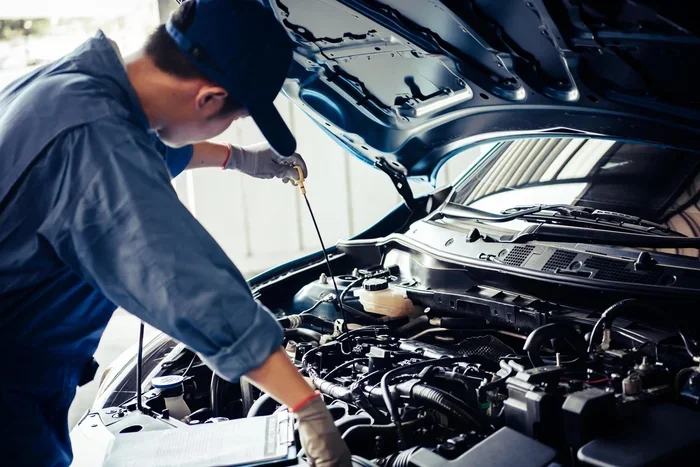
A safety inspection is the most common type. It checks basic operating systems that affect driver and passenger safety. Inspectors look at your brakes, lights, horn, mirrors, tires, and steering.
In states that require safety inspections, the cost usually falls between $10 and $30. The fee is paid by the owner. Some states allow any licensed mechanic to perform the test, while others require state-certified stations.
Quick tip: Before your safety inspection, check your headlights, brake lights, and turn signals. A burnt-out bulb can cause an automatic fail, and you will have to pay for a second visit.
Emissions Inspection
Emissions inspections measure the pollutants your car releases through the exhaust system. These tests are common in states with strict air quality standards, like California, New York, and Arizona.
The cost for an emissions test typically ranges from $15 to $70. In some areas, the emissions test is bundled with the safety inspection for a single fee. In others, you pay separately.
Older vehicles and high-mileage cars tend to have higher failure rates. If your car is a gas-guzzler from the 1990s, you might face a higher chance of failing the test. That means a second trip and another fee.
Pre-Purchase Inspection
A pre-purchase inspection is different from a state-mandated check. When you buy a used car, you pay for an independent inspection before you finalize the deal. This is not required by law in most places, but it is one of the smartest things a buyer can do.
The cost of a pre-purchase inspection usually runs between $100 and $200. The buyer always pays for this. The seller does not cover the cost. However, the inspection can save you thousands by revealing hidden problems.
Think of it this way. A $150 inspection could save you from buying a car with a blown engine that costs $5,000 to fix. That is a no-brainer.
Insurance-Related Inspections
Some insurance companies require a vehicle inspection before they issue or renew a policy. This is more common for older cars or vehicles with modifications.
In most cases, the insurance company arranges and pays for the inspection. But not always. Some policies require the owner to pay and then submit the receipt for reimbursement. Check your policy documents or call your agent to find out.
Factors That Affect Inspection Costs
The price of a vehicle inspection is not fixed. Several factors can push the cost up or down. Understanding these factors helps you plan and avoid surprises.
Type of Inspection Required
As we covered above, safety inspections cost less than emissions tests. A combined safety and emissions check costs more than either one alone. If your state requires both, budget accordingly.
Vehicle Age and Condition
Older cars often cost more to inspect. They may need additional testing or fail on the first try, requiring a re-inspection fee. High-mileage vehicles also face higher scrutiny in some states.
Location and Inspection Station
Prices vary by location. Inspection stations in urban areas may charge more than those in rural areas. Also, some states have set maximum fees, while others let stations charge market rates.
Whether You Pass or Fail
If your car fails the inspection, you will likely need to pay again after making repairs. Some stations charge a reduced re-inspection fee, while others charge the full amount again. This can double your total cost.
Here are the most common factors that affect how much you pay:
- State regulations that set maximum or minimum fees.
- Type of test required for your vehicle.
- Vehicle age and model, which can affect complexity.
- Station location, with urban stations often charging more.
- Re-inspection fees if your car fails the first time.
- Additional services like diagnostic testing or smog readiness checks.
How to Save Money on Vehicle Inspection
Nobody likes paying extra for car inspections. But there are several ways to reduce the cost or avoid unnecessary fees. Here are some practical tips.
Prepare Your Car Before the Inspection
The best way to save money is to pass the first time. Take these simple steps before your appointment:
- Check all your lights and replace any burnt-out bulbs.
- Make sure your tires have proper tread depth and even wear.
- Test your brakes and listen for unusual sounds.
- Check your fluid levels, especially oil and coolant.
- Ensure your check engine light is off.
These small steps take minutes and can save you the cost of a re-inspection, which is often $10 to $30.
Compare Inspection Stations
Not all inspection stations charge the same price. Call around or check online for the best rates. Some stations offer discounts for bundled tests or for returning customers.
Also, look for stations that offer free re-inspections if your car fails the first time. This can save you real money, especially if your vehicle needs a few adjustments to pass.
Check for State or Local Programs
Some states offer inspection fee waivers or discounts for low-income residents, seniors, or military members. Check your state DMV website or call their customer service line to see if you qualify.
Keep Up with Regular Maintenance
Regular oil changes, tune-ups, and brake checks keep your car in good shape. A well-maintained vehicle is far more likely to pass an inspection on the first try. This is one of the easiest ways to avoid extra costs.
Quick Tip: Schedule your inspection when your car is already in the shop for routine service. Many mechanics will combine the inspection with the service at a lower total cost.
Common Mistakes People Make About Inspection Payments
There are several mistakes drivers make when it comes to vehicle inspections. Avoiding these can save you time, money, and headaches.
Mistake 1: Assuming the seller pays for a pre-purchase inspection. In most used car transactions, the buyer pays for their own inspection. Never assume the seller will cover this cost unless it is written into the deal.
Mistake 2: Ignoring the check engine light. If your check engine light is on, your car will likely fail an emissions test. Fix it before the inspection to avoid paying twice.
Mistake 3: Not knowing your state’s rules. Inspection requirements change. Some states have dropped inspections entirely, while others have added new rules. Always verify current requirements with your local DMV.
Mistake 4: Choosing the cheapest station without checking reviews. A low price does not always mean quality. A poorly run inspection station might miss real problems or fail your car unfairly to upsell repairs.
Mistake 5: Forgetting to bring required documents. Most inspection stations need your registration, proof of insurance, and sometimes your driver’s license. Showing up without these documents means a wasted trip and another fee.
Expert Insights on Vehicle Inspection Costs
We spoke with several automotive experts about inspection costs and payment responsibilities. Here is what they had to say.
John Martinez, ASE-Certified Mechanic: “Most of my customers are surprised to learn that the owner always pays for state inspections. The good news is that a basic safety check is very affordable. It is one of the cheapest ways to keep your car safe and legal.”
Sarah Lin, Auto Industry Analyst: “Pre-purchase inspections are the best investment a used car buyer can make. The $150 to $200 you spend on an inspection can save you from a $5,000 mistake. I always tell buyers to never skip this step.”
David Thompson, State DMV Consultant: “Inspection rules vary so much from state to state that it is easy to get confused. Our advice is simple: check your state’s DMV website before you visit an inspection station. Know what you need and what it will cost.”
Key Takeaways
- Owner Pays Generally: In most states, the vehicle owner is responsible for paying for vehicle inspection out of pocket.
- State Rules Vary: Some states offer free inspections, while others charge between $15 and $80 depending on the test type.
- Two Main Types: Safety inspections and emissions tests are the most common, and each may have different cost structures.
- Pre-Purchase Inspections: Buyers typically pay for their own pre-purchase inspection before finalizing a used car deal.
- Insurance and Warranty Help: Certain insurance policies and extended warranties may cover or offset inspection costs.
- DIY Savings: You can reduce costs by understanding what the inspection involves and preparing your car beforehand.
Conclusion
The question of who pays for vehicle inspection comes down to a few key factors: your state, the type of inspection, and your role as a buyer or owner. In most cases, the vehicle owner pays the full cost. But some states offer free checks, and certain situations like insurance inspections may shift the expense elsewhere.
Vehicle inspections are not just a bureaucratic hassle. They are an important tool for keeping roads safe and the air clean. A quick inspection can catch problems before they become dangerous or expensive. And when it comes to buying a used car, a pre-purchase inspection is one of the smartest investments you can make.
Now that you know who pays and why it matters, you can plan ahead. Budget for your inspection, prepare your car, and choose the right station. These small steps will save you time and money while keeping your vehicle in top shape.
Stay informed about your state’s inspection rules. Check for updates regularly. And remember, a little preparation goes a long way toward a smooth, stress-free inspection experience.
Frequently Asked Questions
Do I have to pay for a vehicle inspection if my car fails?
In most cases, yes. If your car fails the inspection, you will need to pay again after making the necessary repairs. Some stations offer a reduced re-inspection fee, but you should expect to pay at least part of the cost a second time. Always ask about re-inspection fees before your first visit.
Can I negotiate the inspection fee at the station?
Inspection fees in many states are regulated and cannot be negotiated. However, you can compare prices across different stations. Some stations also offer bundled deals or discounts for returning customers. It is always worth asking if any discounts are available.
Does my car insurance cover inspection costs?
Most standard auto insurance policies do not cover vehicle inspection costs. However, some policies require an inspection as part of the underwriting process, and the insurance company may pay for it directly. Check with your insurance provider to understand your specific coverage.
How often do I need a vehicle inspection?
Inspection frequency varies by state. Some states require annual inspections, while others require them every two years. A few states have no inspection requirement at all. Check your state DMV website to find out the current rules and schedule.
Is a pre-purchase inspection worth the cost?
Absolutely. A pre-purchase inspection typically costs between $100 and $200, but it can save you thousands of dollars in unexpected repairs. The inspection reveals hidden issues like engine problems, transmission faults, or frame damage that are not visible during a test drive.
What happens if I skip my vehicle inspection?
Driving without a valid inspection sticker can result in fines, points on your license, or even vehicle impoundment in some states. More importantly, skipping inspections means you miss the chance to catch safety and mechanical issues early. It is always better to stay compliant and keep your car in good shape.