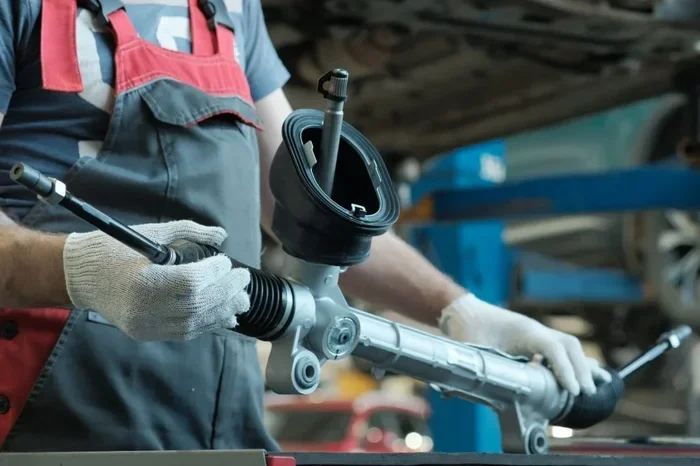
How Much Does It Cost to Fix Steering Assist for Your Car
The steering assist system makes turning your wheel effortless, but when it fails, you’re left with a stiff steering wheel and a big question: how much does it cost to fix steering assist? Repair costs can range from a simple fluid top-up to a full steering rack replacement, and the final bill depends on your car’s make, the type of steering system, and where you get the work done. In this guide, we’ll walk through the typical steering assist repair cost, common symptoms, and whether you should tackle the fix yourself or visit a mechanic. We’ll also share quick tips to avoid expensive surprises and keep your steering smooth.
Your steering wheel is the main link between you and the road. When the steering assist system works, you barely feel any effort. When it breaks, turning at low speeds or parking can feel like wrestling a heavy animal. Many drivers ignore early signs until the problem becomes dangerous or costly.
Steering assist repair cost varies widely because the system has many parts. A small leak might cost a few hundred dollars to fix. A failed steering rack or electric motor can push the bill well over a thousand. Understanding what drives the price helps you make smart decisions and avoid surprise quotes.
This guide covers every major repair type, the factors that change the final cost, and practical steps you can take today. We’ll also look at common mistakes and share expert insights so you know exactly what to expect.
Key Takeaways
- Steering assist repair cost can range from $100 to $1,500+ depending on the issue and vehicle.
- A simple power steering fluid leak fix is often under $200.
- Replacing a steering rack or module can cost $800–$1,500.
- Electric power steering repairs are usually cheaper than hydraulic systems.
- Ignoring warning signs leads to more expensive damage.
- You can often drive safely to a shop if the assist fails, but handle with care.
- Regular fluid checks prevent most steering assist problems.
📑 Table of Contents
- What Is Steering Assist And Why Does It Fail?
- Common Symptoms Of A Steering Assist Problem
- How Much Does It Cost To Fix Steering Assist? (Breakdown By Repair)
- Factors That Affect Steering Assist Repair Cost
- Can You Fix Steering Assist Yourself Or Need A Mechanic?
- How To Prevent Steering Assist Problems
- Common Mistakes Drivers Make With Steering Assist
- Expert Insights On Steering Assist Repair
- Key Takeaways For Your Steering Assist Repair
- Frequently Asked Questions
What Is Steering Assist And Why Does It Fail?
Steering assist is a system that reduces the effort needed to turn your wheel. Most modern cars use either hydraulic power steering or electric power steering. Both rely on fluid pressure or electric motors to help you steer smoothly.
How Steering Assist Systems Work
In a hydraulic system, a pump pushes power steering fluid through hoses to a steering rack. That pressure helps you turn the wheels with ease. In an electric system, a motor mounted on the steering rack or column provides assist directly. Both systems use sensors to detect how much help you need based on speed and steering input.
When any part of this loop fails, the steering assist warning light often appears on the dashboard. You might notice a heavier wheel, a whining noise, or a complete loss of power assist.
Common Causes Of Steering Assist Failure
- Power steering fluid leak – Old seals, cracked hoses, or a loose fitting can let fluid escape.
- Low fluid level – Even a small leak drops the level over time, causing the pump to whine or fail.
- Steering rack wear – Internal gears or seals inside the rack wear out, leading to play or leaks.
- Electric motor failure – The assist motor burns out or its internal electronics fail.
- Sensor or module fault – The control module that manages assist receives wrong signals or stops communicating.
- Contaminated fluid – Debris and moisture break down the fluid, damaging the pump and valves.
Common Symptoms Of A Steering Assist Problem
Catching the problem early saves you money. Here are the most common signs that your steering assist system needs attention.
Warning Lights And Noises
The steering assist warning light (often a steering wheel icon with an exclamation mark) is the clearest signal. You might also hear a whining or groaning noise when you turn the wheel, especially at full lock. That sound usually means the pump is struggling due to low fluid or air in the system.
Physical Symptoms While Driving
- Heavy steering – The wheel feels stiff, especially at parking speeds.
- Vibration in the wheel – You feel a shimmy when turning or driving on rough roads.
- Delayed response – The wheel feels sluggish before the wheels actually turn.
- Fluid puddles – You spot a clear, amber, or reddish puddle under the car near the front wheels.
If you notice any of these, get the car checked soon. Driving with a failed steering assist is still possible, but it requires much more physical effort and can be tiring or unsafe.
How Much Does It Cost To Fix Steering Assist? (Breakdown By Repair)
The steering assist repair cost depends heavily on what is broken. Below is a detailed breakdown of the most common repairs and their typical price ranges.
Power Steering Fluid Leak Repair
A small leak in a hose or seal is the cheapest fix. You’ll pay for parts and labor to replace the leaking component and refill the fluid. Most shops charge between $100 and $250 for this type of repair. If the leak is in the steering rack itself, the cost jumps because the rack must be removed and rebuilt or replaced.
Steering Rack Replacement Cost
Replacing a steering rack is one of the priciest steering assist repairs. For hydraulic systems, a new rack plus labor typically runs $800 to $1,500. Electric rack assemblies are often a bit cheaper, ranging from $700 to $1,200. Luxury or performance vehicles can push the price higher because parts are more expensive and labor takes longer.
Electric Power Steering Module Repair
When the electric assist motor or control module fails, you have two choices: replace the whole unit or repair the module. A new motor or module can cost $400 to $900 for parts alone. Some shops can rebuild the module for less, bringing the total to $300–$600. This is often cheaper than a full rack replacement.
Steering Assist Sensor Replacement
Sensors that monitor steering angle or torque are relatively inexpensive. The part itself often costs $50 to $150, and labor adds another $50 to $100. Replacing a sensor is a quick fix that can restore the steering assist system fully.
Comparison Table: Steering Assist Repair Cost By Vehicle Type
| Vehicle Type | Common Repair | Parts Cost | Labor Cost | Total Estimate |
|---|---|---|---|---|
| Compact / Economy Car | Fluid leak repair | $40–$80 | $60–$120 | $100–$200 |
| Mid-size Sedan | Steering rack replacement | $400–$800 | $400–$700 | $800–$1,500 |
| SUV / Crossover | Electric assist motor | $350–$700 | $200–$400 | $550–$1,100 |
| Luxury / Performance | Steering rack replacement | $800–$1,500 | $600–$1,000 | $1,400–$2,500 |
| Older Hydraulic Car | Power steering pump | $200–$400 | $200–$350 | $400–$750 |
These numbers are averages. Your actual steering assist repair cost may be lower or higher depending on your location and the shop’s hourly rate.
Factors That Affect Steering Assist Repair Cost
Several variables can push the final bill up or down. Knowing these factors helps you understand why quotes differ from shop to shop.
Vehicle Make And Model
Common economy cars use widely available parts, which keeps costs down. Rare or luxury models require special parts that cost more and take longer to source. For example, a Toyota Camry rack is less expensive than a Mercedes-Benz equivalent. If you own a Toyota, you might wonder, are Toyotas difficult to work on? Generally, they are straightforward, but specialized tools are still needed for steering assist work.
Type Of Steering System
Hydraulic systems have more moving parts that can leak, which can increase the chance of multiple repairs. Electric systems have fewer fluids but more complex electronics. Replacing an electric motor is usually less labor-intensive than rebuilding a hydraulic rack, which often requires bleeding the system and replacing fluid.
Labor Rates And Location
Independent shops often charge $80–$120 per hour. Dealerships can charge $120–$200 per hour. Living in a major city or high-cost area will raise the labor portion of the bill. You can always ask for a written estimate before work begins.
Warranty Coverage
If your car is still under a powertrain or electrical warranty, the steering assist repair may be covered. Check your warranty booklet. Some extended warranties also cover steering components, but you’ll need to verify the specific terms. If you bought a used Toyota, can I take my Toyota to any dealer for service? Many dealers will honor warranty work even if you bought the car elsewhere, but it’s wise to call ahead.
Can You Fix Steering Assist Yourself Or Need A Mechanic?
Some simple steering assist issues are DIY-friendly, while others require a professional lift, tools, and expertise.
DIY Repairs You Can Handle
- Topping off power steering fluid – If the level is low and you can see no leak, adding the correct fluid is easy and costs under $20.
- Replacing a hose – If you have basic tools and can access the hose, you can swap it out in about an hour.
- Resetting the steering assist system – Some electric systems need a simple reset after a battery disconnect. This often involves turning the wheel lock to lock several times with the ignition on.
Always consult your owner’s manual before attempting any DIY work. Using the wrong fluid or misaligning components can cause further damage.
When To Call A Professional
Any repair that involves removing the steering rack, replacing the pump, or diagnosing electrical faults should be left to a qualified mechanic. Steering systems are safety-critical, and a mistake can lead to loss of control. If you’re unsure, visit a trusted steering assist repair shop. They have the diagnostic equipment to pinpoint the exact fault and the tools to fix it safely.
How To Prevent Steering Assist Problems
Regular care keeps your steering assist system healthy and reduces the chance of a costly breakdown.
Regular Fluid Maintenance
Check your power steering fluid level every month or two. Look for the reservoir under the hood and verify the fluid is clear and not dark or burnt-smelling. If you notice a drop in level, inspect for leaks immediately. Flushing the fluid at the manufacturer’s recommended interval (often every 50,000–100,000 miles) removes contaminants that can damage the pump and rack.
Driving Habits That Protect Your Steering
- Avoid turning the wheel to full lock and holding it for more than a few seconds.
- Do not sit with the wheel turned hard while the engine idles.
- Drive slowly over potholes and speed bumps to reduce impact on the steering rack.
- Keep tires properly inflated to reduce steering effort and wear.
These simple habits extend the life of the entire steering system and help you avoid unexpected steering assist failure.
Common Mistakes Drivers Make With Steering Assist
- Ignoring the warning light – Driving with the steering assist light on can lead to a dead motor or a ruined pump.
- Using the wrong fluid – Not all power steering fluids are the same. Using the wrong one can damage seals and internal parts.
- Delaying small leaks – A tiny leak today becomes a big repair tomorrow if the fluid runs out completely.
- Trying to “drive it off” – Some drivers think a stiff wheel will fix itself after a few miles. It rarely does, and the problem usually worsens.
Expert Insights On Steering Assist Repair
“The biggest mistake we see is customers waiting until the steering feels completely dead,” says a master technician with over 15 years of experience. “By that point, the pump or rack is often damaged beyond simple repair. A $150 fluid top-up could have prevented a $1,200 rack replacement.”
Experts also recommend getting a second opinion if a shop quotes you for a full steering rack replacement right away. Sometimes a sensor, module, or motor is the real culprit, and those repairs cost a fraction of the rack price.
Key Takeaways For Your Steering Assist Repair
Understanding steering assist repair cost puts you in control. A fluid leak or sensor issue can cost a few hundred dollars. A full rack replacement will run higher, but you can often find a reliable shop that offers fair pricing. Always ask for a detailed breakdown of parts and labor before approving work.
Keep an eye on your dashboard, check your fluid regularly, and don’t ignore early warning signs. Your steering system is one of the most important safety features in your car, and taking care of it early saves both money and stress.
Frequently Asked Questions
What does it mean when steering assist fails?
Steering assist failure means the system that helps you turn the wheel has stopped working. You’ll feel the steering become much heavier, especially at low speeds or when parking. The car is still drivable, but it requires much more physical effort. You should have it inspected and repaired as soon as possible to avoid further damage and ensure safe driving.
Can I drive my car if the steering assist is off?
Yes, you can drive, but the steering wheel will be very stiff, particularly at low speeds and during turns. It requires significantly more upper body strength and can be tiring on long trips. If the assist light is on, it’s best to drive directly to a repair shop and avoid sharp turns at parking speeds when possible.
How do you reset steering assist?
For many electric steering systems, you can reset the assist by turning the ignition to the on position and slowly turning the steering wheel from lock to lock several times. This re-calibrates the sensors. If the light stays on after a reset, the system has a fault that needs professional diagnosis. Always refer to your owner’s manual for the exact reset procedure for your vehicle.
Is steering assist repair covered by insurance?
Standard car insurance typically does not cover steering assist repair because it is considered wear and tear or mechanical failure. However, if the damage is caused by a covered accident or event, such as a collision or hitting a pothole that qualifies under certain policies, you may file a claim. Check with your insurance provider to understand your specific coverage.
How long does a steering assist repair take?
Simple repairs like topping off fluid or replacing a hose take about one hour. Replacing a power steering pump can take two to three hours. A full steering rack replacement usually requires three to five hours of labor, depending on the vehicle model and the shop’s efficiency. Electric motor or sensor repairs are often quicker, taking one to two hours.
What is the difference between hydraulic and electric steering assist?
Hydraulic steering assist uses a pump and pressurized fluid to help you turn the wheel. It can develop leaks and makes a whining noise when low on fluid. Electric steering assist uses a motor and sensors, eliminating fluid and hoses. Electric systems are more efficient and require less maintenance, but when they fail, the repair often involves replacing the motor or control module.


