What Happens When Your Car Starter Starts to Fail
When your car starter starts to fail, you may notice grinding noises, slow cranking, or a complete inability to turn over the engine. Ignoring these starter motor symptoms can lead to a dead vehicle and costly repairs. This guide covers everything you need to know about starter failure, from early warning signs to prevention tips.
Your car starter is one of those parts you probably never think about until it stops working. And when it does, you are in for a very frustrating morning. The car starter is responsible for cranking your engine so it can fire up and run. Without a functioning starter motor, your vehicle simply will not turn over. Understanding what happens when a starter begins to fail can save you time, money, and a lot of stress.
Many drivers ignore the early warning signs of starter failure until they are completely stranded. A failing starter does not always give you a long heads-up. Sometimes the symptoms are subtle at first, like a slight delay or a faint grinding sound. Other times, the problem hits all at once, and your car refuses to start. Either way, knowing what to look for makes a huge difference.
This article walks you through everything you need to know about a starter motor going bad. We will cover the symptoms, causes, and what you can do about it. Whether you are dealing with a slow crank or a total failure, you will find practical advice here. Let us dive in.
Key Takeaways
- Early detection matters: Catching starter problems early can save you from a breakdown and expensive repairs.
- Common signs include grinding, clicking, and slow cranking: These symptoms are your car telling you something is wrong.
- Multiple causes can trigger starter failure: From worn gears to electrical issues, several factors play a role.
- Repair vs. replacement depends on damage level: A professional diagnosis helps you choose the right path.
- Regular maintenance prevents problems: Simple habits can extend the life of your starter motor significantly.
- Don’t ignore warning signs: A failing starter can leave you stranded and lead to further damage.
📑 Table of Contents
Understanding Your Car Starter
The starter motor is a small but powerful electric device. Its job is simple but critical. When you turn your key or push the start button, the starter engages with the engine’s flywheel. This spins the engine fast enough to kickstart combustion. Without this process, your engine cannot run on its own.
How the Starter Works
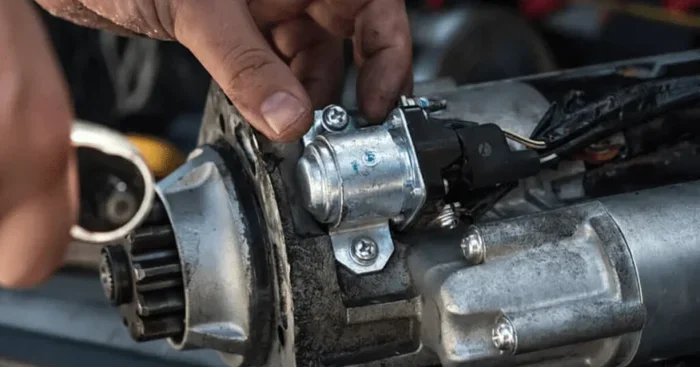
Here is how the process works in plain terms. When you turn the ignition, electrical power flows from your battery to the starter solenoid. The solenoid pushes the starter gear forward. This gear meshes with the flywheel on the engine. The motor then spins, turning the engine over. Once the engine starts running, the gear retracts and disengages. It is a fast process that happens in seconds.
The entire system relies on a few key parts working together. The battery must supply enough power. The solenoid must activate properly. The starter motor and its gears must be in good condition. If any one of these fails, your starting problems begin.
Why the Starter Matters
Think of the starter as the heartbeat of your vehicle’s ignition system. Without it, no amount of fuel or spark will get your engine running. A bad starter means your car sits dead in the driveway or, worse, in the middle of traffic. This is why paying attention to starter motor symptoms early on is so important.
Many people confuse a failing starter with a dead battery. Both can cause your car not to start. However, the fix is very different. A dead battery might just need a jump. A failing starter needs repair or replacement. That is why understanding the difference matters.
Common Symptoms of a Failing Starter
Your car usually gives you plenty of warning before a starter completely dies. The key is knowing what those warnings look like. Here are the most common signs that your starter motor is going bad.
Grinding Noise When Starting
A grinding sound is one of the most obvious signs of starter trouble. This noise happens when the starter gear wears down or does not engage properly with the flywheel. It sounds like metal grinding on metal. If you hear this, do not ignore it. Worn gears can damage the flywheel over time, turning a simple fix into an expensive repair.
Sometimes the grinding only happens occasionally. Maybe it occurs when the engine is cold or after driving for a long time. Either way, it is a red flag. You should get it checked before the problem gets worse.
Clicking Sound Without Cranking
Do you hear a rapid clicking sound when you turn the key but the engine does not turn over? This is a classic sign of starter failure. The solenoid is trying to engage the starter, but the motor is not spinning. This could mean the starter is worn out or the electrical connection is weak.
A single click might point to a solenoid issue. Repeated rapid clicking usually means the starter motor itself is failing. Either way, this is a symptom you should not brush off.
Slow or Sluggish Cranking
When your engine takes longer than usual to start, that is a warning sign. A healthy starter cranks the engine quickly and confidently. If you notice your engine cranking slowly or struggling to turn over, the starter motor may be weakening. This is especially common in cold weather, but it should not be a regular occurrence.
Slow cranking can also point to a weak battery. That is why it is important to rule out other causes. Sometimes the problem is a combination of a weak battery and a worn starter. A proper diagnosis helps you address both issues.
Intermittent Starting Problems
Does your car start some days and not others? Intermittent starting is a frustrating symptom. It often points to a starter that is partially failing. The internal components may be worn but not completely dead yet. This makes the problem unpredictable and harder to diagnose.
If you find yourself turning the key multiple times before the engine catches, take it seriously. What starts as an occasional annoyance can quickly become a complete failure. Getting it checked early gives you more control over the repair.
Smoke or Burning Smell
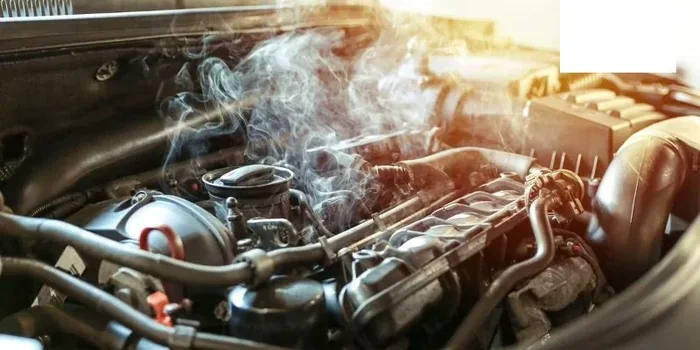
In more serious cases, a failing starter can overheat. You might notice smoke or a burning smell coming from under the hood. This happens when the starter motor draws too much current or gets stuck in the engaged position. If you see or smell this, stop trying to start the car immediately. Continuing to attempt starts can cause further damage.
This is an emergency situation. Call for help or have your vehicle towed to a shop. Ignoring this sign can lead to much bigger problems with your electrical system.
What Causes a Starter to Go Bad
Understanding the causes of starter failure helps you prevent it. Most starters fail for a few common reasons. Let us look at each one.
Worn Starter Gears
The gears on the starter motor wear down over time. Every time you start your car, these gears engage and disengage with the flywheel. After thousands of cycles, they begin to wear. Worn gears cause grinding noises and poor engagement. Eventually, the starter may not engage at all.
Driving habits can speed up gear wear. For example, holding the key in the start position too long puts extra stress on the gears. Letting the car idle for too long before driving can also contribute. Being mindful of these habits helps extend the life of your starter.
Electrical Connection Issues
The starter relies on a strong electrical connection from the battery. Corroded or loose wires can reduce the power reaching the motor. This causes slow cranking or complete failure. Over time, the electrical connections can degrade, especially in wet or salty conditions.
Regular inspections of your electrical connections can catch this early. Cleaning the terminals and tightening the wires takes just a few minutes. It is one of the simplest things you can do to keep your starting system healthy.
Faulty Solenoid
The starter solenoid acts as a switch that sends power to the motor. When it fails, the starter cannot engage. Solenoid failure can happen from wear, heat damage, or electrical issues. A bad solenoid often produces a clicking sound without cranking the engine.
Replacing a solenoid is usually less expensive than replacing the entire starter. However, it requires proper diagnosis. If you are hearing clicks but the engine does not turn, the solenoid is a good place to start looking.
Heat Damage
Your starter motor is located close to the engine. It endures a lot of heat during normal operation. Over time, excessive heat can damage the internal windings of the motor. This is especially common in vehicles that tow heavy loads or operate in hot climates.
Heat damage weakens the motor gradually. You may notice your car is harder to start on hot days before the problem becomes constant. Keeping your engine cool and avoiding overheating can help protect the starter.
Oil Leaks and Contamination
Oil or other fluids leaking onto the starter can cause serious problems. Contamination prevents the motor from spinning freely and can damage the electrical components. Oil leaks often come from nearby engine seals or gaskets. Fixing the source of the leak protects both the starter and other engine parts.
If you notice oil around the starter area, have it addressed quickly. A small leak today can become a major starter problem tomorrow. Regular engine maintenance helps catch leaks before they cause damage.
How a Failing Starter Affects Your Vehicle
A failing starter motor does more than just make starting difficult. It can cause a chain reaction of problems throughout your vehicle. Understanding these effects helps you see why timely repairs matter.
Stranding and Inconvenience
The most immediate effect of a bad starter is that your car will not start. This can leave you stranded at home, at work, or somewhere far from help. Being stranded is inconvenient and stressful. It can also be dangerous if it happens in an unsafe location.
If you find yourself in this situation, you have a few options. You can call a tow truck, ask for a jump, or arrange for a ride. But none of these are ideal. The better approach is to address starter symptoms before they reach this point.
Damage to the Flywheel
When the starter gears are worn or damaged, they can harm the flywheel. The flywheel is a large, expensive component attached to the engine. Replacing a flywheel costs significantly more than replacing a starter. What starts as a simple starter repair can become a major engine job if you delay.
This is why grinding noises should never be ignored. That early warning gives you time to fix the starter before it damages the flywheel. Catching it early saves you hundreds or even thousands of dollars.
Strain on the Battery and Electrical System
A weak starter forces the battery to work harder. This can drain the battery faster and stress the entire electrical system. In some cases, a struggling starter can cause the battery to fail prematurely. You might end up replacing both the battery and the starter when one problem was all you needed.
If you are dealing with car won’t start with a new battery, the starter is a likely culprit. A new battery should crank the engine easily. If it does not, the starter may be the real problem.
Safety Concerns
A starter that fails while you are driving is rare but possible. More commonly, it leaves you unable to start your car when you need it most. Imagine being late for work, a doctor’s appointment, or an important event. A reliable starting system is essential for daily life.
There is also the safety factor. A car that stalls or fails to restart in traffic is a hazard. Keeping your starter in good working order is part of responsible vehicle ownership.
Starter Repair vs. Replacement
When your starter motor fails, you have two main options: repair or replace. The right choice depends on the extent of the damage and your budget.
When Repair Makes Sense
Minor starter issues are often repairable. A faulty solenoid, loose connection, or worn gear can sometimes be fixed without replacing the whole unit. Repair costs are typically lower, and the turnaround time is shorter. If the motor itself is still in good condition, fixing the specific problem is the smarter choice.
A mechanic can inspect your starter and recommend the best path. They will check the solenoid, the gears, and the electrical connections. Based on what they find, they can give you an honest estimate of what needs to be done.
When Replacement Is Necessary
Sometimes the starter motor is too far gone to repair. Internal damage to the windings or the armature usually requires a full replacement. If the starter has been grinding for a long time and damaged the flywheel, you may need both parts replaced. In these cases, replacement is the most practical solution.
The cost of a new starter varies depending on your vehicle. On average, you can expect to pay between $300 and $500 for parts and labor. Some vehicles with accessible starters cost less, while others with difficult placement can be more expensive. Always get a quote before committing to the work.
Can You Jumpstart a Car With a Bad Alternator?
It is worth noting that jumpstarting a car with electrical issues requires care. If your alternator is also failing, jumpstarting might not solve the problem. The alternator charges the battery while the engine runs. A bad alternator means the battery will drain again quickly. If you are dealing with multiple electrical problems, it is best to get a full diagnosis. You can read more about this topic in our guide on jumpstarting a car with a bad alternator.
Similarly, if you are having trouble starting and the battery is new, the issue might be the starter. Check out our article on why your car won’t start with a new battery for more insight into this common problem.
Preventing Starter Problems
The good news is that you can take steps to reduce the risk of starter failure. Regular maintenance and good driving habits go a long way.
Turn Off Accessories Before Starting
Headlights, air conditioning, and the radio draw power from the battery. When you start the car with these on, the starter has to work harder. Make it a habit to turn off accessories before turning the key. This simple step reduces stress on the starter motor and battery.
Avoid Holding the Key Too Long
If the engine does not start right away, do not hold the key in the start position for more than a few seconds. Extended cranking heats up the starter and wears on the gears. Wait about 10 seconds between attempts. This gives the starter time to cool down.
Keep the Battery Healthy
A weak battery forces the starter to pull more current than it should. This accelerates wear on the motor. Keep your battery clean, check the terminals regularly, and replace it every 3 to 5 years. A healthy battery supports a healthy starter.
Address Leaks Promptly
Oil and coolant leaks near the starter can cause contamination and damage. If you notice any leaks under your vehicle, get them fixed quickly. This protects not just the starter but the entire engine.
Schedule Regular Inspections
During routine maintenance, ask your mechanic to inspect the starter and electrical connections. Early detection of wear or corrosion can prevent unexpected failures. A quick check takes minutes but can save you from a major headache.
Listen to Your Car
Your car talks to you. Pay attention to new sounds, delays, or changes in how it starts. A slight change in cranking speed or a new noise is worth investigating. Trust your instincts. If something feels off, it probably is.
For more tips on diagnosing starting issues early, check out our guide on how to tell if your starter is going bad. It covers the warning signs in detail and helps you take action before a complete failure.
Conclusion
Your car starter plays a vital role in getting your vehicle running every day. When it starts to fail, the symptoms are usually clear. Grinding noises, clicking sounds, slow cranking, and intermittent starting problems are all warning signs you should not ignore. Understanding what causes these issues and how to address them puts you in control of your vehicle’s maintenance.
Prevention is always better than repair. Simple habits like turning off accessories before starting and avoiding prolonged cranking can extend the life of your starter motor significantly. Regular inspections and prompt attention to leaks or electrical issues also help.
If you are already experiencing symptoms of starter failure, do not wait. Get a professional diagnosis and explore your repair or replacement options. Acting early saves money and keeps you from being stranded. Your car depends on a healthy starter, and so does your peace of mind.
Frequently Asked Questions
How do I know if it is my starter or my battery?
A dead battery usually causes no response at all when you turn the key. A failing starter often produces clicking sounds, grinding noises, or slow cranking. If your battery tests good but the car still will not start, the starter is likely the culprit. A professional can run a quick test to confirm which part is the problem.
Can I drive with a bad starter?
You cannot start your car if the starter is completely dead. However, a partially failing starter might still work intermittently. This is risky because it could fail at any time. It is best to address starter issues before they leave you stranded.
How much does it cost to replace a starter?
The average cost ranges from $300 to $500 for parts and labor. The exact price depends on your vehicle make and model. Some cars have starters that are easy to access, which keeps labor costs lower. Always get a detailed estimate before approving the repair.
How long does a car starter last?
Most starters last between 100,000 and 150,000 miles. However, driving habits and maintenance play a big role. If you frequently hold the key too long or ignore electrical issues, the starter may wear out faster. Regular care can help it last longer.
Can a bad starter damage the engine?
Yes, a failing starter can damage the flywheel if the gears are worn. It can also strain the battery and electrical system over time. The earlier you address starter problems, the less likely you are to face additional damage. Prompt repairs keep your entire starting system healthy.
What should I do if my car clicks but will not start?
A clicking sound usually means the solenoid is engaging but the starter motor is not spinning. This could be a dead battery, a faulty starter, or a bad connection. Check the battery first, and if it is good, have the starter inspected. Our guide on telling if your starter is going bad can help you narrow down the cause.