Is the Maintenance Required Light Only for Oil Change
The maintenance required light is not just for oil changes. It also tracks tire rotations, brake inspections, fluid checks, and other routine maintenance tasks. Ignoring it can lead to bigger problems and costly repairs down the road.
That little yellow or orange light on your dashboard just popped on. It says “Maintenance Required.” You wonder, is this just about an oil change, or is there more to it? Many drivers assume this light means it is time for an oil change and nothing else. But that assumption can cost you money and put your vehicle at risk.
The maintenance required light is actually a smart system built into your car. It tracks much more than just your oil. It monitors service intervals for tire rotations, brake inspections, fluid top-offs, and other routine maintenance tasks. Understanding what this light really means can save you from unexpected breakdowns and expensive repairs. Let us break it all down in simple terms.
Key Takeaways
- The light covers more than oil: It tracks multiple service items beyond just oil changes.
- It is part of the oil life system: The system calculates service intervals based on driving conditions.
- Resetting it does not fix the problem: You must complete the actual service first.
- Other maintenance items trigger it: Tire rotations, brake inspections, and fluid checks can all activate the light.
- Ignoring it has consequences: Skipping services can reduce engine life and vehicle reliability.
- You can find your service schedule in the owner manual: Every vehicle has a specific maintenance plan.
📑 Table of Contents
- What Does the Maintenance Required Light Actually Mean?
- Is the Maintenance Required Light Only for Oil Changes?
- How the Maintenance Required Light Differs from the Check Engine Light
- Why You Should Never Ignore the Maintenance Required Light
- How to Reset the Maintenance Required Light
- What Happens If You Skip Oil Changes and Other Services?
- How Often Should You Service Your Car Based on the Light?
- Can You Still Drive When the Light Is On?
- Expert Insights on the Maintenance Required Light
- Key Takeaways
- Conclusion
What Does the Maintenance Required Light Actually Mean?
The maintenance required light is a dashboard warning that tells you your car is due for service. It is part of your vehicle’s oil life system or maintenance reminder system. This system uses algorithms to track how you drive and when services are needed. It is not just a random reminder. It is based on real data from your car.
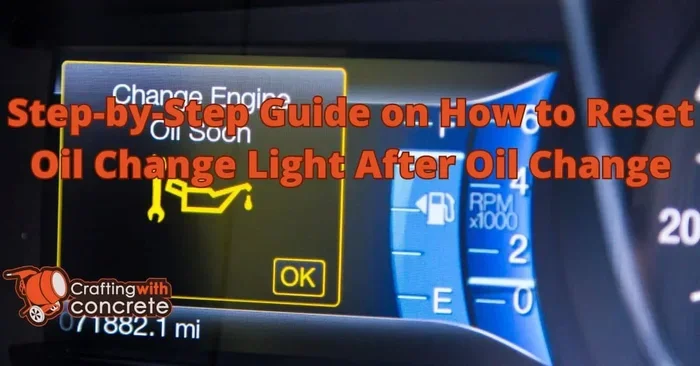
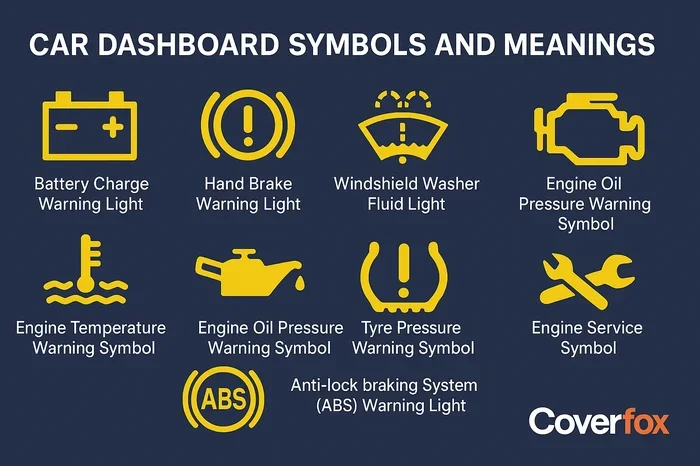
Different car brands call this light by different names. Toyota uses “Maintenance Required.” Honda uses “Maintenance Minder.” Ford uses “Service Due Soon.” But no matter the name, the purpose is the same. It tells you that a service interval has been reached. The light usually shows up as a small wrench icon or the words “maintenance required.”
How the System Calculates When to Remind You
The system does not just count miles. It looks at several factors to decide when to trigger the light. Here are the key things it tracks:
- Engine hours: How long your engine has been running.
- Driving conditions: Stop-and-go traffic, highway driving, and idling.
- Temperature extremes: Hot or cold weather affects service intervals.
- Oil quality degradation: How well the oil is still protecting your engine.
- Distance driven: Total miles since the last service.
All of these factors go into a formula. The system then estimates when your oil change or other service is due. This is why some drivers get the light at 4,500 miles while others get it at 7,500 miles. Driving habits matter a lot.
Is the Maintenance Required Light Only for Oil Changes?
Here is the short answer. No, it is not only for oil changes. While the maintenance required light often comes on for an oil change, it also tracks many other services. The light is connected to your car’s overall service interval system. It reminds you about multiple maintenance tasks.
Think of it like a calendar for your car. The oil change is the biggest item on that calendar. But there are other important events too. The system keeps track of all of them. When any one of those service items is due, the light can come on.
Other Services That Trigger the Light
So what else does this light remind you about? Here are common services that can trigger the maintenance required light:
- Tire rotations: These help your tires wear evenly and last longer.
- Brake inspections: Checking your brake pads and rotors for wear.
- Transmission fluid check: Making sure your transmission fluid is clean and at the right level.
- Coolant flush: Replacing old coolant to keep your engine from overheating.
- Air filter replacement: A dirty air filter can hurt your engine performance.
- Cabin filter replacement: This keeps the air inside your car clean and fresh.
- Spark plug replacement: Worn spark plugs can reduce fuel efficiency.
- Belt and hose inspection: Checking for cracks and wear on engine belts.
Each of these services plays a role in keeping your car running well. The maintenance required light helps you stay on top of all of them. It is a helpful tool when you know how to use it.
How the Maintenance Required Light Differs from the Check Engine Light
Many people confuse the maintenance required light with the check engine light. They are very different. Understanding the difference can save you a lot of stress.
The maintenance required light is a scheduled service reminder. It tells you it is time for routine vehicle maintenance. It is not an emergency. Your car is usually fine to drive when this light is on. You have time to plan your service.
The check engine light, on the other hand, signals a problem. It could be something minor like a loose gas cap. Or it could be something serious like engine misfires. If your check engine light is flashing, you should pull over and seek help right away.
Quick Comparison Table
| Feature | Maintenance Required Light | Check Engine Light |
|---|---|---|
| Purpose | Scheduled service reminder | Detects system problems |
| Urgency | Low to moderate | Can be very high |
| Common Cause | Oil change due | Sensor malfunction or emission issue |
| Can You Keep Driving? | Yes, usually | Depends on the issue |
| Action Needed | Schedule service soon | Get diagnostics immediately |
If you are ever unsure which light you are seeing, it is always safe to get it checked. A quick diagnostic scan at your dealership or mechanic can clarify things fast.
Why You Should Never Ignore the Maintenance Required Light
Some drivers see the maintenance required light and simply reset it. They ignore it until it comes back again. This habit can cause real problems over time. Here is why you should never just dismiss it.
First, skipping services can void your warranty. If you have a new car, the manufacturer expects you to follow the maintenance schedule. Missing oil changes or other services can lead to a denied warranty claim. That could cost you thousands of dollars if something goes wrong.
Second, delayed maintenance leads to bigger problems. A simple oil change prevents engine wear. But skip it, and the oil breaks down. Dirty oil does not lubricate your engine properly. This can cause overheating, increased friction, and even engine failure. The same goes for other services like brake inspections and fluid checks.
Third, your car loses value when maintenance is neglected. If you ever plan to sell or trade in your vehicle, a full service history matters. Buyers and dealers look for proof that the car was well cared for. A car with skipped services is worth less money.
Common Mistakes Drivers Make with This Light
Here are some common errors that drivers make when the maintenance required light comes on:
- Just resetting the light: This clears the reminder but does not complete the actual service.
- Waiting too long: Pushing service far past the recommended interval puts your engine at risk.
- Assuming it is only about oil: You might miss other important services the light is reminding you about.
- Ignoring it because the car feels fine: Many maintenance tasks are preventive. The car may feel fine now but could develop problems later.
- Not checking the owner manual: Your manual has the full service schedule for your specific vehicle.
Avoiding these mistakes will keep your car healthy and reliable for years to come.
How to Reset the Maintenance Required Light
Once you have completed the service, you will want to reset the light. The process varies by car brand and model. Here are some general steps that work for most vehicles.
For most Toyota models, you start by turning the ignition to the “On” position without starting the engine. Then you press and hold the trip meter reset button. While holding it, turn the ignition off and then back on. Keep holding the button until the light flashes and then resets. Release the button, and the light should be off.
For Honda vehicles, the process is a bit different. You turn the ignition to the “On” position, then press and hold the trip button. The light should begin to blink. Release the button, and the reset is complete.
If you are not sure how to reset the light for your specific car, check the owner manual. You can also ask the service advisor at your dealership. They will walk you through it quickly.
One important note. Always make sure the service is actually done before you reset the light. Resetting it early just hides the reminder and does not complete the needed routine maintenance.
What Happens If You Skip Oil Changes and Other Services?
Skipping your oil change is one of the worst things you can do for your engine. Oil is the lifeblood of your vehicle. It lubricates moving parts, reduces friction, and keeps the engine cool. Over time, oil breaks down and becomes less effective. Dirty oil cannot protect your engine the way fresh oil can.
When you skip oil changes, several things happen:
- Engine wear increases: Metal parts grind against each other without proper lubrication.
- Overheating becomes more likely: Old oil does not absorb heat as well.
- Sludge builds up: Contaminated oil forms sludge that can clog engine passages.
- Fuel efficiency drops: A poorly lubricated engine works harder and uses more fuel.
- Engine life shortens: Over time, the cumulative damage can lead to a full engine replacement.
The same logic applies to other services. Skipping tire rotations causes uneven tire wear. Skipping brake inspections can lead to worn-out brakes that fail when you need them most. Skipping coolant flushes can cause your engine to overheat. Every service on your maintenance schedule exists for a reason.
If you ever wonder whether you can push off service, remember this. Preventive maintenance is always cheaper than reactive repairs. An oil change costs a fraction of what an engine rebuild costs. A brake inspection is cheap compared to replacing a warped rotor or damaged caliper.
How Often Should You Service Your Car Based on the Light?
The frequency of service depends on several factors. Your driving habits, the type of car you drive, and the conditions you drive in all play a role. Most modern cars use an oil life system that calculates service intervals dynamically.
Here are some general guidelines:
- Normal driving conditions: Service every 5,000 to 7,500 miles or once a year.
- Severe driving conditions: Service every 3,000 to 5,000 miles. This includes stop-and-go traffic, towing, and extreme temperatures.
- Synthetic oil: Some cars with synthetic oil can go 10,000 to 15,000 miles between changes.
- Older vehicles: Classic cars may need more frequent oil changes based on mileage alone.
The best way to know for sure is to follow your vehicle’s owner manual. It has a detailed maintenance schedule tailored to your specific make and model. If you do not have the manual, you can usually find a digital version on the manufacturer’s website.
Can You Still Drive When the Light Is On?
In most cases, yes. The maintenance required light is not a stop-driving signal. It is a reminder that service is coming due. Your car should still run fine when this light is on. However, you should not put off service for too long.
If the light comes on and you cannot get to a service center right away, here is what you can do:
- Check your oil level: Make sure you have enough oil. Low oil can cause serious engine damage.
- Monitor for other warning lights: If any other lights come on, address them immediately.
- Avoid hard driving: Gentle driving puts less stress on your engine until you can get service.
- Plan your service soon: Schedule an appointment within a week or two.
If you are unsure whether it is safe to keep driving, a quick call to your dealership or mechanic can give you peace of mind. They can tell you if your specific situation needs immediate attention.
Expert Insights on the Maintenance Required Light
Experienced mechanics and automotive experts agree on one thing. The maintenance required light is one of the most misunderstood dashboard warnings. Many drivers either ignore it completely or panic when it comes on. Neither reaction is helpful.
“The maintenance required light is your car’s way of asking for a checkup,” says one veteran mechanic. “Just like you go to the doctor for regular checkups even when you feel fine, your car needs routine services to stay healthy. The light is your reminder to take care of it.”
Another expert adds that resetting the light without doing the service is one of the most common mistakes. “It is like silencing your alarm clock and then going back to sleep. The problem is still there. You just chose not to deal with it yet.”
Staying on top of your service interval schedule is one of the best things you can do for your vehicle. It keeps your car running smoothly, improves fuel efficiency, and prevents costly repairs. A little preventive maintenance goes a long way.
Key Takeaways
- The light covers more than oil: It tracks multiple service items beyond just oil changes.
- It is part of the oil life system: The system calculates service intervals based on driving conditions.
- Resetting it does not fix the problem: You must complete the actual service first.
- Other maintenance items trigger it: Tire rotations, brake inspections, and fluid checks can all activate the light.
- Ignoring it has consequences: Skipping services can reduce engine life and vehicle reliability.
- You can find your service schedule in the owner manual: Every vehicle has a specific maintenance plan.
Conclusion
The maintenance required light is not just about oil changes. It is a comprehensive reminder system that covers many aspects of routine vehicle maintenance. From tire rotations to brake inspections, this light helps you stay on top of your car’s needs. Understanding what it means and acting on it promptly will keep your vehicle running strong for years to come.
Do not ignore it. Do not just reset it. Instead, use it as a tool to keep your car in top shape. Follow the service schedule in your owner manual. Complete the recommended services on time. And if you are ever unsure, ask a professional for guidance. Your car will thank you with better performance, improved reliability, and a longer lifespan.
Take a moment today to check when your last service was. If the maintenance required light is on, make an appointment. A little action now can save you a lot of trouble later.
Frequently Asked Questions
Can I Drive My Car With the Maintenance Required Light On?
Yes, in most cases you can keep driving. The light is a reminder for scheduled service, not an emergency warning. However, you should get your car serviced soon to avoid potential problems.
What Is the Difference Between the Maintenance Required Light and the Check Engine Light?
The maintenance required light is a service reminder for routine tasks like oil changes and inspections. The check engine light signals an actual problem detected by your car’s computer. The check engine light needs immediate attention, while the maintenance light is less urgent.
How Do I Know What Service Is Due When the Light Comes On?
Check your owner manual for the maintenance schedule. You can also ask a service advisor at your dealership to pull up your vehicle’s service records. They can tell you exactly what is due based on your mileage and driving history.
Can I Reset the Maintenance Required Light Without Doing the Service?
Yes, you can reset it mechanically. But doing so without completing the service is not recommended. The reminder will come back, and you will have missed the actual maintenance your car needs.
Does the Maintenance Required Light Come on for Tire Rotations?
Yes, it can. The system tracks multiple service items, including tire rotations. When your car is due for a tire rotation or other maintenance, the light may activate to remind you.
How Often Should I Expect the Maintenance Required Light to Come On?
It depends on your driving habits and vehicle type. Most cars trigger the light every 5,000 to 10,000 miles for an oil change. Other services like tire rotations and brake inspections may trigger it on different intervals based on your car’s maintenance schedule.