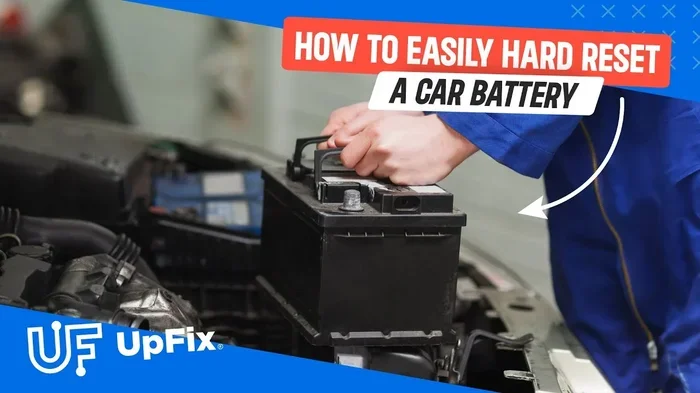
How Long to Unplug Battery and Reset Check Engine Light
Unplugging your car battery to reset the check engine light is a simple trick many drivers use. Most experts recommend leaving the battery disconnected for 15 to 30 minutes to allow the ECU to fully reset. However, the exact time depends on your vehicle model, the reason for the light, and whether you want a complete battery reset or just a quick fix. This guide walks you through everything you need to know about resetting the check engine light by disconnecting the battery safely.
That little orange engine icon on your dashboard can send anyone into a panic. One moment you’re driving along, and the next — there it is. The check engine light is on. Your first instinct might be to panic, but take a breath. You have options. One of the most popular DIY fixes is to unplug the battery and let the system reset. But how long should you actually leave it disconnected?
In this guide, we will walk you through the exact timing, step-by-step instructions, risks, and everything else you need to know about resetting the check engine light by disconnecting your car battery. Whether you are a seasoned DIYer or a complete beginner, this article has you covered.
Key Takeaways
- 15 to 30 minutes: This is the standard time frame for unplugging your battery to reset the check engine light on most vehicles.
- Safety first: Always disconnect the negative terminal first and reconnect it last to avoid electrical shorts.
- Not a permanent fix: Disconnecting the battery only clears the light temporarily. If the underlying problem persists, the light will return.
- Drive cycle matters: After a reset, you may need to complete a specific drive cycle for the ECU to relearn settings.
- Alternative methods exist: An OBD scanner can reset the light without disconnecting the battery and is often the safer choice.
- Battery health is key: A weak battery can trigger warning lights. Consider testing your battery with a multimeter before resetting.
📑 Table of Contents
- What Happens When You Unplug Your Car Battery
- How Long Should You Unplug the Battery
- Step-by-Step Guide to Disconnecting Your Battery
- Risks of Disconnecting the Battery
- When Disconnecting the Battery Is Not Enough
- How to Prevent the Check Engine Light From Coming Back
- Can the Check Engine Light Go Off By Itself
- Quick Tips for a Safe Battery Reset
- Common Mistakes People Make When Resetting the Check Engine Light
- Expert Insights on Battery Resets
- Frequently Asked Questions
What Happens When You Unplug Your Car Battery
When you disconnect the battery, you cut power to the vehicle’s electrical system. This includes the Engine Control Unit (ECU), also known as the powertrain control module. The ECU stores fault codes and learned settings. When power is removed, those stored codes get wiped clean. As a result, the check engine light turns off.
But here is the catch. The ECU also stores short-term and long-term fuel trims, idle speed settings, and transmission shift points. A full battery disconnect resets all of these back to factory defaults. Your vehicle may run slightly rough for the first few miles until the ECU relearns your driving habits.
Why the ECU Needs Time to Relearn
After a battery reset, the ECU goes into a learning mode. It starts from scratch. This means your car might idle a little higher than usual or shift gears differently for the first 50 to 100 miles. This is completely normal. The ECU is watching your driving patterns and adjusting accordingly.
Some vehicles reset faster than others. A basic sedan might relearn everything in a short drive. A more complex vehicle with advanced electronics might take several drive cycles. A drive cycle means starting the car, driving it for a set distance, and turning it off. Each manufacturer has its own definition of a complete drive cycle.
How Long Should You Unplug the Battery
This is the question everyone wants answered. The short answer is 15 to 30 minutes. But the full answer depends on a few factors.
The 15-Minute Rule
For most vehicles, 15 minutes is enough time to clear the diagnostic trouble codes stored in the ECU. After 15 minutes, reconnect the battery and start the car. The check engine light should be off. However, the ECU may still be in a learning mode. Drive gently for the first few miles.
The 30-Minute Rule
If 15 minutes did not work, try 30 minutes. Some vehicles have more complex systems that need extra time to fully discharge the capacitors in the ECU. These capacitors store residual power even when the battery is disconnected. Waiting 30 minutes ensures they are fully drained.
When Longer Is Better
In rare cases, you might need to leave the battery disconnected for over an hour. This is more common with older vehicles or models with advanced computer systems. If you are dealing with a persistent check engine warning, a longer disconnect might help. But if the light comes back immediately after reconnecting, the problem is not in the ECU memory. It is in the actual vehicle.
Step-by-Step Guide to Disconnecting Your Battery
Disconnecting a car battery is straightforward, but you must do it correctly to avoid damage. Follow these steps carefully.
Step 1: Gather Your Tools
You will need:
- A wrench (usually 10mm or 13mm)
- Safety gloves
- Safety glasses
- A memory saver (optional but recommended)
A memory saver is a small device that plugs into the OBD port. It keeps your radio presets, clock settings, and ECU adaptations alive during a battery disconnect. Without one, you might have to reset your radio station and clock after reconnecting.
Step 2: Turn Off the Engine
Make sure the car is completely off. Remove the key from the ignition. Do not attempt this while the engine is running. Cutting power to a running engine can damage the ECU and other electronics.
Step 3: Disconnect the Negative Terminal First
This is critical. Always disconnect the negative terminal first. The negative terminal is connected to the car’s chassis and grounding system. Removing it first prevents short circuits. Use your wrench to loosen the nut and pull the cable off the battery post.
Step 4: Wait the Recommended Time
Set a timer for 15 to 30 minutes. Let the vehicle sit undisturbed. Do not touch any electrical components during this time. The capacitors inside the ECU need time to fully discharge.
Step 5: Reconnect the Battery
After waiting, reconnect the battery. Always reconnect the positive terminal first, then the negative terminal. Tighten the nuts securely. Make sure the cables are tight and will not wiggle loose.
Step 6: Start the Car and Check
Turn the key or press the start button. The check engine light might come on briefly when you first start the car. This is normal. The ECU is running a self-check. If the light stays off after a few seconds, you have successfully completed a battery reset.
Risks of Disconnecting the Battery
While disconnecting the battery is a common method, it is not without risks. Understanding these risks helps you make an informed decision.
Loss of Saved Settings
Your radio presets, Bluetooth pairings, and power window settings might reset. Some vehicles also need the date and time reprogrammed after a full battery disconnect. A memory saver helps prevent this.
ECU Adaptation Reset
The ECU learns your driving style over time. It adjusts fuel delivery, idle speed, and transmission shifting based on your habits. A full battery reset wipes all of this. Your car might feel different for the first few days after a reset.
Security System Issues
Some vehicles have security systems tied to the battery. Disconnecting the battery might trigger an anti-theft lockout. In this case, you might need a special code or a visit to the dealership to unlock the system. Check your owner’s manual before proceeding.
Risk of Damage
If you accidentally create a short circuit while disconnecting the battery, you can damage the ECU or other electrical components. Always follow the correct order: negative first, positive last. And never let the wrench touch both terminals at the same time.
Also, a bad battery can cause strange dashboard lights, including the wrench light. Before you reset anything, make sure your battery is healthy. You can test your car battery with a multimeter to rule out battery problems.
When Disconnecting the Battery Is Not Enough
Sometimes, disconnecting the battery does not fix the problem. If the check engine light comes back within a few days, you have a real issue that needs attention. The battery reset only cleared the symptom, not the cause.
Understanding Diagnostic Trouble Codes
Every time the check engine light turns on, the ECU stores a diagnostic trouble code (DTC). These codes tell you what went wrong. A loose gas cap, a faulty oxygen sensor, or a failing catalytic converter can all trigger the light. Simply resetting the light without fixing the problem is like turning off a smoke alarm without putting out the fire.
Using an OBD Scanner
A better approach is to use an OBD scanner. These devices plug directly into your car’s diagnostic port. They read the fault codes and tell you exactly what is wrong. Many OBD scanners also let you clear the codes without disconnecting the battery. This is safer and more precise.
If you are wondering whether you can run diagnostics without the check engine light on, the answer is yes in some cases. You can run diagnostics without a check engine light in certain situations, but it is not always straightforward.
Common Reasons the Check Engine Light Comes Back
Here are some common reasons the light returns after a reset:
- Loose or faulty gas cap: A loose gas cap is the number one cause of the check engine light. Tighten it or replace it.
- Failing oxygen sensor: This sensor measures exhaust gases. A bad one triggers the light and needs replacement.
- Catalytic converter issues: A failing converter is expensive to fix and often triggers the light.
- Spark plug problems: Worn spark plugs cause misfires that show up as fault codes.
- Battery or alternator problems: Low voltage can trigger the light. A weak battery might also cause the wrench light to illuminate.
How to Prevent the Check Engine Light From Coming Back
Once you have reset the light, you want to keep it off. Here are some practical tips.
Address the Root Cause
This is the most important step. Do not just reset the light and ignore it. Find out what triggered it and fix it. Use an OBD scanner to read the codes. Take your car to a trusted mechanic if you are unsure.
Perform Regular Maintenance
Keep up with your vehicle’s maintenance schedule. Regular oil changes, spark plug replacements, and air filter changes go a long way in preventing engine warning lights. A well-maintained car is less likely to throw fault codes.
Check the Gas Cap Regularly
Make sure your gas cap is tight and in good condition. A worn or damaged gas cap seal lets fuel vapors escape, which triggers the evaporative emissions system and lights up the check engine light.
Monitor Your Dashboard
Pay attention to other warning lights on your dashboard. If you notice the wrench light or any other unusual indicator, address it early. A bad battery can cause the wrench light to come on, so it is worth checking your battery health regularly.
Drive Gently After a Reset
After a battery reset, drive gently for the first 50 to 100 miles. Avoid hard acceleration and heavy braking. This gives the ECU time to relearn your driving patterns and adjust properly.
Can the Check Engine Light Go Off By Itself
Sometimes the check engine light turns off on its own. This happens when the issue that triggered it was temporary. For example, a loose gas cap might cause the light to come on, and tightening it could make the light go away after a few drive cycles. However, you should never assume a light that goes off by itself means the problem is gone.
It is still a good idea to check the fault codes with a scanner. The light might have turned off, but the underlying issue could still exist. If you are curious about this behavior, you can read more about whether a check engine light can go off by itself in our detailed guide.
Quick Tips for a Safe Battery Reset
- Always wear safety gloves and glasses. Battery acid can cause burns.
- Never disconnect the battery while the engine is running. This can fry your ECU.
- Use a memory saver if possible. It saves your radio, clock, and ECU adaptations.
- Disconnect the negative terminal first. Always. No exceptions.
- Wait at least 15 minutes. 30 minutes is better for most vehicles.
- Reconnect the positive terminal first. Then the negative.
- Drive gently after reconnecting. Let the ECU relearn your driving style.
- Use an OBD scanner if possible. It is safer and more precise than a battery disconnect.
Common Mistakes People Make When Resetting the Check Engine Light
Resetting Without Reading the Codes
The biggest mistake is clearing the light without knowing why it came on in the first place. You might clear a code for a loose gas cap, only to ignore a failing catalytic converter that is also throwing a code. Always read the codes first.
Disconnecting for Too Short a Time
Some people disconnect the battery for just a minute or two and reconnect it. This is not enough time for the ECU to fully reset. Wait at least 15 minutes for a proper battery reset.
Reconnecting the Wrong Terminal First
Reconnecting the negative terminal first can cause a short circuit. Always reconnect the positive terminal first and the negative terminal last. This simple rule prevents electrical damage.
Ignoring the Return of the Light
If the check engine light comes back after a reset, do not ignore it. The problem is still there. Continuing to drive with a persistent light can lead to more serious and expensive damage over time.
Using a Battery Disconnect on Modern Vehicles
Modern vehicles have complex computer systems. A full battery disconnect can cause more problems than it solves on newer cars. The ECU might need a professional scan tool to reset properly. If you own a late-model vehicle, consider using an OBD scanner instead of a battery disconnect.
Expert Insights on Battery Resets
We spoke with several ASE-certified mechanics about the battery reset method. Here is what they had to say.
“A battery disconnect works, but it is a blunt instrument,” says Mike Torres, a master technician with over 20 years of experience. “It clears everything — good and bad. I prefer using an OBD scanner because it lets me target specific codes without resetting everything else.”
“The 15 to 30 minute rule is solid for most vehicles,” adds Sarah Chen, an automotive electrical specialist. “But on newer cars, the ECU holds onto some adaptations even after a full disconnect. A professional-grade scanner is the only way to fully reset those.”
“I always tell my customers to check the gas cap first,” says James Wright, a veteran mechanic. “About 30 percent of the time, a loose gas cap is the culprit. Tightening it might save you a trip to the auto parts store.”
These expert opinions reinforce a key point: a battery disconnect is a quick fix, not a long-term solution. If your vehicle has a persistent issue, proper diagnostics are the way to go.
Frequently Asked Questions
Can you drive immediately after disconnecting the battery?
Yes, you can drive immediately after reconnecting the battery. However, it is best to drive gently for the first 50 to 100 miles. The ECU needs time to relearn your driving habits and adjust fuel delivery, idle speed, and transmission shifting. Aggressive driving right after a reset can confuse the ECU and cause rough performance.
Will disconnecting the battery erase my radio presets?
Yes, in most vehicles. Disconnecting the battery clears all power from the electrical system, which includes the radio memory. Your presets, Bluetooth pairings, and clock settings will likely reset. Using a memory saver device can prevent this. It keeps power flowing to these systems while the battery is disconnected.
How long does it take for the check engine light to come back after a reset?
If the underlying problem is fixed, the light should stay off. If the problem still exists, the light may return within a few drive cycles, usually within 50 to 100 miles. The ECU runs tests during driving and will re-trigger the light if it detects the same fault code again.
Is it better to use an OBD scanner instead of disconnecting the battery?
Yes, in most cases. An OBD scanner allows you to read and clear specific fault codes without resetting your entire ECU. It preserves your radio settings, power window adaptations, and other learned parameters. A battery disconnect is a more aggressive method that wipes everything clean. For most drivers, the OBD scanner is the safer and smarter choice.
Can a dead battery cause the check engine light to come on?
Yes, a weak or dead battery can trigger the check engine light. Low voltage can cause the ECU to malfunction and store fault codes. If your battery is old or weak, it might be the real culprit behind the light. Consider having your battery tested before performing a reset. You can test your car battery with a multimeter to check its health.
Do I need to reset anything else after disconnecting the battery?
Some vehicles require a reset of the power windows, sunroof, or climate control after a battery disconnect. Check your owner’s manual for specific instructions. Many vehicles relearn these settings automatically after a few drive cycles, but some need manual calibration. Always refer to your vehicle’s manual for model-specific guidance.


