What Vans Can You Get an 8×4 Sheet In Here Are Your Options
Not every van can handle a full 8×4 sheet of plywood, plasterboard, or MDF. The right choice depends on your van’s interior floor length, width, and load area design. Large LWB and XLWB vans like the Ford Transit, Mercedes Sprinter, and VW Transporter are your best bets for fitting an 8×4 sheet flat without overhang. Choosing the wrong van means wasted trips, damaged materials, and frustration on the job site.
If you have ever tried to load a full sheet of plywood or plasterboard into a van, you know the frustration. The sheet barely fits. It sticks out the back. It wobbles in transit. What vans can you get an 8×4 sheet in without these headaches? The answer is simpler than you think, but it depends on a few key details.
This guide walks you through every van option that can comfortably carry a standard 8×4 sheet. We cover interior dimensions, model comparisons, loading tips, and common mistakes. Whether you are a tradesperson hauling materials daily or a DIYer loading up for a weekend project, this article helps you choose the right van. Let us break it down so you can make a confident decision.
Key Takeaways
- Van size matters most: Your van’s interior floor length must be at least 2440mm to fit an 8×4 sheet flat.
- LWB and XLWB models are the sweet spot: Models like the Ford Transit LWB, Mercedes Sprinter, and VW Transporter T6 LWB all handle 8×4 sheets with ease.
- Smaller vans won’t work: Compact vans like the Ford Transit Custom and Citroen Berlingo are too short and narrow for a full 8×4 sheet.
- Diagonal loading is an option: If your van is slightly short, you can angle the sheet diagonally across the floor.
- Roof racks help with overhang: If a sheet must extend past the tailgate, a roof rack or sheet holder keeps it secure.
- Always measure your van: Interior dimensions vary by model, trim level, and wheelbase configuration.
- Security matters: Use ratchet straps, bungee cords, or a sheet clamp to prevent shifting during transit.
📑 Table of Contents
Why Knowing Your Van Size Matters for an 8×4 Sheet
A standard 8×4 sheet measures 2440mm long by 1220mm wide. That is a big flat piece of material. It will not fit in every van. Many people buy a van based on exterior size alone and then wonder why the sheet does not fit inside. The key is understanding van cargo dimensions and how they relate to the materials you carry.
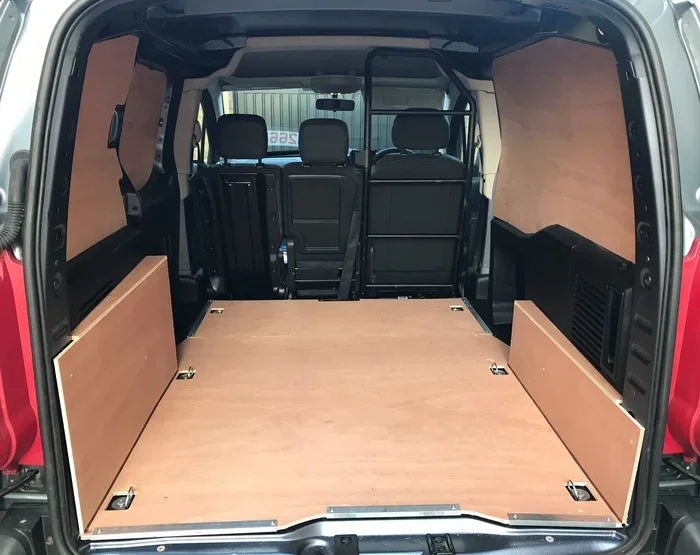
The interior floor length is the most critical measurement. If your van’s cargo area is shorter than 2440mm, the sheet will overhang the tailgate. This creates a safety hazard and can damage the sheet. The interior width matters too. A sheet laid flat needs at least 1220mm of width across the floor. Always measure the interior load area before you buy or rent a van.
Another factor is the van bed height. Some vans have a low roofline that makes it hard to slide a large sheet in at an angle. Full-size vans with taller cargo areas give you more room to maneuver heavy sheets inside. This is especially important when loading alone.
Key Dimensions to Remember
- 8×4 sheet length: 2440mm (8 feet)
- 8×4 sheet width: 1220mm (4 feet)
- Minimum van floor length: 2440mm for flat loading
- Minimum van floor width: 1220mm for flat loading
- Ideal van floor width: 1300mm or more for easy loading
Keep these numbers in mind as we explore specific van models. The right van turns a two-person job into a one-person job.
The Standard 8×4 Sheet Dimensions Explained
Before we dive into van options, let us clarify what an 8×4 sheet actually is. The name comes from the imperial measurements: 8 feet by 4 feet. In metric, that is 2440mm x 1220mm. This is the standard size for plywood, MDF, plasterboard, OSB board, and similar sheet materials.
These sheets are heavy too. A full sheet of 18mm plywood weighs around 25kg. A sheet of plasterboard can weigh 30kg or more. Handling a full 8×4 sheet solo is tough, which is why the right van makes such a difference. You want enough floor space to lay the sheet flat and secure it properly.
Some suppliers cut sheets to smaller sizes. A half sheet (2440mm x 610mm) fits in almost any van. But if you need full sheets, you need a van with a long enough and wide enough cargo area. This is where van size becomes the deciding factor.
Common Sheet Materials That Use the 8×4 Size
- Plywood (various thicknesses)
- MDF (Medium Density Fibreboard)
- Plasterboard (drywall)
- OSB (Oriented Strand Board)
- Hardboard
- Chipboard
All of these share the same standard 8×4 dimensions. So whatever material you are hauling, the same van rules apply. Pick a van that fits the sheet, not the other way around.
Best Vans That Can Fit an 8×4 Sheet
Now for the part you have been waiting for. What vans can you get an 8×4 sheet in comfortably? The answer lies in the large panel van and maxi van categories. These vans have long cargo areas that easily accommodate a full 8×4 sheet laid flat on the floor.
Here are the top van types and specific models that handle 8×4 sheets with room to spare.
Ford Transit LWB and XLWB
The Ford Transit is one of the most popular commercial vans in the UK and around the world. The long wheelbase (LWB) version has a cargo floor length of approximately 3000mm to 3300mm depending on the configuration. That is plenty of room for an 8×4 sheet laid flat.
The extra-long wheelbase (XLWB) Transit offers even more space. The cargo area width typically ranges from 1700mm to 1900mm, which is wide enough to lay the sheet flat without touching the wheel arches. The high roof option gives you extra vertical clearance for sliding sheets in at an angle.
Why it works: The Transit is available in so many configurations that you can find one with a flat, wide load area perfect for sheet materials. Many tradespeople swear by it for a reason.
Mercedes Sprinter LWB and XLWB
The Mercedes Sprinter is a premium commercial van known for its spacious cargo area. The LWB Sprinter offers a floor length of around 3000mm to 3200mm. The XLWB version pushes past 3500mm. Either way, an 8×4 sheet fits flat with ease.
The Sprinter also has a wider cargo area compared to many competitors. The interior width can reach up to 1800mm in the high-roof LWB model. This means you can carry multiple sheets side by side. The build quality is excellent, and the ride comfort makes long trips with heavy loads much easier.
Why it works: The Sprinter combines size, comfort, and reliability. It is a top choice for contractors who haul large materials regularly.
VW Transporter T5 and T6 LWB
The VW Transporter has been a workhorse van for decades. The long wheelbase T5 and T6 models offer a cargo floor length of around 2570mm to 3000mm. The 3000mm version fits an 8×4 sheet flat with very little overhang.
The Transporter’s cargo width is about 1600mm to 1700mm depending on the model year and trim. That is enough to lay a sheet flat across the floor. The van bed is also flat and unobstructed, which makes loading and unloading large sheets straightforward.
Why it works: The Transporter is a proven workhorse. It is easy to drive, reliable, and has a cargo area that handles full-size sheets without drama.
Fiat Ducato LWB
The Fiat Ducato is a large panel van used by many professionals across Europe. The LWB version offers a cargo floor length of around 3120mm. That is more than enough for an 8×4 sheet. The interior width can reach up to 1870mm, giving you plenty of room for flat loading.
The Ducato is also the base for popular campervans like the Citroen Relay and Peugeot Boxer. This means parts and service are widely available. It is a tough, practical van that handles heavy sheet materials with confidence.
Why it works: The Ducato offers excellent cargo space at a competitive price. It is a strong contender for anyone who regularly hauls large sheets.
Renault Master LWB
The Renault Master is another large box van that handles 8×4 sheets well. The LWB version provides a cargo floor length of around 3000mm to 3350mm. The wide cargo area makes it easy to lay sheets flat without worrying about wheel arch intrusion.
The Master is known for its large load capacity. It can carry heavy loads of sheet materials along with other tools and equipment. The rear doors open wide, which helps when sliding large sheets in and out.
Why it works: The Renault Master offers a great balance of size, payload capacity, and affordability. It is a solid choice for tradespeople.
Toyota HiAce LWB
The Toyota HiAce is a reliable and durable van popular around the world. The LWB version offers a cargo area long enough for an 8×4 sheet. The interior is spacious and the van load capacity is impressive for its class.
The HiAce is known for its reliability and low running costs. It may not have the largest cargo area on this list, but it handles full-size sheets well enough for most jobs. It is also a popular choice as a car-based van alternative for smaller operations.
Why it works: The HiAce is dependable, affordable to run, and capable of carrying full 8×4 sheets without any issues.
Popular Van Models Compared
Choosing between van models can be confusing. Let us compare the top options side by side so you can see which one fits your needs best.
| Van Model | Wheelbase | Floor Length | Floor Width | Fits 8×4 Flat? |
|---|---|---|---|---|
| Ford Transit LWB | 3000mm | ~3000mm | ~1700mm | Yes |
| Ford Transit XLWB | 3500mm | ~3500mm | ~1900mm | Yes (easily) |
| Mercedes Sprinter LWB | 3000mm | ~3000mm | ~1700mm | Yes |
| Mercedes Sprinter XLWB | 3500mm | ~3500mm | ~1800mm | Yes (easily) |
| VW Transporter T6 LWB | 3000mm | ~2570mm | ~1600mm | Yes (tight fit) |
| VW Transporter T6 XLWB | 3500mm | ~3000mm | ~1700mm | Yes |
| Fiat Ducato LWB | 3000mm | ~3120mm | ~1870mm | Yes |
| Renault Master LWB | 3000mm | ~3000mm | ~1700mm | Yes |
| Toyota HiAce LWB | 2570mm | ~2570mm | ~1540mm | Yes (tight fit) |
| Ford Transit Custom | 2755mm | ~2300mm | ~1360mm | No (too short) |
| Citroen Berlingo | 2210mm | ~1800mm | ~1200mm | No (too small) |
Quick Tip: Always check the exact interior dimensions for the specific trim and configuration you are considering. Manufacturers list these in the vehicle specifications, and they can vary between models. Do not rely on exterior dimensions alone.
The table makes it clear that LWB and XLWB large vans are your best friends when it comes to carrying an 8×4 sheet. The smaller car-based vans simply do not have enough floor length. If you are stuck with a smaller van, diagonal loading is an option we will cover next.
Tips for Loading and Transporting an 8×4 Sheet
Getting the sheet into the van is only half the battle. You also need to transport it safely. A loose sheet on a van floor is a serious safety hazard. It can shift during braking, cornering, or in crosswinds. Here are practical tips to keep your load secure and your journey safe.
Use Ratchet Straps or Bungee Cords
Always secure the 8×4 sheet with at least two ratchet straps. Attach one strap near the front of the cargo area and one near the rear. This prevents the sheet from sliding forward or backward during transit. Bungee cords work in a pinch but ratchet straps provide much better tension and security.
Consider a Roof Rack or Sheet Holder
If your van has a roof rack, you can strap the sheet on top. This works well if the sheet overhangs the tailgate slightly. Just make sure the sheet does not block your rear visibility. A dedicated van sheet holder or clamp system is even better. These accessories mount to the van’s roof or bed rails and hold the sheet securely in an upright position.
Load the Sheet Flat When Possible
Laying the sheet flat on the van floor is the safest and most stable method. It lowers the centre of gravity and reduces the risk of the sheet shifting. Stack multiple sheets on top of each other if you are carrying more than one, and strap the whole stack down firmly.
Angle the Sheet Diagonally If Needed
If your van is just slightly too short for the sheet to lie flat, you can angle it diagonally across the cargo area. This works in vans with a floor length of around 2200mm to 2300mm. The sheet will extend past the tailgate, so make sure you mark it with a high-visibility flag or ribbon. Drive carefully and avoid high speeds when carrying a sheet this way.
Quick Tips for Safe Transport
- Always check your mirrors before driving with an overhanging load
- Use a high-visibility flag or cloth on any sheet extending past the vehicle
- Do not exceed your van’s maximum payload capacity
- Remove the sheet from the van as soon as you arrive at your destination
- Inspect your straps and load before every trip
- Drive smoothly and avoid sudden braking or sharp turns
Common Mistakes When Hauling Large Sheets
Even experienced van drivers make mistakes when loading large sheets. Here are the most common errors to avoid.
- Using a van that is too small: A compact van might seem convenient, but it cannot fit a full 8×4 sheet. You will end up damaging the sheet or the van.
- Not securing the load properly: A loose sheet is extremely dangerous. It can fly out of the van at speed and cause a serious accident.
- Ignoring the payload limit: A full sheet of plywood weighs around 25kg. Add the weight of the sheet, your tools, and other materials, and you could exceed the van’s maximum payload. Check your van’s payload rating before loading.
- Forgetting about height clearance: If you angle a sheet into the van, it might catch on garage doors, car parks, or low bridges. Be aware of your load height at all times.
- Overloading one side: Placing all the weight on one side of the van affects handling and stability. Spread the load evenly across the floor.
Expert Insight: “The most common mistake I see is people buying a van based on the exterior size without checking the interior cargo dimensions,” says Mark Thompson, a van specialist with over 15 years of experience. “Always ask the dealer for the exact interior floor measurements before you commit. A few centimetres can make the difference between fitting and not fitting.”
Expert Insights on Choosing the Right Van
Choosing the right van for carrying 8×4 sheets is not just about cargo length. You also need to think about how often you will haul sheets, what other materials you carry, and your budget. Here are some expert recommendations to help you decide.
If you haul sheets regularly: Invest in a large van like the Ford Transit XLWB or Mercedes Sprinter XLWB. These vans give you plenty of room for full sheets and extra materials. The additional space also makes loading and unloading faster and safer. Over time, the extra efficiency pays for itself.
If you haul sheets occasionally: A standard LWB van like the Ford Transit LWB or VW Transporter T6 LWB will work well. You can also consider renting a larger van for the days when you need to carry full sheets. This saves you money on a van you only need part-time.
If you are on a tight budget: Look at used large panel vans. A second-hand Ford Transit or Fiat Ducato LWB from a few years ago will still handle 8×4 sheets perfectly. Focus on the cargo dimensions rather than the age or mileage of the van.
If you carry a mix of materials: Choose a van with a wide cargo area. The Fiat Ducato and Renault Master offer the widest interiors, which makes it easy to carry sheets alongside long timber, pipes, and other materials.
Consider a Luton van or box van if you need maximum cargo space. These vans have a box-shaped cargo area that is taller and wider than standard panel vans. They are ideal for builders and contractors who move large quantities of sheet materials regularly.
Key Takeaway: The best van for you depends on your specific needs. Think about how often you haul sheets, what else you carry, and how much you are willing to spend. A well-chosen van makes every job easier and safer.
Final Thoughts
So, what vans can you get an 8×4 sheet in? The short answer is: most large LWB and XLWB panel vans. The Ford Transit, Mercedes Sprinter, VW Transporter, Fiat Ducato, Renault Master, and Toyota HiAce all handle full-size sheets with ease. Smaller vans like the Transit Custom and Berlingo simply do not have enough cargo space.
Remember to always check the interior cargo dimensions before you buy or rent. Measure the floor length, floor width, and cargo height. These numbers tell you whether an 8×4 sheet will fit flat or require diagonal loading. And always secure your load properly with straps or clamps before hitting the road.
The right van turns a frustrating loading job into a quick and easy process. Take the time to choose wisely, and you will save yourself hours of hassle on every job. Whether you are a professional tradesperson or a weekend DIYer, a van that fits an 8×4 sheet properly is an essential tool. Make the right choice and you will wonder how you ever managed without it.
Frequently Asked Questions
Can a Ford Transit Custom fit an 8×4 sheet?
The Ford Transit Custom has a shorter cargo floor than the standard Transit, typically around 2300mm. This means a full 8×4 sheet (2440mm long) will not fit flat. You would need to angle it diagonally or have it overhang the tailgate. For comfortable flat loading, choose the Ford Transit LWB or XLWB instead.
What is the minimum van size for an 8×4 sheet?
The minimum interior floor length you need is 2440mm to fit the sheet flat. The minimum interior width is 1220mm. Any van with these dimensions or larger can carry a full 8×4 sheet. Most LWB large panel vans meet these requirements easily.
Can I carry an 8×4 sheet on a roof rack?
Yes, you can secure an 8×4 sheet on a roof rack if your van has one. This works well for vans where the sheet overhangs the tailgate slightly. Just make sure the sheet is strapped down tightly and does not block your rear view. Drive at moderate speeds and avoid strong winds.
How much does a full 8×4 sheet of plywood weigh?
A standard 18mm thick sheet of plywood measuring 8×4 feet weighs approximately 25kg. Thicker sheets or denser wood types can weigh more. Always check your van’s maximum payload capacity before loading heavy materials to stay within safe limits.
Is diagonal loading safe for an 8×4 sheet?
Diagonal loading is a practical solution when your van is slightly too short for flat loading. However, the overhanging portion of the sheet must be clearly marked with a high-visibility flag. Drive carefully, avoid sudden manoeuvres, and secure the sheet with straps. It is safe when done correctly but not as stable as flat loading.
What other van models can fit an 8×4 sheet?
Beyond the models covered in this article, other vans that can fit an 8×4 sheet include the Citroen Jumper LWB, Peugeot Boxer LWB, Iveco Daily LWB, and Nissan NV400 LWB. All of these large panel vans offer cargo floor lengths of 2500mm or more, making them suitable for full-size sheet materials.