How Much Does Wiper Fluid Cost and Why the Price Varies
Wiper fluid typically costs between $1 and $5 per gallon, but prices vary based on type, brand, and season. Summer formulas, winter blends, and specialty cleaners all carry different price tags. Knowing what you are buying helps you avoid overpaying and keeps your car running smoothly.
Have you ever popped your hood and wondered how much it actually costs to fill up your windshield washer fluid? It seems like a simple question, but the answer is not as straightforward as you might think. Wiper fluid cost can range from just a dollar a gallon to over ten dollars for specialty formulas. The price depends on several factors, including the type of fluid, the brand, the season, and where you buy it.
In this guide, we break down everything you need to know about windshield washer fluid prices. We will cover the different types available, compare costs side by side, and share practical tips to help you spend less. Whether you are a DIY car maintenance person or someone who just wants to keep their windshield clear, this article has you covered.
Let us get into it. Your wallet will thank you.
Key Takeaways
- Basic wiper fluid costs $1 to $3 per gallon: Standard blue washer fluid is the most affordable option and works well for everyday driving.
- Winter formulas run $3 to $8 per gallon: Antifreeze additives keep fluid from freezing in cold climates, which adds to the cost.
- Brand name fluids cost more than store brands: Meguiar’s, Rain-X, and other premium brands can double or triple the price of generic fluid.
- DIY refilling saves significant money: Buying fluid in bulk and filling your reservoir yourself is the cheapest approach.
- Concentrated fluid needs dilution: These products cost more upfront but stretch further, so calculate cost per use before deciding.
- Using the wrong fluid can damage your car: Always match your fluid type to the season and your vehicle’s needs.
📑 Table of Contents
- How Much Does Wiper Fluid Cost?
- Types of Wiper Fluid and Their Costs
- Where to Buy Wiper Fluid and How to Save
- How to Refill Your Wiper Fluid Reservoir
- Common Mistakes People Make With Wiper Fluid
- How Wiper Fluid Cost Compares to Other Car Fluids
- Expert Tips for Getting the Most Out of Your Wiper Fluid
- Frequently Asked Questions
- Final Thoughts
How Much Does Wiper Fluid Cost?
The short answer is that most standard wiper fluid bottles cost between $1 and $5 per gallon. But that is just the starting point. The real price depends on what kind of fluid you need and where you shop. A quick trip to your local auto parts store will show you a wide range of options, and the prices reflect that variety.
Here is a general breakdown of what you can expect to pay:
- Basic blue washer fluid: $1 to $3 per gallon
- Name-brand summer formula: $3 to $6 per gallon
- Winter or antifreeze formula: $4 to $8 per gallon
- Concentrated or pre-mixed specialty fluid: $5 to $12 per gallon
- Large bulk containers (2 to 5 gallons): $5 to $15 total
These prices can shift depending on where you live, what store you visit, and whether you are buying in bulk. A gallon of basic fluid at a big-box retailer will almost always be cheaper than a small bottle at a gas station convenience store. Smart shopping makes a big difference in what you pay.
Why the Price Varies So Much
Several factors drive the wide range in washer fluid prices. Understanding these helps you make smarter buying decisions and avoid overpaying for something you do not need.
Seasonal demand is one of the biggest factors. In winter, people rush to buy antifreeze windshield washer fluid because standard fluid freezes in cold temperatures. This seasonal spike in demand pushes prices up. Stores know this and often charge a premium during the colder months. In summer, you can sometimes find deals on basic fluid because demand drops.
Brand name versus store brand also plays a big role. Premium brands like Meguiar’s and Rain-X invest in marketing and formulation, which adds to the cost. Store brands and generic fluids use similar base ingredients but skip the branding markup. In most cases, the cleaning performance is nearly identical.
Specialty additives are another price driver. Some fluids contain detergents, rain-repellent polymers, or bug-removal formulas. These extras make the fluid more effective but also more expensive. If you do not need these features, a basic fluid does the job just fine.
Packaging size matters too. Small bottles at gas stations and convenience stores carry a premium because of the convenience factor. Buying a larger jug at an auto parts store or online almost always saves money per ounce.
Types of Wiper Fluid and Their Costs
Not all windshield washer fluid is the same. Different types serve different purposes, and each comes with its own price tag. Let us walk through the most common options so you can pick the right one for your needs.
Standard Blue Washer Fluid
This is the most common type of windshield washer fluid you will find on any store shelf. It is blue, water-based, and designed for everyday driving in mild weather. Standard wiper fluid cost for this type is usually between $1 and $3 per gallon.
It removes light dirt, dust, and bugs from your windshield. It works well in spring, summer, and fall in most climates. However, it does not contain antifreeze, so it can freeze in temperatures below 32 degrees Fahrenheit. For most people in warmer regions, this is all you need.
Winter and Antifreeze Formulas
If you live in a cold climate, winter wiper fluid is a must-have. Antifreeze windshield washer fluid contains methanol or ethylene glycol, which lowers the freezing point. This prevents the fluid from turning into ice inside your washer reservoir and lines.
Winter wiper fluid cost typically ranges from $4 to $8 per gallon. Some brands offer formulas rated for temperatures as low as negative 20 or negative 30 degrees Fahrenheit. The extra protection comes at a higher price, but it is worth it in freezing conditions.
When temperatures drop, using the wrong fluid can cause serious problems. Frozen fluid can crack your washer reservoir and block the spray nozzles. Always switch to a winter formula when the temperature starts falling below freezing.
Concentrated Wiper Fluid
Concentrated fluid comes in a small bottle and needs to be mixed with distilled water before use. Concentrated washer fluid cost is usually higher per bottle, around $5 to $10, but one bottle can make several gallons of ready-to-use fluid.
This option is popular with people who want more control over the mixture. You can adjust the concentration based on the temperature. In very cold weather, you add more concentrate. In warmer weather, you dilute it more.
The downside is that it requires more effort. You need to mix it properly and store the concentrate safely. For many drivers, a ready-to-use fluid is simpler and more convenient.
Specialty and Premium Fluids
Some fluids go beyond basic cleaning. Premium windshield washer fluid options include rain-repellent formulas, bug-removal blends, and UV-protecting additives. These products promise better performance and longer-lasting results.
Specialty fluid cost can range from $6 to $15 per gallon or more. Rain-X washer fluid, for example, coats your windshield with a hydrophobic layer that helps water bead and roll off. Bug-removal formulas contain stronger solvents to dissolve insect residue.
Do you really need these premium options? For most drivers, the answer is no. A basic fluid handles everyday cleaning just fine. But if you drive in heavy rain or on bug-heavy roads, a specialty fluid might be worth the extra cost.
Where to Buy Wiper Fluid and How to Save
Where you buy your washer fluid has a big impact on the price. Different stores charge different amounts, and some offer better deals than others. Here is a look at the most common buying options and what you can expect.
Gas Stations and Convenience Stores
Gas stations are the most convenient place to buy wiper fluid, but they are also the most expensive. A small bottle at a gas station can cost $3 to $5 for just a quart. That works out to $12 to $20 per gallon, which is way more than you would pay elsewhere. Use gas station fluid only in emergencies when you need a quick top-off.
Auto Parts Stores
Stores like AutoZone, O’Reilly, and NAPA offer the best selection and competitive prices. You can find basic fluids for $1 to $3 per gallon and specialty options for a bit more. These stores also carry larger jug sizes that bring the per-gallon cost down. Checking the auto parts store flyer before you shop can help you find the best deals.
Big-Box Retailers and Online Stores
Walmart, Target, and Amazon often have the lowest prices on wiper fluid. A gallon of basic blue fluid at Walmart can cost as little as $1. Online stores also offer bulk deals that save you even more. The trade-off is that you have to wait for shipping if you buy online.
Bulk Buying Tips
Buying in bulk is the single best way to save on wiper fluid cost. Here are some tips:
- Buy a 2 to 5 gallon jug: The per-gallon price drops significantly with larger containers.
- Shop during off-season sales: Winter fluids go on sale in spring and summer, and vice versa.
- Use coupons and store rewards: Auto parts stores frequently run promotions on car fluids.
- Check your local dollar store: Some dollar stores carry basic wiper fluid for even less.
Storing extra fluid is easy. Keep it in a cool, dry place away from direct sunlight. Make sure the container is sealed tightly to prevent spills and contamination. A little planning goes a long way toward keeping your costs low.
How to Refill Your Wiper Fluid Reservoir
Refilling your windshield washer fluid is one of the easiest DIY car maintenance tasks you can do. It takes less than five minutes and requires no special tools. Here is how to do it step by step.
Step 1: Locate the Reservoir
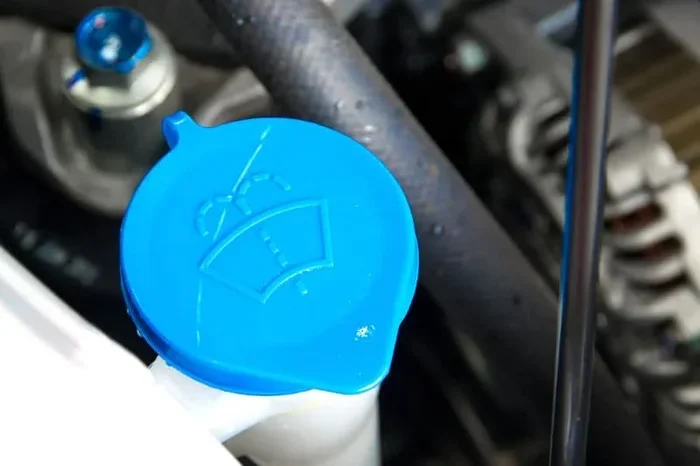
Open your hood and look for the windshield washer fluid reservoir. It usually has a blue or white cap with a windshield wiper symbol on it. The cap is easy to spot, and the reservoir is typically located near the front of the engine bay. If you are not sure where yours is, check your vehicle owner’s manual. It will show you exactly where the fluid reservoir is located.
Step 2: Check the Current Level
Before adding new fluid, check how much is already in the reservoir. Most reservoirs have a minimum and maximum line marked on the side. If the fluid is below the minimum line, it is time to refill. If it is close to the maximum, you can wait.
It is also a good idea to check your car fluid levels while you are at it. Top off your coolant, oil, and brake fluid if needed. A quick fluid check takes only a few extra minutes and helps keep your car in great shape.
Step 3: Pour in the Fluid
Remove the cap and slowly pour in your windshield washer fluid. Do not overfill. Leave a little space at the top to allow for expansion, especially in warm weather. Replace the cap securely when you are done.
Step 4: Test the Spray
Start your car and test the washer spray. Make sure the fluid sprays evenly and reaches the windshield. If the spray is weak or uneven, the nozzle may be clogged. A quick cleaning with a pin or compressed air usually fixes the problem.
Refilling your fluid regularly keeps your windshield clean and your visibility clear. It is a small task that makes a big difference in driving safety. Make it part of your regular maintenance schedule and you will never have to worry about running low.
Common Mistakes People Make With Wiper Fluid
Even though refilling wiper fluid is simple, people still make mistakes that can cause problems. Here are the most common ones to avoid.
Using Water Instead of Washer Fluid
Some people top off their reservoir with plain water instead of actual washer fluid. Water does not clean as well and can freeze in cold weather. It also promotes algae and bacteria growth inside the reservoir and lines. Always use proper windshield washer fluid for the best results and to avoid damage.
Mixing Different Fluid Types
Mixing summer and winter formulas can reduce the effectiveness of both. If you switch seasons, drain the old fluid and refill with the appropriate type. Using the wrong fluid for the season can lead to freezing, poor cleaning, or residue buildup on your windshield.
Overfilling the Reservoir
It might seem like a good idea to fill the reservoir to the brim, but overfilling can cause problems. Fluid expands in warm weather, and an overfilled reservoir can leak or crack. Leave some room at the top and you will avoid this issue.
Ignoring Clogged Nozzles
If your washer spray is weak or uneven, do not ignore it. Clogged nozzles are usually caused by dried fluid or debris. Clean them regularly with a pin or compressed air to keep the spray strong and even.
How Wiper Fluid Cost Compares to Other Car Fluids
Wiper fluid is one of the cheapest car fluids you will buy. Here is how it compares to other common fluids in terms of cost per gallon:
| Fluid Type | Approximate Cost Per Gallon |
|---|---|
| Windshield Washer Fluid (Basic) | $1 – $3 |
| Windshield Washer Fluid (Winter) | $4 – $8 |
| Windshield Washer Fluid (Premium) | $6 – $15 |
| Engine Oil | $4 – $10 |
| Coolant / Antifreeze | $5 – $12 |
| Brake Fluid | $8 – $15 |
| Transmission Fluid | $8 – $20 |
| Power Steering Fluid | $6 – $12 |
As you can see, wiper fluid is the most affordable car fluid by a wide margin. Even the most expensive premium washer fluid costs less than basic brake fluid. This makes it one of the easiest maintenance items to budget for.
For comparison, car side mirror replacement cost can run anywhere from $100 to $500 or more depending on the vehicle. A full year’s supply of wiper fluid costs a fraction of that. Keeping up with simple maintenance like fluid top-offs saves you money in the long run by preventing bigger issues.
Expert Tips for Getting the Most Out of Your Wiper Fluid
Want to stretch your wiper fluid further and get the best results? Here are some expert tips that make a real difference.
- Use distilled water for mixing concentrates: Tap water contains minerals that can leave residue and clog nozzles. Distilled water is pure and prevents buildup.
- Keep a spare bottle in your trunk: Running out of fluid on the road is annoying and potentially dangerous. A spare bottle means you are always prepared.
- Clean your reservoir cap before opening: Dirt and debris around the cap can fall into the fluid and clog the system. A quick wipe before opening keeps things clean.
- Check the fluid level monthly: Make it a habit to check your fluid level once a month. It takes less than a minute and keeps you from getting caught short.
- Switch to winter fluid before the first freeze: Do not wait until the temperature drops. Prepare ahead of time to avoid any freezing issues.
These small habits add up over time. They keep your windshield clean, your visibility clear, and your wallet happy. Simple maintenance routines are the foundation of reliable car ownership.
Frequently Asked Questions
How often should I refill my wiper fluid?
It depends on how much you drive and the conditions you drive in. Most people need to refill every 1 to 3 months. If you drive a lot on dusty or dirty roads, you will use fluid faster. Check the level monthly and top off as needed. Keeping your reservoir full is one of the easiest parts of car maintenance and makes a big difference in visibility.
Can I use wiper fluid year-round in any climate?
In warm climates, standard blue wiper fluid works fine year-round. In cold climates, you should switch to a winter antifreeze formula when temperatures drop below freezing. Using summer fluid in freezing weather can cause the fluid to expand and crack your reservoir. Always match your fluid to the season to avoid costly damage.
Is it OK to mix different brands of wiper fluid?
Yes, mixing different brands of the same type of fluid is generally safe. However, you should avoid mixing summer and winter formulas. The different formulations can cancel each other out or create residue. Stick to one type at a time for the best performance and cleaning results.
How much wiper fluid does a car hold?
Most cars have a windshield washer fluid reservoir that holds between 1 and 2 gallons. Some larger vehicles like SUVs and trucks can hold up to 3 gallons. Check your owner’s manual for the exact capacity of your vehicle. Knowing your fluid capacity helps you buy the right amount and avoid waste.
Can I use rain-x washer fluid instead of regular fluid?
Yes, rain-X washer fluid is a premium option that adds a hydrophobic coating to your windshield. It helps water bead and roll off, improving visibility in rain. You can use it year-round, but it is especially helpful during wet weather. The cost is higher than basic fluid, but many drivers find the improved visibility worth the extra expense.
Why is my wiper fluid warning light on even after I refill?
The warning light may stay on if the fluid level sensor is faulty or if the fluid has not settled properly after refilling. Try driving a short distance and then check the level again. If the light persists, the sensor may need to be replaced. Sometimes a simple reset is all it takes to turn the light off after a refill.
Final Thoughts
The cost of wiper fluid is one of the smallest car maintenance expenses you will face. A basic bottle costs just a few dollars and can last for months. Even premium winter formulas and specialty fluids are affordable compared to most other car fluids and repairs.
What matters most is choosing the right type of fluid for your climate and driving conditions. Using the wrong fluid can lead to freezing, poor cleaning, or even damage to your washer system. Take a few minutes to understand your options and you will always have the right fluid on hand.
Keep your windshield clean, your visibility clear, and your car running well. Wiper fluid may be cheap, but its impact on your safety is priceless. Make it a habit to check and refill regularly, and you will never have to worry about a dirty windshield blocking your view on the road.