Hyundai Sonata Wont Start Try These Fixes to Get Going
A Hyundai Sonata that won’t start can stem from several common causes, including a dead battery, faulty starter motor, or ignition switch problems. This guide walks you through each possible issue with clear, actionable steps to diagnose and fix the problem yourself. You will learn how to identify symptoms, apply proven solutions, and know when to call a professional mechanic.
There are few things more frustrating than turning the key and hearing nothing happen. Your Hyundai Sonata is a reliable vehicle, but even the best cars can refuse to start sometimes. Whether you are heading to work on a cold morning or rushing out for an appointment, a car that will not turn over throws your whole day off track.
The good news is that most starting problems have simple, fixable causes. You do not need to be a professional mechanic to troubleshoot many of these issues. With a little patience and the right guidance, you can often get your Sonata back on the road in no time. This guide covers every common reason a Hyundai Sonata might not start, along with step-by-step fixes you can try at home.
We will walk through each possible cause in plain language. You will learn what to listen for, what to look for, and exactly what steps to take. By the end of this article, you will have a clear picture of what is going on and the confidence to tackle the fix yourself. Let us dive in and get your Sonata running again.
Key Takeaways
- Dead or weak battery is the number one reason a Hyundai Sonata won’t start, especially in cold weather or after long periods of inactivity.
- Clicking sounds with no engine turnover often point to a starter motor or solenoid issue that needs immediate attention.
- Fuel system problems like a clogged fuel filter or failing fuel pump can prevent your Sonata from firing up even when the engine cranks.
- Regular maintenance such as battery terminal cleaning and spark plug replacement can prevent most starting issues before they happen.
- Immobilizer and security system lockouts are common in newer Sonata models and can often be resolved with a simple key fob battery replacement.
- Knowing when to call a mechanic saves time and prevents costly mistakes, especially for complex electrical or internal engine problems.
📑 Table of Contents
Why Your Hyundai Sonata Won’t Start
Understanding the root cause is the first step toward a solution. A Hyundai Sonata that will not start usually falls into one of several common categories. Each category has its own set of symptoms and fixes. Let us break them down so you can narrow things down quickly.
Dead or Weak Battery
The dead battery is the single most common reason any car, including a Hyundai Sonata, will not start. Your battery provides the electrical power needed to turn over the engine. When the battery loses its charge, nothing happens when you turn the key.
Batteries die for many reasons. Cold weather is a major culprit because it slows down the chemical reactions inside the battery. Leaving lights on overnight can drain it completely. And batteries simply wear out over time, typically lasting three to five years. If you notice your Sonata has been slow to crank lately, that is often an early warning sign.
Corrosion on the battery terminals can also prevent a good connection. You might see a white or blue-green powdery substance on the terminals. This buildup blocks the electrical current from flowing properly. Cleaning the terminals with a baking soda and water solution can often restore the connection and solve the problem.
If you have recently replaced your battery and still experience starting trouble, check out this guide on what to do when your car won’t start with a new battery for additional troubleshooting steps.
Faulty Starter Motor
The starter motor is the component that actually cranks your engine when you turn the key. When it fails, your Hyundai Sonata will not turn over at all. You might hear a single loud click or nothing at all when you turn the ignition.
Starter motors wear out over time, especially in vehicles with higher mileage. The solenoid, which is part of the starter system, can also fail independently. A failing starter often gives warning signs before it completely dies. You might notice grinding noises when starting or intermittent starting problems.
Testing the starter motor requires a multimeter to check for electrical continuity. If you are not comfortable with this, a mechanic can test it quickly and inexpensively. Replacing a starter motor is a moderate repair that typically costs between $300 and $500 for parts and labor.
Ignition Switch Problems
The ignition switch is the mechanism you interact with every time you turn your key. It sends electrical signals to the starter and fuel system. When the ignition switch fails, your Sonata may not receive the signal to start.
Ignition switch problems are more common in older Hyundai Sonata models with higher mileage. Symptoms include the engine not cranking even when the key turns, accessories working but the engine not starting, or the key feeling loose or stuck in the ignition.
To test the ignition switch, turn the key to the “ON” position and check if your dashboard lights come on. If they do not, the ignition switch is likely the problem. Replacing an ignition switch is a relatively straightforward repair that most mechanics can handle in under an hour.
Fuel System Issues
Your Hyundai Sonata needs fuel to run, and problems in the fuel system can prevent starting even when the engine cranks normally. The fuel pump, fuel filter, and fuel injectors all play critical roles in delivering fuel to the engine.
A failing fuel pump is one of the more serious causes. You might hear a faint humming sound from the back of the car when you turn the key to “ON.” If you do not hear anything, the fuel pump may be dead. Fuel pumps can fail due to age, contaminated fuel, or running the tank too low too often.
A clogged fuel filter restricts fuel flow to the engine. This is a maintenance item that should be replaced every 30,000 to 60,000 miles. If you have not changed your fuel filter recently, it is worth checking. Fuel injectors can also become clogged over time, preventing proper fuel delivery.
Using poor quality fuel or contaminated gasoline can cause fuel system problems. If you recently filled up at a unfamiliar station and your Sonata will not start, contaminated fuel could be the culprit. In this case, you may need to have the fuel system drained and cleaned by a professional.
Immobilizer and Security System Lockout
Newer Hyundai Sonata models come equipped with an immobilizer system that prevents the engine from starting without the correct key or key fob. This security feature is designed to deter theft, but it can sometimes cause frustrating starting problems for legitimate owners.
The immobilizer system relies on a chip in your key fob or key blade. If the chip is not detected, the car will not start even though everything else seems normal. A dead key fob battery is the most common cause of this issue. Replacing the battery in your key fob often solves the problem immediately.
Sometimes the immobilizer system can become confused after a battery disconnect or a jump start. In these cases, the system may need to be reset. This usually involves turning the key to the “ON” position and waiting for a specific amount of time before attempting to start the engine again.
Some owners also ask whether they can start their RAV4 with their phone, which highlights how modern keyless systems can sometimes create confusion when they do not work as expected.
Common Symptoms of a Hyundai Sonata That Won’t Start
Identifying the specific symptom your Sonata is showing can help you narrow down the cause quickly. Different problems produce different signs, and learning to read them can save you time and money.
Clicking Sound When Turning the Key
A rapid clicking sound when you turn the key usually indicates a weak battery or a poor electrical connection. The starter motor is trying to engage but does not have enough power to turn the engine over. This is one of the most recognizable symptoms of a dead or weak battery.
A single loud click can indicate a different problem, such as a faulty starter motor or a bad starter solenoid. In this case, the electrical signal is reaching the starter, but the starter itself is not functioning properly.
Engine Cranks But Won’t Fire Up
If your Hyundai Sonata cranks normally but the engine will not catch and run, the problem is likely in the fuel or ignition system rather than the battery or starter. This is an important distinction because it changes the diagnostic path entirely.
Common causes for an engine that cranks but will not start include a clogged fuel filter, a failing fuel pump, bad spark plugs, or a problem with the crankshaft position sensor. The crankshaft position sensor tells the engine computer when to fire the spark plugs, and when it fails, the engine will crank but not start.
No Response at All When Turning the Key
Complete silence when you turn the key is a strong indicator of a battery problem. The dashboard lights may also be dim or completely off. This usually means the battery is completely dead or there is a severe connection issue.
However, if your dashboard lights come on but the engine still does not crank, the problem could be with the ignition switch, the neutral safety switch, or the starter motor itself. The neutral safety switch prevents the car from starting unless it is in park or neutral, and a faulty switch can block the starting signal entirely.
Dashboard Warning Lights
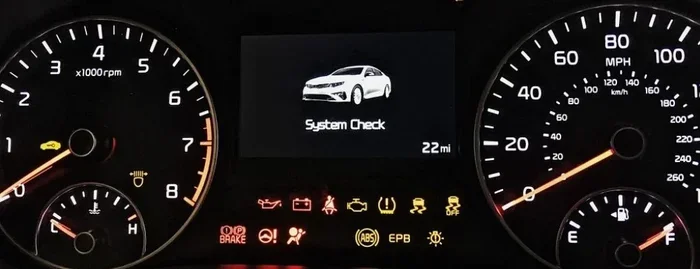
Warning lights on your dashboard can provide valuable clues about why your Sonata will not start. The check engine light, battery warning light, and security system light are all relevant indicators.
A flashing security light often indicates an immobilizer issue. A battery warning light suggests a charging system problem, which could mean your alternator is failing and not recharging the battery properly. A check engine light combined with starting problems could point to sensor failures or other electronic issues.
Step-by-Step Fixes for a Hyundai Sonata That Won’t Start
Now that you understand the common causes and symptoms, let us walk through the fixes. Each fix is designed to be approachable for a DIY enthusiast, with clear instructions you can follow safely.
Fix 1: Check and Replace the Battery
Start with the battery because it is the most common and easiest fix. Here is how to check your battery:
- Open the hood and locate the battery. In most Hyundai Sonata models, the battery is on the right side of the engine bay.
- Inspect the terminals for corrosion. Look for white, blue, or greenish buildup on the posts.
- Use a multimeter to check the voltage. A healthy battery should read 12.6 volts or higher when the engine is off.
- If the voltage is below 12.0 volts, the battery is likely dead and needs charging or replacement.
- Clean the terminals with a wire brush and a mixture of baking soda and water if you see corrosion.
If cleaning the terminals and charging the battery do not solve the problem, it is time for a new battery. Make sure to choose the correct group size and cold cranking amps (CCA) rating for your specific Sonata model year. You can find this information in your owner’s manual or by asking at your local auto parts store.
When installing a new battery, always disconnect the negative terminal first and reconnect it last. This prevents accidental short circuits. If you have recently replaced your battery and are still having issues, you may want to learn more about what to do when your car won’t start with a new battery to explore additional causes.
Fix 2: Test the Starter Motor
If your battery is good but you still hear nothing or just a click when turning the key, the starter motor is the next suspect. Here is how to test it:
- Turn the key to the “ON” position and have someone listen near the engine for a humming sound. This is the fuel pump priming.
- Turn the key to “START.” If you hear a single click but no cranking, the starter solenoid may be faulty.
- Use a multimeter to check for voltage at the starter connector when someone turns the key.
- If voltage is present but the starter does not engage, the starter motor itself needs replacement.
You can also try tapping the starter motor gently with a wrench while someone turns the key. Sometimes a stuck starter can be freed up temporarily this way. However, this is only a temporary fix, and you should plan to replace the starter if it is failing.
Fix 3: Inspect the Ignition Switch
Testing the ignition switch is relatively simple and can often be done without professional help:
- Turn the key to the “ON” position and check if the dashboard lights and radio power on.
- If nothing happens at all, the ignition switch is likely the problem.
- Wiggle the key gently while turning it. If the switch is worn, the key may need to be wiggled to make proper contact.
- Inspect the key for wear or damage. A worn key may not engage the switch properly.
Replacing the ignition switch typically involves removing the steering column cover and swapping out the switch assembly. This is a moderate difficulty repair that most home mechanics can handle with basic tools. If you are unsure, a mechanic can do this quickly and affordably.
How to Test the Ignition Switch
For a more thorough test, you can use a multimeter to check for continuity across the ignition switch terminals. Refer to your Hyundai Sonata service manual for the specific pin locations and expected readings. If there is no continuity in the “START” or “ON” positions, the switch needs to be replaced.
Fix 4: Address Fuel System Problems
If your engine cranks but will not start, the fuel system is the most likely culprit. Here is how to diagnose and address fuel system issues:
- Check the fuel gauge to make sure you actually have fuel. It sounds simple, but gauge malfunctions can give false readings.
- Listen for the fuel pump priming when you turn the key to “ON.” You should hear a brief hum from the rear of the car.
- If you do not hear the fuel pump, check the fuel pump fuse and relay. A blown fuse is an easy and cheap fix.
- Replace the fuel filter if it has not been changed recently. A clogged filter restricts fuel flow.
- Consider using a fuel system cleaner additive if you suspect dirty fuel injectors.
If the fuel pump itself has failed, you will need to replace it. Fuel pump replacement is more involved and typically requires dropping the fuel tank, so it is usually best left to a professional mechanic. The cost typically ranges from $400 to $800 depending on the model year.
Fix 5: Reset the Immobilizer System
If your dashboard shows a security light and your Sonata will not start, the immobilizer system may be locked out. Try these steps to reset it:
- Insert the key and turn it to the “ON” position without starting the engine.
- Wait for 10 to 15 minutes. The security light should stop flashing.
- Turn the key back to “OFF” and wait another 5 seconds.
- Turn the key back to “ON” and then try starting the engine.
- Replace the key fob battery if the problem persists. A fresh CR2032 battery often resolves immobilizer issues.
If none of these steps work, the immobilizer module itself may need professional diagnosis. This is more common after electrical work such as battery replacement or jump starting, which can sometimes confuse the system.
Preventive Maintenance to Avoid Starting Problems
The best way to deal with a Hyundai Sonata that will not start is to prevent the problem from happening in the first place. Regular maintenance goes a long way toward keeping your starting system reliable.
Regular Battery Maintenance
Have your battery tested annually, especially before winter. Most auto parts stores offer free battery testing. Keep the terminals clean and tight, and replace the battery every three to five years before it fails unexpectedly. These simple habits can save you from being stranded with a dead battery.
Keep Your Fuel System Clean
Use quality fuel from reputable stations and consider adding a fuel system cleaner every 10,000 miles. Replace your fuel filter according to the maintenance schedule in your owner’s manual. A clean fuel system ensures reliable fuel delivery every time you turn the key.
Replace Spark Plugs on Schedule
Worn spark plugs can cause starting problems and rough idling. Check your Hyundai Sonata owner’s manual for the recommended spark plug replacement interval, which is typically every 30,000 to 100,000 miles depending on the type of spark plugs installed. Fresh spark plugs ensure reliable ignition and smooth engine operation.
Keep Your Key Fob in Good Shape
Replace your key fob battery at least once a year. A weak key fob battery can cause intermittent starting problems that are frustrating to diagnose. Keep a spare battery in your glove box so you can replace it quickly when needed.
When to Call a Professional Mechanic
While many starting problems can be fixed at home, some situations call for professional help. If you have checked the battery, starter, and fuel system and still cannot identify the problem, it is time to see a mechanic.
Complex electrical issues such as a failing crankshaft position sensor, problems with the engine control module, or internal engine mechanical failures require professional diagnostic equipment and expertise. Attempting to repair these issues without the proper tools and knowledge can lead to costly mistakes.
Also, if your Hyundai Sonata is still under warranty, DIY repairs may void the warranty. In these cases, it is always best to have the dealer or authorized service center handle the diagnosis and repair. They have access to factory diagnostic tools and trained technicians who specialize in your specific model.
If you find yourself stuck and need a jump start but are unsure how to proceed, you can also explore general jump starting guidance. For instance, some owners wonder about jump starting a Toyota hybrid battery or jump starting a Toyota hybrid car for broader context on hybrid starting systems, though your Sonata will follow standard jump start procedures.
Conclusion
A Hyundai Sonata that will not start is a stressful experience, but it is almost always a solvable problem. By working through the common causes systematically, you can usually identify and fix the issue yourself. Start with the simplest possibilities like the battery and work your way up to more complex systems like the fuel pump and immobilizer.
Regular maintenance is your best defense against starting problems. Keep your battery clean, replace spark plugs on schedule, and stay on top of fuel system service. These habits will keep your Sonata reliable for years to come.
Remember that knowing when to call a professional is just as important as knowing how to fix things yourself. Complex electrical and mechanical issues deserve expert attention. With the right approach and a little patience, you will have your Hyundai Sonata back on the road and running smoothly in no time.
Frequently Asked Questions
Why won’t my Hyundai Sonata start even with a new battery?
A new battery does not guarantee a working starting system. The problem could be a faulty starter motor, a bad ignition switch, or an issue with the neutral safety switch. Corroded battery cables or a weak alternator that failed to charge the new battery properly can also cause this. Try checking the connections and having the starter and alternator tested to narrow down the cause.
What does it mean when my Hyundai Sonata cranks but won’t start?
When your engine cranks but will not fire up, the problem is usually in the fuel or ignition system. Common causes include a clogged fuel filter, a failing fuel pump, bad spark plugs, or a faulty crankshaft position sensor. Check your fuel level first, then listen for the fuel pump priming. If the pump is working and you have fuel, the spark plugs or ignition coils are the next likely culprits.
How do I know if my Hyundai Sonata battery is dead or just weak?
A completely dead battery will show no response when you turn the key, and the dashboard lights will be very dim or off. A weak battery will cause slow cranking, where the engine turns over sluggishly but does not catch. Use a multimeter to check the voltage. Anything below 12.0 volts means the battery needs charging or replacement. A load test at an auto parts store can give you a definitive answer.
Can a bad key fob battery prevent my Hyundai Sonata from starting?
Yes, especially in newer Hyundai Sonata models with push-button start and keyless entry. The immobilizer system needs to detect the chip in your key fob to allow the engine to start. A weak or dead key fob battery prevents this detection. Replacing the battery with a fresh CR2032 usually resolves the issue immediately. You can also try holding the key fob directly against the start button, as this can sometimes bypass the weak battery signal.
How much does it cost to fix a Hyundai Sonata that won’t start?
The cost depends entirely on the cause. A battery replacement typically costs $100 to $250. A starter motor replacement runs $300 to $500. An ignition switch replacement is usually $150 to $300. Fuel pump replacement is more expensive at $400 to $800. Ignition system repairs and sensor replacements vary widely. Always get a diagnosis before committing to a repair so you know exactly what you are paying for.
Is it safe to jump start my Hyundai Sonata?
Yes, jump starting is safe when done correctly. Always connect the jumper cables in the proper order: positive to positive, negative to a ground point on the dead car, and then to the good battery. Never let the cable clamps touch each other. If you are unsure about the process, consult your owner’s manual or a professional. For more information on jump starting hybrid systems, you can read about jump starting a Toyota hybrid car to understand general hybrid jump start principles.