How to Replace Subaru Battery Everything You Need to Know
Replacing your Subaru battery is easier than most people think. With the right tools and a little patience, you can save money and skip the trip to the shop. This guide covers everything from recognizing warning signs to completing the swap yourself. You will learn the exact steps, costs, and tips to keep your Subaru battery running strong for years to come.
Your Subaru depends on a healthy battery to start every single day. Without a working car battery, your vehicle sits silent in the driveway. The battery powers the starter motor, lights, and all electronics when the engine is off. Most drivers take their battery for granted until something goes wrong.
A dead battery leaves you stranded, especially in cold weather. Understanding how your battery works helps you stay ahead of problems and avoid surprises. The average battery life for a Subaru ranges from three to five years. However, driving habits and climate play a big role in how long it lasts.
Hot weather and short trips can shorten that timeline significantly. Regular Subaru maintenance includes checking your battery at every service visit. A simple test at the shop takes only a few minutes. It can alert you to problems before they leave you stuck on the side of the road.
Key Takeaways
- Know the Warning Signs: Recognizing a failing battery early saves you from unexpected breakdowns
- Gather the Right Tools: A few basic items make the replacement process smooth and safe
- Follow Step-by-Step Instructions: Our detailed guide walks you through every stage of the swap
- Understand the Costs: Knowing what to expect helps you budget for your Subaru battery replacement
- Avoid Common Mistakes: Simple errors can damage your vehicle or shorten battery life
- Extend Battery Life: Expert tips help you get the most miles out of your new battery
📑 Table of Contents
- Why Your Subaru Battery Matters
- Signs Your Subaru Battery Needs Replacement
- Tools and Materials You Will Need
- Step-by-Step Subaru Battery Replacement Guide
- How Much Does It Cost to Replace a Subaru Battery?
- Common Mistakes to Avoid During Battery Replacement
- Expert Tips for Extending Your Subaru Battery Life
- When to Call a Professional for Help
- Conclusion
Why Your Subaru Battery Matters
Every Subaru uses a standard 12-volt lead-acid battery. This battery creates electrical energy through a chemical reaction between lead plates and battery acid. The reaction produces the power you need to turn the key and hit the road.
The cold cranking amps rating tells you how well the battery starts your engine in cold weather. Subaru models like the Forester and Outback need reliable starting power year-round. Living in colder regions means you need a battery with higher cold cranking amps to handle freezing temperatures.
The battery also stabilizes voltage across the entire electrical system. When the alternator cannot keep up, the battery picks up the slack. This is why a healthy battery is essential for overall battery health and smooth vehicle operation.
How Batteries Work in Subarus
The battery provides the initial electrical surge to crank the engine. Once the engine runs, the alternator takes over and recharges the battery. This cycle repeats every time you drive. If the alternator fails, the battery alone cannot sustain the electrical load for long.
Subaru batteries are designed to handle the specific electrical demands of each model. The battery size and group number vary depending on the engine and trim level. Always check your owner manual to confirm the correct specifications for your vehicle.
Signs Your Subaru Battery Needs Replacement
Spotting the warning signs early gives you time to plan your Subaru battery replacement. You do not want to discover a dead battery when you are already running late for work or an appointment.
Slow Engine Crank
When you turn the key and the engine turns over slowly, pay attention. This is one of the first signs of a weakening battery. Battery drain reduces the power available to the starter motor. A healthy battery should crank the engine quickly and confidently.
If you notice a sluggish start, do not ignore it. Early action prevents a total failure on a busy morning. The longer you wait, the more likely you are to face a complete battery failure at the worst possible moment.
Dashboard Warning Lights
Modern Subarus display warning lights on the dashboard. The battery-shaped icon signals a charging problem. Do not wait for this light to come on before checking your battery condition.
Other lights like the check engine indicator can also point to battery issues. Always get a professional diagnosis when warning lights appear. Clearing codes and resetting systems sometimes helps, but the root cause needs proper attention.
Corrosion and Physical Damage
Look at your battery terminals regularly. White or blue powdery buildup signals corrosion. This residue blocks the electrical connection between the battery and battery cables. Corrosion buildup worsens over time and can eventually prevent your car from starting.
Swelling or cracking of the battery case also demands immediate attention. Extreme temperatures cause the battery acid inside to expand and contract. Over time, this weakens the case and reduces overall performance. A damaged case should never be ignored.
Electrical Issues and Dim Lights
Flickering headlights or dim dashboard lights often signal a weak battery. The battery cannot supply enough power to run all electrical systems properly. You may also notice slow power window operation or a dimming radio display.
These subtle signs are easy to overlook but they matter. They indicate that your battery health is declining. Getting a battery test takes only a few minutes at most auto parts stores and service centers.
Tools and Materials You Will Need
Gathering everything before you start makes the replacement process much smoother. You do not want to pause halfway through searching for a missing tool or supply.
Essential Tools for the Job
- Wrench set: A combination wrench set handles most battery terminal bolts with ease
- Battery terminal cleaner: This tool removes corrosion from the battery posts effectively
- Wire brush: A small wire brush cleans corroded terminals and cable ends
- Battery hold-down strap: The battery hold-down keeps the battery secure during driving
- Anti-corrosion spray: This protects new terminals from future buildup and extends connection life
- Gloves and safety glasses: Battery acid can cause serious burns on skin and eyes
Choosing the Right Replacement Battery
Not all batteries fit every Subaru model. Check your owner manual for the correct battery size and battery group number. Using the wrong battery can cause fitting and performance issues that cost you time and money.
Consider the cold cranking amps rating for your local climate. Subarus sold in colder regions often come with higher CCA batteries from the factory. Matching the original specifications ensures reliable starting power in all seasons.
Also check whether your new battery includes a warranty. Many quality batteries come with three to five year battery warranties. This protection gives you peace of mind after the Subaru battery replacement and covers defects or premature failure.
Step-by-Step Subaru Battery Replacement Guide
Following a clear process keeps you safe and ensures a proper electrical connection every time. Here is how to complete the job right from start to finish.
Step 1: Safety First
Park your Subaru on a flat surface and turn off the engine completely. Remove the keys from the ignition to prevent any accidental starts. Work in a well-ventilated area away from open flames or sparks.
Put on your gloves and safety glasses before touching anything near the battery. Battery acid and sparks can both cause serious injuries. Never smoke or use any open flames near the battery compartment. These simple precautions protect you throughout the entire process.
Step 2: Locate the Battery
Open the hood and find the battery. In most Subaru models, the battery sits in the engine bay on the left side. Some newer models place it under a plastic cover or even in the trunk area.
For Subaru models like the GR86 and BRZ, the battery location may differ from the Forester or Outback. Always consult your owner manual for the exact location in your specific model. Knowing where to look saves you time and frustration.
Step 3: Disconnect the Old Battery
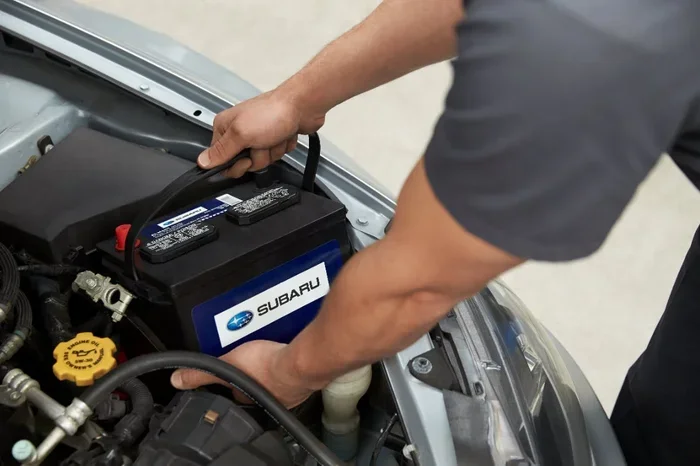
Start by disconnecting the negative terminal first. This is the black cable and it prevents accidental short circuits. Use your wrench to loosen the nut on the negative cable clamp carefully.
Once loose, gently pull the cable off the terminal. Then disconnect the positive terminal using the same method. The positive terminal is the red cable. Remove the battery hold-down strap or bracket that secures the battery in place.
Lift the old battery straight out of the tray. Batteries weigh around 40 pounds, so use proper lifting technique to protect your back. Place the old battery in a safe, sturdy container for responsible recycling at an auto parts store.
Step 4: Clean and Prepare the Area
Inspect the battery tray for any signs of corrosion or physical damage. Use your wire brush and battery terminal cleaner to scrub the cable ends thoroughly. Clean terminals ensure a strong electrical connection with the new battery.
Apply a thin layer of anti-corrosion spray to the new terminal posts before installation. This simple step prevents future buildup and extends the life of your new battery significantly. A little preparation goes a long way toward reliable performance.
Step 5: Install the New Battery
Place the new battery into the tray, matching the positive and negative terminals to the correct cable positions. The positive terminal connects to the red cable, and the negative connects to the black cable. Getting this right is critical for safe operation.
Secure the battery hold-down strap tightly. A loose battery vibrates during driving and can damage terminals over time. Double-check that the battery sits flat and stable in the tray before moving on to the next step.
Connect the positive terminal first, then the negative terminal. Tighten the clamps firmly but do not overtighten. A snug connection prevents electrical resistance and starting problems. Overtightening can crack the terminal posts and create new problems.
Step 6: Test Everything
Start your Subaru and listen for a quick, confident crank. Check that all lights, the radio, and climate controls work properly. A new battery should power everything without hesitation or delay.
If your vehicle has a battery monitor or voltage display, check the reading. A healthy battery shows around 12.6 volts when the engine is off. When the engine runs, the alternator should bring this up to 13.5 to 14.5 volts. These numbers confirm that everything is working as it should.
How Much Does It Cost to Replace a Subaru Battery?
The total cost depends on several factors including battery brand, model, and where you live. The battery itself ranges from 100 to 300 dollars depending on the Subaru model and battery quality. Premium batteries with longer warranties cost more upfront but save money over time.
Labor costs vary widely depending on where you go. If you visit a dealership or service shop, you pay for the technician’s time and expertise. On average, mechanics charge what most mechanics make per hour, which adds 50 to 100 dollars to the total cost. Doing it yourself eliminates this labor expense entirely.
Additional costs may include disposal fees for the old battery and anti-corrosion supplies. Some shops include disposal in their service price automatically. Always ask for a full breakdown before authorizing any work so there are no surprises.
Compare the cost of a new battery against keeping your car running for many more years. A quality Subaru battery replacement costs far less than any other major repair. For perspective, even a brand new car costs thousands more than a simple battery swap.
Common Mistakes to Avoid During Battery Replacement
Even simple jobs go wrong when you skip steps or rush through the process. Knowing what to avoid saves you time, money, and unnecessary frustration.
Disconnecting the Positive Terminal First
Always disconnect the negative terminal first. Removing the positive terminal first creates a serious risk of short circuits. If your wrench touches metal while the positive cable is still connected, you can spark and damage sensitive electrical components.
This mistake can fry fuses, damage the ECU, or even cause burns. Always follow the negative-first rule every single time. It is a small habit that prevents big problems.
Forgetting to Reset Electronics
Your Subaru stores important settings in its computer memory. After a battery swap, you may need to reset the clock, radio presets, and power window calibration. Some models also require a battery registration procedure at a dealership or with a compatible scan tool.
Taking a few extra minutes to reset everything saves confusion later. Write down your presets before starting the replacement so you can restore them quickly and easily.
Using the Wrong Battery Size
Installing a battery with the wrong group number or physical size causes fitment problems. The terminals may not align correctly with the cables. The battery may not fit securely in the tray, leading to dangerous vibration damage over time.
Always double-check the specifications before purchasing a replacement. The correct battery size ensures a perfect fit and reliable electrical connection every time you start your Subaru.
Ignoring Corrosion on the New Battery
Even brand-new batteries can show corrosion on terminals right out of the box. Inspect the battery carefully before installing it. Clean any buildup with a wire brush to ensure a clean, strong connection from day one.
This simple inspection takes only a minute but prevents connection issues that could leave you stranded. Do not assume a new battery is ready to go straight out of the package.
Expert Tips for Extending Your Subaru Battery Life
A new battery lasts longer when you follow a few smart daily habits. These simple practices protect your investment and keep your Subaru starting reliably every single morning.
Take Longer Drives When Possible
Short trips do not give your alternator enough time to fully recharge the battery. Battery drain accumulates over multiple short drives and slowly weakens the cells. Whenever you can, take a longer drive to replenish the charge fully.
A 20 to 30 minute drive at highway speed is ideal for recharging. If your daily routine only includes short trips, consider a periodic longer drive on weekends. Your battery will thank you for the extra charging time.
Keep the Battery Clean and Secure
Regularly wipe down the battery terminals and surrounding area with a damp cloth. Clean terminals maintain strong electrical connections and prevent corrosion buildup. A clean battery also makes future inspections and Subaru maintenance much easier.
Check the battery hold-down strap periodically to ensure it remains tight. A secure battery prevents vibration damage and extends the overall lifespan of both the battery and the tray.
Use a Battery Tender for Long-Term Storage
If you store your Subaru for extended periods, use a battery tender or trickle charger. This device maintains a low, steady charge without overcharging the cells. It is especially helpful for seasonal vehicles or cars parked in garages for weeks at a time.
A battery tender costs very little and pays for itself many times over. It prevents the deep discharge that kills batteries during long periods of inactivity. This is one of the easiest ways to protect your battery investment.
Check the Charging System Regularly
A failing alternator puts extra strain on the battery and shortens its life significantly. Have your charging system tested at every oil change or scheduled service visit. Catching alternator problems early prevents premature battery failure and saves you from unexpected breakdowns.
For more information on how long your Subaru can reliably serve you with proper care, check out how many miles a car can last when you maintain it well.
When to Call a Professional for Help
Some situations call for expert help rather than a DIY approach. If your Subaru has complex electrical systems or the battery sits in an awkward location, a professional mechanic may be the better choice for your situation.
Many dealerships offer free battery testing during routine service visits. They can confirm whether your battery truly needs replacement or if another issue causes starting problems. Trust your instincts and do not hesitate to seek help when something feels off or unfamiliar.
A trained technician has the right tools and experience to handle tricky battery replacements safely. They can also register the new battery in your Subaru’s computer system if needed. Sometimes paying a little extra for professional service gives you complete peace of mind.
Conclusion
Replacing your Subaru battery does not have to be intimidating or expensive. With the right knowledge, basic tools, and a little confidence, you can complete the job yourself and save real money. How to Replace Subaru Battery becomes straightforward once you understand each step of the process clearly.
Remember to choose the correct battery size for your model, follow all safety precautions, and clean all connections before installing the new unit. Your new battery should deliver reliable starting power for years to come. Keep these tips in mind, and your Subaru will start every time you turn the key without fail.
Take action today and enjoy the satisfaction of handling your own Subaru battery replacement like a seasoned pro. Your wallet and your car will both benefit from your effort and attention to detail.
Frequently Asked Questions
How long does a Subaru battery typically last?
Most Subaru batteries last between three and five years. Driving habits, climate, and how often you drive all affect battery life. Regular testing helps you catch a weakening battery before it fails completely and leaves you stranded.
Can I replace my Subaru battery myself?
Yes, most Subaru owners can replace their battery with basic tools and this guide. The process takes about 30 minutes for experienced DIYers. If you feel unsure at any point, a local mechanic or dealership can handle the replacement quickly and safely.
What size battery does my Subaru need?
Battery size varies by Subaru model and engine type. Check your owner manual for the correct group number and physical dimensions. Using the wrong size battery can cause fitment problems and performance issues that cost you time and money.
How do I know if my Subaru battery is dying?
Common signs include slow engine cranking, dim headlights, dashboard warning lights, and white or blue corrosion on the terminals. If you notice any of these symptoms, have your battery tested as soon as possible to avoid being caught off guard.
Does cold weather affect Subaru battery performance?
Yes, cold weather reduces battery efficiency significantly. The chemical reactions inside the battery slow down in low temperatures. This is why cold cranking amps ratings matter so much, especially for drivers living in colder climates and regions.
Is it safe to touch battery terminals with bare hands?
No, always wear protective gloves when handling batteries. Battery acid and corrosion can irritate or burn your skin. Safety glasses also protect your eyes from any splashing during the replacement process and keep you safe throughout the job.