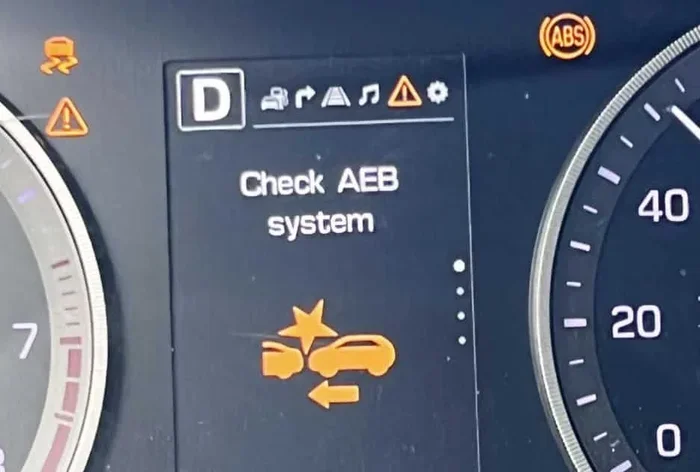
How to Reset the Hyundai AEB System in Just Minutes
Resetting your Hyundai AEB system is simpler than you think and takes just a few minutes. This guide walks you through every step to restore your autonomous emergency braking after a fault or warning light. You will learn the common causes, the reset process, and how to prevent future issues with your Hyundai safety features.
Have you ever been driving your Hyundai and suddenly seen a warning light pop up on your dashboard? It can be scary, especially when that light is tied to your safety systems. The Hyundai AEB system is one of the most important features in your vehicle. It helps prevent crashes by automatically applying the brakes when it detects a potential collision.
When the AEB light comes on, it means something needs attention. The good news is that you can often fix this yourself. This guide will show you exactly how to reset the Hyundai AEB system in just a few minutes. No expensive trips to the dealer are needed for most resets. Let us walk through this together so you can get back on the road with confidence.
Whether you drive a Hyundai Sonata, Tucson, or another model, the AEB reset process is very similar. We will cover everything from understanding what the system does to the actual reset steps. By the end of this article, you will feel completely comfortable handling this common maintenance task on your own.
Key Takeaways
- Easy Reset Process: You can reset the Hyundai AEB system at home with basic tools and a few simple steps.
- Common Causes Identified: Understanding why the AEB light comes on helps you fix the root problem fast.
- Safety First: Always follow safety precautions before attempting any reset on your Hyundai vehicle.
- Prevention Tips: Regular maintenance keeps your AEB system working reliably for years to come.
- Professional Help: Some AEB issues need a certified technician, and knowing when to seek help saves time and money.
📑 Table of Contents
What Is the Hyundai AEB System?
The AEB system stands for Autonomous Emergency Braking. It is a smart safety feature built into modern Hyundai vehicles. The system uses sensors and cameras to watch the road ahead. When it detects that a crash might happen, it can apply the brakes automatically. This happens faster than any human could react.
Hyundai has made this system standard on most of their newer models. It works at both low speeds in city traffic and at higher speeds on highways. The AEB system is part of a bigger group of safety features called ADAS. This stands for Advanced Driver Assistance Systems.
Here are the key parts of the Hyundai AEB system:
- Front-facing camera: Mounted near the rearview mirror to see the road ahead.
- Radar sensors: Located in the front bumper to measure distance to other vehicles.
- Control module: The brain that processes all the sensor data and decides when to brake.
- Brake actuator: The part that actually applies the brakes when needed.
All of these parts work together seamlessly. When one part has a problem, the whole system can shut down. That is when the warning light appears on your dashboard. Knowing this helps you understand why a reset might be needed.
Why You Might Need to Reset the Hyundai AEB System
There are several reasons your AEB system might need a reset. Understanding these causes helps you fix the problem the right way. Sometimes the issue is very simple. Other times, it points to something that needs more attention.
Common Reasons the AEB Light Comes On
The AEB warning light can turn on for many different reasons. Here are the most common ones:
- Sensor blockage: Dirt, snow, or debris can cover the front sensors. This makes them unable to see the road clearly.
- Low battery voltage: A weak car battery can cause the AEB system to malfunction. This is similar to how a bad battery can cause the wrench light to come on.
- Camera misalignment: After a windshield replacement or minor accident, the camera may shift out of position.
- Electrical glitch: Sometimes a simple software glitch causes the system to throw a false warning.
- Dirty air filter issues: A clogged cabin air filter can affect sensor performance in some cases, which is why keeping up with general maintenance matters.
When any of these things happen, the AEB system goes into a protective mode. It shuts itself off until the problem is fixed and the system is reset. This is actually a smart safety design. The car does not want to rely on a system that might not work properly.
Is It Safe to Drive with the AEB Light On?
This is a very important question. The short answer is: be careful. With the AEB light on, your automatic braking feature is disabled. You still have normal manual braking. So you can still stop the car when you press the brake pedal. But the extra safety net of automatic braking is gone.
Try to drive more cautiously until you can reset the system. Keep more distance between you and the car ahead. Avoid driving in heavy traffic if possible. Once you complete the reset, your AEB system will be fully active again and you can drive with full confidence.
How to Reset the Hyundai AEB System in Just Minutes
Now let us get to the main part. Resetting the Hyundai AEB system is a straightforward process. You do not need special tools or advanced mechanical skills. Follow these steps carefully and your system should be back to normal in no time.
Step 1: Turn Off the Engine
First, park your Hyundai on a flat, safe surface. Turn off the engine and remove the key from the ignition. This ensures no power is flowing through the system during the reset. Wait about 30 seconds before moving to the next step. This gives the control module time to fully power down.
Step 2: Locate the OBD-II Port
Every Hyundai has an OBD-II diagnostic port. This is where you plug in a scanner tool. The port is usually located under the dashboard on the driver side. It is a small rectangular shape with a trapezoid-shaped slot. You might need to look closely because it can be hidden behind a small cover or flap.
Once you find the port, plug your OBD-II scanner into it. You can buy a basic scanner at any auto parts store for under 30 dollars. Some people also use a compatible app on their phone with a Bluetooth adapter.
Step 3: Turn the Ignition to the On Position
Do not start the engine yet. Instead, turn the key to the “On” position or press the start button without pressing the brake pedal. This powers up the car’s electrical systems without running the engine. Your OBD-II scanner should light up and connect to the vehicle’s computer.
Step 4: Read the Error Codes
Before you reset anything, read the error codes first. The scanner will display codes related to the AEB system. Write these codes down or take a photo with your phone. These codes tell you exactly what caused the problem. Common AEB codes include C1000 for camera issues and C1020 for radar sensor problems.
Knowing the codes helps you understand if the reset will actually fix the issue. If the code points to a physical problem like a broken sensor, a simple reset will not solve it. You would need to replace the part first.
Step 5: Clear the Error Codes
Now comes the actual reset. On your OBD-II scanner, select the option to clear or erase the stored codes. Follow the on-screen instructions on the scanner. The process usually takes just a few seconds. Once the codes are cleared, the AEB warning light on your dashboard should turn off.
Some Hyundai models also allow you to reset the AEB system without a scanner. For these models, you can try turning the ignition off, waiting 60 seconds, and then turning it back on. This soft reset works for minor glitches and electrical issues.
Step 6: Start the Engine and Test
After clearing the codes, start the engine normally. Watch the dashboard for the AEB warning light. If the light stays off, the reset was successful. Now it is time to test the system. Find a safe, empty area and slowly approach a stationary object. The AEB system should warn you and, if needed, apply the brakes automatically.
If the light comes back on immediately, there is a deeper issue that needs professional attention. But in most cases, the reset works perfectly and your system is back to full operation.
Common AEB System Problems and Solutions
Even after a reset, some AEB problems can come back. Understanding these recurring issues helps you address them properly. Here are the most common problems and how to fix them.
| Problem | Likely Cause | Solution |
|---|---|---|
| AEB light returns after reset | Physical sensor damage or blockage | Clean sensors or replace damaged parts |
| AEB warning at low speeds only | Dirty front bumper sensors | Clean sensor area with a soft cloth |
| AEB does not activate at all | Camera misalignment after windshield work | Recalibrate the camera at a dealership |
| Intermittent AEB warnings | Low battery voltage or wiring issue | Check battery health and inspect wiring |
| AEB light on after tire rotation | Wheel speed sensor temporary confusion | Reset the system and drive 10 miles |
As you can see, most AEB issues have simple solutions. Keeping your sensors clean and your battery healthy goes a long way. Think of it like maintaining any other part of your car. Regular attention prevents bigger problems later.
Quick Tips for AEB System Health
- Keep the front bumper area clean, especially after driving in snow or mud.
- Check your battery voltage regularly. A healthy battery is between 12.4 and 12.6 volts.
- Get your AEB sensors inspected during every oil change.
- Never place objects on the dashboard near the camera area.
- After any front-end work, ask the technician to check the AEB calibration.
Preventing Future AEB System Issues
The best way to deal with AEB problems is to prevent them from happening in the first place. A little regular maintenance goes a long way toward keeping your Hyundai safety systems working perfectly.
Regular Maintenance Schedule
Follow your Hyundai owner manual for the recommended maintenance schedule. Here are the key things to do:
- Clean the front sensors monthly: Use a soft, damp cloth to wipe the sensor area on the front bumper. Remove any dirt, mud, or ice buildup.
- Check the battery every 6 months: A weak battery is one of the top causes of AEB warnings. If your battery is more than 3 years old, have it tested regularly.
- Replace air filters on schedule: A dirty air filter can cause engine issues that indirectly affect electronic systems. Keep your filters fresh.
- Update software when available: Hyundai sometimes releases software updates that improve AEB performance. Ask your dealer about available updates.
- Inspect after any collision: Even a minor fender bender can knock sensors out of alignment. Always get a full inspection after any accident.
These simple habits keep your AEB system in top shape. They also help you avoid the stress of unexpected warning lights on your dashboard.
How Often Should You Reset the AEB System?
You should not need to reset the AEB system regularly. A reset is only needed when the warning light comes on due to a temporary issue. If you find yourself resetting the system frequently, that is a sign of a deeper problem. In that case, take your Hyundai to a certified technician for a full diagnosis.
Think of the AEB reset like resetting your phone when it freezes. You do it when something goes wrong. You do not do it every day because that would be unnecessary. The same logic applies to your vehicle’s safety systems.
When to Seek Professional Help
Most AEB resets are simple and can be done at home. However, there are times when professional help is the right choice. Knowing the difference saves you time, money, and keeps you safe on the road.
You should see a professional if any of these situations apply to you:
- The AEB light comes back immediately after a reset.
- The OBD-II scanner shows a code for a physical sensor failure.
- You have had a front-end collision or even a minor bumper impact.
- The AEB system activates randomly without any reason.
- You notice other warning lights on the dashboard along with the AEB light.
Certified Hyundai technicians have specialized tools for AEB calibration and diagnostics. They can run deep system checks that go beyond what a basic scanner can do. If you are unsure about any step in the reset process, it is always okay to visit a professional. There is no shame in asking for help with your car’s safety systems.
Many dealerships also offer free AEB system checks as part of routine service visits. It is worth asking about this when you bring your Hyundai in for an oil change or other maintenance. Prevention is always better and cheaper than repair.
Final Thoughts on Resetting Your Hyundai AEB System
Resetting the Hyundai AEB system does not have to be intimidating. With the right knowledge and a basic OBD-II scanner, you can handle this task yourself in minutes. The key is understanding why the warning light came on in the first place and then following the reset steps carefully.
Remember to always prioritize safety. If the reset does not work or if the light keeps coming back, seek professional help. Your AEB system is one of the most valuable safety features in your Hyundai. Keeping it in good working order protects you and everyone on the road around you.
Now that you know how to reset the Hyundai AEB system, you are better prepared to handle this situation if it ever comes up. Share this guide with fellow Hyundai owners who might benefit from it. A little knowledge goes a long way toward keeping your car running safely and smoothly for years to come.
Frequently Asked Questions
Can I reset the Hyundai AEB system without a scanner tool?
Yes, for some Hyundai models you can perform a soft reset by turning the ignition off, waiting 60 seconds, and turning it back on. However, an OBD-II scanner gives you more control and lets you read error codes first. This helps you understand the actual cause of the problem before resetting.
How long does it take to reset the Hyundai AEB system?
A full reset takes about 5 to 10 minutes. Reading the error codes with a scanner takes 1 to 2 minutes. Clearing the codes takes just a few seconds. The remaining time is spent starting the engine and testing the system to confirm the reset worked.
Why does my Hyundai AEB light keep coming back after a reset?
If the AEB light returns after a reset, it usually means there is a physical problem that the reset cannot fix. Common causes include dirty sensors, a failing camera, or a damaged radar sensor in the front bumper. You will need to clean or replace the faulty part before the reset will hold.
Is it safe to drive my Hyundai if the AEB light is on?
Yes, it is safe but you should drive more carefully. The AEB light means the automatic braking feature is disabled. You can still brake manually using the brake pedal. Just keep more distance from the vehicle ahead and stay alert. Once you reset the system, full automatic braking will be restored.
Can a low battery cause the Hyundai AEB warning light to come on?
Absolutely. A weak or dying battery is one of the most common reasons the AEB light turns on. The AEB system needs stable electrical power to operate correctly. If your battery voltage drops below normal levels, it can trigger the warning light and cause the system to shut down temporarily.
Do I need to take my Hyundai to the dealer to reset the AEB system?
No, you do not need to visit the dealer for a basic AEB reset. You can do it at home with an OBD-II scanner. However, if the reset does not work or if the system has a physical problem, a dealer or certified mechanic has the advanced tools needed for proper diagnosis and calibration.
=== CONCLUSION ===
Resetting your Hyundai AEB system is a task you can absolutely handle on your own. The process is straightforward, takes just minutes, and requires only a basic OBD-II scanner. By following the steps in this guide, you can clear the AEB warning light and restore your vehicle’s automatic emergency braking capability. Remember to address the root cause of the warning, keep your sensors clean, and maintain your battery health. Your AEB system is a vital part of your Hyundai’s safety features. Taking care of it means taking care of yourself and your passengers on every drive.