How to Open a Fuel Door Manually When Nothing Works
A stuck fuel door can leave you stranded at the worst possible moment. Knowing how to open a fuel door manually saves time, money, and stress. This guide walks you through every method, from simple tricks to emergency fixes. You will learn what causes fuel doors to jam, the tools you need, and when to call for help.
There is nothing more frustrating than pulling up to the gas station and realizing your fuel door will not open. You press the button. Nothing happens. You try the lever inside the car. Still nothing. Your fuel door is stuck, and you need gas. This situation happens more often than you might think, and it can happen to any driver at any time.
The good news is that you do not need to call a tow truck every time this happens. Most fuel door problems can be solved with a few simple tools and some basic know-how. Opening a fuel door manually is a skill every driver should have in their back pocket. It takes just a few minutes, and it can save you a lot of hassle. In this guide, we will walk you through every method, from the easiest trick to more advanced manual access techniques. We will also cover what causes fuel doors to get stuck in the first place, so you can avoid the problem in the future.
Whether your fuel door is stuck because of a broken actuator, a frozen latch, or a worn-out spring, we have you covered. Let us dive in and get you back on the road.
Key Takeaways
- Multiple manual methods work: You can use a flat tool, the emergency release, or even a key to open a stuck fuel door.
- Common causes include electrical failure and mechanical wear: Understanding the root cause helps you pick the right fix.
- Safety always comes first: Never force a fuel door open, and always work in a well-ventilated area away from open flames.
- Prevention is simple: Regular maintenance and gentle use can prevent most fuel door problems.
- Know when to call a pro: Some situations require a trained technician, and attempting risky DIY fixes can cause more damage.
- Keep basic tools in your car: A flathead screwdriver and flashlight can make a big difference in an emergency.
📑 Table of Contents
Why Your Fuel Door Gets Stuck
Before we get into the fixes, it helps to understand why fuel doors get stuck in the first place. A fuel door is a simple mechanical device, but like anything on your car, it can fail over time. Here are the most common reasons a fuel door stops working.
Electrical Failures in the Fuel Door Mechanism
Most modern cars have an electric motor or actuator that opens the fuel door when you press the button. If the wiring gets corroded, the motor burns out, or the fuse blows, the fuel door will not respond. This is one of the most common reasons drivers find themselves needing a manual fuel door release. Electrical issues can happen after a battery replacement, after exposure to moisture, or simply from old age. If your fuel door button does nothing at all, the problem is likely electrical.
Mechanical Wear and Tear
Over time, the physical parts of the fuel door can wear out. The hinge can rust, the latch can become stiff, and the spring that keeps the door flush can weaken. In cold weather, moisture inside the mechanism can freeze, making the door impossible to open. Just like how a dirty air filter can cause your car to overheat by restricting airflow, a clogged or corroded fuel door mechanism can restrict movement and cause the door to jam. Regular use and exposure to road salt, rain, and dirt all contribute to this wear.
Cables and Linkage Problems
Some vehicles use a cable system to connect the interior release lever to the fuel door latch. If this cable stretches, frays, or disconnects, the interior lever will do nothing. This is a common issue in older vehicles or cars with high mileage. The cable can also get pinched or damaged during a car wash or if something hits the undercarriage of the vehicle.
Tools and Supplies You Will Need
Before you start trying to open your fuel door manually, gather the right tools. Having everything ready will make the process faster and safer. You do not need anything fancy, but a few basic items will make a big difference.
Basic Tools for Manual Fuel Door Access
Here is what you should have in your toolkit before attempting a manual fuel door release:
- Flathead screwdriver: This is your most important tool for prying open a stuck fuel door latch.
- Flashlight: You need to see inside the gap around the fuel door to locate the latch mechanism.
- Needle-nose pliers: These help you grip small parts or cables that may be stuck.
- Rubber mallet: A gentle tap can loosen a frozen latch without damaging the surrounding body panel.
- Silicone spray lubricant: This helps loosen rusted or stiff mechanisms without causing damage.
- Warm water and a towel: If the door is frozen, warm water can thaw the ice safely.
Safety Equipment to Have Ready
Working around the fuel system of your car requires caution. Always keep these safety items in mind:
- Work in a well-ventilated area away from any open flames or sparks.
- Make sure your engine is off and the ignition key is removed.
- Wear gloves to protect your hands from sharp edges and fuel residue.
- Keep a fire extinguisher nearby if you are working near the gas tank area.
- Never use excessive force. If something does not move, stop and reassess your approach.
Step-by-Step: How to Open a Fuel Door Manually
Now that you understand why your fuel door is stuck and you have your tools ready, let us walk through the actual process. Follow these steps carefully, and you should be able to access your gas tank without calling for help.
Step 1: Locate the Emergency Release
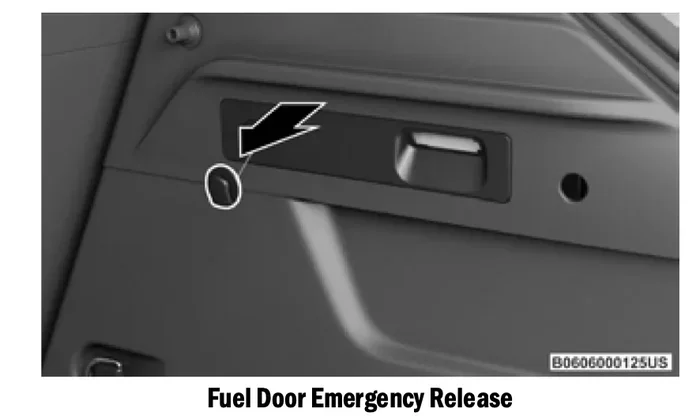
Most vehicles have an emergency release for the fuel door. This is usually a small lever or tab located near the driver’s seat, under the dashboard, or on the side of the trunk interior. Check your owner’s manual to find the exact location for your specific vehicle. Pull or release this lever while someone else tries the fuel door button from outside. In many cases, this is all it takes to free a stuck fuel door latch.
Step 2: Use a Flat Tool to Release the Latch
If the emergency release does not work, you can try manually releasing the latch from outside the vehicle. Look for a small gap between the fuel door and the body of the car. Insert a flathead screwdriver or a thin, flat tool into this gap. Gently pry upward or sideways, depending on your vehicle’s latch design. You should feel the latch release with a click. Be careful not to scratch the paint or damage the surrounding body panel.
Step 3: Deal with a Jammed Fuel Door Hinge
Sometimes the problem is not the latch but the hinge itself. If the hinge is rusted or bent, the door may not move at all, even if the latch is released. In this case, apply silicone spray to the hinge and let it sit for a few minutes. Gently try to move the door by hand. If it still does not budge, use a rubber mallet to tap the door lightly from the outside. The goal is to loosen the hinge without bending or breaking it. Patience is key here. Forcing a stuck hinge can cause more damage and lead to expensive fuel door repair costs.
Step 4: Check the Cable Connection
If your vehicle uses a cable system, the issue might be a disconnected or frayed cable. You may need to look under the trim panel near the driver’s seat to access the cable. Use needle-nose pliers to check if the cable is still attached to the fuel door latch. If it has come loose, reattach it carefully. If the cable is frayed or broken, you will need to replace it. This is a more advanced fix, and if you are not comfortable doing it yourself, it is time to call a professional.
Step 5: Apply Heat for Frozen Mechanisms
In cold weather, ice can form inside the fuel door mechanism and prevent it from opening. Apply warm (not hot) water to the edges of the fuel door to melt the ice. You can also use a hair dryer if you have one available. Once the ice melts, try opening the door again. Never use boiling water, as the sudden temperature change can damage the paint and surrounding components. After thawing, apply a thin layer of silicone spray to prevent future freezing.
Common Mistakes That Make Fuel Door Problems Worse
When you are trying to open a stuck fuel door, it is easy to make mistakes that turn a simple fix into a bigger problem. Here are the most common errors drivers make and how to avoid them.
Forcing the Door Open
The biggest mistake is using too much force. If the door does not move with gentle pressure, stop and figure out why. Forcing a stuck fuel door can bend the hinge, crack the body panel, or break the latch entirely. This turns a simple fix into a costly repair. Always work gently and methodically.
Using the Wrong Tools
Using sharp or oversized tools can scratch the paint, damage the latch, or break the surrounding trim. Stick to the basic tools listed earlier. A flathead screwdriver wrapped in a cloth can protect the paint while giving you the leverage you need.
Ignoring the Root Cause
If you get the door open but do not address why it got stuck in the first place, the problem will come back. Always lubricate the hinge and latch after opening the door. Check for rust, worn cables, or electrical issues. Fixing the root cause prevents future fuel door problems and saves you from the same frustration next time.
Skipping Safety Precautions
It can be tempting to rush when you are in a hurry to get gas, but skipping safety steps is never worth the risk. Working near the fuel system with the engine running or in a poorly ventilated area creates a serious fire hazard. Always take the time to follow the safety steps outlined earlier.
When to Call a Professional for Fuel Door Issues
Not every fuel door problem is a DIY fix. Sometimes, the issue is too complex or too risky to handle on your own. Knowing when to call a professional can save you time, money, and potential damage to your vehicle.
If you have tried all the steps above and the fuel door still will not open, it is time to seek help. Similarly, if you notice that the fuel door actuator is making grinding or clicking noises but not moving the door, the motor may need replacement. This is a job best left to a trained technician. Also, if the fuel door is visibly damaged from an accident or impact, a professional should assess the structural integrity before you attempt any fixes.
Think of it this way. Just as you would not try to replace your own car battery if the wrench light came on and you were unsure of the electrical system, some fuel door issues require professional expertise. A mechanic has the right tools, experience, and diagnostic equipment to handle complex problems safely.
Here is a quick comparison of when to handle it yourself versus when to call a pro:
| Situation | DIY Fix? | Call a Pro? |
|---|---|---|
| Button does not work but emergency release is accessible | Yes | No |
| Latch is frozen from cold weather | Yes | No |
| Cable is disconnected or frayed | Only if experienced | Recommended |
| Actuator motor is burned out | No | Yes |
| Fuel door is physically damaged or bent | No | Yes |
| Hinge is rusted but still movable | Yes | No |
| Multiple systems affected (door and other electrical) | No | Yes |
Preventing Future Fuel Door Problems
The best way to deal with a stuck fuel door is to prevent the problem from happening in the first place. A little regular maintenance goes a long way toward keeping your fuel door working smoothly for years to come.
- Lubricate the hinge and latch every six months: A quick spray of silicone lubricant keeps the mechanism moving freely and prevents rust.
- Check the fuel door cable during oil changes: Have your mechanic inspect the cable and linkage for wear or looseness.
- Keep the fuel door area clean: Remove dirt, ice, and debris from around the door regularly. Road salt in winter is especially damaging.
- Use the fuel door gently: Do not slam the door shut. Close it firmly but carefully to avoid bending the latch or hinge.
- Address small problems early: If you notice the fuel door is getting harder to open or the button is feeling weak, get it checked before it completely fails.
- Keep your owner’s manual accessible: It contains specific information about your vehicle’s fuel door mechanism and emergency release location.
Taking these simple steps can save you from the frustration of a stuck fuel door and keep your vehicle running smoothly. Just as you would not ignore a warning light on your dashboard, do not ignore the early signs of a fuel door problem. Prevention is always easier and cheaper than repair.
Remember, your fuel door is a small but important part of your vehicle. It protects the gas tank, prevents fuel evaporation, and keeps your car running safely. Treat it well, and it will serve you reliably for the life of your vehicle.
Final Thoughts on Opening a Fuel Door Manually
Dealing with a stuck fuel door is never fun, but it is almost always solvable with the right approach. Whether you use the emergency release, a flathead screwdriver, or a little warm water to thaw a frozen latch, you now have the knowledge to handle the situation confidently. The key is to stay calm, work safely, and avoid forcing anything that does not want to move.
Keep your tools handy, maintain your vehicle regularly, and do not hesitate to call a professional when the job is beyond a DIY fix. With the tips in this guide, you will never be stranded at the gas pump with a stuck fuel door again. Stay prepared, stay safe, and keep your car running smoothly.
Frequently Asked Questions
Can you force open a fuel door if it is stuck?
You should never force a fuel door open. Using excessive pressure can bend the hinge, crack the body panel, or break the latch mechanism entirely. Always try gentle methods first, such as the emergency release or a flat tool to disengage the latch. If the door still does not move, it is best to call a professional.
What causes a fuel door to get stuck?
The most common causes are electrical failures in the actuator, mechanical wear on the hinge or latch, frozen mechanisms from cold weather, and broken or stretched cables. Corrosion from road salt and moisture also plays a big role. Regular maintenance can prevent most of these issues.
Is it safe to drive with a stuck fuel door?
Driving with a stuck fuel door is generally safe in the short term, but you should get it fixed as soon as possible. A damaged or open fuel door can allow fuel vapors to escape, which is both wasteful and a safety hazard. If your fuel door is stuck open, secure it with a tie or strap and head to a repair shop.
How much does fuel door repair cost?
The cost depends on the problem. A simple latch replacement might cost between $100 and $300, while a more complex actuator or cable repair can range from $200 to $500. If the body panel is damaged, costs can be higher. Always get a quote from a trusted mechanic before proceeding with repairs.
Can cold weather cause a fuel door to stick?
Yes, cold weather is a very common cause of stuck fuel doors. Moisture inside the mechanism freezes and prevents the door from moving. Applying warm water to the edges of the door and using a silicone lubricant can help thaw and loosen the mechanism. Keeping your vehicle in a garage during winter can also prevent this problem.
What should you do if the fuel door release cable breaks?
If the release cable breaks, you will need to access the latch from outside the vehicle using a flat tool, or you can try the emergency release inside the car. However, replacing the cable requires more advanced mechanical knowledge. If you are not comfortable doing it yourself, take your vehicle to a professional mechanic who can replace the cable quickly and safely.