How to Cool Down a Car Engine Quickly Without Damage
Knowing how to cool down a car engine quickly can save you from costly repairs and dangerous breakdowns. This guide walks you through safe, proven methods to bring your engine temperature back to normal fast. We also cover warning signs, common mistakes, and long-term prevention tips to keep your car running smoothly.
Every driver has felt that moment of panic when the temperature gauge climbs into the red zone. Your heart races. You wonder if the engine is about to seize up or blow a hole in the hood. Learning how to cool down a car engine quickly is one of the most valuable skills you can have behind the wheel.
Overheating happens to millions of cars every year. It can strike on a hot summer day, during stop-and-go traffic, or even on a peaceful highway cruise. The good news is that most overheating situations can be handled safely if you know what to do. This guide gives you clear, actionable steps to bring your engine temperature back down without causing damage.
We will cover everything from immediate emergency tactics to long-term prevention strategies. You will learn why engines overheat, what warning signs to watch for, and the mistakes that make things worse. By the end, you will feel confident handling an overheating engine like a pro.
Key Takeaways
- Turn off the AC and blast the heat: This simple trick redirects heat away from the engine and into the cabin fast.
- Pull over safely and let the engine idle: Never shut off a hot engine immediately. Let it idle to cool gradually.
- Check coolant levels and look for leaks: Low coolant is one of the top causes of engine overheating.
- Avoid riding the brakes or towing heavy loads: These habits put extra stress on the engine and raise temperatures.
- Regular maintenance prevents overheating: Flushing coolant, replacing the thermostat, and inspecting hoses keeps your cooling system strong.
- Know when to call a pro: Steam, grinding noises, or a check engine light mean it is time to see a mechanic.
📑 Table of Contents
Why Car Engines Overheat
Your car engine generates a tremendous amount of heat during normal operation. The cooling system is designed to manage that heat and keep temperatures in a safe range. When something goes wrong in that system, the engine starts to run hot. Understanding the root causes helps you respond faster and smarter.
The Role of the Cooling System
The cooling system includes several key parts: the radiator, coolant, water pump, thermostat, hoses, and cooling fan. Together, these components circulate coolant through the engine block, absorb excess heat, and release it through the radiator. If any one of these parts fails, the whole system suffers.
For example, a dirty air filter can restrict airflow to the engine and contribute to overheating. When the engine does not get enough fresh air, it cannot dissipate heat efficiently. This is why regular air filter changes matter more than most people realize.
Common Causes of Engine Overheating
Several factors can push your engine temperature into the danger zone. Here are the most common culprits:
- Low coolant levels: Coolant leaks are one of the leading causes of overheating. A small drip can turn into a big problem fast.
- Broken thermostat: The thermostat regulates coolant flow. If it gets stuck closed, coolant cannot circulate and heat builds up rapidly.
- Faulty water pump: The water pump pushes coolant through the system. A worn pump means poor circulation and rising temperatures.
- Clogged radiator: Dirt, debris, and old coolant can block the radiator and reduce its ability to release heat.
- Broken cooling fan: The fan pulls air through the radiator at low speeds. Without it, the engine can overheat in traffic or at idle.
- Extreme ambient temperatures: Driving on a 100-degree day puts extra strain on the cooling system, especially if other components are already weak.
Sometimes, a combination of these factors causes overheating. For instance, low coolant combined with a hot day and slow traffic creates a perfect storm for a high engine temperature situation.
Signs Your Engine Is Getting Too Hot
Catching the early warning signs of an overheating engine gives you a head start. The sooner you notice the problem, the easier it is to fix before serious damage occurs.
Temperature Gauge in the Red
Your dashboard temperature gauge is your first line of defense. If the needle moves into the red zone or starts climbing steadily, pay attention. Do not ignore it or hope it will go away on its own. A rising gauge means the engine is running hotter than it should be.
Steam or Smoke from the Hood
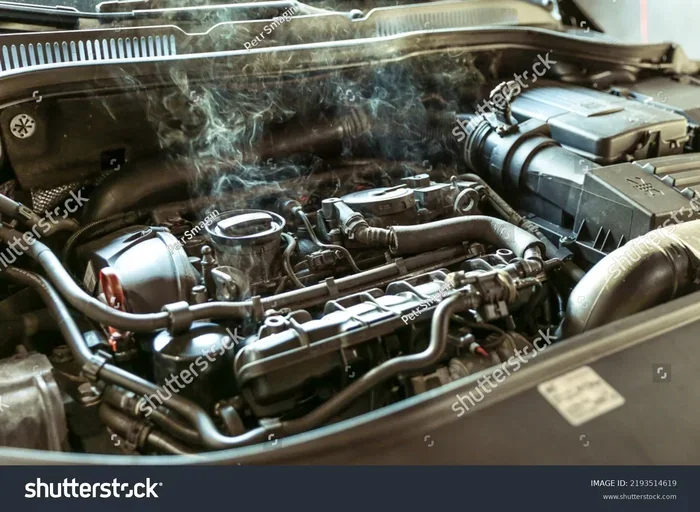
Steam rising from under the hood is a clear sign that coolant has reached boiling point. This often happens when a hose bursts or the radiator cap fails. If you see steam, pull over safely as soon as possible. Do not open the hood immediately because pressurized steam can cause burns.
Unusual Smells or Sounds
A sweet, syrupy smell often means coolant is leaking onto hot engine parts. A burning or grinding sound can indicate that metal components are overheating and starting to warp. These are serious signals that demand immediate action.
Check Engine Light
A check engine light can come on for many reasons, and overheating is one of them. In some cases, the light may go off by itself once the engine cools down. However, a recurring check engine light paired with high temperature readings should never be ignored. You can run diagnostics to identify the specific error codes related to engine temperature.
Step-by-Step: How to Cool Down a Car Engine Quickly
Now let us get into the heart of the matter. Here is a clear, step-by-step approach to cooling down your engine safely and fast. Follow these steps in order for the best results.
Step 1: Turn Off the Air Conditioning
The air conditioning system puts a heavy load on the engine. When the AC is running, the engine works harder and generates more heat. Turning it off reduces that load immediately and gives the engine a chance to recover.
Step 2: Turn the Heater to Maximum
This might sound counterintuitive, but blasting the heat is one of the fastest ways to pull warmth away from the engine. The heater core acts as a secondary radiator. It draws hot coolant through the dashboard and releases heat into the cabin. This trick works surprisingly well and can buy you valuable time.
Step 3: Pull Over Safely and Turn Off the Engine
If the temperature gauge continues to climb after step two, find a safe place to pull over. Turn off the engine and let the car sit. Do not shut it off immediately if the engine is extremely hot. Instead, let it idle for a minute or two with the heater still on. This gradual cooldown prevents thermal shock, which can crack engine components.
Step 4: Open the Hood Carefully
Once the engine has cooled slightly, carefully pop the hood. Use a towel or glove to protect your hand from residual heat. Opening the hood releases trapped heat and allows the engine bay to cool faster. Never remove the radiator cap while the engine is hot. The pressurized coolant can spray out and cause serious burns.
Step 5: Check the Coolant Level
After the engine has cooled completely, check the coolant reservoir. If the level is low, top it off with the recommended coolant type. Low coolant often points to a leak somewhere in the system. Look under the car for puddles or drips. A coolant flush may be needed if the coolant appears dark, dirty, or sludgy.
Step 6: Inspect the Radiator Hoses and Belts
Cracked or swollen hoses are a common source of coolant leaks. Squeeze the hoses gently (when the engine is cool) to check for softness or brittleness. Also inspect the serpentine belt for signs of wear. A loose or broken belt can disable the water pump and cause rapid overheating.
Step 7: Restart the Engine and Monitor the Temperature
Once you have checked everything, restart the engine and watch the temperature gauge closely. If the needle stays in the normal range, you are likely good to go. If it starts climbing again, turn off the engine and seek professional help. Continuing to drive an overheating engine can cause catastrophic damage.
Common Mistakes That Make Overheating Worse
When panic sets in, drivers often make mistakes that turn a manageable situation into a major problem. Avoid these common errors to protect your engine.
Don’t Shut Off a Hot Engine Immediately
Shutting off a scorching hot engine cuts off the water pump and stops coolant circulation. The residual heat has nowhere to go, which can cause warping and cracking. Always let the engine idle for a few minutes before turning it off completely.
Don’t Open the Radiator Cap Right Away
The cooling system is pressurized. Opening the cap while the engine is hot releases that pressure suddenly. Boiling coolant can spray out with force and cause severe burns. Wait until the engine has cooled significantly before touching the radiator cap.
Don’t Keep Driving When the Gauge Is in the Red
Continuing to drive on an overheating engine can destroy the head gasket, warp the cylinder head, or crack the engine block. These repairs are expensive and sometimes require a full engine replacement. If the temperature gauge stays in the red, stop driving and call for help.
Don’t Pour Cold Water on a Hot Engine
Pouring cold water onto a hot engine block can cause rapid thermal contraction, which leads to cracks. Always let the engine cool naturally or use the heater method described above.
Don’t Ignore the Problem
Some drivers notice the temperature gauge climbing and simply turn up the radio and hope for the best. Ignoring overheating signs almost always leads to worse damage and higher repair bills. Address the problem immediately, even if it seems minor.
Long-Term Tips to Prevent Engine Overheating
Prevention is always better than cure. A little regular maintenance goes a long way toward keeping your engine cool and your car reliable.
Flush and Replace Coolant Regularly
Over time, coolant breaks down and loses its ability to absorb heat effectively. Most manufacturers recommend a coolant flush every 30,000 to 50,000 miles. Check your owner’s manual for the specific interval. Fresh coolant keeps the cooling system running at peak performance.
Inspect Hoses and Belts at Every Oil Change
Get into the habit of visually inspecting your hoses and belts during routine maintenance. Look for cracks, bulges, or soft spots. Catching a failing hose early can prevent a sudden coolant leak and an unexpected overheat on the road.
Keep the Radiator Clean
Debris like leaves, bugs, and dirt can accumulate on the front of the radiator and block airflow. Hose down the radiator fins periodically, especially after driving on dusty or gravel roads. A clean radiator dissipates heat much more efficiently.
Monitor Your Thermostat
The thermostat is a small but critical part of the cooling system. If it fails, coolant flow stops and the engine overheats. If you notice temperature fluctuations or the gauge running higher than usual, have the thermostat checked. Replacing a faulty thermostat is inexpensive and can prevent major cooling system failures.
Use the Right Coolant Type
Not all coolants are the same. Using the wrong type can cause corrosion and reduce cooling efficiency. Check your owner’s manual or ask your mechanic which coolant is recommended for your vehicle. Using the correct coolant protects your engine and extends the life of the cooling system.
Avoid Overloading Your Vehicle
Carrying heavy loads or towing beyond your vehicle’s capacity puts extra strain on the engine. The cooling system has to work harder to manage the additional heat. Stay within your vehicle’s rated towing and payload limits to avoid unnecessary stress.
Address Low Coolant and Leaks Promptly
If you notice a puddle of green, orange, or pink fluid under your car, do not ignore it. Coolant leaks can start small and become major quickly. Have any leaks diagnosed and repaired as soon as possible. A quick fix today can prevent a blown head gasket tomorrow.
When to See a Mechanic
Some overheating situations can be handled with basic first aid, but others require professional attention. Know the difference so you do not end up stranded or facing a ruined engine.
If you see steam pouring from under the hood, if the temperature gauge hits the red zone repeatedly, or if you notice a significant loss of power, it is time to call a mechanic. A bad battery can sometimes cause warning lights to flash, so it is also worth having the electrical system checked if you notice unusual behavior.
Persistent overheating can signal serious problems like a blown head gasket, a failing water pump, or a cracked engine block. These are not DIY fixes. A qualified mechanic has the tools and expertise to diagnose and repair these issues properly. Ignoring them can lead to a car that won’t start with a new battery or one that suffers permanent engine damage.
Regular maintenance visits are your best defense against unexpected overheating. A good mechanic will inspect the entire cooling system, check for hidden leaks, and make sure everything is functioning as it should. Think of it as a health checkup for your car.
Remember that some overheating issues are connected to other systems in the vehicle. For example, transmission problems can put extra load on the engine and raise temperatures. If you suspect your transmission is not working properly, have it checked alongside your cooling system concerns. Similarly, electrical issues like a failing alternator can affect the cooling fan and lead to overheating in certain conditions.
Taking a proactive approach to engine health pays off in the long run. You avoid surprise breakdowns, save money on repairs, and keep your car running smoothly for years to come. Staying cool is not just comfortable, it is essential for your engine’s longevity.
Frequently Asked Questions
How long does it take for a car engine to cool down?
Under normal conditions, it takes about 30 minutes to an hour for a car engine to cool down to a safe temperature. The heater trick can speed up the process significantly. Always wait until the temperature gauge returns to the normal range before driving again.
Can I drive my car after it overheats?
It depends on how severe the overheating was. If the temperature gauge returned to normal and there are no warning signs like steam or leaks, you can drive cautiously to a nearby repair shop. However, if the engine made unusual noises or the gauge went into the red zone repeatedly, do not drive it. Call a tow truck instead.
What should I do if my car overheats in traffic?
Turn off the AC and turn the heater to maximum. If the temperature continues to climb, pull over safely and turn off the engine. Let it idle for a couple of minutes before shutting it down completely. Once cooled, check the coolant level and look for visible leaks.
Is it safe to add coolant while the engine is hot?
No, it is not safe. Adding coolant to a hot engine can cause the pressurized system to erupt and spray boiling liquid. Always let the engine cool completely before removing the radiator cap or adding coolant. Use a thick cloth to protect your hands when you do open it.
Can a dirty air filter cause my car to overheat?
Yes, a dirty air filter can restrict airflow to the engine and contribute to overheating. Reduced airflow means the engine cannot dissipate heat as efficiently. Replacing a clogged air filter is a simple and inexpensive way to support your cooling system.
How can I prevent my car from overheating in the summer?
Start by ensuring your coolant is fresh and at the proper level. Inspect hoses and belts regularly, keep the radiator clean of debris, and avoid heavy loads during the hottest parts of the day. Parking in the shade and using a windshield sunshade also helps keep the interior and engine bay cooler.
=== CONCLUSION ===
Cooling down a car engine quickly is a skill every driver should have. Whether you are dealing with a sudden overheat on a scorching day or a slow climb on the temperature gauge, the steps in this guide will help you respond calmly and effectively. Remember to turn off the AC, blast the heat, pull over safely, and never rush the cooldown process.
Regular maintenance is your best long-term strategy. Flush your coolant, inspect your hoses, and keep an eye on your temperature gauge. These small habits add up to a healthier engine and fewer surprises on the road. Stay proactive, stay safe, and keep your engine running cool all year long.