How Many Gallons Does a Full Tank of Gas Really Hold
A full tank of gas typically holds between 12 and 20 gallons for most passenger vehicles, but the exact amount depends on your vehicle type, model, and manufacturer. Understanding your fuel tank capacity helps you plan road trips, estimate costs, and avoid running out of gas. This guide breaks down tank sizes by vehicle type, fuel costs, driving range, and practical tips every driver should know.
Have you ever pulled up to a gas pump and wondered exactly how much fuel your car can hold? Maybe you are planning a long road trip and want to know how many stops you will need to make. Or perhaps you are simply curious about what your vehicle’s fuel tank capacity really means for your wallet and your daily commute.
The answer to “how many gallons is a full tank of gas” is not a one-size-fits-all number. Different vehicles hold different amounts of fuel, and the size of your gas tank affects everything from how far you can drive to how much you spend at the pump. In this guide, we will break down everything you need to know about fuel tank capacity, driving range, and fill-up costs.
Whether you drive a compact sedan, a midsize SUV, or a full-size truck, understanding your vehicle’s fuel capacity is one of the simplest ways to save money and plan your trips better. Let us dive into the details and make sure you never have to guess at the gas station again.
Key Takeaways
- Most cars hold 12 to 16 gallons: The average sedan and compact vehicle has a fuel tank capacity in this range, making it easy to estimate fill-up costs.
- SUVs and trucks hold more fuel: Larger vehicles like SUVs and pickup trucks can carry 18 to 24 gallons or more per full tank.
- Fuel range varies widely: Your driving range on a full tank depends on your vehicle’s MPG rating, driving habits, and road conditions.
- Fill-up cost depends on tank size and gas prices: A full tank can cost anywhere from $30 to over $100 depending on your vehicle and local fuel prices.
- Knowing your tank capacity saves money: Understanding how much fuel your vehicle holds helps you budget for trips and avoid unnecessary stops.
- Tank size is not the only factor: Driving style, tire pressure, and vehicle weight all affect how far you can go on a full tank of gas.
📑 Table of Contents
What Determines the Size of a Full Gas Tank
The fuel tank capacity of any vehicle is not random. Engineers and designers carefully consider several factors when deciding how many gallons a car or truck should hold. These decisions balance performance, weight, safety, and the intended use of the vehicle.
Vehicle Design and Purpose
The primary purpose of a vehicle plays a huge role in determining its gas tank capacity. A small commuter car does not need a massive fuel tank because it is designed for short trips around town. On the other hand, a pickup truck built for hauling and towing needs a larger tank to handle long hauls without frequent stops.
Manufacturers also consider the overall weight of the vehicle. A heavier tank means more fuel, but it also adds weight that can reduce fuel efficiency. Finding the right balance is a key part of the design process. This is why you will notice that sedans and sports cars tend to have smaller tanks compared to trucks and large SUVs.
Fuel Tank Shape and Placement
The physical shape and location of the fuel tank inside a vehicle also matter. Modern cars are designed to maximize every inch of space, so fuel tanks are often shaped to fit into tight areas beneath the vehicle or behind the seats. Some vehicles use oddly shaped tanks to work around the exhaust system, spare tire, or other components.
Placement affects safety too. Most manufacturers place the fuel tank ahead of the rear axle, where it is better protected in a rear-end collision. This safety consideration can sometimes limit how large the tank can be, which in turn affects the total gallons a full tank holds.
Regulatory and Safety Standards
Government regulations also influence fuel tank design. Safety standards set by organizations like the National Highway Traffic Safety Administration (NHTSA) require tanks to meet certain crashworthiness and rollover protection criteria. These rules can limit how much fuel a vehicle is allowed to carry, especially in lighter passenger cars.
Additionally, emissions regulations play a role. A larger fuel tank means more fuel evaporating potential, which automakers must manage with advanced evaporative emission control systems. These systems add complexity and cost, which is another reason manufacturers do not simply make every tank as large as possible.
Average Gas Tank Size by Vehicle Type
Now that you understand what goes into determining tank size, let us look at the actual numbers. The fuel tank capacity varies significantly depending on the type of vehicle you drive. Here is a breakdown of what you can expect for different vehicle categories.
Compact and Subcompact Cars
Small cars like the Honda Civic, Toyota Corolla, and Hyundai Elantra typically have a fuel tank capacity of around 12 to 15 gallons. These vehicles are designed for efficiency, and their smaller tanks keep the overall weight down. A full tank in a compact car usually costs less to fill, making them great choices for budget-conscious drivers.
However, the smaller tank size means you will need to fill up more often, especially if you drive long distances regularly. For city driving and short commutes, though, a compact car’s tank size is more than adequate.
Midsize Sedans and Hatchbacks
Midsize vehicles like the Toyota Camry, Honda Accord, and Volkswagen Jetta generally hold between 15 and 18 gallons of fuel. These cars offer a nice balance between range and efficiency. With a midsize sedan, you can go longer between fill-ups without sacrificing too much fuel economy.
Many drivers find this range ideal for daily driving and weekend trips. The slightly larger tank gives you more flexibility without a significant increase in fuel costs or vehicle weight.
SUVs and Crossovers
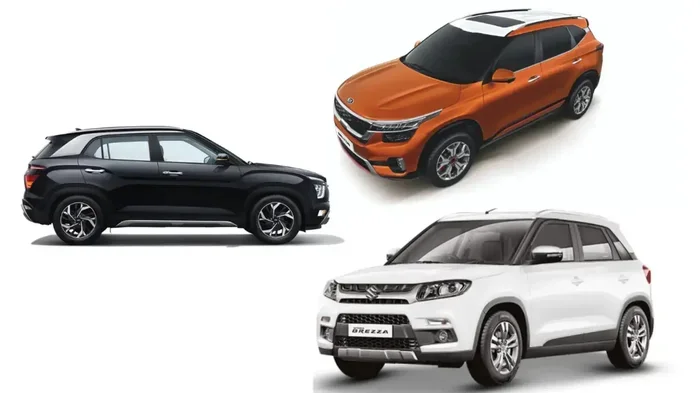
Sport utility vehicles are bigger and heavier, so they naturally need more fuel to operate. A typical SUV has a fuel tank capacity of 16 to 22 gallons. Popular models like the Toyota RAV4, Ford Explorer, and Chevrolet Equinox fall into this range.
Larger SUVs and body-on-frame models can hold even more, sometimes 24 gallons or more. These vehicles are built for towing and off-road adventures, where access to fuel stations may be limited. If you own or are considering an SUV, knowing its tank capacity is essential for trip planning.
Trucks and Heavy-Duty Vehicles
Full-size pickup trucks like the Ford F-150, Chevrolet Silverado, and Ram 1500 typically have fuel tanks ranging from 20 to 36 gallons. Some heavy-duty models and extended-cab versions come with even larger tanks.
These big tanks are designed for drivers who tow trailers, haul heavy loads, or spend long hours on the highway. A full tank of gas in a truck can take you 500 miles or more, depending on your driving habits and the vehicle’s fuel efficiency rating.
Electric and Hybrid Vehicles
Hybrid vehicles combine a smaller gas tank with a battery pack. Models like the Toyota Prius usually have a tank capacity of around 11 to 13 gallons. Because the electric motor assists the gasoline engine, these vehicles can travel impressive distances on a small amount of fuel.
Fully electric vehicles do not have a gas tank at all, which is worth mentioning for anyone comparing vehicle types. If you are considering a hybrid, the reduced tank size is offset by the vehicle’s excellent fuel economy and electric-only driving range.
How Far Can You Drive on a Full Tank
Knowing your fuel tank capacity is only half the equation. The other half is understanding how far you can actually go on a full tank of gas. This number, often called your driving range, depends on several factors that go beyond just the size of your tank.
Understanding Miles Per Gallon
Your vehicle’s miles per gallon (MPG) rating is the key to calculating your driving range. To find out how far you can go on a full tank, simply multiply your tank capacity in gallons by your vehicle’s combined MPG rating.
For example, if your car holds 15 gallons and gets 30 MPG, you can drive approximately 450 miles on a full tank. If you drive a truck with a 24-gallon tank that gets 20 MPG, your range drops to about 480 miles. These numbers give you a solid baseline for planning trips and estimating fuel costs.
Factors That Affect Your Driving Range
Several real-world factors can change how far you actually go on a full tank of gas. Understanding these variables helps you set realistic expectations and avoid getting caught short.
- Driving speed: Highway driving at steady speeds generally yields better fuel economy than stop-and-go city driving.
- Tire pressure: Underinflated tires create more rolling resistance, which reduces your fuel efficiency and shortens your range.
- Air conditioning use: Running the AC puts extra load on the engine, which can lower your MPG by 10 to 20 percent in hot weather.
- Vehicle load: Carrying heavy cargo or towing a trailer significantly reduces your fuel economy and driving range.
- Terrain: Hilly or mountainous terrain uses more fuel than flat highway driving.
- Driving habits: Aggressive acceleration and hard braking waste fuel and reduce how far you can travel on each tank.
How to Maximize Your Fuel Range
Getting the most out of every gallon is easier than you might think. Simple changes in how you drive and maintain your vehicle can add significant miles to each fill-up.
- Keep your tires properly inflated: Check your tire pressure at least once a month. The correct PSI is listed on the driver’s side door jamb.
- Remove excess weight: Clean out your trunk and remove any unnecessary items from your vehicle. Extra weight reduces fuel efficiency.
- Use cruise control on highways: Maintaining a steady speed saves fuel compared to constantly adjusting your speed.
- Avoid idling: Turn off your engine if you are parked for more than a minute. Idling wastes fuel without moving you any closer to your destination.
- Follow the maintenance schedule: Regular oil changes, air filter replacements, and spark plug checks keep your engine running efficiently.
What Does It Cost to Fill a Full Tank
The cost of filling your tank depends on two things: how many gallons your tank holds and the current price of gasoline. With gas prices fluctuating, the cost of a full tank can vary quite a bit from week to week and month to month.
Calculating Your Fill-Up Cost
To calculate the cost of filling your tank, multiply your tank capacity in gallons by the current price per gallon. If you have a 15-gallon tank and gas costs $3.50 per gallon, a full tank will cost you about $52.50.
For a larger truck with a 24-gallon tank at the same price, you are looking at $84 for a full tank. Compact cars with 12-gallon tanks cost around $42 to fill at the same price point. These numbers give you a clear picture of what to budget for fuel each month.
How Gas Prices Affect Your Budget
Gas prices have a direct and significant impact on your monthly driving costs. A driver who fills a 20-gallon tank every week spends about $280 per month at $3.50 per gallon. That same driver would spend over $330 per month if prices rise to $4.15 per gallon.
Understanding your vehicle’s fuel tank capacity helps you anticipate these costs more accurately. It also motivates you to explore ways to reduce your fuel consumption, such as carpooling, combining errands, or choosing a more fuel-efficient vehicle for your next purchase.
Tips to Get the Most Out of Your Fuel Tank
Getting the best value from every gallon of fuel is something every driver can work on. These practical tips help you stretch your fuel further and save money over time.
Plan Your Fill-Ups Strategically
Timing matters when it comes to buying gas. Fuel is typically denser in the early morning when temperatures are cooler, which means you get slightly more fuel for your money. Also, try to avoid filling up right after a gas tanker has delivered fuel to the station, as the agitation can stir up sediment from the bottom of the storage tanks.
Use the Right Grade of Fuel
Not every vehicle needs premium gasoline. Check your owner’s manual to see what grade your engine requires. Using a higher-octane fuel than necessary simply wastes money without providing any real benefit for most vehicles.
Keep Your Fuel Tank at Least a Quarter Full
Running your tank too low can cause problems beyond just getting stranded. Low fuel levels can allow sediment to reach the fuel pump, leading to costly repairs over time. Keeping at least a quarter of a tank ensures your fuel pump stays submerged and cooled properly.
Common Mistakes That Waste Gas
Many drivers unknowingly waste fuel through habits that are easy to change. Avoiding these common mistakes can significantly improve your fuel economy and extend your driving range on every tank.
Ignoring Your Check Engine Light
A check engine light can signal problems that directly affect fuel efficiency. Issues like a faulty oxygen sensor, loose gas cap, or malfunctioning catalytic converter can reduce your MPG by up to 30 percent. Never ignore this warning light if you want to get the most out of your fuel.
Using the Wrong Oil
Using the manufacturer-recommended oil grade makes a real difference. Thicker oils create more engine friction, which means your engine works harder and burns more fuel. Always check your owner’s manual for the correct oil specification.
Aggressive Driving
Speeding, rapid acceleration, and hard braking are among the biggest fuel-wasting habits. Aggressive driving can lower your fuel economy by 15 to 30 percent on the highway and 10 to 40 percent in stop-and-go traffic. Smooth, steady driving saves fuel and keeps you safer on the road.
Conclusion
Understanding how many gallons a full tank of gas holds is one of the most practical pieces of knowledge every driver should have. From compact cars holding around 12 gallons to heavy-duty trucks with tanks exceeding 30 gallons, the numbers vary widely based on your vehicle type, design, and intended use.
Your fuel tank capacity directly affects your driving range, your fill-up costs, and how often you need to visit the gas station. By knowing your specific vehicle’s tank size and combining that knowledge with smart driving habits, you can save money, plan trips more effectively, and avoid the stress of running low on fuel.
Take a moment to check your owner’s manual or look for the fuel tank capacity sticker on the inside of your driver’s door. Use this information to budget for fuel costs, plan longer trips, and make the most of every gallon you buy. A little knowledge about your fuel tank goes a long way toward becoming a smarter, more efficient driver.
Frequently Asked Questions
How many gallons does a full tank of gas hold for an average car?
Most average passenger cars hold between 12 and 16 gallons of fuel when the tank is completely full. Sedans and compact cars typically fall in the 12 to 15-gallon range, while midsize vehicles may hold up to 18 gallons. Check your owner’s manual or the sticker inside your driver’s door for the exact capacity of your specific vehicle.
How far can you drive on a full tank of gas?
Your driving range depends on your vehicle’s fuel tank capacity and its miles per gallon (MPG) rating. A car with a 15-gallon tank that gets 30 MPG can travel approximately 450 miles on a full tank. Your actual range will vary based on driving conditions, speed, and habits.
Is it bad to let your gas tank run very low?
Yes, running your tank very low can damage your fuel pump over time. The fuel pump relies on the fuel surrounding it for cooling, and running low exposes the pump to heat. Additionally, low fuel levels can stir up sediment from the bottom of the tank, which can clog your fuel filter and injectors.
How much does it cost to fill a full tank of gas?
The cost depends on your tank size and the current price of gasoline. A 15-gallon tank at $3.50 per gallon costs about $52.50 to fill. Larger trucks with 24-gallon tanks can cost over $80 at the same price. Use your tank capacity multiplied by the local gas price to estimate your fill-up cost.
Does the size of your gas tank affect fuel economy?
Yes, a larger fuel tank adds weight to your vehicle, which can slightly reduce your fuel economy. However, the difference is usually small compared to other factors like driving habits, vehicle weight, and engine efficiency. A larger tank does, however, give you a longer driving range between fill-ups.
How can I find the exact fuel tank capacity for my vehicle?
Your vehicle’s fuel tank capacity is listed in the owner’s manual and on the fuel tank capacity sticker found on the driver’s side door jamb. You can also search for your specific vehicle’s make, model, and year online to find the official specification from the manufacturer.