How to Operate a Forklift Step by Step Like a Pro
Master how to operate a forklift step by step with this complete guide. Whether you are new to warehouse work or brushing up on your skills, this article breaks down every essential step in simple, easy-to-follow language. You will learn about forklift controls, safety checks, maneuvering tips, and common errors to avoid. Forklift training and OSHA forklift compliance are also covered to keep you safe on the job. By the end, you will feel confident and ready to handle any forklift task like a seasoned forklift operator.
Operating a forklift might look simple from the outside. But once you are behind the wheel, you quickly realize it takes real skill and knowledge. How to operate a forklift step by step is a question every new forklift operator should ask before turning that key. This guide walks you through the entire process in plain, easy-to-understand language. You will not find confusing jargon here. Just clear, practical advice you can use right away.
Whether you just started a job in a warehouse or you want to upgrade your warehouse equipment skills, this article has you covered. We will go through every step, from understanding your machine to handling loads like a pro. Forklift safety is at the heart of everything we discuss. Because no task is so urgent that it is worth risking an injury. Let us dive in and build your confidence one step at a time.
Key Takeaways
- Know your machine: Understanding forklift controls and types is the first step to safe operation.
- Pre-operation inspection saves lives: A thorough check before every shift prevents accidents and breakdowns.
- Safety comes first: Following OSHA forklift rules and wearing proper gear keeps you and others protected.
- Load management matters: Always respect the load capacity and balance your cargo correctly.
- Practice makes perfect: Regular forklift training and hands-on practice build real confidence and skill.
- Avoid common mistakes: Speeding, poor visibility, and skipping inspections are top causes of forklift accidents.
- Maintenance extends life: Routine forklift maintenance keeps your machine running smoothly for years.
📑 Table of Contents
- Understand Your Forklift Before You Start
- Complete Your Pre-Operation Inspection
- Master Forklift Safety Protocols
- Learn How to Operate a Forklift Step by Step
- Common Mistakes to Avoid
- Maintain Your Forklift for Long-Lasting Performance
- Expert Insights: Tips from Seasoned Forklift Operators
- Key Takeaways
- Conclusion
Understand Your Forklift Before You Start
Know the Different Forklift Types
Not all forklifts are the same. Before you learn how to operate a forklift step by step, you need to know what type you are working with. Each model has its own controls and quirks. Here are the most common types you will encounter:
- Counterbalance forklift: The most common type. It has weight in the back to balance heavy loads up front.
- Reach truck: Designed for narrow aisles. It extends the forks outward to grab pallets from tall racks.
- Pallet jack: A smaller, manual machine. Great for moving light loads on the ground floor.
- Order picker: Lets the operator ride up with the load. Common in order fulfillment operations.
- Telehandler: Has a boom and lift capacity for reaching high and far. Often used on construction sites.
Each of these powered industrial truck machines handles differently. So always check the operator manual for your specific model. Forklift training programs often teach you the differences. Take them seriously. They give you the foundation you need to operate safely.
Familiarize Yourself with Forklift Controls
Every forklift has a set of controls that might look similar to a car but work differently. Here is a quick breakdown of the main parts you will use every day:
- Steering wheel: Controls direction. Forklifts steer from the rear, which feels unusual at first.
- Gas pedal and brake: Work just like in a car. But forklifts stop differently because they are much heavier.
- Lift lever: Raises and lowers the forks. This is the most-used control on any forklift operator machine.
- Tilt lever: Tilt the mast forward or backward. This helps secure loads during transport.
- Horn and lights: Essential for alerting others. Use them often, especially in busy warehouses.
- Parking brake: Always engage this when you step out. A simple habit that prevents rolling accidents.
Spend time getting comfortable with these controls before you move a load. Practice in an empty area. The more familiar you are, the smoother your operation will be. Forklift maintenance also keeps these controls working properly, so never skip your daily checks.
Complete Your Pre-Operation Inspection
Why the Inspection Matters
Every great forklift driver starts with a walk-around inspection. This is not just a box-ticking exercise. It is a safety ritual that can save your life. A pre-operation inspection catches problems before they turn into disasters on the floor.
OSHA requires every operator to inspect their forklift before each shift. This is not optional. Skipping it can lead to serious forklift safety violations and workplace accidents. Make it a habit. Do it every single time, even if you used the same machine an hour ago.
Step-by-Step Inspection Checklist
Here is a simple checklist you can follow every morning before you start your shift:
- Check the tires. Look for flat spots, cracks, or debris stuck in the treads. Damaged tires cause instability.
- Inspect the forks. Look for cracks, bends, or excessive wear. Fork damage can cause loads to slip.
- Test the brakes. Press the pedal and make sure the forklift stops smoothly. Test the parking brake too.
- Check the fluid levels. Look at the hydraulic fluid, engine oil, and coolant. Low levels mean trouble ahead.
- Test the lights and horn. Make sure both work. These are your primary warning tools in a noisy warehouse.
- Examine the mast and chains. Look for frayed chains or unusual wear on the mast channels.
- Check the battery or fuel level. A dying battery can leave you stranded mid-shift in the middle of a busy dock.
- Inspect the seatbelt. Make sure it clicks in and retracts properly. Seatbelts save lives in tip-over events.
Write down any issues you find and report them immediately. Never operate a forklift that needs repairs. A quick forklift rental or swap can keep your work moving while the broken machine gets fixed.
Master Forklift Safety Protocols
Essential Safety Gear
Before you start the engine, put on the right gear. Forklift safety starts with personal protection. Here is what every operator should wear:
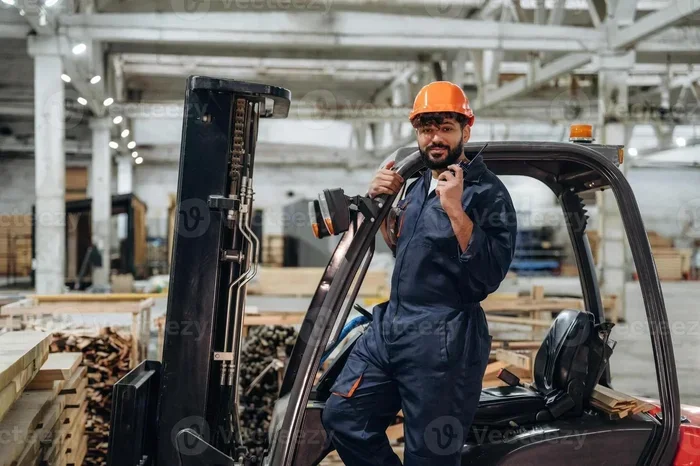
- Hard hat: Protects your head from falling objects in busy warehouses.
- High-visibility vest: Makes you easy to spot for other workers and drivers.
- Steel-toed boots: Guards your feet from dropped loads or rolling machinery.
- High-visibility gloves: Better grip on controls and protection from rough surfaces.
- Safety glasses: Keeps dust and debris out of your eyes during operation.
Do not skip any of these items. They are not suggestions. They are your last line of defense when things go wrong. Forklift certification programs always include safety gear training. Take that training seriously and wear your gear every time you sit in the seat.
Understanding Load Capacity
Every forklift has a load capacity rating. This number tells you the maximum weight the machine can safely carry. Exceeding it is one of the fastest ways to cause a tip-over. Here is how to handle load capacity the right way:
- Check the data plate: Every forklift has a rating plate near the operator. Know where it is and read it.
- Weigh your loads: Do not guess. Use a scale if the weight is not clearly marked on the pallet.
- Center the load: Place the heaviest part of the load closest to the front wheels.
- Tilt the mast back: This stabilizes the load during transport. Always tilt slightly backward before moving.
- Never add extra weight: Adding concrete blocks or other weight to the back is not a safe workaround.
Remember, a forklift can tip over sideways too. This happens when you turn too fast with a raised load. Always keep the forks low while driving. Forklift stability depends on keeping the center of gravity low and centered.
OSHA Forklift Rules You Must Follow
The Occupational Safety and Health Administration sets the standard for powered industrial truck operation in the United States. Following OSHA forklift rules keeps you legal and safe. Key rules include:
- Operators must be trained and certified before using a forklift.
- No one under 18 should operate a forklift in non-agricultural settings.
- Speed limits vary by workplace. Always follow your facility’s posted speed rules.
- Never carry passengers on the forklift unless the machine is designed for it.
- Keep a clear view of your travel path at all times.
- Sound the horn at intersections and near blind spots.
These rules exist because people get hurt every year in forklift accidents. Forklift training and OSHA forklift compliance are not just paperwork. They are the reason you go home safe at the end of your shift.
Learn How to Operate a Forklift Step by Step
Step 1: Start the Engine Safely
Sit in the operator seat and fasten your seatbelt. Put the key in the ignition and start the engine. Listen for any unusual sounds. A healthy forklift engine should run smooth and steady. If you hear grinding, knocking, or squealing, shut it down and report the issue. Do not try to push through strange noises. They usually mean something is wrong under the hood.
Step 2: Check Your Surroundings
Before you move, look in all directions. Check for pedestrians, other vehicles, and obstacles. Warehouses are busy places with lots of foot traffic. Use your mirrors and cameras if your forklift has them. Sound your horn before moving, especially in areas with poor visibility. A quick beep can prevent a serious collision.
Step 3: Lift the Load Properly
Approach the pallet slowly. Position the forks about two-thirds of the way into the pallet openings. Lift the load a few inches off the ground. Check that the load is balanced and secure. If anything looks unstable, lower the load and reposition it. Never try to move an unbalanced load. It is not worth the risk.
Step 4: Drive Carefully
Keep the forks low to the ground while driving. About four to six inches off the floor is ideal. This gives you better stability and clearance. Drive at a controlled speed, especially around corners. Slow down before turns and avoid sudden stops. The higher your load, the more careful you need to be. Forklift maneuvering is an art that comes with practice.
Step 5: Park and Shut Down Correctly
When you are done, park on a flat surface. Lower the forks all the way to the ground. Engage the parking brake. Turn off the engine and remove the key. Step out and do a quick visual check. Did you leave anything behind? Is the area clear for the next person? These small habits separate a good forklift driver from a great one.
Common Mistakes to Avoid
Speeding and Rushing
The biggest mistake new operators make is going too fast. Forklifts are not sports cars. They are heavy machines that need time to stop. Speeding causes tip-overs, collisions, and crushed feet. Slow down and give yourself extra time. Rushing never saves time in the long run. It only creates dangerous situations that could have been avoided.
Raising the Load While Driving
Never drive with the forks raised high. This throws off the forklift’s center of gravity and makes tip-overs much more likely. Always keep the load low during transport. Only raise it when you are in the exact spot where you need to place it. This simple rule prevents countless accidents every year.
Ignoring Blind Spots
Forklifts have large blind spots, especially behind the operator. Always use your mirrors and turn your head to check before moving. If your view is blocked by a tall load, travel in reverse. Never assume the path is clear just because you cannot see anything. Sound the horn and proceed with caution.
Skipping the Pre-Operation Inspection
Some operators skip the morning inspection because they are in a hurry or think the machine was fine yesterday. This is a dangerous habit. A forklift that looked fine yesterday might have a cracked hose or low hydraulic fluid today. The inspection takes five minutes. It can save your life. Treat it as non-negotiable.
Not Asking for Help
Pride is dangerous in warehouse work. If a load looks too heavy, too wide, or too unstable, ask for help. There is no shame in calling a coworker or using a different machine. A counterbalance forklift might handle a load better than your current machine. Knowing when to ask for help shows experience, not weakness.
Maintain Your Forklift for Long-Lasting Performance
Daily Maintenance Tips
Proper forklift maintenance keeps your machine running smoothly and safely. Here are simple daily habits every operator should follow:
- Clean the machine after each shift. Remove debris, dust, and spills from the forks and mast.
- Check tire pressure daily. Underinflated tires reduce stability and increase fuel consumption.
- Lubricate moving parts. The mast chains and tilt cylinders need regular lubrication to work smoothly.
- Monitor battery levels. For electric forklifts, charge the battery when it drops below 20 percent.
- Report any issues immediately. Do not try to fix mechanical problems yourself. Report them to your maintenance team.
When to Schedule Professional Service
Daily checks keep small problems from becoming big ones. But some tasks need a professional touch. Schedule professional forklift maintenance at least every few months. A trained technician can spot issues you would never notice. They can also perform deeper inspections of the hydraulic system, brakes, and engine components. Keeping up with service schedules extends the life of your warehouse equipment and keeps your forklift rental or owned machine running at peak performance.
Expert Insights: Tips from Seasoned Forklift Operators
After years of working in warehouses and distribution centers, experienced operators share a few pieces of wisdom that textbooks often miss. First, always trust your instincts. If something feels off, stop and check it. Your gut feeling is a powerful safety tool that should never be ignored.
Second, practice your skills regularly. Even seasoned forklift operators benefit from refresher training. Techniques change, new machines come out, and safety standards evolve. Staying sharp keeps you safe and efficient. Third, get to know your coworkers. Communication on the warehouse floor prevents accidents. A simple hand signal or eye contact can keep everyone safe around heavy machinery.
Finally, never stop learning. Whether it is a new forklift type, updated OSHA guidelines, or a different load capacity challenge, there is always something new to master. The best operators stay curious and keep improving. Forklift training refreshers are not just for beginners. They are for anyone who takes their job seriously.
Key Takeaways
- Know your machine: Understanding forklift controls and types is the first step to safe operation.
- Pre-operation inspection saves lives: A thorough check before every shift prevents accidents and breakdowns.
- Safety comes first: Following OSHA forklift rules and wearing proper gear keeps you and others protected.
- Load management matters: Always respect the load capacity and balance your cargo correctly.
- Practice makes perfect: Regular forklift training and hands-on practice build real confidence and skill.
- Avoid common mistakes: Speeding, poor visibility, and skipping inspections are top causes of forklift accidents.
- Maintenance extends life: Routine forklift maintenance keeps your machine running smoothly for years.
Conclusion
How to operate a forklift step by step is a skill that combines knowledge, practice, and respect for safety. You have learned about the different forklift types, the essential controls, and the importance of a thorough pre-operation inspection. You now understand forklift safety protocols, OSHA forklift rules, and the most common mistakes to avoid. You also know how to maintain your machine for long-term performance.
Operating a forklift is not just about moving boxes from one place to another. It is about protecting yourself and everyone around you. Every forklift operator has a responsibility to follow the rules and stay sharp. The tips and steps in this guide give you a strong foundation. But real mastery comes from hands-on experience and a commitment to continuous learning.
So go out there, put your forklift training into practice, and operate with confidence. Stay safe, stay aware, and never stop improving. You have got this.
Frequently Asked Questions
Do I need a certification to operate a forklift?
Yes, OSHA requires all forklift operators to complete formal training and receive certification before operating a forklift. Certification typically includes both classroom instruction and hands-on practice. You must also renew your forklift certification every three years or after an accident or near-miss incident.
How long does it take to learn how to operate a forklift?
Basic forklift training programs usually take one to two days to complete. However, becoming truly skilled and confident takes more practice over time. Most operators feel comfortable within a few weeks of regular use on the job.
Can I operate a forklift without a seatbelt?
No. Wearing a seatbelt is a critical forklift safety requirement. In the event of a tip-over, the seatbelt keeps you inside the operator cage where you are safest. Never disable or skip the seatbelt, even for short moves.
What is the most common forklift accident?
Tip-overs are the most common and most dangerous forklift accident. They usually happen when operators turn too fast, raise the load too high, or drive on uneven surfaces. Following OSHA forklift speed guidelines and keeping loads low can prevent most tip-over incidents.
How often should I inspect my forklift?
You should perform a pre-operation inspection before every single shift. This daily check catches problems early and keeps your machine running safely. Additionally, schedule professional forklift maintenance inspections at least every few months for deeper mechanical checks.
What should I do if the forklift starts to tip over?
Stay in your seat and grip the steering wheel firmly. Do not jump out. Lean away from the direction of the tip-over and brace your feet. Jumping from a tipping forklift is one of the leading causes of fatal forklift injuries. Your seatbelt is your best protection in this situation.