How Many Catalytic Converters Are in a Toyota Tacoma
Most Toyota Tacoma trucks come with two catalytic converters, one for each exhaust header. The exact number depends on your model year, engine type, and trim level. Understanding your Tacoma’s setup helps with maintenance, replacement planning, and avoiding costly repairs down the road.
If you own or are thinking about buying a Toyota Tacoma, you might wonder about the catalytic converter. This small but mighty part plays a huge role in keeping your truck running clean and legal on the road. So how many catalytic converters does a Toyota Tacoma actually have? The answer is simpler than you might think.
Most Toyota Tacoma trucks come equipped with two catalytic converters. These converters work hard to reduce harmful emissions before they leave the exhaust system. However, the exact number can vary based on your model year, engine type, and trim level. In this guide, we will break down everything you need to know about the catalytic converter setup in your Tacoma.
Whether you are dealing with a check engine light, planning a replacement, or just curious about your truck, this article covers it all. We will walk through the different configurations, explain how the system works, and share practical tips to keep your Tacoma running strong.
Key Takeaways
- Two converters are standard: Most Toyota Tacoma models use two catalytic converters, one per exhaust pipe.
- Engine type matters: V6 and 4-cylinder Tacomas may differ slightly in converter count and design.
- Model year affects specs: Newer Tacomas may include additional emissions equipment compared to older models.
- Replacement cost varies: Expect to pay several hundred to over a thousand dollars depending on the part and labor.
- Theft is a real risk: Catalytic converters are targeted by thieves due to precious metals inside them.
- Watch for warning signs: A clogged or failing converter triggers check engine lights and reduces performance.
- Regular maintenance helps: Proper care extends the life of your catalytic converter significantly.
📑 Table of Contents
- How Many Catalytic Converters Does a Toyota Tacoma Have?
- Where Is the Catalytic Converter Located on a Toyota Tacoma?
- Why Does the Number of Catalytic Converters Matter?
- Common Problems with Toyota Tacoma Catalytic Converters
- How to Maintain Your Toyota Tacoma Catalytic Converters
- Can You Drive a Toyota Tacoma Without a Catalytic Converter?
- How Much Does It Cost to Replace a Toyota Tacoma Catalytic Converter?
- Frequently Asked Questions
- Final Thoughts
How Many Catalytic Converters Does a Toyota Tacoma Have?
The standard answer is two catalytic converters for most Toyota Tacoma models. Each exhaust header gets its own converter. This setup is common across many pickup trucks and helps meet federal emissions standards. But let us dig deeper into the details because the answer is not always a simple two.
Understanding the Dual Exhaust Setup
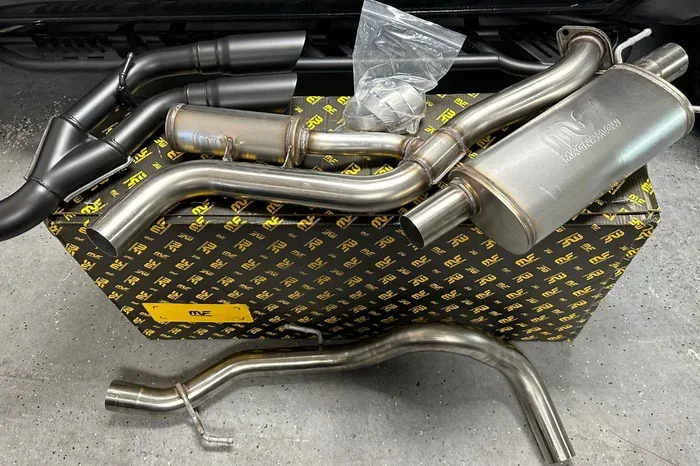
The Toyota Tacoma uses a dual exhaust system on most configurations. This means there are two separate exhaust pipes running from the engine to the rear of the truck. Each pipe has its own catalytic converter. The converters work together to clean the exhaust gases from both sides of the V6 engine or the 4-cylinder engine, depending on your model.
Here is how the system works in simple terms:
- Exhaust gases exit the engine through the exhaust manifold.
- Each pipe routes gases through its own catalytic converter.
- The converters use chemical reactions to transform harmful gases into less harmful ones.
- Cleaner exhaust then flows through the rest of the exhaust system and out the tailpipe.
This dual setup is efficient and effective. It also means that if one converter fails, the other can still do its job. But it also means you might be looking at replacing more than one part if things go wrong.
How Model Year Changes the Count
The number of catalytic converters can shift slightly depending on which generation of Tacoma you own. Older models from the early 2000s may have a simpler setup. Newer models from 2016 onward often include additional emissions equipment to meet stricter EPA regulations.
For example, some newer Tacoma models come with extra oxygen sensors and catalytic converters to further reduce emissions. These additions help the truck pass emissions testing in states with strict requirements, like California. Always check your specific model year to be sure.
Where Is the Catalytic Converter Located on a Toyota Tacoma?
Knowing the location of your catalytic converters helps with maintenance and repairs. On most Toyota Tacoma models, the converters sit close to the engine. They are attached right after the exhaust manifold, underneath the truck near the front.
Because they are positioned near the engine, catalytic converters on the Tacoma get very hot during operation. This heat is actually necessary for the converter to work properly. The chemical reactions inside need high temperatures to break down harmful gases effectively.
Here are some key location points to remember:
- Front of the truck: Both converters are located near the engine, close to the exhaust manifold.
- Underneath the vehicle: They sit on the exhaust pipes, secured by bolts and brackets.
- Near the middle: On some models, the converters are positioned slightly further back along the exhaust line.
If you are ever looking under your Tacoma, you will see a honeycomb-like structure inside a metal shell. That is your catalytic converter. It looks tough, but it can be vulnerable to damage from road debris or corrosion over time.
Why Does the Number of Catalytic Converters Matter?
You might wonder why the number of converters matters so much. The answer comes down to performance, emissions, and cost. Each converter plays a specific role in cleaning your truck’s exhaust. Having the right number ensures your Tacoma runs properly and stays legal.
Emissions Compliance
Tacomas sold in states with strict emissions laws need the full set of catalytic converters to pass inspections. Removing or modifying the exhaust system can cause you to fail emissions testing. It can also trigger the check engine light on your dashboard.
The EPA sets rules for vehicle emissions across the country. Toyota designs the Tacoma’s exhaust system to meet or exceed these standards. That is why the factory setup includes the correct number of converters for each engine and model combination.
Engine Performance
Catalytic converters also play a role in how your engine performs. A clogged or damaged converter can reduce power and fuel efficiency. Your Tacoma might feel sluggish or run rough if the converters are not working right. Keeping them in good shape helps your truck deliver the performance you expect.
Cost Considerations
Replacing a catalytic converter is not cheap. The part itself can be expensive because it contains precious metals like platinum, palladium, and rhodium. Labor costs add to the total. If your Tacoma has two converters and both need replacement, the bill can add up quickly.
On average, replacing one catalytic converter on a Toyota Tacoma costs between 500 and 1500 dollars including parts and labor. If you need both replaced, expect to pay double. This is why regular maintenance and early attention to warning signs are so important.
Common Problems with Toyota Tacoma Catalytic Converters
Like any car part, catalytic converters can develop problems over time. Being aware of these issues helps you catch them early and avoid bigger repairs. Here are the most common problems Tacoma owners face.
Clogging and Restriction
Over time, catalytic converters can become clogged with carbon buildup and debris. This restriction limits exhaust flow and hurts engine performance. You might notice your Tacoma feels slower or uses more fuel than usual. A severely clogged converter can even cause the engine to overheat, so it is important to address this quickly.
Signs of a clogged converter include:
- Reduced acceleration and power
- Dark exhaust smoke
- Rotten egg smell from the exhaust
- Check engine light staying on
- Increased fuel consumption
Check Engine Light Triggers
A failing catalytic converter often triggers the check engine light. The oxygen sensors in the exhaust system detect when the converter is not working efficiently. This causes the truck’s computer to store a diagnostic trouble code and light up your dashboard.
If you see the check engine light, do not ignore it. Use an OBD-II scanner to read the code, or take your Tacoma to a trusted mechanic. Catching converter problems early can save you from more expensive repairs later.
Theft and Security Concerns
Catalytic converter theft has become a serious problem across the country. Thieves target trucks like the Tacoma because the converters are easy to access underneath the vehicle. The precious metals inside are valuable on the black market.
Protecting your Tacoma from converter theft is smart. Consider parking in well-lit areas, using a converter shield or cage, or engraving your vehicle identification number on the converter. Some insurance policies also cover converter theft, so check with your provider.
How to Maintain Your Toyota Tacoma Catalytic Converters
Good maintenance goes a long way in keeping your catalytic converters healthy. A well-maintained converter can last 100,000 miles or more on a Toyota Tacoma. Here are some practical tips to help you get the most life out of this important component.
Use Quality Fuel
Always use the recommended fuel grade for your Tacoma. Lower quality fuel can leave deposits that clog the catalytic converter over time. Stick with reputable gas stations and the octane rating your owner’s manual recommends.
Address Engine Problems Promptly
Engine misfires, rich fuel mixtures, and oil leaks can all damage catalytic converters. If your Tacoma is running rough or using too much oil, get it checked out right away. These issues send unburned fuel and contaminants through the exhaust system, which can ruin the converters.
Regular oil changes and engine tune-ups are simple steps that protect your catalytic converter. Think of it as preventive care for your entire truck.
Avoid Short Trips When Possible
Catalytic converters need high temperatures to work properly. Short trips that do not allow the exhaust system to fully warm up can cause moisture and carbon buildup inside the converter. When you can, combine errands into longer trips to give your converter time to reach operating temperature.
Inspect the Exhaust System Regularly
Have a mechanic inspect your Tacoma’s exhaust system during routine service. They can check for leaks, rust, or damage to the catalytic converters. Catching small problems early prevents them from becoming expensive repairs.
Can You Drive a Toyota Tacoma Without a Catalytic Converter?
Technically, yes. But you should not. Driving without a catalytic converter is illegal in most states and will cause your truck to fail emissions testing. The exhaust gases will also smell much worse, and you may notice a loud, rattling exhaust sound.
Some people remove catalytic converters to gain a bit of horsepower or save money on replacement. But the risks far outweigh any benefits. You could face hefty fines, fail inspections, and damage your engine over time. Plus, driving without a converter means your Tacoma is polluting the air unnecessarily.
If you are considering any modifications to your exhaust system, check your local laws first. You want to stay street legal and keep your Tacoma running right. Also, keep in mind that removing the converter can trigger the check engine light and cause the oxygen sensors to throw errors.
And if you are wondering about other Tacoma maintenance questions, check out how many quarts the Tacoma takes for its oil changes, or learn how far you can really go on empty when the fuel gauge hits zero.
How Much Does It Cost to Replace a Toyota Tacoma Catalytic Converter?
The cost of replacing a catalytic converter on a Toyota Tacoma varies based on several factors. The model year, engine type, and whether you choose OEM or aftermarket parts all play a role in the final price.
Here is a rough breakdown of what to expect:
- Single converter replacement: 500 to 1500 dollars including parts and labor
- Both converters replaced: 1000 to 3000 dollars total
- Aftermarket converters: Cheaper but may not last as long or meet emissions standards
- OEM converters: More expensive but offer better quality and reliability
Labor costs depend on your location and the shop you choose. Some mechanics charge by the hour, and the job can take a few hours per converter. Always get a quote before committing to the repair.
If you are dealing with a Tacoma that needs body work as well, understanding labor costs for other repairs, like bumper replacement, can help you budget for the big picture.
Frequently Asked Questions
How do I know if my Toyota Tacoma catalytic converter is failing?
Common signs include a check engine light, reduced power and acceleration, a rotten egg smell from the exhaust, and increased fuel consumption. If you notice any of these symptoms, have your Tacoma inspected by a qualified mechanic as soon as possible. Early detection can save you from a more expensive repair later on.
Can I replace just one catalytic converter on my Tacoma?
Yes, you can replace just one converter if only one is damaged. However, it is often a good idea to replace both at the same time if your truck has over 100,000 miles. Matching converters ensure balanced exhaust flow and emissions performance. Ask your mechanic for their recommendation based on your specific situation.
Are aftermarket catalytic converters legal for Toyota Tacoma?
Aftermarket converters can be legal if they carry an EPA certification. However, some aftermarket parts do not meet emissions standards, which can cause your Tacoma to fail inspections. Always check the certification and local laws before purchasing an aftermarket converter. Sticking with OEM parts is the safest choice for compliance.
How long does a Toyota Tacoma catalytic converter last?
A well-maintained catalytic converter on a Toyota Tacoma can last 100,000 miles or more. However, factors like driving habits, fuel quality, and engine health can shorten that lifespan. Regular maintenance and using quality fuel help maximize the life of your converter.
Why are catalytic converters stolen from Toyota Tacomas so often?
Tacomas are targeted because the converters are easy to access underneath the truck and contain valuable precious metals like platinum and rhodium. Thieves can remove them quickly with simple tools. Parking in secure, well-lit areas and installing a converter protection device are the best ways to deter theft.
Does removing the catalytic converter improve Tacoma performance?
Removing the converter might produce a slight increase in horsepower, but the effects are minimal on a stock Tacoma. More importantly, driving without a converter is illegal in most states and will cause emissions test failure. It can also trigger the check engine light and damage your engine over time. The risks simply are not worth it.
Final Thoughts
Most Toyota Tacoma trucks have two catalytic converters, and that number stays consistent across most model years and engine options. These converters work silently but powerfully to keep your exhaust clean and your truck street legal. Understanding your Tacoma’s setup helps you make smarter decisions about maintenance, repairs, and upgrades.
Take care of your converters by using quality fuel, addressing engine problems quickly, and getting regular inspections. When you treat your catalytic converters well, they will treat you right in return. Your Tacoma will run better, last longer, and keep you on the right side of emissions laws.
If you are ever unsure about your truck’s exhaust system or need help with a check engine light, trust a professional mechanic who knows Toyotas. They can diagnose issues fast and get you back on the road with confidence. Your Tacoma is a tough, reliable truck, and with the right care, it will keep going strong for years to come.