How Long Do Batteries Last in a Toyota Camry Model
Most Toyota Camry batteries last between 3 and 5 years, depending on driving habits, climate, and maintenance. Regular battery testing and clean terminals can significantly extend your battery life. This guide covers everything you need to know about Toyota Camry battery lifespan, replacement signs, costs, and maintenance tips.
Your Toyota Camry is one of the most reliable sedans on the road. It has earned a strong reputation for lasting well over 200,000 miles with proper care. But even the best Camry depends on one small component to get you going every morning: the battery.
If you have ever been stranded in your driveway with a clicking sound and no start, you know how frustrating a dead battery can be. The question most Camry owners ask is simple: how long do batteries last in a Toyota Camry? The answer is not as straightforward as you might think. Several factors play a role, from your driving habits to the weather where you live.
This guide breaks down everything you need to know about Toyota Camry battery lifespan. You will learn the average battery life, warning signs that your battery is failing, what affects battery health, and how to get the most miles out of your battery. Whether you drive a 2010 Camry or a brand-new 2024 model, this article has you covered.
Let us dive in and make sure you are never stuck with a dead battery again. A little knowledge goes a long way toward keeping your Camry running smoothly for years to come.
Key Takeaways
- Average Lifespan: Toyota Camry batteries typically last 3 to 5 years under normal conditions.
- Climate Matters: Extreme heat and cold both shorten battery life significantly.
- Replacement Cost: Expect to pay between $150 and $300 for a new Camry battery.
- Warning Signs: Slow cranking, dim lights, and dashboard warnings signal a dying battery.
- Maintenance Helps: Cleaning terminals and driving regularly can add months to battery life.
- Hybrid Models: Camry hybrid batteries last much longer, often 8 to 10 years.
- Warranty Coverage: Most new Camry batteries come with a 3-year or longer warranty.
📑 Table of Contents
How Long Do Car Batteries Typically Last?
The average car battery lasts between 3 and 5 years. This is the standard range for most vehicles, and the Toyota Camry is no exception. However, some Camry owners report their batteries lasting up to 6 or even 7 years with excellent care.
When you buy a new Camry, the battery comes fresh from the factory. It is fully charged and ready to go. From that moment, the clock starts ticking on its useful life. Most manufacturers, including Toyota, rate standard batteries at around 3 to 5 years of service.
Here is a quick look at what to expect based on battery age:
- 0 to 1 year: The battery is at peak performance. Cold cranking amps are strong, and voltage is stable.
- 1 to 3 years: The battery is still healthy. You should not notice any performance issues.
- 3 to 5 years: This is the critical window. The battery starts to decline. You should begin testing it regularly.
- 5+ years: The battery is entering the danger zone. Replacement is highly recommended even if it still works.
Keep in mind that these numbers are averages. Your actual experience may vary. The next section explains the factors that can shorten or extend your battery’s life.
Why the 3-to-5-Year Range Is Not Set in Stone
Many people assume a battery either works or it does not. In reality, battery health declines gradually. You might not notice the drop in performance until one morning your Camry refuses to start. That is why proactive testing matters so much.
A battery that lasts 3 years in Arizona might last 5 years in Oregon. The difference comes down to climate, driving patterns, and electrical loads. Let us explore these factors in detail.
What Affects Battery Life in a Toyota Camry?
Several factors determine how long your Camry battery will last. Understanding these can help you take steps to protect your investment. Some factors are within your control, while others depend on your environment.
Climate and Temperature
Extreme temperatures are the number one enemy of car batteries. Both intense heat and freezing cold take a toll.
In hot climates, battery fluid evaporates faster. This damages the internal plates and reduces capacity. In cold climates, the battery must work harder to turn over a cold engine. Cold cranking amps drop in low temperatures, which stresses an already aging battery.
If you live in an area with harsh winters or scorching summers, expect your battery to lean toward the 3-year end of the spectrum.
Driving Habits
How you drive your Camry matters more than you think. Short trips are particularly hard on batteries. When you drive for less than 15 minutes, the alternator does not have enough time to fully recharge the battery.
On the other hand, regular longer drives help keep the battery topped off. If your Camry sits idle for days or weeks, the battery slowly loses charge. This is called parasitic drain, and it can kill a battery prematurely.
Electrical Accessories and Loads
Modern Camrys come packed with electrical features. Navigation systems, heated seats, premium audio, and phone chargers all draw power. When you add up all these loads, they put extra strain on the battery.
If you frequently use electronics with the engine off, you drain the battery faster. This is a common mistake that shortens battery life without drivers even realizing it.
Battery Quality and Type
Not all batteries are created equal. The stock battery that comes with your Camry is designed for reliable daily use. Aftermarket batteries vary widely in quality. Premium batteries with higher cold cranking amps and longer warranties often outlast budget options.
Also, consider whether your Camry is a hybrid model. Hybrid Camrys use a separate hybrid battery for the electric motor. This battery typically lasts 8 to 10 years, much longer than the standard 12-volt battery.
Signs Your Toyota Camry Battery Is Dying
Catching a failing battery early saves you from unexpected breakdowns. Your Camry gives you several warning signs before a battery dies completely. Learning to recognize these signs is one of the best things you can do as a car owner.
Slow Engine Crank
This is the most common sign of a weak battery. When you turn the key, the engine cranks slowly or reluctantly. A healthy battery starts the engine quickly and smoothly. If you notice a hesitation or a sluggish turn-over, have your battery tested right away.
Dim Headlights and Interior Lights
When your battery cannot hold a full charge, your lights may dim. This is especially noticeable when you idle at a stoplight. The lights may brighten when you press the gas pedal, which tells you the alternator is working but the battery is not holding its share.
Dashboard Warning Light
Most Camrys have a battery or charging system warning light on the dashboard. If this light comes on, do not ignore it. It means the charging system is not working properly, and the battery may be failing or the alternator may be faulty.
Corroded or Bloated Battery Terminals
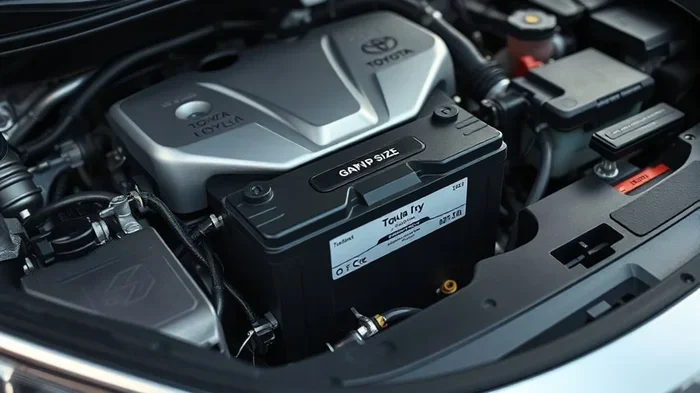
Take a look under the hood at your battery terminals. White or blue powdery buildup is a sign of corrosion. A bloated or swollen battery case indicates internal damage, often caused by heat or overcharging. Both conditions mean the battery needs replacement.
Frequent Need for Jump Starts
If you find yourself needing a jump start more than once a month, your battery is on its way out. Occasional jump starts happen, but frequent ones are a clear signal that the battery can no longer hold a reliable charge.
How Much Does a Toyota Camry Battery Cost?
Replacing a Camry battery is one of the more affordable maintenance jobs you will face. Still, it is smart to know what to expect before you visit the shop.
The cost of a new Camry battery typically ranges from $150 to $300. This includes the price of the battery and professional installation. The exact price depends on the battery type, brand, and where you live.
Here is a quick cost breakdown:
- Standard replacement battery: $100 to $200 for the part alone.
- Premium or high-performance battery: $200 to $300 for the part.
- Installation labor: $50 to $100 at most shops.
- Hybrid Camry battery: Significantly more expensive, often $1,500 to $3,000 if the hybrid battery fails.
Many Toyota dealerships offer battery replacement services. They also provide warranty coverage, which typically ranges from 3 to 5 years. If your Camry is still under warranty, check whether the battery is covered before paying out of pocket.
For those who prefer DIY, replacing a Camry battery is straightforward. It involves disconnecting the terminals, removing the hold-down bracket, swapping the old battery, and reconnecting everything. Just make sure you reset any electronic settings afterward.
Tips to Extend Your Camry Battery Life
You cannot stop a battery from aging, but you can slow the process. Simple habits and regular maintenance can add months or even years to your battery’s life. Here are practical tips that actually work.
Keep Your Battery Clean
Dirt and corrosion build up on battery terminals over time. This creates a poor connection that drains power. Every few months, inspect the terminals and clean them with a baking soda and water solution. A wire brush works well for removing corrosion.
After cleaning, apply a thin layer of petroleum jelly to the terminals. This prevents future corrosion and keeps the connection strong.
Avoid Short Trips When Possible
Your alternator recharges the battery while you drive. Short trips do not give the alternator enough time to do its job properly. If you can, combine errands into one longer drive. This gives the battery time to fully recharge.
If you only drive short distances, consider using a battery maintainer or trickle charger. These devices keep the battery topped off when the car sits for long periods.
Turn Off Electronics When the Engine Is Off
It is tempting to leave the radio or headlights on while parked. But every little drain adds up over time. Make it a habit to shut off all electronics before turning off the engine. This simple step reduces unnecessary strain on the battery.
Get Regular Battery Tests
Most auto parts stores offer free battery testing. They use a load tester to check your battery’s condition. Getting tested every 6 months, especially after the 3-year mark, helps you catch problems early.
Drive Your Camry Regularly
Cars that sit for long periods lose charge. If you have a second vehicle or only drive your Camry occasionally, the battery may not stay healthy. Try to drive the car at least once a week for 20 to 30 minutes to keep the battery charged.
This is especially important for Camry owners who live in areas where their vehicles might sit unused for extended periods. A well-maintained Camry, like the ones that can easily last 300,000 miles, deserves consistent care to keep all its components, including the battery, in top shape.
Check the Alternator
A faulty alternator is one of the hidden causes of premature battery failure. The alternator charges the battery while the engine runs. If it is not working properly, the battery never gets fully charged. Have your alternator inspected if you notice dim lights or a dead battery that keeps coming back.
When Should You Replace Your Camry Battery?
Timing your battery replacement correctly saves you from unexpected breakdowns and unnecessary costs. You do not want to wait until the battery dies on you. But you also do not want to replace a perfectly good battery too early.
The best approach is to test your battery starting at the 3-year mark. Most auto parts stores will test it for free. If the test shows the battery is below 75% capacity, it is time to plan for a replacement.
If your Camry is older and you have noticed any of the warning signs mentioned earlier, do not wait. Replacing the battery proactively keeps you on the road and prevents the hassle of a no-start situation.
Some Camry owners wonder whether their vehicle will last long enough to worry about battery replacements. The truth is, Camrys are built to endure. Many models easily surpass 200,000 miles with proper maintenance. Over that lifespan, you can expect to replace the battery 4 to 6 times, depending on your driving conditions.
For those who drive their Camrys hard and put many miles on the odometer, understanding how far a car can go on a single tank or how long the vehicle itself lasts can help you plan maintenance better. Check out how many miles a car can last for more insights on long-term vehicle ownership.
Replacing your battery on schedule also protects other electrical components in your Camry. A weak battery can strain the alternator and the electrical system, leading to more expensive repairs down the road.
Final Thoughts
Your Toyota Camry battery is a small but vital part of your daily driving experience. Most batteries last between 3 and 5 years, but with the right care, you can push that closer to 5 or even 6 years. Pay attention to the warning signs, keep the terminals clean, and get regular tests.
The cost of a new Camry battery is modest compared to the inconvenience of being stranded. When in doubt, replace it. A fresh battery gives you peace of mind and keeps your Camry starting reliably every single morning.
Take care of your battery, and your Camry will take care of you for hundreds of thousands of miles. That is the Toyota promise, and it starts with something as simple as a healthy battery.
Frequently Asked Questions
How long does a Toyota Camry battery last on average?
Most Toyota Camry batteries last between 3 and 5 years. With proper maintenance and ideal driving conditions, some owners report their batteries lasting up to 6 or 7 years. Climate, driving habits, and electrical loads all play a role in determining actual lifespan.
What are the first signs that my Camry battery is failing?
The first signs include slow engine cranking, dim headlights, a dashboard battery warning light, and corroded battery terminals. If you notice any of these symptoms, have your battery tested as soon as possible to avoid getting stranded.
How much does it cost to replace a Camry battery?
A standard Camry battery replacement costs between $150 and $300, including parts and labor. Hybrid Camry batteries cost significantly more, often $1,500 or more. Many Toyota dealerships offer warranty coverage that may reduce or eliminate this cost.
Can I replace the Camry battery myself?
Yes, replacing a Camry battery is one of the easier DIY jobs. You need to disconnect the negative terminal first, remove the hold-down bracket, swap the battery, and reconnect the terminals. Just remember to reset any electronic settings after installation.
Do hybrid Camry batteries last longer than regular batteries?
Hybrid Camry batteries typically last 8 to 10 years, which is much longer than the standard 12-volt battery. However, if the hybrid battery fails, replacement costs are significantly higher, often ranging from $1,500 to $3,000.
How can I make my Camry battery last longer?
You can extend battery life by cleaning the terminals regularly, avoiding short trips, turning off electronics when the engine is off, driving the car at least once a week, and getting battery tests every six months after the 3-year mark.