How Long Do Toyota 4Runner Engines Last on Average
The Toyota 4Runner engine is built to last, with many units reaching 200,000 to 300,000 miles when properly maintained. The 4Runner is known for its rugged durability and reliable powertrain, making it one of the most long-lasting SUVs on the road. Regular oil changes, timely fluid flushes, and smart driving habits play a huge role in engine lifespan. Understanding what affects engine longevity helps owners make better decisions about care and repairs. This guide covers everything you need to know about Toyota 4Runner engine life expectancy and how to get the most miles out of your rig.
The Toyota 4Runner has earned a reputation as one of the toughest, most reliable SUVs ever built. People buy these trucks for adventure, and they keep them for decades. But one question comes up again and again: how long do Toyota 4Runner engines last?
The answer might surprise you. With proper care, a 4Runner engine can easily surpass 200,000 miles. Some owners push their rigs past the 300,000-mile mark. That kind of longevity does not happen by accident. It comes from a combination of solid engineering, quality materials, and consistent maintenance.
In this guide, we will walk through everything you need to know about Toyota 4Runner engine life expectancy. We will cover what makes these engines so tough, what can shorten their lifespan, and exactly how you can keep your engine running strong for years to come. Whether you own a first-generation 4Runner or a brand-new 2024 model, this article has practical advice you can use today.
Key Takeaways
- Average Lifespan: A well-maintained Toyota 4Runner engine can last between 200,000 and 300,000 miles or more.
- Toyota Reliability: Toyota engines consistently rank among the most durable in the industry, and the 4Runner is no exception.
- Maintenance Matters: Sticking to a regular maintenance schedule is the single biggest factor in extending engine life.
- Driving Habits Count: Gentle driving, avoiding overheating, and warming up the engine all contribute to longevity.
- Common Problems: Knowing the typical issues helps you catch them early before they cause major engine damage.
- Rebuild vs Replace: A rebuilt engine can give your 4Runner another 150,000+ miles at a fraction of the cost of a new vehicle.
- Generational Differences: Newer 4Runner models have improved engineering that further boosts engine durability.
📑 Table of Contents
- What Makes the Toyota 4Runner Engine So Durable
- Average Lifespan of a Toyota 4Runner Engine
- Factors That Affect Engine Longevity
- Common 4Runner Engine Problems to Watch For
- Maintenance Tips to Extend Engine Life
- When to Rebuild vs Replace Your 4Runner Engine
- How Toyota 4Runner Reliability Compares to Competitors
- Final Thoughts on 4Runner Engine Longevity
What Makes the Toyota 4Runner Engine So Durable
Toyota designs its engines with longevity in mind. The 4Runner has used several different powertrains over the years, and most of them share common traits that promote durability. Let us look at what sets these engines apart.
Simple, Proven Engineering
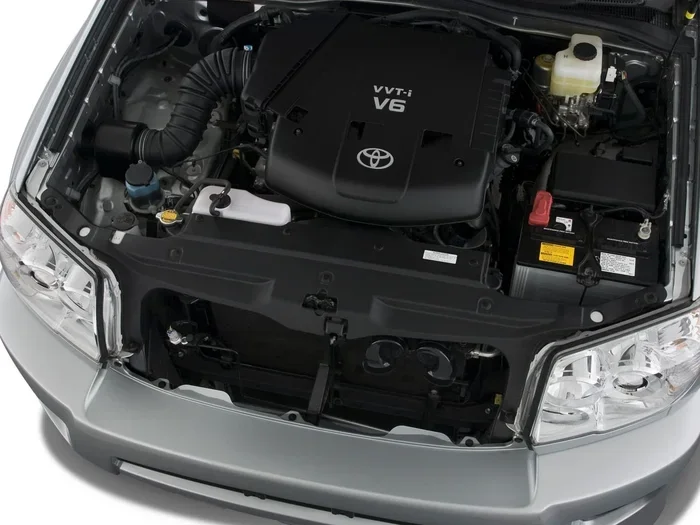
Toyota keeps things simple. The engines in the 4Runner are not overly complex. They use tried-and-true designs that have been refined over decades. Fewer complex parts means fewer things that can go wrong. The 4.0-liter V6 engine, for example, has been a workhorse in the Toyota lineup for years. It is known for being smooth, strong, and incredibly reliable.
High-Quality Materials
Toyota uses quality cast iron and aluminum alloys in its engine blocks. These materials handle heat and stress very well over time. The internal components like pistons, crankshafts, and connecting rods are built to tight tolerances. This means less wear and tear as the miles add up.
Overbuilt for Real-World Use
The 4Runner is a body-on-frame SUV designed for towing, off-roading, and hauling. Toyota builds these engines with a safety margin. They are often over-engineered for everyday driving. That extra strength translates directly into a longer service life. The engine simply does not work as hard relative to its capacity, which reduces wear over time.
Average Lifespan of a Toyota 4Runner Engine
So, what is the real number? How many miles can you expect from a 4Runner engine?
Most Toyota 4Runner engines will last between 200,000 and 300,000 miles with normal maintenance. Some well-cared-for examples go well beyond 300,000 miles. Here is a general breakdown by generation and engine type.
| Generation | Engine | Average Lifespan | Max Potential |
|---|---|---|---|
| 1st-3rd Gen (1984-2002) | 2.4L I4 / 3.0L V6 | 200,000-250,000 miles | 300,000+ miles |
| 4th Gen (2003-2009) | 4.0L V6 (1GR-FE) | 250,000-300,000 miles | 350,000+ miles |
| 5th Gen (2010-Present) | 4.0L V6 (1GR-FE) | 250,000-300,000 miles | 350,000+ miles |
The 4.0-liter V6 engine found in 4th and 5th generation models is particularly impressive. It is one of Toyota’s most proven powertrains. Many mechanics and owners consider it one of the most reliable engines ever produced. With regular oil changes and proper care, this engine can easily reach the 300,000-mile milestone.
For comparison, the average car engine on the road today lasts around 200,000 miles. The 4Runner consistently exceeds that benchmark. If you want to learn more about how other Toyota models compare in terms of longevity, check out this guide on whether a Toyota can last 500,000 miles.
Factors That Affect Engine Longevity
Not all 4Runners age the same way. Several factors determine how long your specific engine will last. Let us break them down.
Maintenance Habits
This is the biggest factor. A 4Runner that gets regular oil changes, fluid flushes, and timely repairs will outlast one that does not. Skipping maintenance is the fastest way to shorten engine life. Here is what matters most:
- Oil Changes: Change your oil every 5,000 to 7,500 miles. Use the grade recommended in your owner’s manual.
- Coolant Flushes: Flush and replace coolant every 30,000 to 60,000 miles to prevent corrosion and overheating.
- Transmission Fluid: Replace transmission fluid every 30,000 to 60,000 miles for smooth shifting and reduced engine strain.
- Spark Plugs: Replace spark plugs on schedule to maintain proper combustion and fuel efficiency.
- Air Filter: A clean air filter ensures your engine breathes properly and avoids unnecessary wear.
Driving Style
How you drive affects your engine more than you might think. Aggressive acceleration, redlining the RPMs, and hauling heavy loads all increase engine stress. Gentle driving, gradual acceleration, and avoiding sudden stops all help your engine last longer. Think of it this way: the less you demand from your engine, the longer it will serve you.
Climate and Operating Conditions
Extreme heat and extreme cold both take a toll on engines. Hot climates can cause overheating and accelerated oil breakdown. Cold climates can lead to condensation buildup and increased wear during short trips. If you live in a harsh climate, you may need to adjust your maintenance schedule accordingly.
Terrain and Usage
The 4Runner is an off-roader, and that comes with trade-offs. Towing trailers, navigating rough terrain, and driving through deep water all put extra strain on the engine. If you use your 4Runner for serious off-roading or heavy towing, you should be even more diligent about maintenance. Also, keep in mind that engine overheating can cause serious damage, so understanding how long your car can overheat before damage occurs is essential knowledge for any 4Runner owner.
Common 4Runner Engine Problems to Watch For
Even the most reliable engines develop issues over time. Knowing what to look for helps you catch problems early and avoid costly repairs. Here are the most common engine problems reported by 4Runner owners.
Oil Consumption
Some 4Runner models, particularly older ones, tend to burn oil over time. This is not unusual for high-mileage engines. If you notice your oil level dropping between changes, check for leaks and monitor your consumption. Catching this early prevents damage to internal components.
Timing Chain Wear
The 4.0-liter V6 engine uses a timing chain rather than a timing belt. While chains are generally more durable, they can stretch over time, especially at higher mileage. A stretched timing chain can cause rough idling, misfires, and reduced performance. Replacing the timing chain before it fails completely is much cheaper than dealing with the damage a broken chain can cause.
Coolant Leaks
Coolant leaks are a common issue on older 4Runners. They can come from the radiator, water pump, heater core, or various hoses. Even a small leak can lead to overheating if not addressed. Overheating is one of the fastest ways to destroy an engine, so never ignore a coolant leak.
Sensor Failures
The 4Runner uses several sensors to manage engine performance. The oxygen sensor, mass airflow sensor, and coolant temperature sensor can all fail over time. When they do, you may notice reduced fuel economy, rough idling, or check engine lights. Most sensor replacements are affordable and straightforward.
Maintenance Tips to Extend Engine Life
Want to get the most miles out of your 4Runner engine? Follow these practical tips. They are simple, effective, and easy to incorporate into your routine.
Stick to the Maintenance Schedule
Your owner’s manual has a detailed maintenance schedule for a reason. Follow it. Do not skip oil changes because you are busy, and do not postpone fluid replacements because they seem expensive. Every dollar you spend on preventive maintenance saves you ten dollars in major repairs later.
Use Quality Parts and Fluids
Not all oil and filters are created equal. Use high-quality synthetic or conventional oil that meets Toyota’s specifications. Choose OEM or premium aftermarket parts when replacing components. Cheap parts may save money upfront but can lead to premature failures down the road.
Warm Up Your Engine Properly
In cold weather, give your engine a minute or two to warm up before driving hard. This allows the oil to circulate and lubricate all the internal components. Modern engines do not need long warm-up periods, but a brief wait is always beneficial.
Listen to Your Engine
You know your vehicle better than anyone. Pay attention to new sounds, vibrations, or smells. A knocking noise, a hissing sound, or a burning smell can all signal engine trouble. Catching these early signs gives you the best chance to fix small problems before they become big ones.
Keep It Clean
A clean engine bay helps you spot leaks and issues early. It also prevents dirt and debris from accumulating around sensitive components. Regular washing under the hood is a simple habit that pays off.
Address Issues Immediately
Do not ignore warning lights. Do not put off repairs because you are busy. Every problem left unaddressed has a way of getting worse and more expensive. If your check engine light comes on, get it diagnosed as soon as possible.
When to Rebuild vs Replace Your 4Runner Engine
At some point, every engine reaches a crossroads. The question becomes: should you rebuild or replace? Here is what you need to consider.
A rebuilt engine can cost anywhere from $3,000 to $7,000 depending on the extent of the work and your location. A new or used replacement engine typically runs between $4,000 and $10,000 installed. Compare these numbers to the cost of a new 4Runner, and the math is clear. Rebuilding or replacing the engine is almost always the smarter financial choice.
Signs that your engine may need attention include:
- Excessive oil consumption that cannot be resolved with simple fixes
- Persistent knocking or tapping sounds from the engine block
- Loss of significant power and acceleration
- Frequent overheating despite proper coolant levels
- Blue or white smoke from the exhaust
- Compression test results showing significant cylinder wear
If you are considering a rebuild, work with a trusted mechanic who specializes in Toyota engines. A quality rebuild can give your 4Runner another 150,000 miles or more. For more information on how long cars in general can last, check out this detailed guide on car lifespan.
How Toyota 4Runner Reliability Compares to Competitors
The 4Runner is not the only durable SUV on the market, but it consistently ranks near the top. Toyota’s reputation for reliability is well-earned. The brand has topped reliability surveys for years, and the 4Runner is one of the models that contributes most to that reputation.
For a deeper look at how Toyota engines compare in terms of longevity, you might find this article on Toyota Camry engine longevity interesting. The Camry and 4Runner share similar engineering philosophies, and both are known for exceptional engine durability.
When you compare the 4Runner to competitors like the Ford Explorer, Chevy Tahoe, or Jeep Grand Cherokee, the Toyota holds its own. In many cases, the 4Runner outlasts the competition with fewer major engine repairs over its lifetime. This is one of the reasons the 4Runner holds its resale value so well.
Final Thoughts on 4Runner Engine Longevity
The bottom line is clear. A Toyota 4Runner engine is built to go the distance. With an average lifespan of 200,000 to 300,000 miles, these engines are among the most durable in the SUV world. But longevity does not happen by itself. It requires commitment to regular maintenance, smart driving habits, and prompt attention to any issues that arise.
If you take care of your 4Runner, it will take care of you. The engine is the heart of this vehicle, and treating it well pays off for hundreds of thousands of miles. Follow the maintenance schedule, use quality parts, and listen to what your engine is telling you. You will be rewarded with a truck that keeps running long after others have been traded in.
The Toyota 4Runner is more than just a vehicle. It is a long-term companion for adventures, commutes, and everything in between. And with the right care, its engine will keep you moving for decades to come.
Frequently Asked Questions
How many miles can a Toyota 4Runner engine last?
With proper maintenance, a Toyota 4Runner engine can last between 200,000 and 300,000 miles. Some well-cared-for examples exceed 300,000 miles. The 4.0-liter V6 engine found in 4th and 5th generation models is particularly known for its durability and long service life.
What is the most common engine problem in a Toyota 4Runner?
The most common issue is oil consumption, especially in older models. Other frequent problems include timing chain wear, coolant leaks, and sensor failures. Most of these issues are manageable if caught early through regular maintenance and prompt repairs.
Is it worth rebuilding a Toyota 4Runner engine?
Yes, absolutely. A rebuilt engine typically costs between $3,000 and $7,000 and can add another 150,000 miles or more to your 4Runner. This is far more cost-effective than buying a new vehicle. Many owners report excellent results with quality engine rebuilds performed by experienced Toyota specialists.
How often should I change the oil in my Toyota 4Runner?
You should change the oil every 5,000 to 7,500 miles for optimal engine health. If you drive in severe conditions such as extreme heat, cold, or off-road terrain, you may want to shorten the interval to every 3,000 to 5,000 miles. Always use the oil grade recommended in your owner’s manual.
Does the 4Runner generation affect engine lifespan?
Yes, newer generations generally have improved engineering and materials that contribute to longer engine life. The 4th and 5th generation 4Runners with the 4.0-liter V6 engine are particularly well-regarded for durability. However, any generation can reach 200,000+ miles with proper care and maintenance.
How can I tell if my 4Runner engine is wearing out?
Warning signs include excessive oil consumption, persistent knocking sounds, loss of power, frequent overheating, and blue or white exhaust smoke. If you notice any of these symptoms, get your engine inspected by a qualified mechanic as soon as possible. Early detection can prevent minor issues from becoming major repairs.