How Haval Handles Different Terrains Like a Champion
Haval SUVs are built to tackle any terrain with ease, from rocky off-road trails to icy mountain roads. The brand combines powerful drivetrains, smart suspension systems, and advanced terrain response technology to keep you in control. Whether you drive a Haval H9 or a Haval Tank, you get a vehicle designed for real-world adventure.
Key Takeaways
- All-Wheel Drive Power: Haval’s AWD systems deliver excellent traction on sand, mud, snow, and gravel.
- Smart Suspension: Adaptive shock absorbers and high ground clearance make rough roads feel smooth.
- Terrain Response Modes: Multiple driving modes let you switch between sand, mud, snow, and normal settings instantly.
- Off-Road Proven Models: The Haval H9 and Haval Tank series are built specifically for rugged terrain.
- Easy Maintenance: Simple upkeep tips keep your Haval performing at its best on and off the road.
- Strong Engine Torque: Haval engines deliver the low-end torque needed to power through tough trails.
- All-Weather Confidence: Traction control and stability systems keep you safe in any weather condition.
📑 Table of Contents
What Makes Haval SUVs Great on Any Terrain
When you think about Haval terrain handling, you need to understand what sets this brand apart. Haval is a Chinese SUV brand that has grown fast in the global market. Their vehicles are designed with one clear goal. They want you to feel confident whether you are on a highway or a muddy trail.
The company has spent years studying what drivers need. They looked at real-world driving conditions. They tested their vehicles in deserts, mountains, forests, and snowy regions. The result is a lineup of SUVs that handle different terrains like a pro. Haval does not just build cars. They build machines ready for adventure.
What makes Haval stand out is the attention to detail. Every part of the vehicle works together. The engine, the drivetrain, the suspension, and the tires all share one mission. That mission is to give you a smooth, safe ride no matter where the road takes you. This kind of thinking is why Haval off-road performance has earned so many fans worldwide.
If you have ever driven a vehicle that struggled on a dirt road, you know how frustrating it can be. Haval wants to fix that problem for good. Their engineers focused on creating vehicles that are tough yet comfortable. You get the ruggedness of a traditional off-road SUV without giving up daily driving comfort. It is the best of both worlds.
Another thing that makes Haval special is value. You get premium features at a fair price. This means more drivers can access vehicles that perform well on tough terrain. Haval all-terrain capability is no longer just for luxury brands. It is now available to everyday drivers who love exploring.
The Design Philosophy Behind Haval’s Rugged Build
Haval starts with a strong body-on-frame design for most of their off-road models. This means the vehicle has a separate frame that holds the engine and drivetrain. The body sits on top of this frame. This design is the same one used by serious off-road vehicles around the world. It gives the SUV strength and durability.
The frame is made from high-strength steel. It can absorb bumps and impacts without bending. Haval also uses reinforced cross-members. These add extra rigidity to the chassis. The result is a vehicle that handles rough landings and sharp turns with ease. You feel stable and secure even on the most challenging trails.
Haval also pays close attention to the vehicle’s center of gravity. They keep the heavy components low and centered. This reduces body roll during sharp turns. It also improves stability on uneven ground. When you are driving on a mountain switchback, you will notice how planted the vehicle feels. That is the result of smart engineering.
Why Ground Clearance Matters for Haval Owners
One of the most important features for any off-road vehicle is ground clearance. This is the distance between the lowest part of the vehicle and the ground. Haval SUVs offer impressive ground clearance across their lineup. For example, the Haval H9 provides over 200mm of ground clearance. This lets you clear rocks, logs, and deep ruts without scraping the undercarriage.
High ground clearance also helps in snowy conditions. You are less likely to get stuck when the snow is deep. The vehicle sits above the snowpack. This gives the tires better grip on the surface below. In desert driving, high clearance prevents the underbody from getting dragged across sand dunes.
Haval also designs the underbody with protective plates. These shield the engine, fuel tank, and transmission from damage. When you drive over sharp rocks or rough terrain, these plates take the hit. Your vital components stay safe. This is a small detail that makes a big difference on long off-road trips.
Haval’s All-Wheel Drive and Drivetrain Technology
The heart of Haval terrain handling lies in its drivetrain system. Haval uses advanced all-wheel drive, or AWD, technology in most of their off-road models. AWD sends power to all four wheels at the same time. This gives the vehicle grip on every surface. Whether the road is dry asphalt or wet mud, Haval keeps you moving forward.
The drivetrain system includes a transfer case. This is the component that splits power between the front and rear axles. Haval’s transfer case is built to handle heavy loads. It distributes torque evenly to prevent wheel spin. When one wheel loses traction, the system sends more power to the wheels that still have grip. This happens fast and automatically.
Haval also offers a part-time 4WD system on some models. This lets you switch between two-wheel drive and four-wheel drive. On the highway, 2WD saves fuel. When the trail gets tough, you switch to 4WD for maximum traction. This flexibility is a big advantage. You get the best of both worlds without any extra effort.
Understanding Torque and How It Powers Haval Off-Road
Torque is the twisting force that turns your wheels. When you are climbing a steep hill or pushing through mud, you need lots of torque. Haval engines are tuned to deliver strong low-end torque. This means the vehicle has pulling power even at low speeds. You do not need to rev the engine hard to get moving.
Most Haval off-road models come with turbocharged diesel or gasoline engines. These engines produce significant torque at low RPMs. The turbocharger forces more air into the engine. This creates more combustion power. The result is strong, steady acceleration even on the steepest inclines.
Haval also uses torque vectoring in some models. This technology sends more power to the wheel that needs it most. If the left rear wheel is slipping, the system sends extra torque to the right rear wheel. This helps the vehicle move forward instead of spinning its wheels. It is a smart system that works behind the scenes.
The Role of the Transfer Case in 4×4 Systems
The transfer case is like the brain of the 4×4 system. It takes power from the transmission and sends it to both the front and rear axles. Haval’s transfer cases are built with durable gears and strong housings. They can handle the stress of off-road driving without overheating or failing.
Most Haval models offer multiple modes in the transfer case. You can select 2H for normal driving on paved roads. You can choose 4H for high-speed four-wheel drive on loose surfaces like gravel or sand. And you can use 4L for low-speed crawling over rocks and steep obstacles. Each mode changes the power distribution and gear ratio. This gives you the right amount of control for every situation.
Some Haval models also feature a locking differential. When activated, this forces both wheels on an axle to spin at the same speed. If one wheel is on ice and the other is on solid ground, both wheels still get power. This is a game-changer for off-road driving. It means you are much less likely to get stuck.
How Haval Suspension Handles Rough Roads
The suspension system is what connects your vehicle to the wheels. It absorbs bumps and keeps the tires in contact with the ground. Haval uses a double-wishbone or multi-link suspension setup on most of their off-road models. These systems are known for excellent handling and ride comfort. They allow the wheels to move independently over bumps. This keeps the vehicle stable and the ride smooth.
Haval also uses heavy-duty shock absorbers on their off-road SUVs. These shocks are larger and stronger than the ones on regular passenger cars. They can handle the constant impacts of rough terrain. Whether you are hitting potholes on a forest road or bouncing over rocks in the desert, the suspension keeps things under control. The vehicle stays level and composed.
Another key feature is the adjustable suspension on some Haval models. You can raise or lower the vehicle height with the push of a button. When you are on a trail, you raise the suspension for more ground clearance. When you are on the highway, you lower it for better aerodynamics and fuel economy. This kind of flexibility is rare in the SUV world.
Air Suspension vs. Coil Spring Suspension in Haval Models
Haval offers both air suspension and coil spring suspension depending on the model. Air suspension uses pressurized air bags instead of metal coils. The big advantage is that you can adjust the ride height automatically. The system lowers the vehicle at highway speeds for better fuel economy. It raises the vehicle when you switch to off-road mode for more clearance.
Coil spring suspension is simpler and more durable. It uses metal coils that absorb bumps. This type of suspension is very reliable for heavy off-road use. It does not have complex air lines or compressors that can fail. Many Haval owners prefer coil springs for their ruggedness and low maintenance needs.
Both suspension types work well for Haval terrain handling. The choice depends on your needs. If you want maximum comfort and adjustability, go with air suspension. If you want durability and simplicity, coil springs are the way to go. Either way, Haval ensures a smooth and stable ride on any surface.
How Anti-Roll Bars Improve Stability on Rough Trails
Anti-roll bars, also called sway bars, connect the left and right sides of the suspension. Their job is to reduce body roll during turns. When you take a sharp corner on a trail, the outside suspension compresses while the outside stretches. The anti-roll bar resists this movement. It keeps the vehicle more level and stable.
Haval uses heavy-duty anti-roll bars on their off-road models. These bars are thicker and stiffer than the ones on standard SUVs. They provide excellent body control even on uneven ground. You feel more confident when navigating tight trails or steep hillsides. The vehicle feels planted and predictable.
Some Haval models also offer electronically controlled anti-roll bars. These can disconnect the bar when you need maximum wheel articulation. Wheel articulation is the ability of each wheel to move up and down independently. When the bar is disconnected, each wheel can droop more freely. This is useful when one wheel is in a deep rut or on a rock. The other wheel can still maintain contact with the ground for traction.
Haval Models Built for Off-Road Adventures
Haval offers several models that are specifically designed for off-road performance. Each model has its own strengths. Let us take a closer look at the most popular options for drivers who love exploring tough terrain.
Haval H9: The Full-Size Off-Road SUV
The Haval H9 is the flagship off-road SUV from the brand. It is a full-size vehicle with a body-on-frame construction. The H9 comes with a powerful V8 or turbocharged inline-6 engine depending on the market. It offers strong torque and excellent towing capacity. This is a vehicle built to go where paved roads end.
Inside the H9, you get a spacious cabin with premium materials. The seats are comfortable for long off-road trips. There is room for up to seven passengers. The cargo area is also generous. You can bring all your camping gear, recovery equipment, and supplies without feeling cramped.
The H9 features a full-time 4WD system with a locking differential. It also has terrain response modes for sand, mud, snow, and rock crawling. The suspension provides plenty of travel for absorbing big impacts. Combined with high ground clearance, the H9 is one of the most capable off-road SUVs in its class. It truly handles different terrains like a champion.
Haval Tank 300 and Tank 500: The Rugged Newcomers
The Haval Tank series is a newer line of off-road focused SUVs. The Tank 300 is a compact model that is perfect for weekend adventures. It is smaller and more nimble than the H9. Yet it still offers strong off-road capability. The Tank 300 comes with a 2.0-liter turbocharged engine and a 4WD system. It is a great option for drivers who want off-road fun without a full-size vehicle.
The Tank 500 is a mid-size SUV that sits between the Tank 300 and the H9. It offers more space and comfort while still being very capable off-road. The Tank 500 features a powerful V6 engine and an advanced AWD system. It also has adjustable air suspension and multiple terrain modes. This makes it a versatile choice for both daily driving and serious off-roading.
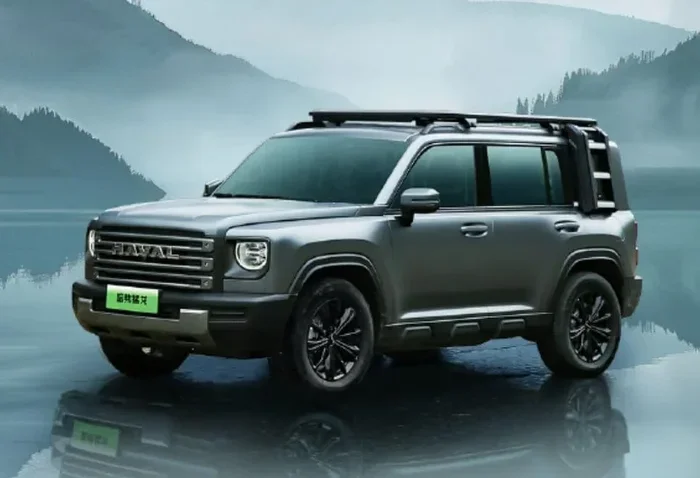
Both Tank models share a rugged and aggressive exterior design. They look like they mean business. The bold front grille, muscular wheel arches, and roof rails give them an unmistakable off-road look. Inside, they are modern and tech-loaded. You get large touchscreens, advanced safety features, and comfortable seating. Haval has done a great job blending style with substance in the Tank lineup.
Haval Big Dog: The Compact Off-Road Option
The Haval Big Dog is a compact SUV with a retro-inspired design. It is smaller and more affordable than the H9 or Tank models. But it still offers solid off-road ability. The Big Dog comes with a 1.5-liter turbocharged engine and a front-wheel-drive or all-wheel-drive system. It is a great entry point for drivers who want to explore trails without a big budget.
Despite its smaller size, the Big Dog has decent ground clearance. It can handle light off-road trails, gravel roads, and snowy conditions. The suspension is tuned for a comfortable ride on pavement while still being capable off-road. For new off-road enthusiasts, the Haval Big Dog is an excellent starting point.
Terrain Response Modes and Smart Features
One of the most impressive aspects of Haval terrain handling is the terrain response system. This smart technology lets you select the best driving mode for the surface you are on. With the push of a button, the vehicle adjusts its throttle, transmission, and traction control settings. This takes the guesswork out of off-road driving.
Sand Mode: Gliding Across Desert Dunes
Sand mode is designed for driving on loose, shifting surfaces. When you activate this mode, the Haval system changes how the engine responds. The throttle becomes more gradual to prevent wheel spin. The transmission shifts to keep the engine in its power band. This gives you a steady, rolling pace across sand dunes.
Haval also adjusts the traction control in sand mode. The system allows slight wheel slip, which helps the tires dig into the sand. This creates a natural scooping effect that propels the vehicle forward. Without this feature, the tires would just spin and dig a hole. With sand mode, you glide across the surface smoothly.
Mud and Ruts: Power Through Wet Trails
Mud mode is perfect for wet and slippery conditions. When you are driving through thick mud, traction is your biggest challenge. Haval’s mud mode adjusts the throttle mapping to provide smooth, consistent power. It also lets the wheels spin slightly more than in normal mode. This helps the tires find grip on the slippery surface.
The traction control system works differently in mud mode. It allows more wheel slip before intervening. This might sound counterintuitive, but it makes sense. A small amount of wheel spin helps the tires clear mud and find solid ground underneath. The system also monitors each wheel individually. If one wheel starts spinning too fast, it sends power to the others.
Snow and Ice Mode: Stay Safe in Winter Conditions
Snow mode is essential for driving in cold, icy conditions. When you select snow mode, the Haval system starts in a higher gear. This reduces the torque sent to the wheels. Less torque means less chance of spinning on ice. The throttle response becomes gentler. You get smooth, controlled acceleration even on the slickest roads.
Haval also integrates its stability control system with snow mode. The system monitors each wheel’s speed and the vehicle’s steering angle. If it detects any loss of direction, it applies the brakes to individual wheels. This helps you stay on course even when the road is hidden under snow. It is a reassuring feature for winter driving.
Rock Crawl Mode: Tackle the Toughest Obstacles
Rock crawl mode is the most specialized setting in Haval’s terrain response system. It is designed for slow, technical off-roading over rocks and boulders. When activated, the system shifts to the lowest possible gear. This gives you maximum control at very low speeds. The throttle becomes very sensitive, so small inputs produce precise movements.
Rock crawl mode also locks the differentials on some models. This ensures all wheels receive equal power. If one tire is on a rock and the others are on the ground, the tire on the rock still gets traction. This is essential for climbing over large obstacles. It is the mode that truly shows off Haval’s off-road prowess.
Maintenance Tips for Haval Off-Road Performance
Keeping your Haval in top shape for off-road adventures requires regular maintenance. The good news is that Haval vehicles are designed with serviceability in mind. Most maintenance tasks are straightforward and affordable. Here are some key tips to keep your Haval terrain handling at its best.
Check Your Tires Regularly
Tires are the only part of your vehicle that touches the ground. They are the most important factor in off-road performance. Haval recommends checking your tire pressure before every off-road trip. Lower tire pressure increases the tire’s contact patch. This gives you better grip on sand, mud, and snow. Just remember to re-inflate your tires when you return to paved roads.
You should also inspect your tires for damage after off-road drives. Rocks and sharp objects can cause punctures or cuts. Look for nails, screws, or embedded debris in the tread. Replace any tires that show significant wear or damage. Good tires make all the difference in Haval off-road performance.
Keep Your Drivetrain Well-Lubricated
The drivetrain works hard during off-road driving. It is exposed to dirt, water, and extreme temperatures. Haval recommends changing the transfer case and differential fluids at regular intervals. Use the manufacturer-recommended fluid type. Dirty or old fluid can cause premature wear on gears and bearings.
You should also inspect the drivetrain for leaks after hard off-road trips. Look for fluid spots under the vehicle. Check the seals around the axles and transfer case. Catching a leak early can prevent expensive repairs. It keeps your Haval all-terrain capability reliable for years to come.
Clean Your Vehicle After Every Off-Road Trip
Mud, sand, and salt can cause serious damage if left on the vehicle. Haval recommends washing your SUV thoroughly after every off-road adventure. Pay special attention to the undercarriage. Mud and debris can trap moisture and cause corrosion. Use a hose to rinse away any built-up grime from the frame, suspension, and wheel wells.
You should also clean the air filter after driving in dusty conditions. A clogged air filter reduces engine performance. It can also cause the engine to run rich, which wastes fuel. Check the air filter regularly and replace it when needed. This simple step keeps your Haval engine running strong on every terrain.
Inspect Suspension Components for Wear
Off-road driving puts extra stress on suspension parts. The shock absorbers, bushings, and ball joints all take a beating. Haval recommends inspecting these components every 10,000 miles or after any serious off-road trip. Look for leaks around the shock absorbers. Check for worn bushings that may cause noise or instability.
Replacing worn suspension parts is relatively affordable. It is much cheaper than repairing damage caused by a failure on the trail. Keeping your suspension in top shape ensures your Haval handles every terrain with confidence. It is one of the best investments you can make as an off-road Haval owner.
Conclusion
Haval terrain handling is truly impressive for the price you pay. From the powerful drivetrain to the smart suspension and terrain response modes, every piece of the puzzle works together. Haval has built vehicles that are ready for real-world challenges. Whether you are crossing a desert, climbing a mountain, or navigating a snowy forest, Haval gives you the tools to get the job done.
The Haval H9, Tank 300, Tank 500, and Big Dog each offer their own take on off-road excellence. They all share the same commitment to quality, durability, and performance. You do not need to spend a fortune to own a capable off-road SUV. Haval proves that strong Haval all-terrain capability is within reach for everyday drivers.
Regular maintenance keeps your Haval performing at its best. Simple steps like checking tire pressure, lubricating the drivetrain, and cleaning the undercarriage go a long way. Take care of your vehicle, and it will take care of you on every adventure. How Haval handles different terrains is a story of smart engineering, rugged design, and a passion for exploration. Get out there and experience it for yourself.
Frequently Asked Questions
What makes Haval SUVs good off-road vehicles?
Haval SUVs feature body-on-frame construction, powerful turbocharged engines, and advanced AWD systems. They also offer terrain response modes for sand, mud, snow, and rock crawling. These features work together to give you confidence on any surface.
Is the Haval H9 a good choice for serious off-roading?
Yes, the Haval H9 is one of the most capable off-road SUVs from the brand. It comes with a locking differential, adjustable suspension, and strong torque output. It can handle everything from desert dunes to rocky mountain trails with ease.
How often should I maintain my Haval for off-road use?
You should inspect your Haval after every off-road trip. Check tire pressure, clean the undercarriage, and look for drivetrain leaks. Follow the manufacturer’s recommended service schedule for fluid changes and suspension inspections.
Can Haval vehicles handle snow and icy roads?
Absolutely. Haval SUVs come with AWD systems and a dedicated snow driving mode. The snow mode adjusts throttle response and traction control to keep you safe on icy roads. Many owners use their Haval vehicles for winter driving with great results.
What is the difference between Haval’s AWD and 4WD systems?
Haval’s AWD system sends power to all four wheels automatically at all times. The 4WD system lets you switch between two-wheel drive and four-wheel drive manually. AWD is great for mixed conditions, while 4WD gives you more control for serious off-roading.
Are Haval off-road SUVs expensive compared to other brands?
Haval off-road SUVs offer strong value compared to competitors. You get premium off-road features at a more affordable price point. This makes Haval an attractive option for drivers who want capability without a luxury price tag.