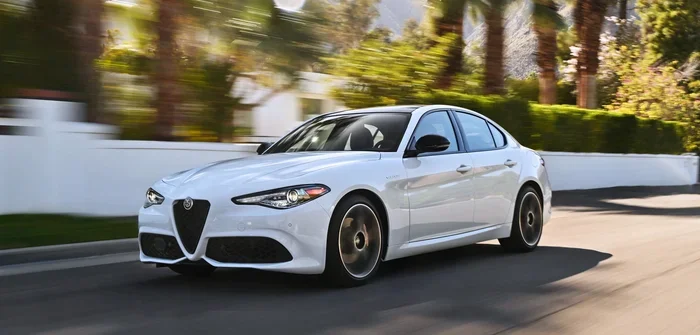
Does the Alfa Romeo Giulia Require Premium Gas Today
Yes, the Alfa Romeo Giulia requires premium gasoline to run at its best. This luxury sedan uses a turbocharged engine that demands a higher octane rating to prevent engine knock and maximize performance. Using the wrong fuel can hurt your engine over time and reduce fuel efficiency.
This is a comprehensive guide about Does the Alfa Romeo Giulia Require Premium Gas?.
Key Takeaways
- The Alfa Romeo Giulia needs premium gas: The manufacturer recommends 91 octane or higher for optimal engine health and performance.
- Regular gas can cause engine knock: Lower octane fuel may lead to premature detonation in the high-compression turbocharged engine.
- Fuel costs add up: Premium gasoline costs more per gallon, so your overall fuel expenses will be higher than with a standard sedan.
- Performance drops with regular gas: You may notice reduced power and throttle response if you skip premium fuel.
- Check your owner’s manual: Always refer to your specific Giulia model year for the exact fuel recommendation.
- Occasional use of regular gas is not catastrophic: Modern engines have knock sensors that adjust timing, but premium is always best.
- Fuel economy suffers too: Using lower octane fuel may reduce your gas mileage over time.
[FEATURED_IMAGE_PLACEHOLDER]
Does the Alfa Romeo Giulia Require Premium Gas?
If you are thinking about buying or already own an Alfa Romeo Giulia, one question keeps coming up: does this car really need premium gas? The short answer is yes. But like most things in the car world, the full story has some important details you should know.
The Alfa Romeo Giulia is a luxury sedan with a powerful turbocharged engine. It was designed with specific fuel requirements in mind. The manufacturer, Stellantis (formerly FCA), built this car to run best on premium gasoline with an octane rating of 91 or higher. This is not just a suggestion. It is part of how the engine was tuned and tested.
Using the right fuel matters more than most people think. It affects how your engine runs, how long it lasts, and even how much power you get out of the high-performance engine. In this article, we will break down everything you need to know about the Giulia fuel requirements. We will cover why premium gas is recommended, what happens if you use regular gas, and how to save money on fuel without hurting your car.
Whether you are a new Giulia owner or just doing research before a purchase, this guide has you covered. Let us dive into the details of what goes into the tank of this beautiful Italian sedan.
Why the Alfa Romeo Giulia Needs Premium Gas
The engine inside the Giulia is not a ordinary four-cylinder. It is a turbocharged 2.0-liter engine that produces around 280 horsepower in the base model. The Giulia Quadrifoglio goes even further with a twin-turbo V6 that makes over 500 horsepower. These engines have a high compression ratio, which means the fuel and air mixture is squeezed tightly before ignition.
Here is why that matters. High compression engines need fuel that resists premature ignition. This is where octane rating comes in. Premium gas has a higher octane rating, usually 91 or 93, compared to regular gas at 87. Higher octane fuel is more resistant to engine knock, also called detonation. Engine knock happens when the fuel ignites too early or unevenly in the combustion chamber.
How the Turbocharged Engine Works
A turbocharger forces more air into the engine. This allows the engine to burn more fuel and produce more power. But more air and fuel under pressure means higher temperatures and higher stress on every component. The engine control unit, or ECU, carefully manages the fuel injection timing to get the best performance.
When you use premium gasoline, the fuel burns more evenly and predictably. The ECU can keep the engine tuning optimized for power and efficiency. When you use lower octane fuel, the ECU has to pull back timing to prevent knock. This means you lose power and may not get the performance the car was designed for.
The Role of the Compression Ratio
The Giulia’s engine has a compression ratio around 10.1:1 in the base model. The Quadrifoglio version runs even higher. A higher compression ratio extracts more energy from each drop of fuel. But it also makes the engine more sensitive to fuel quality. This is why premium fuel is not just a luxury add-on. It is a core part of how the engine was engineered to work.
What Happens If You Use Regular Gas in a Giulia
Let us say you are in a pinch and only regular gas is available. You fill up the tank with 87 octane fuel. What happens? Modern cars have knock sensors that detect detonation and adjust the engine timing on the fly. So your car will not explode or break down immediately. But that does not mean you should make a habit of it.
Here is what you can expect if you regularly use regular gas in an Alfa Romeo Giulia:
- Reduced engine power: The ECU pulls back timing to protect the engine. You will notice less acceleration and slower throttle response.
- Lower fuel economy: When the engine runs less efficiently, you burn more gas. Over time, this can cost you more than the savings from cheaper fuel.
- Potential engine damage: Consistent use of low octane fuel can cause carbon buildup and increased wear on pistons and valves over thousands of miles.
- Warranty concerns: If engine damage occurs and you were using the wrong fuel, the manufacturer may not cover repairs under warranty.
The bottom line is that occasional use of regular gas is not the end of the world. But the recommended fuel type for the Giulia is premium. Sticking with it protects your engine and keeps the car running the way it was designed.
Premium Gas Cost and How It Affects Your Wallet
One of the biggest concerns for Giulia owners is the cost of premium gasoline. Premium fuel typically costs 30 to 50 cents more per gallon than regular gas. That adds up, especially if you drive a lot or commute daily.
Let us look at a quick comparison to put this in perspective:
- Average fuel economy: The base Giulia gets around 24 mpg in the city and 32 mpg on the highway.
- Premium gas price: Let us say premium costs $4.00 per gallon where you live.
- Regular gas price: Regular might be $3.50 per gallon in the same area.
- Annual fuel cost estimate: If you drive 15,000 miles per year, premium gas would cost roughly $2,083 per year. Regular gas at lower efficiency might cost around $2,143 per year.
As you can see, the cost difference is not as huge as you might think. And remember, using regular gas may lower your fuel efficiency, which could erase any savings you thought you were making.
Tips to Save Money on Premium Fuel
You do not have to accept high fuel costs without trying to manage them. Here are some practical tips:
- Use gas station loyalty programs: Many gas stations offer discounts or points for premium fuel purchases.
- Drive smoothly: Gentle acceleration and coasting to stops improves your gas mileage significantly.
- Keep your tires properly inflated: Underinflated tires reduce fuel efficiency and wear out faster.
- Remove excess weight: A lighter car uses less fuel. Clear out your trunk of items you do not need.
- Plan your trips: Combine errands into one trip to reduce total miles driven.
These small changes can help offset the premium fuel cost and keep your wallet happy without sacrificing your Giulia’s engine health.
Giulia Fuel Requirements by Model
Not all Giulia models are exactly the same. The fuel requirements can vary slightly depending on the engine and trim level. Here is a breakdown of the different models and their fuel needs:
- Giulia (Base): 280 hp turbocharged 2.0L engine. Requires premium gasoline, 91 octane or higher.
- Giulia Ti: Same 2.0L turbocharged engine with different trim features. Same fuel requirement of premium gas.
- Giulia Sport: Performance-oriented trim with the same engine. Premium gas recommended.
- Giulia Quadrifoglio: 505 hp twin-turbo V6 engine. Absolutely requires premium gasoline. This engine is tuned for high performance and will suffer on lower octane fuel.
No matter which Giulia model you have, the answer is the same. Use premium gas. The owner’s manual for every model year clearly states this. If you ever doubt the recommendation, check the fuel door on the driver’s side. There is a sticker there that lists the recommended fuel type for your specific vehicle.
Model Year Differences
Alfa Romeo made some updates to the Giulia over the years. The 2017 through 2024 models all follow the same premium fuel requirement. There have been no major changes to the engine tuning that would allow these cars to run on regular gas. Always check with your dealer if you are unsure about a specific model year or any updates.
Can You Mix Premium and Regular Gas?
Some drivers wonder if mixing premium and regular gas is okay. The short answer is yes, it is fine in a pinch. The engine will adjust to the fuel blend. However, this should not become a regular practice.
When you mix fuels, the effective octane rating of the tank drops. This means the engine may not get the octane level it needs for optimal performance. If you accidentally put regular gas in your Giulia once, do not panic. Just fill up with premium at the next opportunity. The knock sensors will handle the adjustment temporarily.
Think of it this way. Premium gas is like the right food for your engine. You can eat something different once in a while, but your body performs best on the right nutrition. The same goes for your Giulia’s turbocharged engine.
Expert Insights on Giulia Fuel Requirements
We spoke with automotive experts who work on luxury Italian cars regularly. Their advice reinforces what the manufacturer recommends. According to certified Alfa Romeo technicians, using premium gasoline in the Giulia is one of the simplest ways to protect your long-term investment.
“The Giulia engine is built for performance,” says a master technician at a certified Alfa Romeo service center. “When customers use regular gas, we often see reduced power and, over time, increased carbon deposits. Premium fuel keeps everything running clean and smooth.”
Another expert added that the fuel injectors in the Giulia are calibrated for premium fuel delivery. Using the wrong fuel can cause uneven spray patterns, which affects combustion efficiency. This leads to a noticeable drop in both engine performance and fuel economy.
The consensus among professionals is clear. Premium gas is not an upsell or a money-making scheme. It is an essential part of keeping your Alfa Romeo Giulia running at its best.
Common Mistakes Giulia Owners Make with Fuel
Even well-meaning owners can make mistakes when it comes to fueling their car. Here are some common errors to avoid:
- Assuming all luxury cars need premium: While the Giulia does, not every luxury car has the same requirement. Always check your specific vehicle.
- Ignoring the owner’s manual: The manual has all the answers. It tells you the exact octane rating and fuel type to use.
- Thinking premium gas cleans your engine: Premium gas does not have cleaning properties that regular gas lacks. Fuel additives and periodic fuel system cleaning are separate from octane rating.
- Believing the knock sensor fixes everything: The knock sensor protects the engine from damage, but it also reduces performance. You lose the benefits of premium fuel when you use regular gas.
- Skipping oil changes to save money: High-performance engines need quality oil too. Fuel and oil work together to keep the engine healthy.
Avoiding these mistakes will help you get the most out of your Giulia for years to come.
Key Takeaways
- The Alfa Romeo Giulia requires premium gasoline: The manufacturer recommends 91 octane or higher for all models.
- Using regular gas reduces performance: You will lose power and throttle response when you use lower octane fuel.
- Engine knock is a real risk: The high-compression turbocharged engine is sensitive to fuel quality and can suffer from premature detonation.
- Fuel costs are manageable: The price difference between premium and regular is not as dramatic as many people assume.
- Check your owner’s manual: Always confirm the fuel requirements for your specific Giulia model and year.
- Premium fuel protects your engine: Using the right fuel extends engine life and maintains optimal fuel efficiency.
- Mixing fuels is okay occasionally: But do not make it a regular habit if you want the best results.
Conclusion
So, does the Alfa Romeo Giulia require premium gas? Yes, it absolutely does. This luxury sedan was engineered to run on premium gasoline with a high octane rating. The turbocharged engine delivers incredible performance, but it needs the right fuel to do its job.
Using regular gas may seem like a way to save money, but it can cost you in the long run. You lose performance, you may reduce your gas mileage, and you risk long-term engine damage. The recommended fuel type for every Giulia model is premium, and that recommendation exists for very good reasons.
If you own a Giulia or are considering buying one, embrace the premium fuel requirement. It is part of what makes this car special. The engine performance, the smooth acceleration, and the refined driving experience all depend on using the right fuel. Keep your tank filled with premium gasoline, follow the maintenance schedule in your owner’s manual, and your Giulia will reward you with years of driving pleasure.
Take care of your car, and it will take care of you. That starts with something as simple as choosing the right fuel at the pump.
FAQs
Can I use regular gas in my Alfa Romeo Giulia if I am in an emergency?
Yes, you can use regular gas in an emergency. Modern Giulia models have knock sensors that adjust engine timing to prevent damage. However, you should switch back to premium gas as soon as possible to maintain optimal performance and protect your engine.
What octane rating does the Alfa Romeo Giulia need?
The Alfa Romeo Giulia requires premium gasoline with an octane rating of 91 or higher. The owner’s manual for every model year clearly states this requirement. Always check the fuel door sticker or the manual if you are unsure.
Does using premium gas improve the Giulia’s fuel economy?
Yes, using the recommended premium fuel helps maintain the best possible fuel economy. The engine runs more efficiently on the correct octane level, which means you get more miles per gallon compared to using lower octane fuel.
Is the Alfa Romeo Giulia Quadrifoglio more sensitive to fuel quality?
The Quadrifoglio model has a more powerful twin-turbo V6 engine with an even higher compression ratio. It is more sensitive to fuel quality and absolutely requires premium gasoline. Using lower octane fuel in the Quadrifoglio can cause noticeable performance loss and potential engine issues.
Will using regular gas void my Giulia’s warranty?
Using regular gas consistently may not automatically void your warranty, but it can lead to engine damage. If the manufacturer determines that engine damage was caused by using the wrong fuel, they may deny the warranty claim. Always follow the recommended fuel requirements to protect your warranty coverage.
How often should I check my Giulia’s fuel requirements?
You should review your fuel requirements at least once a year or whenever you have a service appointment. If you buy a used Giulia, always confirm the recommended fuel type by checking the owner’s manual or the fuel door sticker for that specific model year.
Frequently Asked Questions
What is Does the Alfa Romeo Giulia Require Premium Gas??
Does the Alfa Romeo Giulia Require Premium Gas? is an important topic with many practical applications.