How Does a Truck Hood Latch Work And Why It Matters
A truck hood latch is the mechanism that keeps your hood securely closed while driving. It connects the hood to the frame using a latch, cable, and striker plate. Understanding how this system works helps you spot problems early and avoid costly repairs. Whether you drive a half-ton pickup or a heavy-duty rig, the hood latch plays a vital role in daily operation. In this guide, we break down every part of the system so you can stay informed and keep your truck running safely.
Have you ever wondered what keeps your truck hood securely closed while you cruise down the highway? The answer is simpler than you think. A truck hood latch is the small but mighty mechanism that holds everything together at the front of your vehicle. It keeps the hood shut during travel, allows easy access for engine checks, and plays a bigger role in safety than most drivers realize. In this guide, we will walk you through exactly how a truck hood latch works, the parts involved, common problems, and why paying attention to this often-overlooked component can save you big headaches down the road. Let us dive in.
Your truck hood latch might not be the flashiest part under the hood, but it is one of the most important. Without a properly functioning hood latch, your hood could fly open while driving, blocking your windshield and making it nearly impossible to see the road. That is a scary thought, and it is exactly why understanding this system matters. Whether you are a DIY mechanic, a daily commuter, or someone who just bought their first truck, knowing how the hood latch works gives you an edge in maintenance and safety.
In the sections below, we will cover everything from the basic parts of a truck hood latch system to step-by-step operation, common problems, and maintenance tips. You will learn about different latch types, how to spot early warning signs of wear, and when it is time to call a professional for hood latch repair. By the end of this guide, you will have a clear picture of why this small component deserves your attention.
Key Takeaways
- Core Function: A truck hood latch secures the hood to the vehicle frame and prevents it from opening during driving.
- Key Components: The system includes the latch body, hood release cable, striker plate, hood hinges, and secondary latch.
- Step-by-Step Operation: Pulling the interior release cable triggers the latch to disengage from the striker plate, allowing the hood to lift.
- Common Issues: Sticking, misalignment, cable fraying, and spring fatigue are the most frequent problems truck owners face.
- Maintenance Matters: Regular cleaning, lubrication, and inspection can extend the life of your hood latch by years.
- Replacement Signs: Difficulty opening or closing, visible rust, and loose fit are clear signals it is time for a hood latch replacement.
- Safety First: A faulty hood latch can open while driving, creating a serious visibility hazard and accident risk.
📑 Table of Contents
- What Is a Truck Hood Latch and What Does It Do?
- The Main Parts of a Truck Hood Latch System
- How Does a Truck Hood Latch Work? Step by Step
- Common Types of Truck Hood Latches
- Signs Your Truck Hood Latch Needs Attention
- How to Maintain and Care for Your Truck Hood Latch
- When to Replace Your Truck Hood Latch
- Conclusion
What Is a Truck Hood Latch and What Does It Do?
A truck hood latch is a mechanical device that locks the hood to the front of the truck frame. It works together with the hood hinges and a release cable to keep the hood secure when closed and allow it to open when needed. The system is designed to be simple, reliable, and strong enough to handle vibrations, wind pressure, and road conditions.
The primary job of the hood latch is straightforward. It holds the hood down so it cannot open accidentally while the truck is moving. At the same time, it allows you to open the hood quickly from inside the cab using a release handle or lever. Most trucks use a two-stage latch system, which means there is a primary latch and a secondary latch. The primary latch does the heavy lifting, while the secondary latch acts as a safety backup.
Why does this matter? A truck hood latch that fails can lead to dangerous situations on the road. A hood that flies open at highway speeds can block your entire front view. It can also cause damage to the windshield, hood itself, and nearby components. Beyond safety, a malfunctioning hood latch can let moisture and debris into the engine bay, leading to rust and corrosion over time. This is why even a small issue with your hood latch mechanism should never be ignored.
The Role of the Hood Latch Assembly
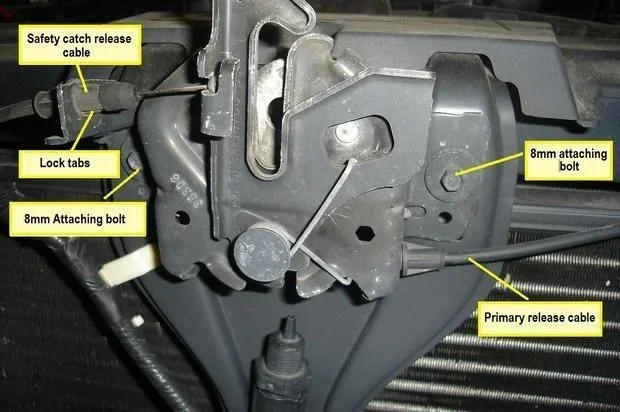
The hood latch assembly refers to the full set of parts that work together to lock and release the hood. This includes the latch body, the locking pawl, the spring, the striker plate, and the release cable. Each part has a specific job, and they all need to work in harmony for the system to function properly. When one part wears out or gets damaged, the whole assembly can suffer.
Think of the hood latch assembly like a lock on a door. The latch is the bolt, the striker plate is the frame that the bolt slides into, and the release cable is the handle you pull to unlock it. When all these pieces are in good shape, the system works smoothly and quietly. When one piece starts to fail, you will notice it right away.
The Main Parts of a Truck Hood Latch System
Understanding the individual parts of your truck hood latch system helps you diagnose problems faster and communicate better with mechanics. Here is a breakdown of each key component.
Hood Latch Body
The latch body is the main housing that contains all the internal moving parts. It is typically made of steel or durable plastic and is mounted to the front of the truck frame. Inside the body, you will find the locking pawl, which is the piece that grabs onto the striker plate to hold the hood shut. The spring inside the body provides tension that keeps the pawl locked in place.
Striker Plate
The striker plate is a metal plate mounted on the hood itself. When you close the hood, the striker plate slides into the latch body and clicks into place. The shape and alignment of the striker plate are critical. If it is even slightly bent or misaligned, the hood may not close properly or may not lock securely.
Hood Release Cable
The hood latch cable connects the interior release handle to the latch body. When you pull the handle inside your cab, the cable pulls on the locking pawl, releasing it from the striker plate. Over time, this cable can fray, stretch, or get stuck, which is one of the most common causes of hood latch problems.
Hood Hinges
The hood hinges are the pivot points that allow the hood to open and close. They are usually located on both sides of the hood and are attached to the truck frame. While hinges are not part of the latch itself, they work closely with the latch system. Worn hinges can cause the hood to sit unevenly, which puts extra stress on the latch.
Secondary Latch and Hood Prop Rod
Many trucks use a secondary latch for extra security. This is especially common in larger trucks and commercial vehicles. The secondary latch provides a second point of contact that prevents the hood from popping open, even under heavy wind or vibration. Some older trucks also use a hood prop rod or hood stay to hold the hood open while you work on the engine.
Hood Latch Spring and Hood Catch
The hood latch spring provides the tension needed to keep the pawl engaged with the striker plate. The hood catch is the point where the latch and striker plate meet. Together, these small parts create a secure lock that can withstand road conditions and vibration.
How Does a Truck Hood Latch Work? Step by Step
Now that you know the parts, let us walk through exactly how the truck hood latch operates. The process is simple but clever, and understanding it will help you appreciate why each component matters.
Step 1: Closing the Hood
When you lower the hood, it comes down onto the striker plate. The weight and pressure push the striker plate into the latch body. Inside the latch body, the spring pushes the locking pawl outward, and it clicks into place around the striker plate. At this point, the hood is fully locked and secure.
Step 2: Engaging the Secondary Lock
On trucks with a two-stage system, the secondary latch engages automatically once the primary latch is locked. This adds an extra layer of security. The secondary latch may be a separate mechanism or a built-in feature of the primary latch body. Either way, it ensures the hood stays put even under rough conditions.
Step 3: Pulling the Interior Release
When you want to open the hood, you pull the release handle inside your cab. This pulls on the hood latch cable, which is routed from the cab to the front of the truck. The cable tugs on the locking pawl inside the latch body, compressing the spring and disengaging it from the striker plate.
Step 4: Releasing and Lifting the Hood
Once the pawl releases, the hood is free to lift. You can then prop it open using the hood support rod or hood stay. The secondary latch may also need to be released separately, depending on your truck model. This two-step release process is intentional and adds an extra layer of safety.
Why the Two-Stage System Matters
The two-stage hood safety latch design is not just for heavy-duty trucks. It is a safety feature found on many passenger vehicles too. The idea is simple: even if the primary latch fails, the secondary latch keeps the hood from flying open. This design has saved lives and prevented countless accidents over the years.
Common Types of Truck Hood Latches
Not all truck hood latches are the same. Different trucks use different types depending on the size, weight, and intended use of the vehicle. Here are the most common types you will encounter.
Standard Side-Release Latch
This is the most common type found on light-duty trucks and pickups. The latch releases from the side when you pull the cable, and the striker plate is mounted on the hood center. This design is simple, reliable, and easy to repair.
Center Release Latch
Center release latches are common on larger trucks and SUVs. The release mechanism is located at the center of the hood, and the latch engages from both sides. This design provides a more balanced lock and is often used on trucks with heavier hoods.
Push-Button Hood Latch
Some modern trucks feature a push-button or electronic hood latch. Instead of a cable, you press a button inside the cab, and a motor releases the latch. These are convenient but can be more expensive to repair. They also introduce electrical components that can fail over time.
Heavy-Duty Latch for Commercial Trucks
Commercial and semi-trucks often use heavy-duty latches made from reinforced steel. These latches are built to handle extreme vibration, heavy loads, and constant use. They typically feature a robust secondary latch and a reinforced striker plate for maximum security.
| Latch Type | Best For | Release Method | Durability |
|---|---|---|---|
| Standard Side-Release | Light-duty pickups | Pull cable | Good |
| Center Release | Larger trucks and SUVs | Pull cable | Very Good |
| Push-Button | Modern trucks | Electronic button | Moderate |
| Heavy-Duty Commercial | Commercial and semi-trucks | Pull cable or lever | Excellent |
Signs Your Truck Hood Latch Needs Attention
Spotting problems early can save you from bigger headaches later. Here are the most common signs that your truck hood latch is wearing out or needs adjustment.
1. Hood Rattles or Vibrates While Driving If you notice a rattling sound from the front of your truck, the latch may not be holding the hood tightly. This can happen when the spring inside the latch body weakens or the striker plate gets worn.
2. Difficulty Opening the Hood If pulling the release handle feels stiff or unresponsive, the cable may be frayed or stuck. A cable that is stretched or damaged will not transmit force properly, making it hard to release the latch.
3. Hood Does Not Close Properly A hood that sits unevenly or does not click into place may have a misaligned striker plate or a bent latch body. This is a common issue after minor front-end accidents or impacts with debris.
4. Visible Rust or Corrosion Rust on the latch body or striker plate can prevent the pawl from moving freely. In areas with harsh winters or salty roads, rust is a leading cause of hood latch malfunction.
5. Hood Opens While Driving This is the most dangerous sign and should be addressed immediately. If the hood opens even slightly at speed, the latch is failing and needs urgent attention.
Common Mistakes That Cause Hood Latch Problems
Many truck owners unknowingly shorten the life of their hood latch by making simple mistakes. Slamming the hood shut puts extra stress on the striker plate and latch body. Ignoring small rattles or loose fits can let minor issues turn into major failures. And skipping regular maintenance means you miss the chance to catch wear early. Avoid these habits, and your latch will last much longer.
How to Maintain and Care for Your Truck Hood Latch
Good maintenance keeps your truck hood latch working smoothly for years. Here are some simple steps you can take at home.
Clean the Latch Regularly
Dirt, grime, and road salt can build up inside the latch body and cause it to stick. Use a damp cloth to wipe down the latch body and striker plate. For tough buildup, a mild degreaser works well. Just make sure to dry everything thoroughly afterward.
Lubricate Moving Parts
A small amount of white lithium grease or silicone spray on the latch body and cable helps everything move smoothly. Apply the lubricant to the pivot points and the cable housing. Avoid using WD-40 as a long-term lubricant, as it can attract dirt and gum up over time.
Check the Cable Tension
Inspect the hood latch cable for fraying, kinks, or slack. If the cable feels loose or shows signs of wear, it is time for a replacement. A new cable is inexpensive and easy to install, and it prevents the frustrating situation of a release handle that does nothing.
Inspect the Striker Plate Alignment
Make sure the striker plate is properly aligned with the latch body. If the hood sits crooked or does not click securely, the striker plate may need adjustment. Most striker plates are mounted with bolts that can be loosened, repositioned, and retightened.
Quick Tips for Longevity
- Always close the hood gently but firmly. Do not slam it.
- Check the latch system every few months during routine truck maintenance.
- Keep the hood hinges lubricated as well, since they affect latch alignment.
- Replace worn components immediately instead of waiting for a complete failure.
- Use OEM or high-quality aftermarket parts for any hood latch replacement.
When to Replace Your Truck Hood Latch
Even with good maintenance, every truck hood latch will eventually wear out. Knowing when to replace it is key to keeping your truck safe and running well.
You should consider a hood latch replacement if you notice any of the following: the latch no longer holds the hood securely, the release cable is damaged beyond repair, visible cracks or breaks in the latch body, or the latch mechanism feels loose and wobbly. Rust that cannot be cleaned away is another clear sign that replacement is needed.
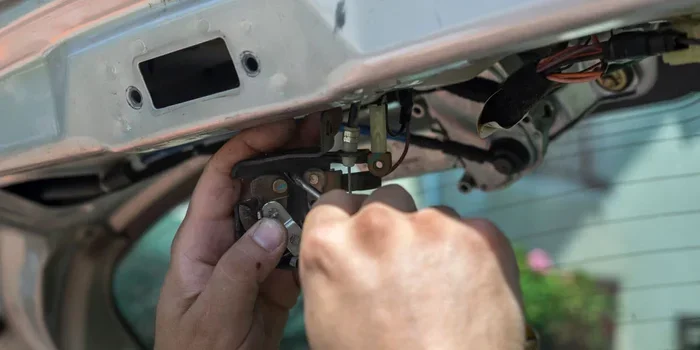
Replacing a truck hood latch is usually a straightforward job. Most latch assemblies are held on with a few bolts and connected to the cable with a simple clip. You can find replacement parts at auto parts stores or online. If you are not comfortable doing it yourself, a mechanic can handle the hood latch repair or replacement in under an hour.
When shopping for a new latch, look for one that matches your truck make, model, and year. Aftermarket latches can be a cost-effective option, but make sure they are made from quality materials. A cheap latch may save you money upfront but could fail sooner than expected.
Cost Considerations for Hood Latch Replacement
The cost of a hood latch replacement varies depending on the truck model and the type of latch. For most standard trucks, a new latch assembly costs between $30 and $100. If you hire a mechanic, add about $50 to $100 for labor. Overall, it is one of the more affordable repairs you can do on a truck, and the safety benefit is well worth the investment.
Conclusion
The truck hood latch may be a small part, but it plays an oversized role in your truck’s safety and functionality. From the latch body and striker plate to the release cable and secondary lock, every component works together to keep your hood secure and your drives safe. Understanding how this system works empowers you to spot problems early, perform basic maintenance, and make smart decisions about repairs and replacements.
Do not let a small latch issue turn into a big safety hazard. Take a few minutes to inspect your hood latch regularly, keep it clean and lubricated, and replace worn parts promptly. Your truck hood latch works hard every time you hit the road, and a little attention goes a long way in making sure it keeps doing its job for years to come.
Frequently Asked Questions
Can a bad truck hood latch cause damage to the engine?
Yes, it can. If the hood latch fails and the hood opens while driving, it can block your view and cause an accident. Additionally, a loose latch can let moisture and debris enter the engine bay, which may lead to rust and corrosion on sensitive components over time.
How much does it cost to replace a truck hood latch?
The cost is usually quite affordable. A new latch assembly typically costs between $30 and $100, and labor adds about $50 to $100 if you hire a mechanic. Overall, it is one of the less expensive truck repairs you can do.
Why does my hood latch keep sticking?
Sticking is often caused by dirt buildup, rust, or a lack of lubrication. Cleaning the latch body and striker plate, then applying a good quality lubricant like white lithium grease, usually fixes the problem. If the cable is frayed or stretched, that can also cause sticking.
Is it safe to drive with a loose hood latch?
No, it is not safe. A loose latch may not hold the hood securely, and it could open while you are driving. This creates a serious visibility hazard and increases the risk of a collision. Have the latch inspected and repaired as soon as possible.
Can I adjust my truck hood latch myself?
In many cases, yes. Minor adjustments to the striker plate or latch alignment can often be done at home with basic tools. However, if the latch body is cracked or the cable is damaged, replacement is the safer and more reliable option.
What is the difference between a hood latch and a hood hinge?
The hood latch locks the hood in place, while the hood hinge is the pivot point that allows the hood to open and close. They work together as part of the same system, but they serve different functions. The latch provides the locking force, and the hinge provides the movement.