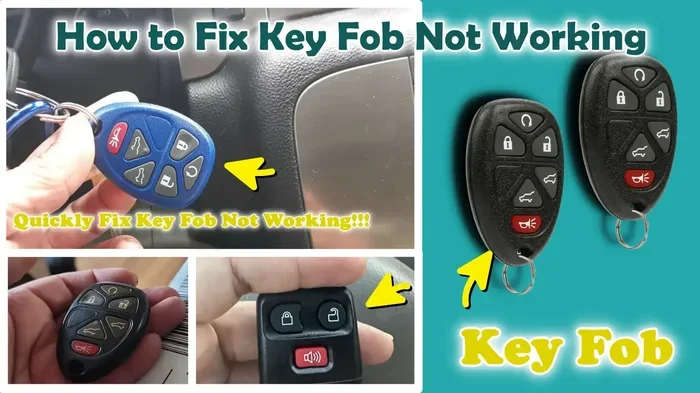
What Problems Can a Key Fob Cause and How to Fix Them
A key fob can cause frustrating issues like signal loss, battery drain, unresponsive buttons, and even prevent your car from starting. Understanding these problems early helps you avoid costly repairs and inconvenient breakdowns. This guide covers the most common key fob issues and provides clear, step-by-step fixes anyone can do at home. Whether your remote key fob has weak range or won’t sync, you’ll find practical solutions here. Learn how to troubleshoot, repair, and maintain your key fob for long-lasting performance.
You walk up to your car on a busy morning. You press the button on your key fob. Nothing happens. You press it again. Still nothing. That sinking feeling is all too familiar for anyone who relies on a remote key fob every single day.
Your key fob is one of the most used devices in your daily life. You probably don’t think about it until it stops working. And when it does, it can cause a long list of annoying — and sometimes serious — problems. From a simple dead battery to a broken transponder chip, the issues that affect a key fob range from minor inconveniences to major headaches.
This guide breaks down every common key fob problem you might face. More importantly, it gives you clear, actionable fixes you can try yourself before spending money on a technician. Whether you drive a sedan, SUV, or truck, these tips apply to most vehicles on the road today.
Let’s dive into the problems a key fob can cause and, just as importantly, how to fix them.
Key Takeaways
- Dead battery: A weak or dead key fob battery is the number one cause of remote failure and is easy to replace.
- Signal interference: Electronic devices and physical barriers can block your key fob signal and reduce range.
- Water damage: Moisture can destroy internal circuits, so protecting your remote from liquid exposure is essential.
- Programming errors: A lost sync between your key fob and car can usually be fixed with a simple reprogramming process.
- Button wear: Constant use causes key fob buttons to wear out, but cleaning or replacing the casing can help.
- Transponder issues: The immobilizer chip inside your key fob can fail, preventing the engine from starting.
- Regular maintenance: Simple habits like cleaning contacts and replacing batteries on schedule keep your key fob working reliably.
📑 Table of Contents
- Why Your Key Fob Matters More Than You Think
- Common Key Fob Problems and What Causes Them
- Key Fob Battery Issues and How to Replace Them
- Signal and Range Problems with Your Remote
- When the Key Fob Won’t Start Your Car
- How to Fix and Prevent Key Fob Problems
- Key Fob Replacement: When to Upgrade vs. Repair
- Key Takeaways
Why Your Key Fob Matters More Than You Think
Modern cars rely heavily on electronic keyless entry systems. Your remote key fob does more than just unlock doors. It arms the alarm, starts the engine, opens the trunk, and sometimes even remembers your seat and mirror settings. When any of these functions fail, it disrupts your entire routine.
A key fob malfunction can leave you stranded in a parking lot or locked out of your own vehicle. Understanding how your key fob works helps you diagnose problems faster. Most key fobs use a small radio transmitter to send a coded signal to your car’s receiver. When you press a button, the fob sends that signal at a specific frequency. Your car recognizes the code and responds accordingly.
Several things can interrupt this process. A weak key fob battery reduces the signal strength. Physical damage can break the internal circuit. Software glitches can cause the fob and car to lose their connection. Water exposure can corrode sensitive electronics. Each of these problems has a different cause and a different solution. That’s why it’s important to identify the exact issue before jumping to a fix.
Common Key Fob Problems and What Causes Them
Not all key fob problems look the same. Some are obvious. Others sneak up slowly. Here are the most frequent issues car owners face with their remotes.
Unresponsive Buttons
This is the most common complaint. You press the unlock button and nothing happens. Or you have to press it multiple times before it responds. The cause is usually one of three things: worn-out buttons, dirt buildup under the keys, or a weak battery. Over time, the rubber pads beneath the buttons wear thin. They lose their ability to make proper contact. Dust and grime can also get trapped inside the key fob casing and block the buttons from registering presses.
Weak or Intermittent Signal
Do you have to stand right next to your car for the key fob to work? That’s a clear sign of a weak signal. The most common cause is a dying battery. But interference from other electronic devices can also play a role. Cell phones, USB chargers, and even nearby security systems can disrupt the key fob signal. In rare cases, the antenna inside your car that receives the signal may be failing.
Key Fob Won’t Start the Car
Some vehicles require you to press the key fob button while pushing the start button. If the car doesn’t recognize the fob, the engine won’t turn over. This problem often points to a dead battery in the fob or a faulty transponder chip. The transponder is a small chip inside the fob that communicates a unique identification code to your car’s immobilizer system. If that chip fails, the car thinks someone is trying to steal it and refuses to start.
Key Fob Gets Stuck in the Ignition
This happens more often than people realize. A key fob with a physical key blade can sometimes get lodged in the ignition switch. It usually occurs when the steering wheel locks against the key cylinder. Trying to force it out can cause more damage. This is a mechanical issue that requires careful handling.
Water Damage to the Key Fob
Dropping your key fob in a puddle or washing it by accident can cause internal corrosion. Even a small amount of moisture can short-circuit the delicate electronics inside. Symptoms include buttons that stop working entirely or intermittent behavior that comes and goes. Water damage is one of the most serious problems because it can permanently destroy the circuit board if not addressed quickly.
Key Fob Buttons Wear Out Over Time
Constant daily use takes a toll. The rubber contacts under each button degrade with repeated pressure. After a few years, some buttons become hard to press or stop working altogether. This is a natural wear-and-tear issue, but it can be incredibly frustrating when it happens at the worst possible time.
Key Fob Battery Issues and How to Replace Them
The key fob battery is the single most common culprit behind remote problems. Most key fobs use a small coin-cell battery, typically a CR2032. These batteries last between two and four years, depending on how often you use the remote.
Signs Your Key Fob Battery Is Dying
Watch for these warning signs:
- The key fob works only when you’re very close to the car
- You need to press buttons harder or multiple times
- The remote works intermittently, then stops completely
- The car dashboard shows a low battery warning for the remote
- You need to hold the button down longer for a response
How to Replace the Battery Yourself
Replacing a key fob battery is one of the easiest repairs you can do at home. Here’s a simple step-by-step guide:
- Find the small seam or groove along the edge of your key fob casing.
- Use a small flathead screwdriver or a coin to gently pry the two halves apart.
- Remove the old battery and note which side faces up.
- Insert a new CR2032 battery with the positive side facing up.
- Snap the casing back together firmly.
- Test all buttons to make sure everything works.
Always use a fresh, high-quality battery. Cheap batteries lose their charge faster and may not provide consistent key fob performance. Keep a spare battery in your glove box so you’re never caught off guard.
How Often Should You Replace the Battery?
Most experts recommend replacing the key fob battery every two to three years as a preventive measure. This simple habit can save you from unexpected failures. If you notice any of the warning signs listed above, don’t wait. Replace the battery immediately. A new battery costs less than a few dollars and takes about two minutes to install.
Signal and Range Problems with Your Remote
Have you ever noticed your key fob works fine in your driveway but struggles in a crowded parking garage? Signal and range issues are surprisingly common and can be caused by several factors.
What Affects Key Fob Signal Strength
Your key fob transmits a radio signal at a specific frequency, usually around 315 MHz or 433 MHz depending on your vehicle. Several things can weaken or block that signal:
- Physical barriers: Concrete walls, metal structures, and thick vehicle coatings can block the signal.
- Electronic interference: Other wireless devices, power lines, and cell towers can create noise that disrupts the key fob signal.
- Low battery: A weak battery sends a weaker signal that may not reach the car’s receiver.
- Antenna issues: Your car has a small antenna inside the body that picks up the fob’s signal. If that antenna is damaged, range suffers.
How to Improve Your Key Fob Range
Try these tips to get better range from your remote key fob:
- Hold the fob up near your chin or chest when pressing the button. Your body can act as a signal amplifier.
- Stand away from large metal objects or electronic devices when using the fob.
- Replace the battery if it’s been more than two years.
- Check that the fob casing is intact and not cracked, which can weaken the internal antenna.
If you’ve tried all of these and the range is still poor, the issue might be with your car’s antenna or receiver module. In that case, a professional diagnostic scan can pinpoint the exact cause.
When the Key Fob Won’t Start Your Car
One of the most stressful key fob problems is when your car won’t start. This issue is especially common in vehicles with push-button start systems that rely entirely on the key fob to authorize the engine.
Common Reasons Your Car Won’t Start with the Key Fob
Here are the most likely causes:
- Dead key fob battery: The car can’t read the transponder code without sufficient power.
- Faulty transponder chip: The chip inside the fob is damaged or has lost its programming.
- Car battery is low: A weak car battery can prevent the system from recognizing the fob even if the fob itself is working fine.
- Software glitch: Occasionally, the car’s computer needs a reset to re-sync with the key fob.
- Worn key fob: Physical damage to the fob can break internal connections.
Quick Fixes to Try First
Before calling a locksmith or tow truck, try these steps:
- Replace the key fob battery with a new one.
- Hold the fob directly against the start button or the designated spot on your steering column. Many cars have a backup reading zone for dead fobs.
- Try the physical key blade if your fob has one. Some models allow a manual start.
- Turn the car’s ignition to the “On” position, wait 30 seconds, then try starting again.
- Check that the car battery has enough charge. A jump start may resolve the issue.
If none of these work, the problem likely requires professional diagnosis. A dealership or qualified auto electrician can check the transponder chip, the car’s receiver module, and the immobilizer system.
How to Fix and Prevent Key Fob Problems
The best way to deal with key fob problems is to prevent them from happening in the first place. A little regular maintenance goes a long way toward keeping your remote working smoothly for years.
Keep Your Key Fob Clean
Dirt and grime are silent killers of key fob buttons. Every few weeks, wipe down the exterior with a soft, damp cloth. Use a cotton swab dipped in rubbing alcohol to clean around the buttons and in the seams. This removes buildup that can cause buttons to stick or fail.
Store Your Key Fob Properly
Avoid storing your key fob near strong magnets, electronic devices, or in places where it could get wet. A fabric pouch or the small pouch that came with your car is ideal for storage. Don’t leave it in direct sunlight for extended periods, as heat can damage the internal electronics and shorten the key fob lifespan.
Replace the Battery Before It Dies
Don’t wait for the key fob to stop working. Set a reminder every two years to replace the battery proactively. This simple habit eliminates one of the most common causes of key fob failure and costs almost nothing.
Handle Physical Damage Quickly
If your key fob gets dropped, cracked, or exposed to water, address it right away. A small crack can let moisture in and corrode the circuit board. A key fob repair kit or replacement casing from an auto parts store can often save you from a full replacement.
Keep a Spare Key Fob
Always have a backup key fob available. If your primary fob fails, you won’t be left stranded. Most dealerships can program a spare fob for you, and having one on hand is invaluable during emergencies.
When to Seek Professional Help
Some key fob problems are beyond DIY fixes. If you’ve replaced the battery, cleaned the contacts, and tried reprogramming, but the fob still doesn’t work, it’s time to see a professional. Issues involving the transponder chip, the car’s receiver module, or internal circuit board damage usually require specialized tools and expertise. A professional key fob repair or replacement will cost more upfront but can save you from repeated frustration and unexpected breakdowns.
Key Fob Replacement: When to Upgrade vs. Repair
Sometimes the best fix is a full key fob replacement. If your fob is physically damaged beyond repair, has been exposed to significant water damage, or the internal electronics are failing, replacement is the most reliable option.
The cost of a key fob replacement varies widely. A basic replacement from a dealership can range from $50 to $400 depending on your vehicle make and model. Third-party suppliers and online retailers often offer the same fob at lower prices. Some auto parts stores even stock common key fob models and can program them for you on-site.
Before buying a replacement, confirm the exact model number for your vehicle. Using the wrong fob can cause compatibility issues and waste your money. Also check whether your warranty or insurance covers the cost of replacement.
Key Takeaways
- Dead battery: A weak or dead key fob battery is the number one cause of remote failure and is easy to replace.
- Signal interference: Electronic devices and physical barriers can block your key fob signal and reduce range.
- Water damage: Moisture can destroy internal circuits, so protecting your remote from liquid exposure is essential.
- Programming errors: A lost sync between your key fob and car can usually be fixed with a simple reprogramming process.
- Button wear: Constant use causes key fob buttons to wear out, but cleaning or replacing the casing can help.
- Transponder issues: The immobilizer chip inside your key fob can fail, preventing the engine from starting.
- Regular maintenance: Simple habits like cleaning contacts and replacing batteries on schedule keep your key fob working reliably.
Can a dead key fob battery cause the car not to start?
Yes, absolutely. A dead key fob battery is one of the most common reasons a push-button start car won’t turn on. The car’s system cannot read the transponder code without enough power in the fob. Replacing the battery usually solves this problem immediately.
How long does a key fob battery last?
Most key fob batteries last between two and four years. The exact lifespan depends on how frequently you use the remote and the quality of the battery you install. Replacing the battery every two to three years as a preventive measure is a smart habit.
Can water damage destroy a key fob permanently?
Yes, if the moisture reaches the circuit board and isn’t addressed quickly, it can cause permanent corrosion and short-circuiting. If your key fob gets wet, remove the battery immediately, let it dry completely, and clean the contacts before reassembling. If the damage is severe, a key fob replacement may be necessary.
How much does it cost to replace a key fob?
The cost varies by vehicle but typically ranges from $50 to $400 for a key fob replacement. Dealerships usually charge more than third-party suppliers or online retailers. Some auto parts stores also offer programming services at a lower cost.
Why does my key fob work sometimes but not others?
Intermittent key fob behavior is often caused by a weak battery, signal interference from nearby electronics, or internal button contact wear. Try replacing the battery first. If the problem persists, clean the button contacts and check for signal interference sources near where you typically use the fob.
Can I program a new key fob myself?
Many vehicles allow you to program a new or replacement key fob yourself using a simple sequence of button presses and ignition cycles. Check your owner’s manual for the specific steps for your car model. If the manual process doesn’t work, a dealership or locksmith can handle the key fob programming for you.
A key fob is a small device that plays a huge role in your daily driving experience. When it works, you barely notice it. When it doesn’t, it can turn a simple commute into a major headache. The good news is that most key fob problems are preventable or easy to fix with basic knowledge and a little proactive care.
Start by keeping an eye on battery life, storing your fob safely, and cleaning it regularly. If a problem does arise, work through the troubleshooting steps in this guide before calling in the professionals. You’ll save time, money, and a lot of frustration. And if the issue turns out to be beyond a DIY fix, you’ll at least know exactly what’s wrong, which makes the repair process smoother and more cost-effective.
Take care of your key fob today, and it will take care of you tomorrow. A little attention now prevents big problems later.
Frequently Asked Questions
What is What Problems Can a Key Fob Cause??
What Problems Can a Key Fob Cause? is an important topic with many practical applications.