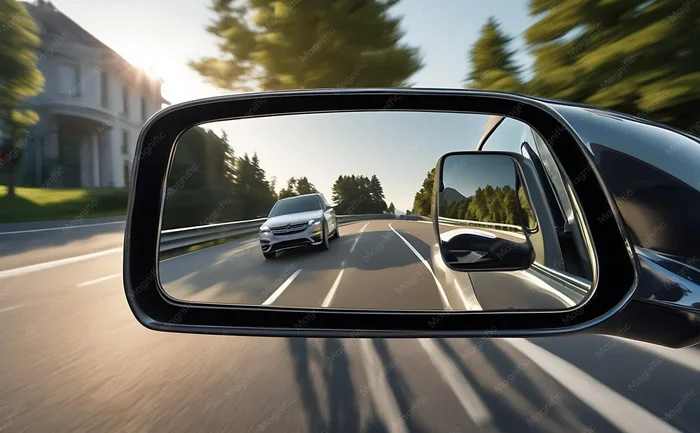
Car Rear View Mirror: Types and Functions Explained
A car rear view mirror is one of the most important safety features in any vehicle. This guide covers the different types of car rear view mirror, how they work, and which one fits your driving needs. You will learn about manual mirrors, auto-dimming mirrors, blind spot mirrors, and more. We also share practical tips for adjustment, maintenance, and replacement.
You probably glance at your car rear view mirror a hundred times a day without thinking twice. But have you ever stopped to consider how many types exist and what each one actually does? Your mirrors are not just pieces of glass stuck to your windshield. They are vital safety tools that help you see what is happening behind and around your vehicle.
Whether you drive a compact sedan or a full-size truck, understanding your car rear view mirror can make a huge difference. This guide breaks down every major type of mirror, explains how each one works, and gives you practical advice you can use right away. We will also cover common problems, smart upgrades, and simple maintenance tips that keep your mirrors in top shape.
By the end of this article, you will know more about car mirrors than most drivers ever do. Let us dive in and explore the world of rear view mirrors together.
Key Takeaways
- Different mirror types serve different purposes: manual, auto-dimming, blind spot, and towing mirrors each solve unique driving challenges.
- Proper adjustment is critical for safety: a correctly positioned car rear view mirror eliminates blind spots and reduces glare.
- Advanced mirror technologies like auto-dimming and heated mirrors add comfort and safety, especially for night driving and cold weather.
- Common mirror problems include fogging, cracking, and loose mounts. Most are easy to fix at home with basic tools.
- Choosing the right mirror depends on your vehicle type, driving habits, and budget. There is no one-size-fits-all solution.
- Regular maintenance extends mirror life and keeps your visibility clear on every trip.
📑 Table of Contents
- Why Your Car Rear View Mirror Matters
- Types of Car Rear View Mirrors
- How to Properly Adjust Your Car Rear View Mirror
- Advanced Mirror Technologies in Modern Cars
- Common Car Rear View Mirror Problems and Solutions
- How to Choose the Right Mirror for Your Car
- Maintenance Tips to Keep Your Mirrors in Great Shape
- Conclusion
Why Your Car Rear View Mirror Matters
Many drivers take their mirrors for granted. You adjust them once when you first get the car and rarely think about them again. But your car rear view mirror plays a huge role in keeping you safe on the road every single day.
Here is why mirrors matter so much. They give you a clear view of traffic behind you. They help you change lanes safely. They let you spot emergency vehicles approaching from behind. Without properly functioning mirrors, driving becomes risky and stressful.
According to road safety experts, improper mirror adjustment is one of the leading causes of blind spot accidents. A simple fix like correctly positioning your car rear view mirror can prevent collisions. The mirror works alongside your side mirrors and rearview camera to create a complete picture of your surroundings.
Think of your mirrors as your eyes on the back of your head. They do the work that your neck simply cannot do. When they are dirty, cracked, or misaligned, your safety drops immediately.
The Role of the Interior Mirror
The interior mirror, also called the rear view mirror, sits on your windshield behind the dashboard. It gives you a direct line of sight through the rear window. This mirror is the most important one in your car because it provides the widest and most centered view of what is behind you.
Most interior mirrors are manual, meaning they do not move on their own. You simply grab the edge and tilt it up or down, left or right. Some premium vehicles come with auto-dimming interior mirrors that automatically reduce glare from headlights behind you at night. This is a game changer for comfortable night driving.
Types of Car Rear View Mirrors
Not all car rear view mirrors are the same. Different types serve different needs. Let us walk through each one so you can understand what you have and what might work better for you.
Manual Rear View Mirrors
The manual rear view mirror is the most common type found in cars today. It is a simple glass mirror mounted on the windshield with a lever or friction mount underneath. You adjust it by hand to get the best view of the road behind you.
These mirrors are affordable, reliable, and easy to replace. Almost every vehicle comes with at least one manual interior mirror. They work perfectly fine for most daily drivers. The only downside is that they do not adjust automatically, and they can produce glare at night.
If you drive an older car or a budget vehicle, your car rear view mirror is almost certainly a manual type. They last a long time and rarely need repairs.
Auto-Dimming Mirrors
Auto-dimming mirrors are a step up from manual mirrors. They use sensors to detect bright light from behind, such as headlights of a car tailgating you at night. The mirror darkens automatically to reduce glare and then lightens again when the light source moves away.
These mirrors use a special electrochromic gel between two glass layers. When electricity flows through the gel, it darkens. It is a smooth and seamless process that happens in seconds.
Auto-dimming mirrors are especially helpful for people who drive long distances at night. They reduce eye strain and improve safety. Many luxury cars and modern SUVs come with this feature standard. You can also buy aftermarket auto-dimming mirrors to upgrade your current vehicle.
Blind Spot Mirrors
Blind spot mirrors are small convex mirrors that attach to your side mirrors. They give you a wider viewing angle and help you see cars, bikes, and pedestrians that would otherwise be hidden in your blind spots.
These mirrors are curved outward, which distorts the image slightly but expands your field of view significantly. They are especially useful for drivers who frequently change lanes on busy highways.
You can buy blind spot mirror kits at most auto parts stores. They stick on with adhesive or clip onto the existing mirror housing. They are an affordable and easy way to improve your car rear view mirror setup without any permanent modifications.
Towing Mirrors
If you pull a trailer, boat, or RV, standard mirrors will not give you enough visibility. Towing mirrors are wider and extend outward to give you a clear view along the sides and behind your trailer.
These mirrors come in manual and power versions. Power towing mirrors can fold in and out with the push of a button, which is very convenient. Some models also include heating elements to prevent fogging in cold weather.
Towing mirrors are essential for anyone who regularly hauls heavy loads. They improve safety and are often required by law for vehicles towing wide loads. If you own a truck or SUV, consider upgrading to a towing mirror setup for better control.
Heated Mirrors
Heated mirrors contain a small electrical element behind the glass that warms the mirror surface. This prevents fog and ice from building up on your car rear view mirror during cold or humid weather.
Heated mirrors are common in cold climate vehicles. They activate with a simple button or automatically when the temperature drops below a certain point. They work quickly and are very effective at keeping your mirrors clear.
If you live in a region with cold winters, heated mirrors are a must-have feature. They are often bundled with other mirror features like turn signal indicators and auto-dimming capabilities.
Power Mirrors
Power mirrors adjust with the push of a button inside the car. They eliminate the need to manually grab and tilt the mirror. Most modern vehicles come with power-adjustable side mirrors as standard.
Some cars also offer power-adjustable interior mirrors. You can tilt the car rear view mirror up or down with a small switch on the mirror itself or on the driver’s door panel. This is a small convenience that adds up over time, especially for drivers of different heights.
Power mirrors are more prone to electrical issues than manual mirrors, but they are generally very reliable. If a power mirror stops working, the fix is often a simple fuse replacement or motor repair.
How to Properly Adjust Your Car Rear View Mirror
Even the best mirror will not help you if it is not adjusted correctly. Proper adjustment is one of the simplest yet most overlooked safety habits in driving. Let us go through the correct steps for adjusting each mirror.
Adjusting the Interior Mirror
Sit in your driver’s seat and position yourself in your normal driving posture. Grab the edge of your car rear view mirror and tilt it until you can see the entire rear window through the glass. You should not see the inside of your car in the reflection.
The goal is to capture as much of the view behind you as possible. The mirror should frame the rear window completely. If you sit up straight and still cannot see the back window, the mirror may need to be repositioned or replaced.
For manual mirrors, use the lever underneath to change the angle. For auto-dimming mirrors, the glass itself tilts. Either way, take a few extra seconds to get it right before you start driving.
Adjusting the Side Mirrors
Your side mirrors are just as important as the interior mirror. To adjust them correctly, follow these steps:
- Sit in your normal driving position and grip the steering wheel.
- Adjust the left side mirror so you can barely see the side of your car in the right edge of the glass.
- Adjust the right side mirror the same way on the left edge.
- When you check your mirrors, your blind spots should be minimized.
The idea is that your car rear view mirror covers what is directly behind you, while the side mirrors cover the areas to the left and right. Together, they create a nearly complete view of your surroundings.
Quick Tips for Mirror Adjustment
- Adjust your mirrors every time someone else drives your car. Different drivers have different seating positions.
- Clean your mirrors before adjusting. A dirty mirror makes it harder to see and judge distances.
- Check your mirrors frequently while driving. Do not just rely on one glance before changing lanes.
- Use the auto-dimming feature if your car has it. Turn it on at night to reduce headlight glare.
Advanced Mirror Technologies in Modern Cars
Car mirror technology has come a long way in recent years. Modern vehicles now feature smart mirrors that go far beyond simple glass and metal. Let us look at some of the most exciting advancements.
Rearview Cameras and Digital Mirrors
Some cars now replace the traditional interior mirror with a digital screen that shows a live feed from a rearview camera. These digital mirrors offer a wider, unobstructed view of the road behind you, even if your trunk is loaded with cargo that blocks the rear window.
Digital mirrors are especially popular in sedans and SUVs with thick rear seats. They give drivers a crystal-clear view that no traditional mirror can match. As camera technology improves, we can expect digital mirrors to become more common in mainstream vehicles.
Wide-Angle and Convex Mirrors
Wide-angle mirrors use a curved surface to show a broader view than a flat mirror. You have probably seen these on the passenger side of many cars. The text “Objects in mirror are closer than they appear” is a legal requirement for convex mirrors because they distort distance perception.
Wide-angle mirrors are helpful for parking and changing lanes. However, they should never replace your standard mirrors. Use them as supplements to your car rear view mirror and side mirrors for the best overall visibility.
Integrated Turn Signal Mirrors
Some mirror housings include built-in turn signal lights. These small LED indicators sit on the mirror housing and make your turning intentions more visible to other drivers. They are a small but effective safety upgrade, especially for motorcycles and compact cars where turn signals can be harder to see.
Common Car Rear View Mirror Problems and Solutions
Mirrors take a beating over time. They get bumped, fogged, cracked, and misaligned. Here are the most common problems drivers face and how to fix them.
Foggy Mirrors
Fog on your car rear view mirror is frustrating and dangerous. It happens when warm, moist air hits the cool glass surface. The simplest fix is to turn on your rear defroger, which many vehicles have built into the mirror or rear window.
You can also use an anti-fog spray or wipe. These products create a thin film on the glass that prevents moisture from clinging. For a quick DIY fix, a small amount of shaving cream on a cloth and buffed onto the mirror works surprisingly well.
Cracked or Damaged Mirror Glass
A cracked mirror reduces visibility and can spread over time. Small cracks can sometimes be repaired with a resin kit from an auto parts store. However, larger cracks or shattered mirrors should be replaced entirely.
Replacement mirror glass is widely available and affordable. You can buy pre-cut glass pieces that fit specific vehicle models. The installation process usually involves removing the old glass, cleaning the housing, and snapping the new piece in place.
Loose or Wobbly Mirror Mount
If your car rear view mirror wobbles or falls down, the mount is likely worn out. The friction ball inside the mount loses its grip over time. You can buy replacement mount kits that slide right into the existing base.
For a quick temporary fix, try wrapping a small rubber band around the mount to add friction. This will hold the mirror in place until you can get a proper replacement. Just be sure to replace it soon, as a loose mirror can be a distraction while driving.
Mirror Not Dimming (Auto-Dimming Issues)
If your auto-dimming mirror stops working, the sensors on the back of the mirror may be dirty. Clean the sensor area with a soft cloth. If cleaning does not help, the sensor unit may need to be replaced.
Auto-dimming mirror repair can be done by a professional or a handy DIYer. Replacement sensors are available online and are relatively inexpensive. Check your vehicle manual for the exact part number before ordering.
How to Choose the Right Mirror for Your Car
Choosing the right car rear view mirror depends on several factors. Your vehicle type, driving habits, and budget all play a role. Here is a simple guide to help you decide.
Consider Your Driving Environment
If you drive mostly in the city, a standard manual mirror will work fine. City driving involves lower speeds and less need for advanced features. However, if you drive on highways at night, an auto-dimming mirror is a worthwhile investment.
For drivers in cold climates, heated mirrors are essential. They prevent fogging and ice buildup that can block your view during winter months. If you tow trailers or haul cargo, consider upgrading to towing mirrors for better visibility.
Budget Considerations
Manual mirrors are the most affordable option, often costing under $20 for replacement glass. Auto-dimming mirrors range from $50 to $200 depending on the brand and features. Towing and heated mirrors fall in the middle range, typically $30 to $100.
Aftermarket mirrors are a great way to add features to an older vehicle. You do not need to buy a new car to enjoy auto-dimming or heated mirror technology. Many universal fit mirrors work with a wide range of vehicle models.
Installation Tips
Installing a new car rear view mirror is usually straightforward. Most mirrors use a suction cup or adhesive mount. Clean the windshield surface thoroughly before mounting. Use a microfiber cloth and a small amount of rubbing alcohol to remove any oils or residue.
For power mirrors, you will need to connect the wiring harness to your vehicle’s electrical system. If you are not comfortable with electrical work, have a professional handle the installation. A properly installed mirror will last for years without issues.
Maintenance Tips to Keep Your Mirrors in Great Shape
Your car rear view mirror does not need a lot of maintenance, but a little care goes a long way. Here are some simple tips to keep your mirrors working perfectly.
- Clean your mirrors weekly. Use a glass cleaner and a soft microfiber cloth. Avoid paper towels, which can leave scratches.
- Check the mount regularly. Make sure the mirror is secure and does not wobble. Tighten any loose screws or replace worn friction mounts.
- Replace cracked glass immediately. Even a small crack can grow and eventually cause the mirror to shatter.
- Protect mirrors from extreme heat. Park in the shade when possible. Prolonged sun exposure can weaken the mirror housing and adhesive.
- Use mirror covers in winter. A simple cover protects your mirrors from ice and snow buildup overnight.
Taking care of your mirrors is one of the easiest ways to improve your driving safety. A clean, properly adjusted mirror gives you confidence and awareness on every trip.
Conclusion
Your car rear view mirror is much more than a simple piece of glass. It is a critical safety device that keeps you aware of your surroundings and helps you make better driving decisions. From basic manual mirrors to advanced auto-dimming and digital mirrors, there is a wide range of options available to suit every driver and every vehicle.
Understanding the different types of mirrors, how to adjust them properly, and how to maintain them will make you a safer and more confident driver. Whether you are driving in the city, on the highway, or towing a trailer, your mirrors are your best friends for staying aware of what is happening behind you.
Take a few minutes today to check your mirrors. Make sure they are clean, properly adjusted, and in good working condition. A small effort like this can make a big difference every time you hit the road. Your safety and the safety of others depends on it.
Frequently Asked Questions
What is the difference between a car rear view mirror and a side mirror?
The car rear view mirror is the interior mirror on your windshield that looks directly through the back window. Side mirrors are mounted on the left and right sides of your vehicle and cover the areas beside and slightly behind you. Together, they give you a complete view of your surroundings.
Can I replace a cracked car rear view mirror myself?
Yes, most cracked car rear view mirrors can be replaced at home. Replacement glass pieces are widely available and affordable. You simply remove the old glass, clean the housing, and snap the new piece in place. Just be careful with any small glass fragments and wear gloves.
Are auto-dimming mirrors worth the extra cost?
Absolutely. Auto-dimming mirrors reduce nighttime glare from headlights behind you, which significantly improves comfort and safety. They are especially valuable for drivers who regularly travel on highways at night or who are sensitive to bright lights.
How often should I adjust my car rear view mirror?
You should adjust your car rear view mirror every time you start driving, especially if someone else has used the vehicle. Your seating position changes the angle, and a properly adjusted mirror is essential for maximum visibility and safety.
Do blind spot mirrors really help with visibility?
Yes, blind spot mirrors are small convex mirrors that attach to your side mirrors and significantly expand your viewing angle. They help you see vehicles, cyclists, and pedestrians that would otherwise be hidden in your blind spots. They are an affordable and easy-to-install safety upgrade.
What causes a car rear view mirror to fall off the windshield?
A car rear view mirror can fall off due to a worn-out suction cup, a weakened adhesive mount, or extreme temperature changes that break down the bonding material. Replacing the mount or using a fresh adhesive pad usually solves the problem quickly and cheaply.