How Can I Find Out Who Owns a Car and Why It Matters
How can I find out who owns a car? This guide walks you through every reliable method to lookup vehicle ownership, from free online tools and license plate searches to DMV records and VIN lookups. You will learn the legal options, practical tips, and important reasons why knowing the car owner matters for buyers, sellers, and anyone dealing with vehicle-related decisions.
Have you ever needed to know how can I find out who owns a car? Maybe you are buying a used vehicle and want to verify the seller. Perhaps you were in an accident and need to track down the other driver. Or maybe you simply spotted a cool car and wondered who it belongs to.
Whatever your reason, finding out who owns a car is more doable today than ever before. You have several options, ranging from free online searches to official government records. But not all methods are created equal, and some come with legal limits you need to know about.
In this guide, we will walk you through every reliable method to lookup vehicle ownership. We will cover free and paid tools, explain the legal boundaries, and share practical tips to help you get accurate results. By the end, you will know exactly which approach fits your situation best.
Key Takeaways
- Multiple lookup methods exist: You can use license plate numbers, VIN lookups, DMV requests, and online databases to find car ownership information.
- Free and paid options are available: Many basic searches cost nothing, while detailed reports from services like CARFAX or VINCheck offer deeper insights.
- Legal boundaries matter: There are strict privacy laws governing how you can access and use vehicle ownership records.
- Always verify before trusting: Relying on unverified websites or single sources can lead to wrong information and poor decisions.
- Know your reason: Understanding why you need the information helps you choose the right method and stay within legal limits.
- Vehicle history reports add value: Combining ownership data with accident history, lien status, and service records gives you the full picture.
- Start with what you have: A license plate or VIN number is your best starting point for any ownership search.
📑 Table of Contents
Why Knowing Who Owns a Car Matters
Finding out who owns a car is not just about curiosity. There are real, practical reasons why this information matters. Whether you are a buyer, seller, or someone dealing with a legal matter, knowing the owner can protect you and save you from serious headaches.
Protecting Yourself as a Car Buyer
When you buy a used car, you want to make sure the seller is the actual owner. A quick car ownership lookup can confirm whether the person selling the vehicle has the legal right to do so. If the seller cannot prove ownership, that is a huge red flag. You could end up buying a car with a lien on it, or worse, a stolen vehicle.
A vehicle history report from services like CARFAX or AutoCheck combines ownership data with accident history, title status, and service records. This gives you a much clearer picture before you hand over any money. Always run a VIN lookup before purchasing a used car.
Legal and Financial Reasons
There are many legal situations where you need to know who owns a vehicle. If you were involved in a car accident, you may need the other driver’s insurance and registration details. If you are dealing with an estate, you might need to confirm vehicle ownership as part of asset distribution.
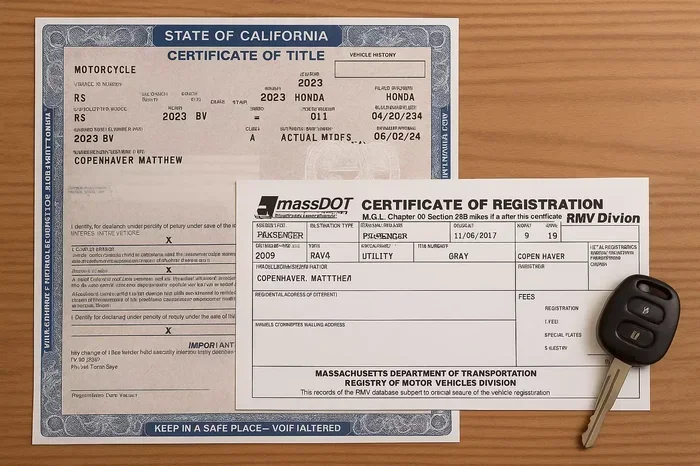
Even businesses need this information. If a company vehicle causes damage or injury, knowing the registered owner is essential for insurance claims and legal action. Vehicle registration records serve as an official link between a car and its owner, and these records are maintained by your state’s Department of Motor Vehicles.
Methods to Find Out Who Owns a Car
So how can I find out who owns a car in practice? There are several methods available, each with its own strengths. Let us break them down so you can choose the best approach for your situation.
Using the License Plate Number
The license plate number is one of the easiest starting points. Many online lookup tools let you enter a plate number and receive basic ownership information. These tools pull data from publicly available vehicle registration databases.
Keep in mind that the level of detail you get varies. Some tools show the owner’s name and state of registration. Others may only confirm that the plate is registered in a certain state. Free license plate lookup sites can give you a quick answer, but they are not always 100% accurate or up to date.
If you need more reliable results, consider using a paid service that aggregates data from multiple sources. These services often cross-reference license plate data with other records to give you a more complete picture.
Requesting Records from the DMV
Your state’s DMV maintains detailed vehicle registration records. You can submit a formal request to access this information. However, the process varies by state, and not all states allow public access to ownership details.
In many cases, you will need a valid reason to request this information. For example, if you were involved in a traffic accident, you can request the other driver’s registration details through your insurance company or legal representative. Some states also allow you to request records for specific legal purposes, such as a lien search or a court case.
To start, visit your state’s DMV website and look for information on public records requests. You may need to fill out a form and provide identification. The process can take a few days to a few weeks, depending on the state.
Running a VIN Lookup
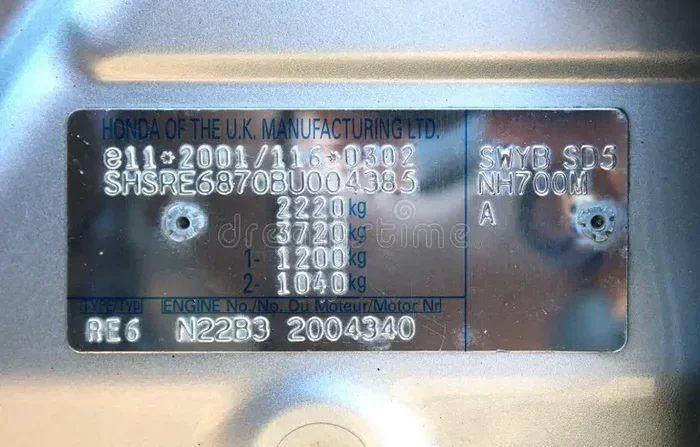
The vehicle identification number, or VIN, is a unique 17-character code assigned to every car. A VIN lookup is one of the most powerful methods for finding ownership information and vehicle history. You can usually find the VIN on the dashboard near the windshield, on the driver’s side door jamb, or on the vehicle title.
Several free and paid services offer VIN lookups. The National Insurance Crime Bureau (NICB) provides a free VINCheck tool that lets you see if a vehicle has been reported stolen or salvaged. Other services like CARFAX and AutoCheck offer more comprehensive reports that include ownership history, accident records, and lien information.
A VIN lookup is especially useful when buying a used car because it lets you verify that the VIN on the vehicle matches the VIN on the title. This simple check can help you avoid fraud and ensure you are dealing with the legitimate owner.
Free vs Paid Tools for Car Ownership Lookup
When you search for who owns a car, you will find both free and paid options. Understanding the differences helps you choose wisely and avoid wasting time or money.
| Feature | Free Tools | Paid Services |
|---|---|---|
| Basic Ownership Info | Limited or partial | Full details |
| Vehicle History Report | Usually not included | Included |
| Accident and Damage Records | Rarely available | Comprehensive |
| Lien and Title Status | Not available | Included |
| Speed of Results | Instant | Instant to 24 hours |
| Accuracy | Variable | High, with updates |
Free Options You Can Try
Several free tools can help you get started. The NICB VINCheck tool is a great first step. You can also try your state’s DMV website for basic registration lookups. Some search engines and public records sites offer limited free searches based on license plate or VIN.
However, free tools have limitations. They may not give you the full ownership history, and the information might not be current. If you need reliable, detailed results, a paid service is usually the better choice.
When Paid Services Are Worth It
If you are buying a used car, spending $40 to $60 on a vehicle history report is one of the best investments you can make. These reports pull data from multiple sources, including insurance companies, repair shops, and state motor vehicle records. They give you a comprehensive view of the car’s past.
Paid services also tend to update their databases more frequently, which means the information is more likely to be accurate. When you are making a big financial decision, paying for reliable data is well worth it.
Legal and Ethical Boundaries
Before you dive into any ownership search, it is important to understand the legal and ethical limits. Vehicle ownership information is considered personal data in many states, and there are laws governing how it can be accessed and used.
What the Law Allows
The Driver’s Privacy Protection Act (DPPA) is a federal law that restricts how personal information from motor vehicle records can be used. Under this law, you can only access personal details like the owner’s name and address for permitted purposes. These include car sales, insurance claims, legal proceedings, and certain government functions.
If you misuse this information, you could face serious penalties. Always make sure your reason for searching is legitimate and that you plan to use the information responsibly. If you are unsure, consult with a legal professional before proceeding.
Privacy Concerns You Should Know
Even when a search is legal, you should handle the information with care. Do not share someone’s personal details publicly or use them for harassment or stalking. Respecting other people’s privacy is not just the law, it is basic decency.
If you are a private investigator or working on behalf of a business, make sure you follow all applicable state and federal regulations. Many states have their own additional privacy laws that go beyond the DPPA. Staying informed keeps you on the right side of the law.
Common Mistakes to Avoid When Searching for Car Ownership
Even with good intentions, people make mistakes when trying to find out who owns a car. Avoiding these common errors saves you time, money, and frustration.
Relying on Unverified Sources
The internet is full of websites that claim to provide vehicle ownership information, but not all of them are trustworthy. Some sites collect your personal data and deliver inaccurate results. Others are outright scams designed to take your money.
Stick to well-known services and official government sources. If you are using a new website, check for reviews and verify its legitimacy before entering any information. A quick search for the site name plus the word “scam” can reveal a lot.
Skipping the Vehicle History Report
Some people find the owner’s name and stop there. But ownership is only one piece of the puzzle. A car could have a clean title but a troubled history, or vice versa. Always combine ownership data with a full vehicle history report for the most complete picture.
A vehicle history report can reveal prior accidents, flood damage, odometer rollbacks, and lien statuses. These details can affect the car’s value and your safety. Skipping this step is a mistake no buyer should make.
Ignoring State-Specific Rules
Every state has different rules about public access to vehicle records. What works in one state may not work in another. For example, some states allow direct DMV lookups, while others require you to go through an insurance company or legal representative.
Before you start your search, check your state’s specific regulations. This saves you from hitting dead ends and ensures you stay within the law.
Quick Tips and Final Thoughts
Finding out who owns a car does not have to be complicated. Here are some quick tips to make your search smoother and more effective.
- Start with what you have. A license plate number or VIN gives you the most to work with. Always note these down before you begin any search.
- Use multiple sources. No single tool gives you the complete picture. Cross-reference free and paid services for the most accurate results.
- Verify the VIN. Make sure the VIN on the vehicle matches the VIN on the title and any online reports. Mismatches can signal fraud.
- Check for liens. A car might have a clear owner on paper, but still have an outstanding loan. A lien search through the DMV or a paid vehicle history report can reveal this.
- Know your state’s rules. Familiarize yourself with your state’s DPPA regulations and DMV procedures before you submit any requests.
- When in doubt, hire a professional. If you need detailed ownership information for legal reasons, a licensed private investigator or attorney can help you navigate the process legally and efficiently.
Knowing how can I find out who owns a car is a valuable skill in many situations. Whether you are a cautious buyer, someone dealing with an accident, or just curious, the right approach gives you confidence and clarity. Start with the methods outlined in this guide, respect the legal boundaries, and always verify your findings through multiple sources.
The process is straightforward once you know where to look and what to avoid. With the right tools and a careful approach, you can uncover the ownership details you need and make informed decisions with peace of mind.
Frequently Asked Questions
Can I find out who owns a car for free?
Yes, you can use free tools like the NICB VINCheck or your state’s DMV website for basic information. However, free tools usually offer limited details and may not always be up to date. For comprehensive results, a paid vehicle history report is recommended.
Is it legal to look up who owns a car by license plate?
In most states, basic lookup tools that use a license plate number are legal to use. However, accessing detailed personal information from DMV records is restricted by the Driver’s Privacy Protection Act. You can only access personal details for permitted purposes like a car sale or insurance claim.
How long does a VIN lookup take?
A VIN lookup is usually instant. Free tools like NICB VINCheck return results within seconds. Paid services like CARFAX may take a few minutes to generate a full report, but the process is generally very fast and requires no waiting period.
What if the seller refuses to provide the VIN?
This is a major red flag. A legitimate seller should always be willing to share the VIN. Without it, you cannot run a vehicle history report or verify the car’s identity. Walk away from any sale where the seller refuses to provide this basic information.
Can a private investigator help me find a car owner?
Yes, a licensed private investigator has access to databases and legal channels that can help you find vehicle ownership information. This is especially useful for complex cases involving legal disputes, missing persons, or situations where standard methods have failed.
Does a vehicle history report show the current owner?
Most vehicle history reports include ownership history, which shows previous and current registered owners. They also include title status, accident records, and lien information. This makes them one of the most comprehensive tools for learning about a vehicle’s background.