Can Skipping Oil Changes Cause Overheating in Your Car
Yes, skipping oil changes can absolutely cause your car to overheat. Old, degraded oil loses its ability to lubricate and dissipate heat, leading to serious engine damage. Regular oil changes are one of the simplest and most effective ways to prevent engine overheating and keep your vehicle running smoothly.
You might not think much about your engine oil until something goes wrong. But here is the truth. Can skipping oil changes cause overheating in your car? The short answer is yes. And it happens more often than you might think.
Every time you drive, your engine generates an incredible amount of heat. Oil acts as the lifeblood that keeps everything running smoothly. It reduces friction, cleans away debris, and helps regulate temperature. When you skip an oil change, that protection breaks down fast. The result can be anything from minor performance issues to a completely seized engine.
In this article, we will walk through exactly how skipping oil changes leads to overheating. You will learn the warning signs to watch for, how often you really need to change your oil, and what it costs when you neglect this simple task. Whether you are a new car owner or have been driving for years, this guide will help you protect your engine and avoid expensive repairs.
Key Takeaways
- Old oil breaks down: Over time, oil loses its lubricating properties, causing increased friction and heat buildup inside the engine.
- Overheating is a real risk: Skipping oil changes is one of the most common causes of vehicle overheating that drivers overlook.
- Warning signs matter: Recognizing early symptoms like steam from the hood or a rising temperature gauge can save you from expensive repairs.
- Follow the schedule: Sticking to your oil change interval keeps the engine properly protected and cooled.
- Oil type matters: Synthetic oil offers better heat resistance and longer life compared to conventional oil.
- Prevention is cheap: A routine oil change costs far less than repairing a seized or overheated engine.
📑 Table of Contents
How Engine Oil Prevents Overheating
Most drivers do not think about what their engine oil actually does. They just know they need to get it changed. But understanding the role oil plays makes it much easier to see why skipping a change causes so much trouble.
Engine oil serves several critical functions. It lubricates moving parts, reduces friction, carries heat away from hot components, and keeps contaminants from building up inside the engine. Without fresh oil, none of these jobs get done properly.
The Lubrication Factor
Your engine has hundreds of moving metal parts. Pistons, crankshafts, camshafts, and valves all move at high speeds. Fresh oil creates a thin film between these parts. This film reduces metal-on-metal contact and keeps friction to a minimum.
When oil gets old, it breaks down. The oil viscosity changes, and it becomes thinner or thicker than it should be. Thinner oil cannot maintain a proper lubricating film. Thicker oil does not flow where it needs to go. Either way, friction increases. And friction creates heat.
Heat Dissipation and Cooling
Your engine produces a tremendous amount of heat during combustion. The coolant system handles the bulk of heat removal. But oil also plays a big role in managing temperature. As oil circulates through the engine, it absorbs heat from hot components and carries it to the oil pan, where it cools down.
Old oil simply cannot absorb and transfer heat as effectively. It becomes less efficient at this job over time. The result is a gradual rise in internal engine temperatures. If this continues long enough, your engine will start to overheat.
Cleaning and Contaminant Control
Fresh oil contains additives that help keep the engine clean. These additives suspend dirt, metal particles, and combustion byproducts. They prevent these contaminants from settling on engine surfaces.
When oil ages, it loses its cleaning ability. Contaminants build up and form what mechanics call engine sludge. Sludge clogs oil passages and restricts flow. Reduced oil flow means less heat gets carried away. And that leads directly to overheating.
What Happens When You Skip Oil Changes
Skipping one oil change might not cause immediate disaster. But making a habit of it? That is a different story. Let us look at what happens inside your engine when you push too far between changes.
Oil Degradation Over Time
Engine oil undergoes a process called thermal breakdown. This happens naturally as the oil is exposed to high temperatures over time. The chemical composition of the oil changes. It loses its ability to lubricate, cool, and clean effectively.
Factors that speed up oil degradation include:
- Driving in hot weather
- Stop-and-go traffic
- Towing heavy loads
- Short trips where the engine never fully warms up
- Dusty or dirty driving conditions
The more you expose your oil to these conditions, the faster it degrades. And degraded oil simply cannot protect your engine the way it should.
Increased Friction and Heat Buildup
When oil breaks down, it loses its lubricating power. Metal parts start rubbing against each other with less and less protection. This friction generates even more heat. It creates a dangerous cycle.
More friction means more heat. More heat breaks down the oil faster. And faster oil breakdown means even more friction. This vicious cycle can push your engine temperatures to dangerous levels in a surprisingly short time.
The Sludge Problem
As mentioned earlier, old oil turns into sludge. This thick, dark substance clogs the small passages that oil needs to travel through. Think of it like cholesterol building up in your arteries. The flow gets restricted, and the system starts to fail.
When oil cannot reach all the parts of your engine, those parts overheat. Some areas get starved of lubrication entirely. This is how engine damage starts, and it often happens without any obvious warning at first.
Oil Pressure Drop
Old oil also affects your oil pressure. Sludge and contaminants make the oil thicker and harder to pump. Your oil pump has to work harder to push the oil through the engine. When oil pressure drops, critical components do not get the lubrication they need.
Low oil pressure is one of the leading causes of engine overheating. It also accelerates wear on bearings, camshafts, and other internal parts. The damage compounds quickly when oil pressure is not maintained.
Warning Signs That Your Car Is Overheating
Catching overheating early can save you from a catastrophic engine failure. Your car gives you plenty of warning signs. You just need to know what to look for.
Temperature Gauge Reading High
The most obvious sign is your temperature gauge climbing into the red zone. If you notice the needle moving higher than normal, pull over safely and turn off the engine. Continuing to drive with an overheating engine can cause permanent damage within minutes.
Steam or Smoke From the Hood
Steam coming from under the hood is a clear sign that your engine is running too hot. This usually means coolant is leaking and hitting hot engine parts. It can also happen when oil has broken down so badly that it is literally burning inside the engine.
Unusual Smells
Your nose can be a great diagnostic tool. A sweet smell often indicates a coolant leak. A burnt, oil-like smell usually means oil is overheating and breaking down. Either way, you should pull over and investigate.
Engine Warning Lights
Modern cars have sensors that detect temperature and oil pressure problems. If you see the check engine light, the oil pressure warning, or the temperature warning illuminate on your dashboard, do not ignore them. These lights are designed to tell you something is wrong before it becomes a major problem.
Reduced Performance
Sometimes overheating shows up in subtle ways first. You might notice your engine feels sluggish, lacks power, or runs rough. These can be early signs that internal temperatures are rising beyond normal levels.
How Often Should You Change Your Oil?
The answer to this question depends on several factors. But the general rule has changed a lot over the years. Let us break it down.
Traditional vs. Modern Oil Change Intervals
For decades, the standard advice was to change your oil every 3,000 miles. That recommendation has changed significantly. Modern engines and improved oils allow for longer intervals. Many newer vehicles can go 7,500 to 10,000 miles between changes.
However, the 3,000-mile rule is not entirely outdated. It still applies to older vehicles, those driven in severe conditions, or cars using conventional oil. The key is knowing what your specific vehicle needs.
Factors That Affect Oil Change Frequency
Several factors influence how quickly your oil degrades:
- Driving conditions: Stop-and-go city driving is harder on oil than highway driving.
- Climate: Extreme heat or cold accelerates oil breakdown.
- Vehicle age: Older engines tend to contaminate oil faster.
- Towing or hauling: Heavy loads put extra stress on the oil.
- Oil type: Synthetic oil lasts longer than conventional oil.
Check your owner’s manual for the manufacturer’s recommended oil change schedule. When in doubt, err on the side of changing your oil more frequently rather than less.
Synthetic vs. Conventional Oil Comparison
Not all oils are created equal. The type of oil you use affects how well it protects your engine and how long it lasts.
| Feature | Conventional Oil | Synthetic Oil |
|---|---|---|
| Change Interval | Every 3,000-5,000 miles | Every 7,500-10,000 miles |
| Heat Resistance | Moderate | Excellent |
| Viscosity Stability | Breaks down faster | Maintains consistency longer |
| Cost per Change | $30-$50 | $60-$100 |
| Best For | Older vehicles, budget driving | Modern engines, extreme conditions |
| Sludge Formation | Higher risk | Lower risk |
As you can see, synthetic oil offers superior protection against overheating. It handles heat better and maintains its properties longer. For drivers in hot climates or those who tow, synthetic oil is often the better choice.
The Cost of Neglecting Oil Changes
Skipping oil changes might save you a little money in the short term. But the long-term costs can be devastating. Let us put this into perspective.
Oil Change vs. Engine Repair
A routine oil change typically costs between $30 and $100, depending on your vehicle and the type of oil used. Compare that to the cost of repairing an overheated engine. A new engine can cost anywhere from $3,000 to $7,000 or more. Even a rebuilt engine runs $1,500 to $4,000.
The math is simple. Spending $50 to $100 on an oil change every few thousand miles is a fraction of the cost of replacing an engine. Preventive maintenance pays for itself many times over.
Common Mistakes That Lead to Overheating
Beyond skipping oil changes, several common mistakes contribute to engine overheating. Watch out for these:
- Ignoring the temperature gauge: Many drivers notice the gauge rising and simply keep driving. This is one of the most dangerous things you can do.
- Neglecting coolant levels: Oil and coolant work together to manage engine temperature. Low coolant alone can cause overheating.
- Using the wrong oil: Not all oils are suitable for every engine. Using oil with the wrong viscosity can reduce lubrication and heat management.
- Skipping oil filter changes: A clogged oil filter restricts oil flow and reduces cooling efficiency.
- Delaying repairs: Small cooling system problems get worse fast if you do not address them promptly.
Expert Insights on Oil and Overheating
Experienced mechanics consistently rank neglected oil changes as one of the top preventable causes of engine failure. According to industry professionals, most overheating-related engine damage is directly linked to poor car maintenance habits. The good news is that staying on top of your oil changes is one of the easiest ways to avoid these problems entirely.
Many repair shops report seeing engines that have been run on old oil for thousands of miles past the recommended change interval. In these cases, the damage is often extensive and expensive. A simple oil change could have prevented thousands of dollars in repairs.
Quick Tips to Prevent Overheating Through Proper Oil Care
Preventing overheating through proper oil care is easier than most people think. Here are some practical tips you can start using today.
Set Reminders for Your Oil Change
Do not rely on memory alone. Set a reminder on your phone or calendar when your oil change interval is approaching. Many newer vehicles have maintenance reminder systems built in. Use them.
Check Your Oil Level Regularly
Get in the habit of checking your oil level at least once a month. Low oil levels can cause overheating just as quickly as old oil. If you notice the level dropping frequently, have a mechanic check for leaks.
Watch for Oil Color Changes
Fresh oil is amber and translucent. As it ages, it darkens. If your oil looks very dark or black, it is time for a change. Do not wait for the mileage marker if the oil looks bad.
Address Oil Leaks Immediately
Even small oil leaks can lead to big problems if left unchecked. A slow leak might not seem urgent, but it reduces the oil available to cool and lubricate your engine. Fix leaks as soon as you notice them.
Follow Severe Service Schedules When Needed
If you frequently drive in stop-and-go traffic, tow heavy loads, or drive in extreme heat, follow the severe service maintenance schedule for your vehicle. This means changing your oil more often than the standard interval suggests.
Conclusion
Can skipping oil changes cause overheating in your car? Absolutely. Old oil loses its ability to lubricate, cool, and clean your engine. The result is increased friction, heat buildup, and eventually, engine overheating. The damage can range from minor repairs to a completely destroyed engine.
The good news is that preventing this is simple and affordable. Stick to your oil change schedule, pay attention to warning signs, and use the right type of oil for your vehicle. These small habits add up to a healthier, longer-lasting engine.
Do not wait until your temperature gauge is in the red or steam is pouring from under your hood. Take control of your car maintenance today. Your engine will thank you with years of reliable service.
Frequently Asked Questions
How quickly can skipping oil changes lead to overheating?
The timeline depends on several factors, including your driving conditions, oil type, and vehicle age. In severe cases, overheating can begin within a few hundred miles past the recommended change interval. However, most engines show signs of trouble after several thousand miles of neglected oil changes.
Can old oil cause overheating even if the oil level is full?
Yes. Even with a full oil level, old oil loses its ability to absorb and transfer heat effectively. The chemical breakdown of old oil means it simply cannot perform its cooling job the way fresh oil does. This is why both oil level and oil condition matter.
What should I do if my car starts overheating?
Pull over safely as soon as possible and turn off the engine. Do not continue driving. Wait at least 15 to 20 minutes for the engine to cool before checking the oil level or coolant level. If you are unsure, call for roadside assistance rather than risk further damage.
Does synthetic oil prevent overheating better than conventional oil?
Synthetic oil generally offers superior heat resistance and maintains its properties longer than conventional oil. While it does not make your engine immune to overheating, it provides better protection and allows for longer change intervals. For drivers in hot climates or those who tow, synthetic oil is often the recommended choice.
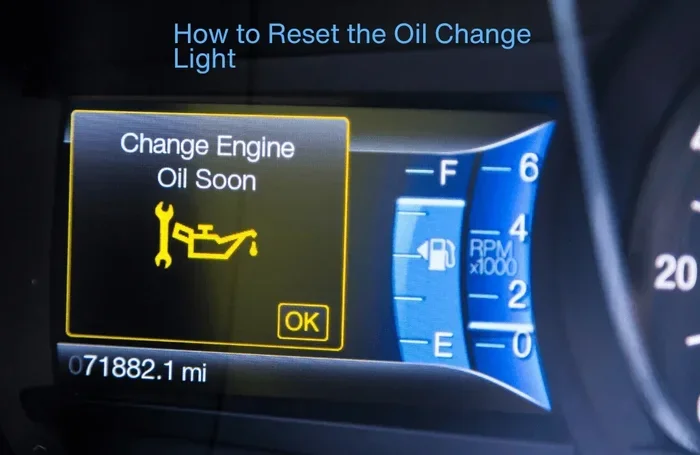
Is it okay to drive with the oil change light on?
It is not recommended. The oil change light is a warning that your oil has reached the end of its effective life. Driving past this warning puts your engine at risk of increased wear, reduced cooling, and potential overheating. Schedule your oil change as soon as possible.
Can a clogged oil filter cause the same overheating problems as old oil?
Yes. A clogged oil filter restricts oil flow through the engine. Reduced oil flow means less heat gets carried away from critical components. This can lead to the same overheating issues caused by degraded or insufficient oil. Always replace your oil filter when you change your oil.