Can a Blown Fuse Cause the Airbag Light to Come On
Can a Blown Fuse Cause the Airbag Light to Come On? Yes, a dead fuse can completely disable your airbag system and trigger the warning light. When the SRS fuse blows, the airbag control module loses power, leaving you without protection. This guide explains the airbag fuse location, common causes of failure, and how to fix it safely.
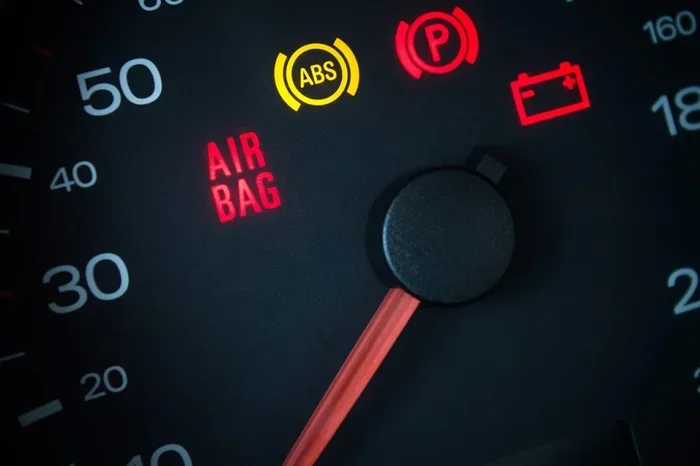
You are driving down the road, and suddenly a strange yellow symbol lights up on your dashboard. It looks like a person sitting in a seat with a circle in front of them. That is the airbag warning light, and it is one of the most unsettling messages your car can send. Many drivers panic and wonder, “Is my car going to explode?” The truth is far less dramatic, but the issue still demands attention. One of the first questions people ask is, Can a Blown Fuse Cause the Airbag Light to Come On? The short answer is yes. A dead fuse can completely cut power to the SRS system (Supplemental Restraint System), and the dashboard lamp will immediately tell you something is wrong. In this article, we will break down exactly why this happens, what other things can trigger the light, and how you can fix it yourself or know when to call a pro.
The airbag system is a life-saving network of sensors, modules, and explosive charges. It deploys in milliseconds during a collision to cushion you from impact. But all of that depends on a steady flow of electricity. Think of the SRS fuse as a gatekeeper. If the gate closes, the entire system goes dark. The warning light turns on to alert you that the airbags will not fire when you need them most. Understanding this simple fact can save you time, money, and a lot of stress. So let us dive deep into the world of fuses, circuits, and airbag safety.
Key Takeaways
- A blown fuse can directly cause the airbag light to illuminate. The SRS fuse supplies power to the entire airbag system, so a dead fuse means no communication.
- Other culprits include loose wiring, corroded connectors, and a faulty clock spring. These issues can mimic a blown fuse and trigger the same warning.
- Always check the fuse box first. It is the easiest and cheapest diagnostic step before scanning for error codes.
- Never drive with the airbag light on. Your safety system is compromised, and you could face serious injury in a crash.
- Replacing a fuse is simple, but finding the root cause is crucial. A new fuse will blow again if the underlying short is not fixed.
- Use an OBD-II scanner to confirm the diagnosis. It reads the airbag module’s stored codes and helps pinpoint the exact problem.
📑 Table of Contents
What Does the Airbag Warning Light Mean?
Before we talk about fuses, it helps to understand what the light is actually telling you. The airbag warning lamp is part of your car’s onboard diagnostics. When the ignition turns on, the system runs a quick self-test. If everything checks out, the light should glow for a few seconds and then shut off. If it stays lit, the airbag control module has detected a fault. That fault could be anything from a loose connector to a dead sensor.
Why the SRS Light Matters
The SRS light is not just a cosmetic dashboard icon. It is a direct line of communication from your car’s brain to you. The Supplemental Restraint System includes the airbags, seat belt pretensioners, and impact sensors. All of these components rely on a healthy electrical circuit. When the airbag circuit is broken or interrupted, the control unit stores a trouble code and lights up the warning. This is your car saying, “I cannot protect you right now.”
Many people ignore this light because the car still drives fine. That is a dangerous mistake. In a crash, a deactivated airbag system means you are relying solely on your seat belt. And even then, the pretensioner might not work either. The dashboard warning is a serious signal, not something to brush off.
Common Triggers for the Airbag Lamp
Several things can cause the airbag light to stay on. Here are the most common triggers:
- A blown fuse. This is the simplest and most common cause.
- A faulty crash sensor. These sensors detect sudden deceleration and trigger deployment.
- Wiring issues. Frayed wires or corroded connectors can break the circuit.
- A bad airbag clock spring. This keeps the connection alive between the steering wheel and the column.
- A discharged or failing battery. Low voltage can confuse the airbag module.
- Aftermarket accessories. Poorly installed stereos or alarms can interfere with the SRS wiring harness.
As you can see, a blown fuse is just one piece of the puzzle. But it is often the first thing to check.
How Fuses Protect Your Airbag System
A fuse is a tiny, sacrificial device that sits inside the fuse box. Its job is to protect the electrical circuit from damage. If too much current flows through, the thin metal strip inside the fuse melts and breaks the circuit. This prevents wires from overheating and starting a fire. In the case of the airbag system, the fuse is specifically designed to handle the high current draw of the deployment module.
The Role of the SRS Fuse
Every car has a dedicated SRS fuse or a group of fuses for the restraint system. The airbag fuse supplies power to the control module, the sensors, and the backup power supply. Without it, the airbag system cannot communicate with the rest of the car. The SRS fuse is usually located in the under-hood fuse box, but some vehicles also have an interior fuse box under the dashboard. Check your owner’s manual for the exact location and amperage rating.
The fuse is rated for a specific amount of current, measured in amps. A typical airbag fuse might be 20, 30, or 40 amps. If a short circuit occurs, the fuse blows before the wiring can overheat. This is a safety feature, not a flaw. So when the airbag warning light comes on, the fuse is often the first place to look.
What Happens When a Fuse Blows
When a fuse blows, the electrical path is interrupted. The airbag control unit immediately loses its primary power source. The module stores a fault code and turns on the SRS light. Even if the impact sensors are working perfectly, the airbags will not deploy because the system is disabled. The airbag circuit is now open, and the warning lamp stays lit until the fault is repaired.
A blown fuse does not always mean the airbag system is broken. Sometimes it is a one-time event caused by a momentary surge. But if you replace the fuse and it blows again right away, you have a deeper electrical problem. That is when you need to dig further. The airbag control module also has a backup power supply, usually a small capacitor or a secondary battery. This backup ensures that the airbags can still deploy even if the main power is lost for a split second. But when the SRS fuse blows, the backup power is also cut off. The module cannot sustain its self-test, and the warning light becomes the only indication that something is wrong.
It is important to understand that the airbag system is not like a regular light bulb circuit. It involves complex data communication between sensors and the control unit. A simple blown fuse stops all of this communication instantly. That is why the airbag warning light is one of the first things you should check after a dashboard warning appears.
Can a Blown Fuse Cause the Airbag Light to Come On
The direct answer is yes. A blown fuse can absolutely cause the airbag light to illuminate. The airbag light is essentially a warning that the SRS system has lost power or detected an error. A dead airbag fuse creates a power loss, and the control module reacts by turning on the lamp. It is a simple cause-and-effect relationship.
The Direct Connection Between Fuse and Airbag
The SRS fuse acts as the main power switch for the airbag network. When current flows through the fuse, the airbag control module stays active. It constantly monitors the crash sensors and the seat belt pretensioner circuits. If the fuse blows, the module goes into a fail-safe mode. It cannot run its self-test, so it assumes the worst and triggers the dashboard warning. This is by design, because a deactivated airbag system is a safety risk.
In many vehicles, you will find the airbag fuse listed in the fuse box cover diagram. It is often labeled “SRS,” “Airbag,” or “Restraint.” The fuse itself is usually a standard blade fuse with a specific color code. If you pull it out and see a broken metal strip inside, you have your culprit. Replacing it with a new fuse of the same amperage is the first step.
Indirect Causes That Mimic a Blown Fuse
Sometimes the airbag light comes on for reasons that are not a blown fuse but feel similar. For example, a loose wiring harness connector can cause a voltage drop that the control module interprets as a fault. Corroded terminals on the fuse box can create resistance and mimic a blown fuse. Even a failing airbag clock spring under the steering wheel can interrupt the circuit and light up the warning.
These indirect issues can be tricky. You might replace the fuse and the light stays on. That is when you need to look beyond the fuse box. The SRS system is complex, and multiple components share the same circuit. A problem in one area can cascade to another.
Quick Tip: Always carry a spare set of fuses in your glovebox. If the airbag light comes on, you can quickly check the SRS fuse without pulling over to a mechanic. Just make sure the car is off and the key is removed before you touch anything.
Common Reasons Your Airbag Fuse Blows
If you have discovered a blown airbag fuse, you need to know why it happened. Simply replacing the fuse without fixing the root cause will just lead to the same problem again. Here are the most common reasons a blown fuse occurs in the airbag system.
Electrical Shorts and Wiring Issues
The most common cause of a blown SRS fuse is an electrical short. Wires can chafe against sharp metal edges over time, especially in the wiring harness under the hood. When the insulation wears away, the bare copper touches the chassis or another wire, creating a direct short. This surge of current blows the fuse instantly. In older cars, rodents may chew through wiring, exposing the conductors and causing a short circuit.
Another common spot for shorts is behind the dashboard. The SRS wiring harness runs through tight spaces near the steering column. If a wire is pinched or damaged during a previous repair, it can create an intermittent short that blows the fuse when you turn the key.
Quick Tip: Visually inspect the wiring harness under the hood for any signs of chafing or bare copper. A simple piece of electrical tape can temporarily protect a worn spot until you can make a permanent repair.
Age and Corrosion
Time is the enemy of electrical connections. The fuse box itself can suffer from corrosion, especially in humid climates or cars that sit outdoors. Corroded fuse terminals create resistance, which generates heat. Over time, that heat can weaken the fuse and cause it to blow. Similarly, the airbag clock spring can develop micro-cracks in its wiring after years of use, leading to increased resistance and eventual failure.
If your car is more than 10 years old, it is worth inspecting the fuse box for any signs of green or white powdery buildup. Cleaning the terminals with electrical contact cleaner can often restore proper connection and prevent future fuse blows.
Aftermarket Modifications
Adding aftermarket accessories is another major cause of blown airbag fuses. People often install new stereos, LED lights, or alarm systems without fully understanding the car’s electrical architecture. If the installer taps into the SRS wiring harness without a relay or proper fuse, the added load can exceed the circuit’s capacity. The airbag fuse blows to protect the system, but the modification is the real problem.
Even a poorly grounded stereo can introduce electrical noise into the SRS circuit. The airbag control module is sensitive to voltage fluctuations, and erratic signals can trigger the warning light. Always have accessories installed by a professional who understands the SRS system.
Expert Insight: “I see blown airbag fuses more often in cars with aftermarket LED headlight conversions,” says a veteran auto electrician. “The extra current draw from the LED driver can overload the SRS circuit if it shares a fuse with other components. Always check the factory wiring diagram before adding anything new.”
How to Diagnose and Replace the Airbag Fuse
If you suspect a blown fuse is behind the airbag light, you can diagnose it yourself with a few basic tools. This section will walk you through the steps safely.
Step-by-Step Fuse Check
Follow these steps to check your airbag fuse:
- Turn off the ignition and remove the key. Safety first. You do not want any power flowing while you are working.
- Locate the fuse box. Check the owner’s manual for the under-hood fuse box diagram. Look for the “SRS” or “Airbag” fuse.
- Pull the fuse using a fuse puller or needle-nose pliers. Inspect the metal strip inside the transparent fuse body. If it is broken or melted, the fuse is blown.
- Replace with a new fuse of the exact same amperage. Never use a higher-rated fuse. It could cause a fire or damage the airbag control module.
- Turn the ignition on and watch the dashboard. If the airbag warning light stays off after a few seconds, the fuse was the problem.
- If the light returns immediately, do not keep replacing fuses. There is a deeper short circuit that needs professional diagnosis.
Always keep a multimeter handy. You can test the fuse for continuity to be absolutely sure. A blown fuse will show no continuity, while a good fuse will show a complete circuit. This simple test takes seconds and can save you a trip to the shop.
When to Use an OBD-II Scanner
If you replace the fuse and the airbag light still comes on, you need to read the trouble codes. An OBD-II scanner that supports SRS airbag codes is essential. Plug the scanner into the diagnostic port under the steering column. Turn the ignition to the “on” position and read the codes.
The airbag control module stores specific crash sensor and circuit codes. A code like “B0001” might indicate a driver-side airbag circuit malfunction. Another code could point to a faulty seat belt pretensioner sensor. The scanner gives you a clear direction, so you are not guessing blindly. Many auto parts stores will read the codes for free. Once you have the code, you can decide whether to fix it yourself or seek a mechanic.
Common Mistakes to Avoid:
- Replacing a fuse with a higher amp rating. This can fry the airbag control module and cost thousands in repairs.
- Ignoring the light after replacing the fuse. The underlying fault may still be present and could cause the fuse to blow again.
- Trying to repair the clock spring yourself. The clock spring contains explosive pyrotechnic charges. Improper handling can cause accidental deployment and serious injury.
- Using a cheap OBD-II scanner that does not read SRS codes. You need a scanner that supports the full airbag system diagnostics.
Expert Insight: “The airbag clock spring is a common hidden culprit,” explains a master technician. “It is a spiral ribbon cable that sits behind the steering wheel. Over time, it can wear out and create intermittent contact issues. This often mimics a blown fuse because the SRS light comes and goes. If you replace the fuse and the light returns after a few bumps, the clock spring might be the real problem.”
Preventing Future Airbag Light Problems
Once you have fixed the airbag light issue, you want to keep it from coming back. Prevention is always better than cure, especially when it comes to safety systems.
Regular Maintenance Tips
Simple habits can extend the life of your SRS system and prevent unexpected fuse blows:
- Inspect the fuse box annually. Look for corrosion, loose fuses, or signs of heat damage.
- Keep the battery terminals clean and tight. A weak battery can cause voltage drops that confuse the airbag module.
- Avoid aggressive driving over speed bumps. The crash sensors are sensitive, and constant jolts can loosen connectors.
- Do not ignore dashboard warnings. If the airbag light flickers or stays on, address it immediately.
- Use OEM-quality fuses. Aftermarket fuses may not handle the current properly and can fail prematurely.
When to Call a Professional
There are times when a blown fuse is just the tip of the iceberg. If you replace the fuse and the light returns within a day, you need a professional. Also, if you notice a burning smell, melted wires, or frequent fuse blows, do not attempt to fix it yourself. The airbag system involves explosive components that require specialized training and equipment. A certified technician can safely diagnose the wiring harness, test the impact sensors, and reset the airbag module after repairs.
Remember, the airbag system is not just about passing an inspection. It is about protecting you and your passengers in a real crash. A properly functioning SRS system can mean the difference between a minor fender-bender and a life-threatening injury. So treat the airbag warning light with the respect it deserves.
Conclusion
So, can a blown fuse cause the airbag light to come on? Absolutely. A dead SRS fuse cuts power to the entire airbag system, and your car responds by lighting up the dashboard warning. While it is often a simple fix, it is also a signal that something in the electrical network needs attention. Always start by checking the airbag fuse in the fuse box. If the fuse is good, use an OBD-II scanner to read the stored codes. And never ignore the airbag light, because your safety depends on it. With the right knowledge and a little caution, you can handle most airbag fuse issues and keep your car’s safety systems working at full capacity.
Frequently Asked Questions
What happens if you drive with the airbag light on?
Driving with the airbag light on means your airbags may not deploy in a crash. The SRS system is disabled, so you lose the primary protection designed to save your life. Even if your seat belt works, the lack of airbag cushioning greatly increases the risk of serious injury. You should address the issue immediately and avoid driving the car if possible until it is fixed.
Can a low battery cause the airbag light to come on?
Yes, a weak or failing battery can cause voltage irregularities that trigger the airbag warning light. The airbag control module needs a stable power supply to function correctly. If the battery voltage drops below a certain threshold, the module may interpret it as a fault and illuminate the SRS light. Charging or replacing the battery often resolves this issue.
How much does it cost to replace an airbag fuse?
Replacing an airbag fuse is one of the cheapest repairs you can do. The fuse itself usually costs just a few dollars, and you can buy a pack for under ten dollars. If you do it yourself, there is no labor cost. If you visit a mechanic, you might pay a small diagnostic fee, but the actual fuse replacement takes only a few minutes.
Is it safe to reset the airbag light by disconnecting the battery?
Disconnecting the battery can sometimes reset the airbag light temporarily, but it does not fix the underlying problem. The airbag control module stores fault codes, and the light will return once the fault is detected again. This method is not a permanent solution and can also erase other important vehicle settings. Always diagnose the root cause first.
Can a bad ground wire cause the airbag light to stay on?
Yes, a corroded or loose ground wire can cause the airbag light to illuminate. The SRS system relies on a solid electrical ground to operate correctly. If the ground connection is poor, the control module may receive erratic signals and trigger the warning. Cleaning the ground strap and ensuring a tight connection can often resolve this issue.
Will the airbag light reset itself after replacing the fuse?
The light may turn off immediately if the blown fuse was the only problem. However, if there is still a hidden fault in the airbag circuit, the airbag control module will detect it and the light will return. In some cases, you need to use an OBD-II scanner to clear the stored codes after the repair is complete. Simply replacing the fuse does not always clear the codes automatically.