Can You Unlock a Door If a Key Is on the Other Side
Can you unlock a door if a key is on the other side? The short answer is yes, but the method depends on your lock type, door design, and situation. Whether your key is stuck inside the car or you are dealing with a lockout situation, there are several practical ways to regain access. In this guide, we walk you through every option, from DIY tricks to calling a professional locksmith. You will learn how car door locks work, which tools actually help, and how to prevent future lockouts for good.
Can you unlock a door if a key is on the other side? This is one of the most common questions people ask when they find themselves standing outside their car with the keys sitting on the passenger seat. The good news is that yes, it is possible in most cases. The method you choose depends on your lock type, the tools you have, and how quickly you want to solve the problem.
Being locked out of your vehicle is frustrating, but it happens to millions of people every year. A key stuck inside car scenario is one of the top reasons drivers call for roadside assistance. Whether you dropped your keys through a cracked window or simply forgot them on the dashboard, the situation is fixable. This guide covers every practical method you can use to unlock a car door when the key is trapped on the other side.
We will explore how car door locks work, the best DIY techniques, when to call a locksmith, and how to prevent lockout situations from happening again. Let us get into it.
Key Takeaways
- Yes, it is possible: You can unlock a door even if a key is on the other side, but the approach depends on your lock type.
- Spare keys save the day: Always keep a spare key in a safe place to avoid lockout situations.
- Professional help is reliable: A certified locksmith can handle most car door lock issues quickly and safely.
- DIY methods exist but carry risks: Tools like a slim jim or wedge tool can work, but they may damage your car lock mechanism.
- Prevention is the best fix: Good habits and keyless entry upgrades can prevent you from ever being locked out again.
- Know your key type: Transponder keys and key fobs behave differently than traditional keys, which affects your unlock options.
- Act fast in emergencies: If children or pets are inside a locked vehicle, call emergency services immediately.
📑 Table of Contents
How Car Door Locks Work
Before you try any lock picking method, it helps to understand how your car lock mechanism actually works. Most modern vehicles use a pin-tumbler lock system inside the door. When you insert a key and turn it, pins inside the lock cylinder align, allowing the cylinder to rotate and retract the locking bolt.
The Basic Lock Mechanism
The car door lock is a simple but clever device. Inside the door panel, a lock cylinder connects to a linkage rod. When you turn the key, the rod moves the locking bolt up or down. This bolt is what keeps the car door handle from opening the door from the outside.
Older vehicles often have a simpler design. The lock cylinder is directly connected to the latch mechanism. Newer cars may have electronic components added to the traditional mechanical system. Understanding this basic setup helps you understand why certain unlock car door methods work and others do not.
Electronic locks add a layer of complexity. Instead of a simple mechanical linkage, the lock cylinder sends a signal to a control module. The module then activates an electric motor that moves the locking bolt. This means that even if the physical key turns correctly, an electrical fault can still prevent the door from unlocking. Knowing this helps you troubleshoot more effectively when you are stuck outside your vehicle.
How Keys Interact with the Lock Cylinder
Every key has a unique pattern of ridges. These ridges push the internal pins to the correct height inside the lock cylinder. When all pins align at the shear line, the cylinder can rotate freely. This is what allows the key fob or physical key to activate the lock or unlock function.
Some vehicles use a transponder key that communicates with the car’s computer. The key contains a small chip that sends a signal to the ignition. If the signal does not match, the ignition lock will not start the engine. However, the physical lock cylinder for the door may still work independently of the transponder system.
This distinction matters a lot when you are trying to unlock a door if a key is on the other side. A transponder key that is trapped inside the car cannot start the engine, but it can still unlock the door if inserted into the door lock cylinder. The door lock and the ignition lock are separate systems, even though they use the same key.
Common Scenarios Where a Key Is on the Other Side
Knowing how locks work is only half the battle. The other half is understanding the situations where you end up with a key stuck inside car. Let us look at the most common lockout situations drivers face every day.
Locked Keys Inside the Car
This is the number one lockout situation drivers face. You step out to grab something from the store, and when you return, the door is locked and the keys are sitting on the passenger seat. It happens to the best of us. The car door handle will not open from the outside, and your key fob is on the dashboard or console.
Cold weather makes this worse. People often leave their car running to warm it up and then walk away for just a moment. The engine shuts off when the key is removed, and the doors lock automatically on many modern vehicles. A quick trip back inside becomes a major inconvenience.
Another common version of this scenario happens at gas stations. You leave the car running while you pay inside, and the doors lock when you remove the key. Now you are standing at the pump with no way to get back in. These situations are stressful, but they are very common, and there is always a solution.
Key Stuck in the Ignition
Sometimes the key does not just sit on the seat. It gets stuck in the ignition lock. This can happen if the steering wheel locks while the key is turned. The car lock mechanism binds, and you cannot pull the key out. Now you have no way to unlock the door from the outside because the key is trapped inside the ignition.
A stuck key in the ignition is different from a key left on the seat. In this case, the key stuck inside car is in a location that is even harder to reach. You cannot simply reach through a window to grab it. This is one of the trickiest lockout situations, and it is the kind of problem where a professional locksmith really shines.
Double-Locked Doors
Many cars have a double-lock feature. When you double-lock the doors, the car door handle on the inside cannot open the door from the inside either. This is a safety feature for children, but it becomes a problem if you accidentally lock yourself out with the double-lock activated. The key is on the other side, and even the inside handle will not help you get back in.
Double-locked doors are especially tricky because the internal handle is disabled. You cannot use the string method or any technique that relies on reaching inside the car. Your options narrow down to lock picking with professional tools or calling a locksmith. This is why understanding your vehicle’s locking features before you need them is so important.
Methods to Unlock a Door When a Key Is on the Other Side
Now let us get to the practical part. There are several ways to unlock a door if a key is on the other side. Some methods are simple and safe. Others require more skill or professional help. Let us walk through each one.
Using a Spare Key
The easiest and safest method is to use a spare key. If you have a second set of keys at home, ask a friend or family member to bring them to you. This costs nothing and takes no special tools. It is the best first step in any lockout situation.
Many people keep a spare key hidden under the car mat or in the glove compartment. But if the keys are locked inside the car, this does not help. The lesson here is to keep a spare key in a separate location, like at your office or with a trusted neighbor. Some people give a spare key to a family member who lives nearby. This ensures you always have a backup within reach.
Quick Tip: If you keep a spare key at home, make sure it is not a key that looks exactly like your primary key. Consider getting a different style key so that someone who finds the spare cannot easily use it to access your vehicle.
Calling a Professional Locksmith
A certified locksmith is your best option when you need a fast and safe solution. Professional locksmiths carry specialized tools and have the training to unlock car door systems without causing damage. Most locksmiths can arrive within 15 to 30 minutes, depending on your location.
locksmiths handle all types of locks, including transponder keys and key fob systems. They can also help if your key fob battery is dead and you need to access the vehicle. Calling a locksmith is often the most reliable path to getting back into your car.
When choosing a locksmith, look for one who is licensed and insured. Read reviews online and ask for an estimate before they start work. A reputable locksmith will be transparent about pricing and will not charge you extra for showing up. Avoid roadside assistance services that subcontract to unknown locksmiths without clear pricing.
DIY Techniques and Tools
Some people prefer to handle a lockout situation themselves. There are several DIY methods that can work. However, you should proceed with caution. The wrong technique can damage your car door lock or the car lock mechanism, leading to expensive repairs.
Quick Tip: Always try the simplest methods first before attempting any DIY lock picking. If you are not confident, calling a locksmith is the safest choice. Damage to the car lock mechanism can turn a simple lockout service into a costly repair job.
Using Keyless Entry or Remote Unlock
If your vehicle has keyless entry, you may still be able to unlock the door. Many modern cars have a remote unlock feature built into the key fob. Even if the key fob battery is low, it may still work from a short distance. Try pressing the unlock button while holding the key fob right up against the door handle.
Some vehicles also have a mobile app that lets you remote unlock the car from your phone. Check if your vehicle manufacturer offers this feature. It is a great reason to set up the app before you ever need it. You can also use the app to check whether your doors are locked, which helps you avoid lockout situations in the first place.
Common Mistakes: Do not assume your key fob is completely dead just because the remote unlock does not work from across the parking lot. Place the key fob directly against the door handle or the ignition lock and try again. Many key fob systems have a backup proximity range that works at very close distances.
Tools and Techniques for Unlocking Car Doors
If you decide to try a DIY approach, you need to know which tools work and which do not. Below is a comparison of common unlock car door methods.
| Method | Difficulty | Risk of Damage | Best For |
|---|---|---|---|
| Wedge and Rod | Medium | Low to Medium | Manual locks |
| Slim Jim | High | High | Older vehicles |
| Inflatable Air Wedge | Low | Low | All lock types |
| String and Wire | Medium | Low | Push-button locks |
| Locksmith Tool Set | High | Medium | Experienced users |
The Wedge and Rod Method
The wedge tool method is one of the most popular DIY approaches. You place a thin wedge, such as a rubber doorstop or a specialized plastic wedge, between the door and the frame. This creates a small gap. Then you insert a long rod through the gap to push the car door handle or unlock button.
This method works well on older vehicles with manual locks. It is less effective on newer cars with electronic locks or keyless entry systems. The risk of damage is low if you use a soft rubber wedge, but a hard metal wedge can scratch the paint or damage the weather stripping. Always choose a flexible, soft wedge to protect your vehicle’s finish.
Expert Insight: The wedge tool method is best used as a last resort when no other options are available. It works, but it requires patience and a steady hand. If you feel the door resisting, stop and reassess. Forcing the wedge can bend the weather stripping or crack the window glass.
The Slim Jim Technique
The slim jim is a flat metal strip that you slide between the window glass and the weather stripping. It reaches the car lock mechanism directly, allowing you to manipulate the linkage rods inside the door. This technique can be effective, but it is not for beginners.
Modern vehicles have electronic lock systems that make the slim jim less effective and more risky. Using a slim jim on a newer car can damage the wiring or the car door lock electronics. This is why many locksmiths prefer other methods for modern vehicles. The risk of causing permanent damage to the vehicle security system is real and significant.
Common Mistakes: Do not use a slim jim on a car with side-impact airbags in the door panel. The metal strip can accidentally trigger the airbag module, which is expensive to repair. Also, avoid using a slim jim on electronic locks, as you may damage the wiring harness behind the door panel.
Inflatable Air Wedge
An inflatable air wedge is a safer alternative to a rigid wedge. You place the air wedge between the door and the frame and inflate it gently. This creates a larger gap without applying hard pressure. You can then use a long tool to reach the unlock button or car door handle.
Expert Insight: Many professional locksmiths and roadside assistance teams use inflatable air wedges as their first tool. They are safe, effective, and work on most vehicle security systems without causing damage. If you do a lot of driving in remote areas, keeping a basic air wedge kit in your trunk is a smart move.
The air wedge method is gentle on your vehicle and gives you more control than a rigid wedge. You can adjust the amount of air to create exactly the gap you need. This makes it suitable for a wide range of car door lock types and vehicle models.
String and Wire Method
The string and wire method works on vehicles with push-button door locks. You tie a loop in a strong string or use a thin wire. You slide it between the door and the frame, loop it around the unlock button, and pull. It sounds simple, but it requires patience and a steady hand.
This method is one of the safest DIY options because it does not involve inserting anything into the lock cylinder. However, it only works on certain door designs. If your car door lock has a manual turn knob instead of a push button, this method will not work. Practice on a vehicle you own before trying it in a real lockout situation.
Quick Tip: Use a strong, thin string like dental floss or braided fishing line. Thick strings will not fit through the gap between the door and the frame. A thin wire coat hanger can also work, but be careful not to scratch the paint or damage the weather stripping.
Preventing Future Lockouts
The best way to deal with a lockout situation is to avoid one altogether. Prevention is always easier than a cure. Here are some practical steps you can take to keep yourself from getting locked out again.
Spare Key Strategies
Always keep a spare key somewhere safe. A spare key stored at home, at work, or with a trusted friend is your best insurance against lockouts. You can also purchase a magnetic spare key box that attaches to the undercarriage of your car. Hide it in a discreet location where only you know it is.
Some people keep a spare key in their wallet or purse. This is better than having no backup, but it is not ideal. If your wallet is stolen along with the spare key, you have the same problem twice. Choose a secure and accessible location for your backup key. A spare key at home or at work is always the safest option.
Quick Tip: Consider getting a second spare key and keeping it in a different location. If one backup is lost or stolen, you still have another. This is especially important for vehicles that use transponder keys, which can be expensive to replace.
Keyless Entry Upgrades
Upgrading to keyless entry can reduce your risk of lockouts. Many newer vehicles come with keyless entry as standard. If your older car does not have it, you may be able to install an aftermarket keyless entry system. These systems let you unlock the car with a remote or a smartphone app.
Quick Tip: When you get a new key fob, always test the remote unlock function from different distances. Replace the battery regularly so you are never caught with a dead key fob battery. Most key fob batteries last one to two years, so set a reminder to check yours annually.
Some aftermarket keyless entry systems also include GPS tracking and remote start features. These add convenience and can help you locate your vehicle if you forget where you parked. The investment in a good keyless entry system pays for itself the first time it saves you from a lockout situation.
Habits That Keep You Locked Out
Some habits increase your risk of a lockout situation. Reaching for your wallet or phone as you leave the car is a common trigger. You grab your belongings and shut the door, forgetting that the key fob is still in your pocket or on the console.
Make it a habit to check for your key fob before closing the door. Place it in the same spot every time you exit the vehicle. This small routine can save you from many frustrating lockout situations in the future. You can also set a mental reminder, like saying “keys in hand” every time you leave the car.
Another habit that helps is keeping your spare key in a designated spot at home. When you come home, place the spare key in the same location every time. This way, you always know where it is if you ever need it. Consistency with small habits like these prevents big problems down the road.
When to Call a Professional Locksmith
Not every lockout situation should be handled on your own. Knowing when to call a professional locksmith can save you time, money, and the risk of damaging your vehicle.
Signs You Need Expert Help
You should call a locksmith if any of the following apply to your situation. First, if you have tried DIY methods and the door will not open. Second, if your vehicle has a transponder key or advanced key fob system that you cannot bypass. Third, if you suspect the car lock mechanism is damaged or jammed.
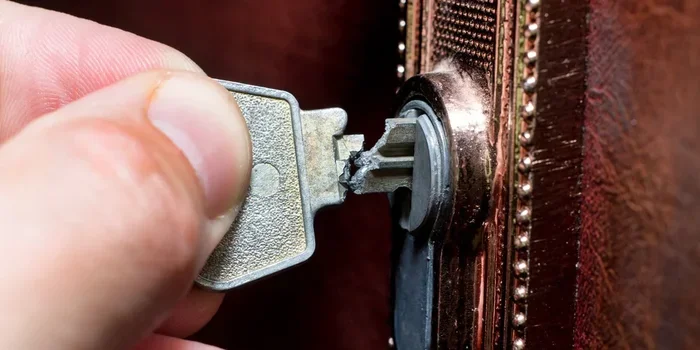
Another clear sign is if you have a broken key stuck in the lock or ignition. Trying to remove a broken key yourself can push it deeper into the car lock mechanism. A locksmith has the proper tools to extract a broken key safely and completely. They can also handle car key replacement if the key is damaged beyond repair.
If you are in an unsafe location, such as a dark parking lot or a remote road, calling a locksmith is always the right choice. Your safety matters more than saving a few dollars. A professional locksmith can get you back into your vehicle quickly and securely.
Cost Considerations
The cost of a lockout service varies depending on your location, the time of day, and the type of lock. A standard lockout service during business hours typically costs between $50 and $100. After-hours or emergency calls may cost more. Car key replacement can range from $100 to $400 or more, depending on whether you need a transponder key or a key fob replacement.
While calling a locksmith costs money, it is usually cheaper than replacing a damaged car door lock or car lock mechanism. DIY attempts gone wrong often lead to expensive repairs. When in doubt, call a professional. The peace of mind is worth the investment.
Quick Tip: Ask your locksmith for a flat-rate quote before they begin any work. This protects you from surprise charges. A trustworthy locksmith will always be upfront about their pricing and will explain each step of the process before they start.
Conclusion
So, can you unlock a door if a key is on the other side? Absolutely. Whether you use a spare key, call a locksmith, or try a DIY method, there are real solutions available. The key is to stay calm, assess your situation, and choose the safest approach.
Understanding how your car lock mechanism works gives you an advantage in any lockout situation. The wedge tool, slim jim, and string and wire methods each have their place, but they come with risks. When the situation is uncertain, a professional locksmith is always the best choice. Trying to force a car door lock open without the right tools can cause damage that costs far more than a lockout service call.
Prevention is the ultimate unlock car door strategy. Keep a spare key in a safe place, maintain your key fob battery, and build habits that keep you from getting locked out. Your future self will thank you the next time you reach for your keys and find them right where you left them.
The answer to can you unlock a door if a key is on the other side is a confident yes. With the right knowledge and the right approach, no lockout situation is permanent. Stay prepared, stay calm, and always have a backup plan.
Frequently Asked Questions
Can a locksmith unlock any car door if the key is inside?
Yes, a professional locksmith can unlock most car doors even when the key is stuck inside car. They use specialized tools like wedge tools and long reach rods that work on various car lock mechanisms. The process is quick, safe, and usually causes no damage to your vehicle.
Is it illegal to pick a car lock yourself?
In most places, owning lock picking tools is legal, but using them on a vehicle you do not own is illegal. If you are unlocking your own car, you are generally in the clear. However, if you are not sure about the laws in your area, it is best to call a licensed locksmith for lockout service assistance.
How much does a lockout service cost?
A standard lockout service costs between $50 and $100 during regular hours. Emergency or after-hours calls may cost more. The price depends on your location, the type of lock, and the time of day. Always ask for a price estimate before the locksmith begins work.
Can a dead key fob battery prevent you from unlocking the car?
Yes, a dead key fob battery can prevent remote unlock from working. However, most vehicles have a backup method. You can usually place the key fob directly against the door handle or the ignition lock to bypass the low battery issue. Check your vehicle manual for the specific backup method.
What should I do if a child is locked inside the car?
If a child is locked inside a vehicle and the key is on the other side, call emergency services immediately. Do not attempt to break a window unless the child is in immediate danger. Many lockout service providers and emergency responders are trained to safely access vehicles without harming the occupants.
Can you prevent a key from being locked inside the car?
Yes, you can significantly reduce the risk by developing simple habits. Always check your key fob and spare key location before closing the door. Keep a spare key in a secure place outside the vehicle. Consider upgrading to keyless entry or a remote unlock app for added convenience and peace of mind.