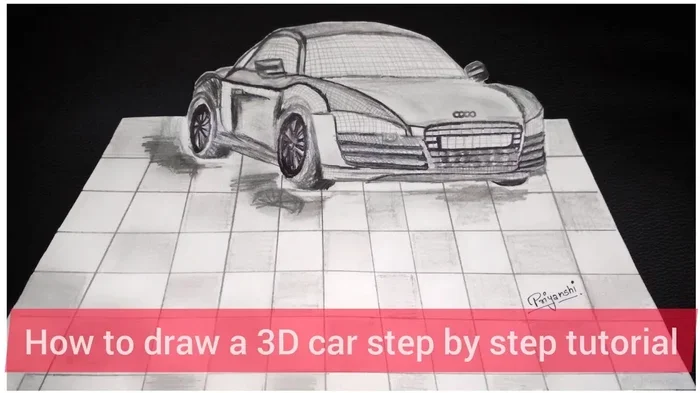
Black and White Car Drawing for Art Lovers Everywhere
Black and white car drawing is a timeless art form that lets you capture the elegance and power of automobiles using only pencil, pen, and paper. Whether you are a complete beginner or a seasoned artist, learning black and white car drawing can sharpen your observation skills and deepen your appreciation for automotive design. This guide covers everything from basic shading techniques to advanced rendering methods, so you can start creating stunning monochrome car illustrations right away.
There is something magical about a black and white car drawing. Without color, the viewer’s eye focuses entirely on shape, form, light, and shadow. Every curve of the bodywork tells a story. Every line reveals the designer’s intent. For art lovers and car enthusiasts alike, this style of drawing offers a unique way to appreciate automotive beauty.
Whether you want to sketch a classic muscle car, a sleek sedan, or a rugged truck, black and white car drawing gives you the freedom to explore without worrying about color choices. You can focus on what truly matters: proportion, perspective, and detail. This guide will walk you through everything you need to know, from picking the right supplies to mastering advanced shading techniques.
If you have ever stared at a car and thought, “I wish I could draw that,” this article is for you. We will break down the process into simple, easy-to-follow steps. You will learn practical tips, avoid common mistakes, and discover how to turn a blank page into a striking automotive art piece. Let us dive in.
Key Takeaways
- Black and white car drawing builds foundational art skills: working with contrast, shading, and line control transfers to all your future drawing projects.
- Basic materials are all you need: a pencil, eraser, paper, and a few blending tools are enough to start your first car sketch.
- Shading and contrast are the heart of monochrome car art: mastering light and shadow makes your drawings look realistic and dramatic.
- Different car types require different approaches: sedans, sports cars, and trucks each have unique proportions and details to capture.
- Practice and patience matter most: consistent drawing sessions will improve your skills faster than any single tutorial.
- Digital tools expand your options: tablets and software let you refine and share your black and white car drawings with a wider audience.
📑 Table of Contents
- Why Black and White Car Drawing Matters for Artists
- Essential Materials for Black and White Car Drawing
- Step-by-Step Guide to Drawing a Car in Black and White
- Shading Techniques That Bring Your Car Drawings to Life
- Common Mistakes to Avoid in Car Drawing
- Taking Your Black and White Car Drawing to the Next Level
- Quick Tips for Better Black and White Car Drawings
- Conclusion
Why Black and White Car Drawing Matters for Artists
Color can be distracting. When you remove it from the equation, you are left with the pure essence of a vehicle’s design. This is why so many art students begin with black and white car drawing before moving on to full-color pieces. It teaches you to see the world differently.
Building Strong Foundational Skills
Working in black and white forces you to understand values. Values are the range of light to dark in a drawing. When you practice pencil drawing cars, you learn how light hits different surfaces. You notice how a glossy hood reflects light differently than a matte fender. These observations are essential for any artist, no matter what they draw.
Another benefit is line control. Drawing a car requires confidence with your hand. You need to create smooth, flowing lines for the body and sharp, precise lines for details like headlights and grille patterns. The more you practice line art car sketches, the better your hand-eye coordination becomes.
Appreciating Automotive Design
Car designers spend years perfecting the shapes we see on the road. When you sit down to create a car portrait in black and white, you start to notice things you never saw before. The way a roofline flows into the rear window. The angle of a wheel well. The curve of a side skirt.
This deeper appreciation is one of the hidden joys of automotive sketching. Even if you never become a professional artist, the skill changes how you see the world. Every car you pass on the street becomes a potential drawing subject. Every vehicle has a story written in its lines.
Essential Materials for Black and White Car Drawing
You do not need a lot of supplies to get started. In fact, some of the best black and white car drawings were made with very simple tools. Here is what you need to begin.
Graphite Pencils
A set of graphite pencils is the foundation of any pencil drawing cars project. Start with a range from 2H to 6B. The H pencils are hard and make light lines. The B pencils are soft and create dark, rich tones. A standard HB pencil works well for outlines and basic shapes.
Many artists recommend having at least three pencils on hand: a hard pencil for light sketching, a medium pencil for general work, and a soft pencil for deep shadows. This simple setup gives you enough range to create a full monochrome car illustration with believable depth.
Erasers and Blending Tools
A kneaded eraser is a must-have for car sketch work. Unlike a regular eraser, it lifts graphite without leaving smudges. You can shape it into a fine point to add highlights or erase large areas gently.
For blending, you have several options. Blending stumps and tortillons are cheap and effective. Tissue paper or even a cotton swab works in a pinch. Some artists use their fingertips, but this can leave oils on the paper. A blending tool gives you more control over your contrast drawing values.
Paper and Surfaces
Choose a smooth, heavy-weight paper for your graphite car drawing projects. Smooth paper lets you blend easily and prevents the pencil from catching on texture. A paper with a weight of at least 80 lb or 100 gsm works well for most drawings.
If you want a more textured look, try toned paper. Gray or tan paper adds an instant mid-tone to your black and white illustration. You can then use a white charcoal pencil or white gel pen to add highlights. This technique creates stunning car silhouette drawings with dramatic contrast.
Step-by-Step Guide to Drawing a Car in Black and White
Now let us get into the actual process. Drawing a car might seem intimidating, but breaking it into smaller steps makes it manageable. Follow along with this guide to create your first black and white car drawing.
Step 1: Start with Basic Shapes
Every car starts with simple geometry. Look at your reference photo or the real car in front of you. What basic shapes make up the body? Most cars are a combination of rectangles, ovals, and trapezoids.
Lightly sketch these shapes onto your paper. Do not press hard. Use loose, gestural lines. The goal is to capture the overall proportions, not the details. If the proportions look wrong at this stage, it is easy to erase and adjust. Getting the shapes right is the most important step in any automotive sketching project.
Step 2: Add the Major Lines
Once your basic shapes look good, start refining them. Draw the roofline, the belt line, the wheel arches, and the windows. These are the structural lines that define the car’s character.
Use a slightly firmer pencil for these lines. Keep your hand steady and your movements smooth. Remember, car details drawing comes later. For now, focus on the big picture. Step back from your work every few minutes to check the proportions from a distance.
Step 3: Block in the Shadows
This is where your drawing starts to come alive. Identify the light source in your reference. Then lightly shade the areas that are away from the light. Do not go dark too soon. Build up your shadows gradually.
Use the side of your pencil for broad, soft shading. For darker areas, press firmer or switch to a softer pencil like a 4B or 6B. This gradual approach is the secret to realistic shading techniques in any black and white car drawing.
Step 4: Refine Details and Highlights
Now you can add the details that make your drawing special. Draw the headlights, the grille pattern, the door handles, the spokes of the wheels. Use a sharper pencil point for these fine lines.
Highlights are just as important as shadows. Use your eraser to lift graphite and create bright spots on the hood, the windows, and the chrome trim. This interplay of light and dark is what gives your contrast drawing its depth and realism.
Step 5: Final Touches and Review
Take a break, then come back to your drawing with fresh eyes. Look for areas that need more contrast or finer details. Check that the proportions still look correct. Make any final adjustments with your pencil or eraser.
This last step separates a good drawing from a great one. Spend time on the finishing touches, and your automotive art will truly stand out. Sign your work and admire what you have created.
Shading Techniques That Bring Your Car Drawings to Life
Shading is the soul of any black and white car drawing. Without it, your drawing will look flat and lifeless. With proper shading, a simple line sketch transforms into a three-dimensional masterpiece that seems ready to roll off the page.
Hatching and Cross-Hatching
Hatching means drawing parallel lines to create shade. The closer together the lines, the darker the area. Cross-hatching adds a second layer of lines at an angle. This technique gives you more control over your pencil drawing cars values and works especially well for textured surfaces like leather seats or tire rubber.
Start with light, evenly spaced lines. Practice on a scrap piece of paper first. Once you feel comfortable, apply hatching to your car drawing. Focus on areas like the wheel wells, under the body, and inside the wheel rims where shadows naturally fall.
Stippling for Fine Detail
Stippling uses tiny dots to build up tone and texture. This technique is slower than hatching, but it creates beautiful, soft gradients. Stippling works wonderfully for car details drawing like the texture of a cloth roof or the speckled pattern on a truck bed.
To get started with stippling, use a fine-tipped pen or a sharp pencil point. Apply dots closer together for darker areas and spread them out for lighter areas. This method pairs beautifully with black and white illustration styles that emphasize texture and subtlety.
Blending for Smooth Surfaces
Cars have many smooth, reflective surfaces. Blending helps you recreate that sleek look. After laying down your initial shading, use a blending stump or tissue to smooth out the graphite. The result is a soft, even tone that mimics the look of polished paint.
Be careful not to over-blend. You still want some texture and variation in your contrast drawing. Leave some subtle pencil marks visible. This gives the drawing a sense of depth and keeps it from looking overly smooth and artificial.
Common Mistakes to Avoid in Car Drawing
Every artist makes mistakes, especially when starting out. The good news is that most common errors are easy to avoid once you know what they are. Here are the pitfalls to watch for in your black and white car drawing journey.
Skipping the Construction Phase
One of the biggest mistakes beginners make is jumping straight into details. They start drawing wheels and windows before establishing the basic shape. This often leads to proportions that look off and a drawing that feels awkward.
Always start with light, loose construction lines. Map out the major shapes first. Then refine. Then add details. This automotive sketching workflow saves time and produces better results. Think of it as building a house: you need a solid foundation before you add the finishing touches.
Ignoring the Light Source
Without a clear light source, your shadows will look random and confusing. Before you start shading, decide where the light is coming from. Then shade consistently in that direction.
A common mistake is adding highlights in the wrong place or shading in the wrong direction. This breaks the illusion of three-dimensional form. Study your reference photo carefully and note where the brightest highlights and darkest shadows fall. This simple habit will dramatically improve your car portrait work.
Pressing Too Hard
It is tempting to press hard when you want dark shadows. But pressing too hard can damage the paper, make it difficult to erase mistakes, and limit your ability to build up values gradually.
Instead, build up tone in light layers. Use multiple passes with a soft pencil rather than one heavy press. This gives you more control and creates smoother gradients in your monochrome car illustration. Think of shading like laying down thin coats of paint rather than smearing a blob of color.
Neglecting the Background
It is easy to focus entirely on the car and forget about everything else. But the background plays an important role in any black and white illustration. A simple gradient or subtle texture behind the car adds depth and context to the drawing.
You do not need an elaborate background. Even a simple ground shadow or a faint horizon line makes a big difference. It anchors the car in space and makes the entire composition feel more finished and professional.
Taking Your Black and White Car Drawing to the Next Level
Once you have mastered the basics, you might want to push your skills further. There are many ways to grow as a black and white car drawing artist. Here are some ideas to challenge yourself and expand your abilities.
Try Different Car Types
If you usually draw sedans, try a sports car. If you prefer trucks, sketch a classic convertible. Each type of vehicle presents unique challenges. Sports cars have aggressive angles and low profiles. Trucks have large, boxy shapes and complex wheel well details. Classic cars have elegant curves and chrome accents.
Variety is the spice of automotive art. By drawing different types of cars, you build a versatile skill set. You learn to handle different proportions, details, and surface textures. This variety also keeps your practice sessions fun and engaging.
Experiment with Different Media
While graphite pencils are the most popular choice, do not be afraid to try other materials. Charcoal creates bold, dramatic car silhouette drawings with rich blacks and soft grays. Pen and ink allows for precise, clean lines and cross-hatching patterns.
White charcoal on black paper creates a striking reverse effect that looks amazing for car sketch work. Each medium brings its own character to your black and white car drawing and opens up new creative possibilities.
Explore Digital Tools
Digital drawing tablets and software have opened up exciting new avenues for automotive sketching. Programs like Procreate, Clip Studio Paint, and Krita offer powerful tools for creating black and white illustrations with unlimited undo and blending options.
Digital tools also make it easy to share your work online, receive feedback, and connect with other artists. If you are interested in going digital, start with a basic drawing tablet and a free drawing app. You can always upgrade as your skills and interest grow.
Join a Community
Art is more fun when you share it. Look for online communities, local art groups, or social media platforms where car drawing enthusiasts gather. Sharing your work and seeing others’ creations can be incredibly motivating.
Communities also provide valuable feedback. Other artists can spot issues in your car details drawing that you might have missed. They can offer tips, suggest resources, and celebrate your progress. Being part of a community keeps you accountable and inspired.
Quick Tips for Better Black and White Car Drawings
- Use reference photos: Always work from a clear photo or a real car. Reference images help you get proportions and details right.
- Draw lightly at first: Start with faint lines and build up gradually. It is much easier to add darkness than to remove it.
- Squint at your reference: Squinting simplifies values and helps you see the big shapes and shadow patterns more clearly.
- Practice daily: Even 15 minutes of daily practice leads to noticeable improvement over time.
- Rotate your paper: Turning your paper as you draw helps you see angles and curves more accurately.
- Use a ruler sparingly: Rulers can make car drawings look too stiff. Let your hand flow naturally for more organic lines.
- Study real cars: Visit car shows, watch car reviews, or simply observe vehicles on the road. Real-world observation sharpens your drawing skills.
Conclusion
Black and white car drawing is a rewarding and accessible art form that anyone can enjoy. It teaches you to see the world with sharper eyes, appreciate design in its purest form, and create stunning artwork with just a pencil and paper. From basic shapes to advanced shading, every step you take brings you closer to creating beautiful automotive art that captures the spirit of the machines you love.
Remember, every great artist started somewhere. Your first drawing might not be perfect, and that is perfectly fine. The important thing is to keep practicing, keep experimenting, and keep enjoying the process. Pick up your pencil today and start your first black and white car drawing. You might be surprised by what you can create.
The road ahead is full of inspiration. Every car is a masterpiece waiting to be drawn. All you need is the willingness to pick up a pencil and the curiosity to see the world differently. Happy drawing, and enjoy the journey of automotive sketching!
Frequently Asked Questions
What supplies do I need to start black and white car drawing?
You need a set of graphite pencils (2H to 6B), a kneaded eraser, a blending stump or tissue, and smooth heavyweight paper. These basic supplies are all you need to create your first black and white car drawing. As you progress, you can explore charcoal, pen and ink, or digital tools for more variety.
Is black and white car drawing suitable for beginners?
Absolutely. Black and white car drawing is one of the best starting points for new artists because it removes the complexity of color. You can focus on learning values, proportions, and line work without the extra challenge of choosing a color palette.
How long does it take to learn to draw cars in black and white?
Everyone learns at their own pace. With consistent practice of 15 to 30 minutes a day, most beginners see noticeable improvement within a few weeks. Mastering advanced shading techniques and creating highly detailed car portrait work may take several months or more, but the journey itself is rewarding.
Can I draw cars in black and white without a reference photo?
You can, but using a reference photo greatly improves accuracy and detail. Reference images help you capture the correct proportions, angles, and car details drawing elements. Many professional automotive sketching artists always work from references, and there is no shame in doing the same.
What is the best car type to draw for beginners?
Simple sedans and classic cars with clean, smooth lines are great starting points. They have fewer complex details than sports cars or trucks. As your confidence grows with monochrome car illustration work, you can gradually move on to more challenging vehicle types.
How can I make my black and white car drawing look more realistic?
Focus on three key elements: accurate proportions, consistent light source, and smooth value transitions. Use blending tools for soft surfaces and hatching or stippling for textured areas. Pay close attention to highlights and reflections, as these details are what make a black and white illustration come alive with depth and realism.
=== META TITLE ===
Black and White Car Drawing: Tips, Techniques & Guide
=== URL SLUG ===
black-and-white-car-drawing